


By Samantha Kight, GSMA Head of Security and Alix Jagueneau, GSMA Head of External Affairs
Fraud and scams have rapidly become one of the defining challenges of the digital age, with the global scam economy growing at an alarming pace. According to the Global Anti-Scam Alliance, over US$1 trillion has been lost to scams worldwide in 2024.
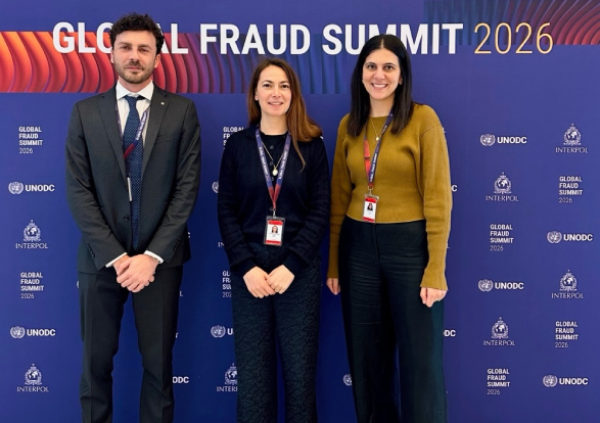
The Global Fraud Summit 2026, convened in Vienna by the UN Office for Drugs and Crime (UNODC) and INTERPOL, clearly reflected the growing urgency of this threat and how the fight against fraud has risen to the top of the international agenda. Bringing together international organisations, law enforcement agencies, governments, industry leaders and security experts, the Global Fraud Summit underscored how tackling fraud and scams must now be a collective global priority.
It is in this spirit that the GSMA endorsed the Global Public-Private Partnership Framework against Fraud. This Framework represents an important step towards a united approach against fraud, grounded in the principles of shared responsibility, proactive prevention, information-sharing, victim support, consumer education and continuous innovation.
The GSMA and its members are determined to advance the principles enshrined in the Framework to contribute to a more resilient and trusted global digital ecosystem. At MWC26 Barcelona, mobile industry leaders called for coordinated action across industries and borders to build a safer digital future.
As participants at the Vienna Summit have all highlighted, scammers are increasingly sophisticated, rapidly evolving their techniques through criminal organisations that operate across borders. They exploit gaps between sectors, including telecommunications, financial services, technology platforms, law enforcement and regulators.
A Call to Collective Action
Tackling this challenge cannot be achieved by any single sector or actor. It requires coordinated action across borders and industries and proportionate responsibility aligned with technical capabilities.
To strengthen global resilience against scams and address this transnational challenge, the following measures should be prioritised:
- Foster wide ecosystem collaboration. Facilitate mechanisms that enable faster intelligence sharing, earlier and coordinated responses, and formal frameworks for public-private partnerships capable of operating at the speed at which scammers evolve.
- Incentive innovation over strict regulation. Legal clarity is essential to enable collaboration and information sharing between ecosystem players. Strict or inadequate regulation can limit the ability to scale innovative technical solutions. As scammers evolve their techniques quickly, proactive fraud prevention should be encouraged through flexible and principle-based frameworks.
- Consumer education and effective reporting mechanisms. Digital literacy and consumer awareness campaigns are critical. They should be complemented by simple reporting mechanisms that transform consumer reports into actionable intelligence.
Only together, we can help build trust and resilience in the digital economy.
To find out more about the GSMA United Against Scams initiative, check out our site here.