


Monday 27 July, 2026
Foreword
In today’s connected world, digital communications infrastructure forms the critical backbone for digital transformation and business innovation. Technology developments in 5G, cloud, artificial intelligence and quantum computing are moving rapidly in the Asia Pacific region. However, to fully reap the benefits of these developments, we also need to confront and overcome the accompanying cybersecurity challenges.
Singapore has increasingly relied on telecom networks. We have nearly 10 million mobile subscriptions despite a population of around 6 million. As mobile networks become an indispensable part of the way we live, work and play, strengthening the security and resilience of telecom infrastructure has become a top priority. That is why when our mobile network operators designed and built the 5G networks in Singapore a few years ago, we implemented a set of strict security and resilience requirements.
We have also made further regulatory moves to strengthen the cybersecurity posture of overall digital infrastructure. The Cybersecurity Act, which was first established in March 2018, was amended in May 2024 to keep pace with the changing technology and business models as well as the evolving threat landscape. For example, we are going beyond critical information infrastructure to regulate the cybersecurity of foundation digital infrastructure in Singapore, such as data centres and cloud service providers.
This report, “Telco Security Landscape and Strategies – Asia Pacific,” delves into the current cybersecurity landscape and the strategies that telecom operators across the region are employing to safeguard their networks, data, and customers. Drawing insights from industry surveys, expert interviews, and real-world case studies, the report provides a detailed examination of the most pressing threats telecom operators face today, from ransomware and phishing to distributed denial-of-service attacks. To address these challenges, telecom operators in the Asia Pacific are enhancing their cybersecurity readiness through various strategies. These includes initiatives such as establishing Security Operation Centres for real-time threat detection and response, implementing security standards like the Network Equipment Security Assurance Scheme (NESAS), and investing in advanced threat intelligence and analytics capabilities.
The report emphasises the pressing need for innovation in telecom security solutions. It reminds us that we must work together as a region to navigate an ever-evolving threat landscape. For instance, by collaborating on initiatives such as the GSMA Mobile Cybersecurity Knowledge Base to build collective knowledge and best practices, telecom operators can learn from one another and collectively enhance their resilience against cyber threats. This will help ensure that the digital ecosystem remains secure and trusted for our users.
I am confident this report will serve as a valuable resource for industry leaders, policymakers and security professionals, as we continue to innovate and protect the telecom infrastructure that underpins our digital future.
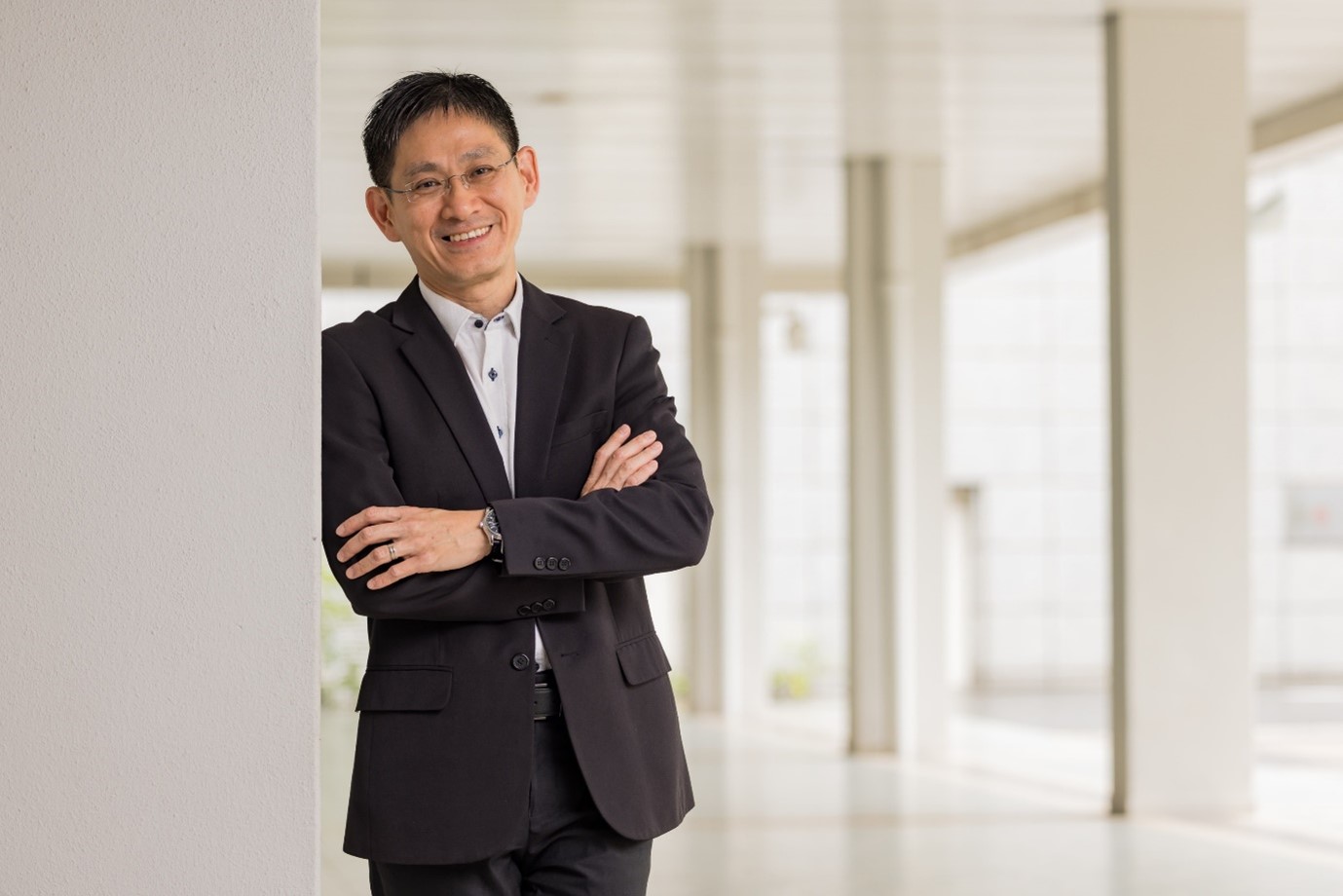
Chua Kuan Seah, Deputy Commissioner of Cybersecurity and Deputy Chief Executive (Development), Cyber Security Agency of Singapore
To download the report “Telco security landscapeand strategies: Asia Pacific”, please click here.
