Breaking Barriers – Closing the Digital Divide
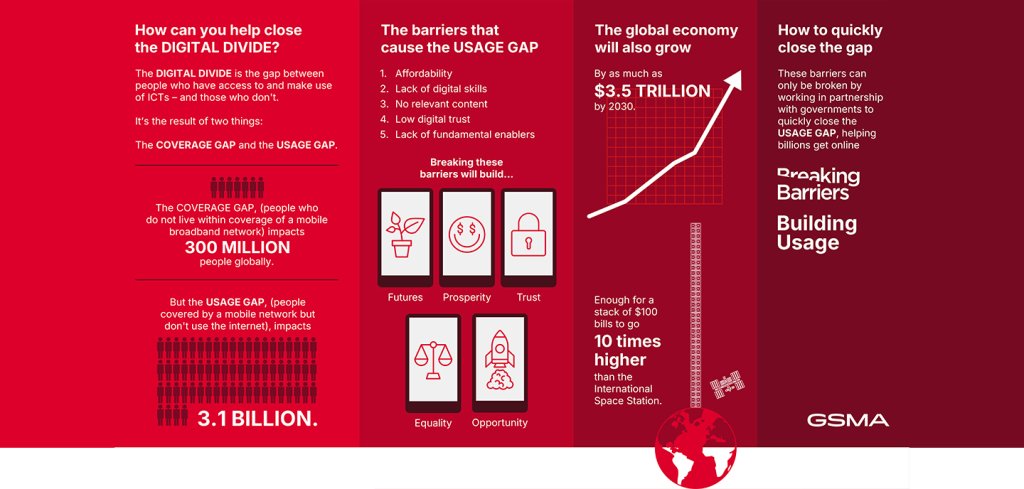
The Digital Divide has two key components:
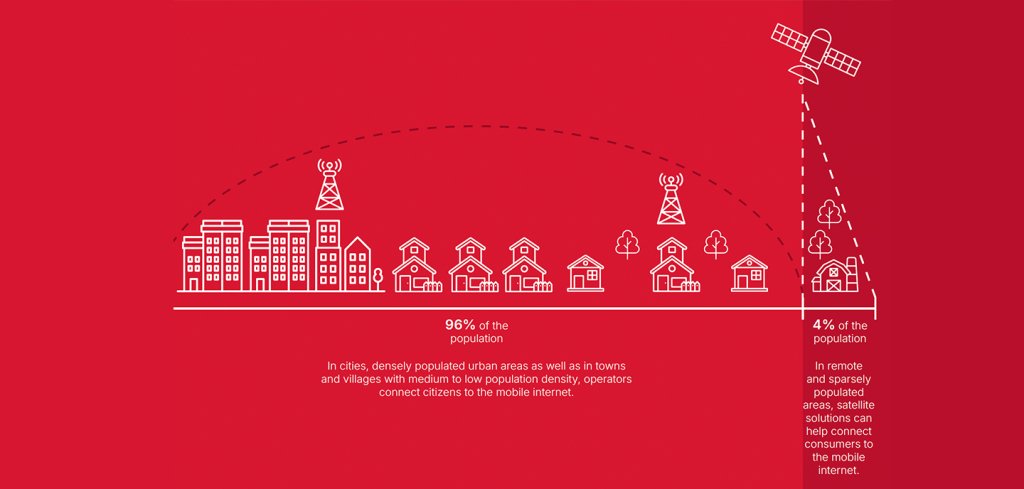
The ‘Coverage Gap’ – People who live in areas without mobile network infrastructure.
The ‘Usage Gap’ – People who live within mobile broadband coverage but do not use it due to various barriers.
What stops people from getting online?
There are five principal barriers that prevent people from using the connectivity already available to them:
Affordability
Inability to afford internet-enabled handsets and other costs beyond ownership such as data plans and services fees
“I sold (my phone) because I wanted to support my family… [at least] we could survive for about three weeks after selling that phone.”
– A woman in Kenya explains how she and her family coped financially during the COVID-19 pandemic.
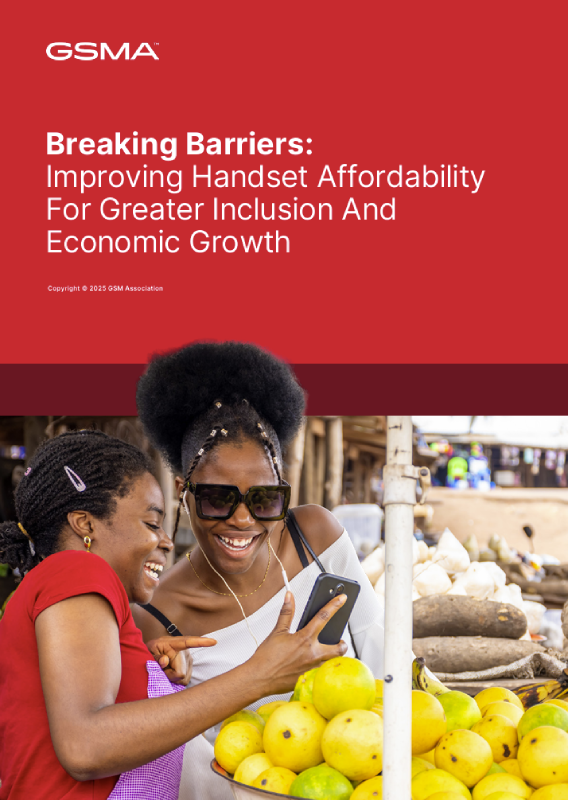
Read our policy paper on how addressing handset affordability can help expand digital inclusion in low- and middle-income countries (LMICs). The paper is designed to help policymakers, governments and telecom regulators turn strategy into action by illustrating how these recommendations are being implemented in diverse global contexts.
Lack of Digital Literacy and Skills
Lack of awareness and understanding of mobile internet, its benefits and uses, as well as lack of literacy, digital skills and confidence
“The internet is for intelligent, educated people. Those of us with half knowledge won’t use it.”
– A woman from urban India highlights the digital skills gap.
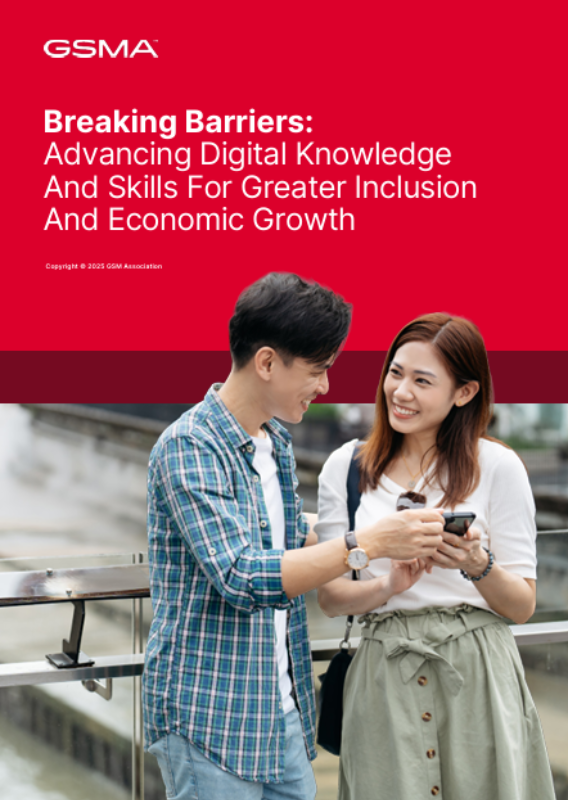
Read our policy paper on how addressing digital knowledge and skills can help expand digital inclusion in low- and middle-income countries (LMICs). The paper is designed to help policymakers, governments and telecom regulators turn strategy into action by illustrating how these recommendations are being implemented in diverse global contexts.
Limited Relevant Content and Services
Lack of relevant content, products and services that meet users’ preferences and needs, including those that are accessible, easy to use and in local languages
“If you don’t have proper English, it can be a barrier… everything is in English. It would be good if there’s something in Sinhala.”
– A Sri Lankan woman comments on the lack of relevant local content, which prevents her from utilising mobile connectivity.
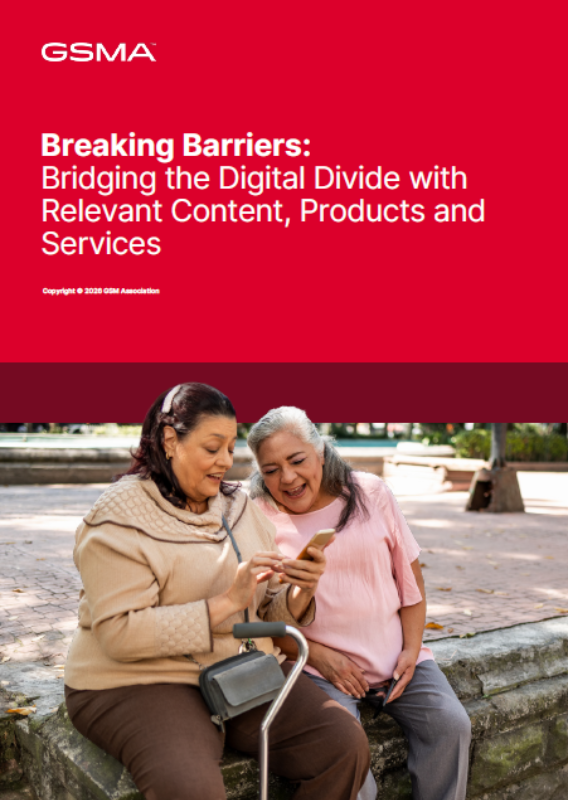
Read our policy paper on how to bridge the digital divide with relevant content, products and services. The paper is designed to help policymakers, governments and telecom regulators turn strategy into action by illustrating how recommendations to address the relevance barriers are being implemented in diverse global contexts.
Concerns About Online Safety
Concerns about the negative aspects and risks of the internet including issues such as harassment, identify theft, harmful content and information security
“We’ve seen girls and boys get in trouble using the internet — girls can get raped or even killed.”
– A man from Bangladesh warns how security fears prevent people from getting online.
Lack of Fundamental Enablers
Lack of access to networks and enablers, such as electricity, formal ID, devices, customer service touch points (e.g. agents), as well as restrictive social norms
“I previously had to walk three hours to another town to charge my phone, but now that there is a mobile charging booth in my village, I’m now able to use my phone and access the internet more often.”
– A Tegea village resident (250 km northwest of Nairobi, Kenya) explains how a lack of access to electricity meant she was only able to use mobile internet infrequently.
Understanding the Coverage Gap vs. Usage Gap
| Coverage Gap | Usage Gap | |
| Definition | The portion of the population not covered by a mobile broadband network. | The portion of the population covered by a network but not using the mobile internet. |
| Size (2024) | About 4% of the global population | About 38% of the global population |
| Primary Cause | Lack of infrastructure (e.g., remote geography, cost of towers) | Barriers like affordability, skills, trust, and relevance |
| Who Can Help? | Mobile operators, satellite providers, and governments building coverage | Policymakers, mobile operators & wider ecosystem, NGOs, tech companies addressing usage barriers |
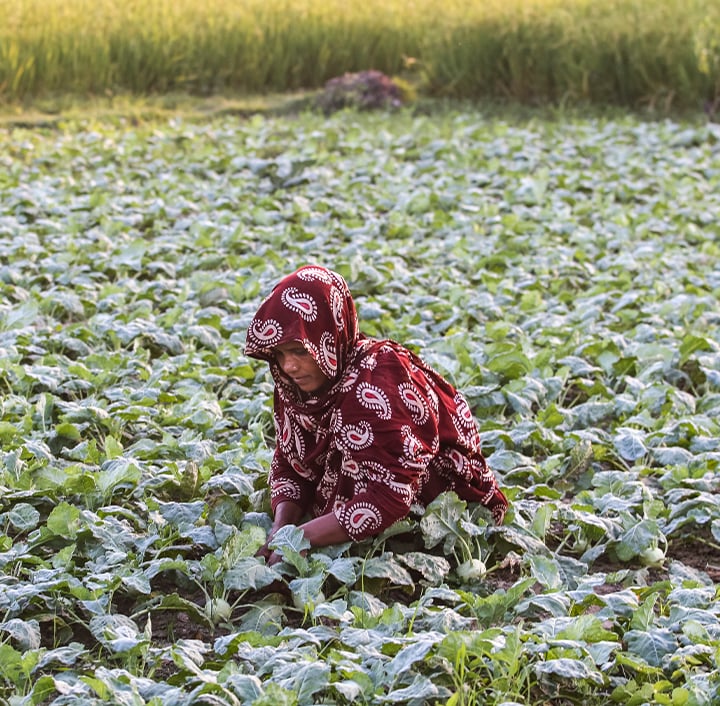
How Can We Close the Usage Gap? – Together
There is no single solution to as big and complex an issue as the Usage Gap and as such, no one entity can tackle it alone. Instead, it will require a concerted, collective and collaborative approach to break these barriers and build usage. Today, the most effective way to close the Digital Divide is to address the Usage Gap.
Mobile Operators
Mobile Operators
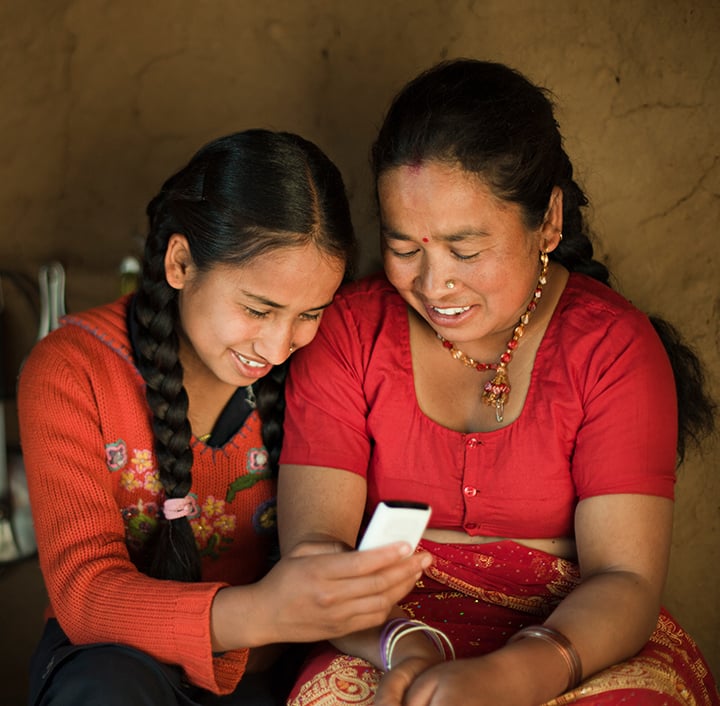
Continue expanding and maintaining infrastructure, especially 4G and 5G networks. Work with manufactures to provide affordable entry-level smartphones and support digital literacy programs.
Satellite Operators
Satellite Operators
Provide alternative and additional options to the consumer market while filling in the last-mile gaps by providing internet access to the most remote regions—where laying fibre or building towers is impossible or impractical.
Policy Makers
Policy Makers
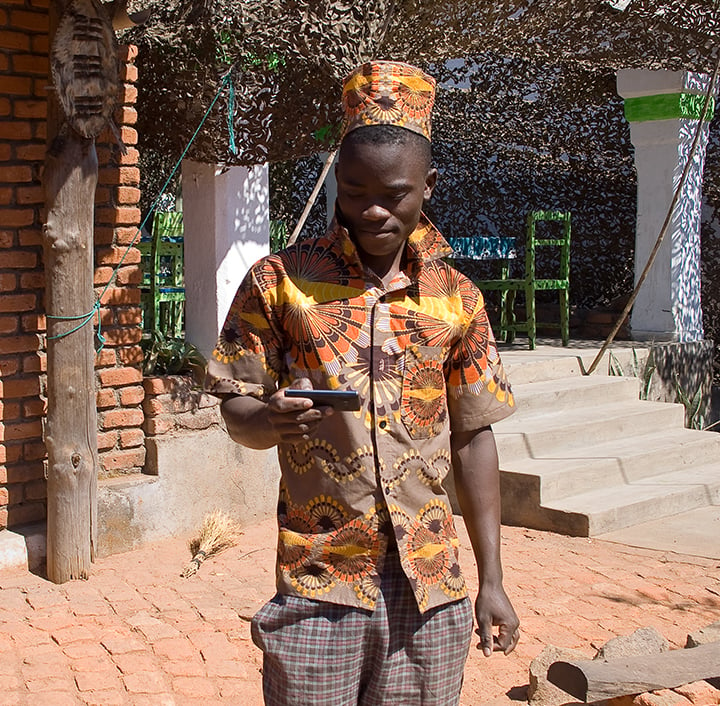
Introduce smart, inclusive policies that reduce tax on devices and data, invest in education, and build trust through policies such as data protection laws.
Local Innovators and Tech Companies
Local Innovators and Tech Companies
Create relevant and local-language content, services that meet real community needs, and platforms that are simple, secure, intuitive and empowering.
Key Resources
Closing the Digital Divide
A mobile industry perspective

Advancing Digital Knowledge and Skills for Greater Inclusion and Economic Growth
Improving Handset Affordability For Greater Inclusion and Economic Growth

The Impact of Financing Schemes on Handset Affordability