


Each year, MWC Barcelona showcases the latest advances in technology, where emerging trends in mobile innovation are shaping the future. Across the exhibition halls, extended reality devices, autonomous vehicles, and robotics powered by artificial intelligence demonstrate a growing appetite for data. Amidst this atmosphere, a consistent message flows from the Congress floor to the Ministerial Programme: the need for additional spectrum at the right price and conditions to deliver these new technologies. As governments and regulators gather to discuss the path forward, important questions arise: when and how will countries respond to this challenge?
A shifting policy trend

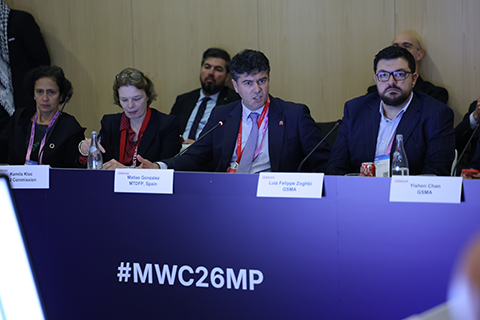
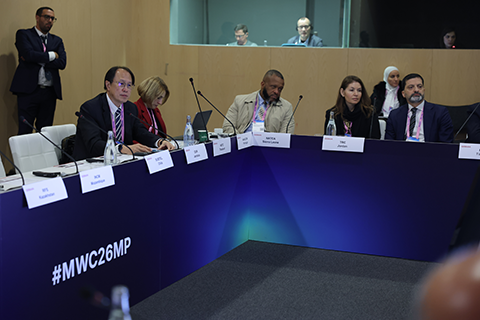
Ensuring that spectrum is accessible when needed and at prices that promote investment is vital to meet increasing network demand, prompting some countries to revise their strategies in recent years. There are many examples of this. Costa Rica’s 2025 multi‑band 5G auction linked spectrum fees to investment, allowing operators to pay up to 90% of their obligations through rural 4G/5G deployments that expanded coverage across hundreds of underserved districts. Since 2021, Brazil has been able to rapidly grow its 5G networks and adoption because of longer licence terms and practical coverage obligations which illustrate a policy approach focussed on expanding connectivity rather than prioritising high upfront fees.
Similarly, Spain extended licenses for long durations without additional costs, obligations or charges beyond existing annual fees. Some countries, like Austria and Colombia, have given operators a greater role in shaping obligations so they can extend coverage in a way that is economically sustainable and as a discount during the auction process.
A new era of assignments

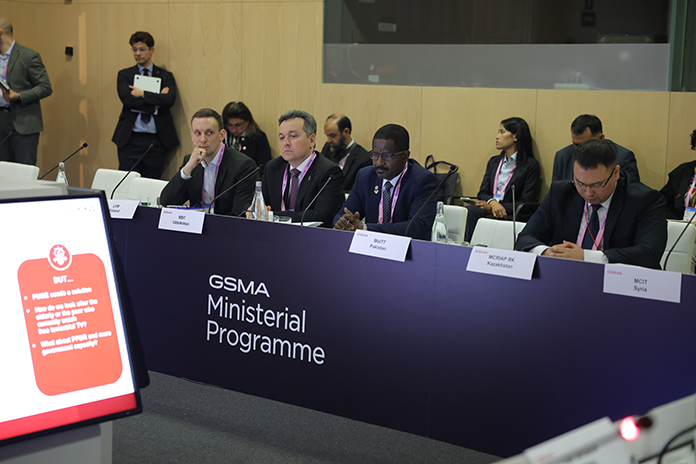
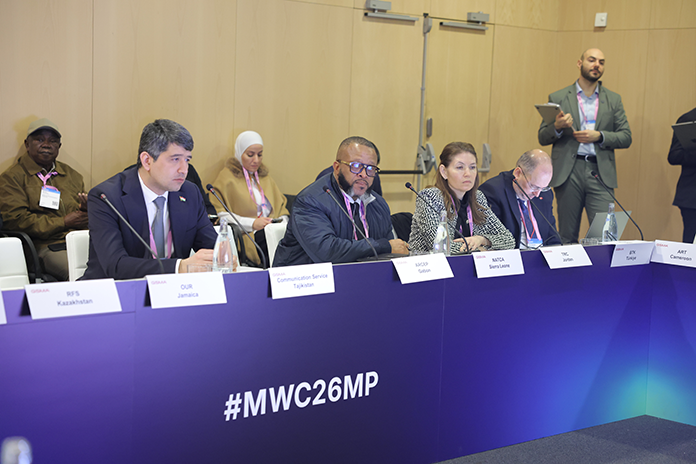
Numerous countries have observed the positive outcomes of assignment policy changes and are now adopting similar approaches. In South and Southeast Asia, we are beginning to see this trend manifest as India begins to focus on how to design future auctions to promote investment rather than attach unrealistic obligations on mobile operators. Meanwhile, Bangladesh has outlined plans to reduce prices for future auctions, while Pakistan and Vietnam successfully showed that lower reserve prices can lead to optimal auctions.
The theme of lower prices continues as countries such as the Dominican Republic, Mozambique, Nigeria and Sierra Leone have signalled that they intend to assign new spectrum for mobile with lower prices and balanced obligations. Peru has also recently awarded the 3.5 GHz band to support its 5G rollout, reducing upfront fees in exchange of commitments.
The proposed European Digital Networks Act also shakes-up how spectrum is licensed and priced. The Act includes provisions for spectrum licences that are indefinite by default, coupled with an award design that encourages network investment and a common methodology for reductions in both annual fees and reserve prices as a result.
The MWC Ministerial Programme brought countries together to discuss these solutions and highlight best practice. As the conversations underline, the question is not only whether more spectrum is needed, but how it is licensed and priced in practice. The approaches seen in Costa Rica, Brazil, Spain and elsewhere suggest that longer and more predictable licence terms, proportionate fees, and balanced obligations can make it easier for operators to focus on coverage and network investment.
This new era of assignments is characterised by regulators increasingly adopting transparent processes and innovative renewal mechanisms to align with national connectivity goals. This policy shift can help ensure that the innovations on the MWC show floor can translate into better connectivity in everyday life.
Read more spectrum insights from MWC26 here.