


MWC Barcelona was a celebration of 5G. It is nearly seven years since, in May 2018, three Middle Eastern operators all launched commercial 5G services in the same week. As the structures of mobile telecom organisations shift towards understanding the requirements of connecting the world in the 2030s, the Ministerial Programme at MWC celebrated policies and practices which have driven 5G leadership so far.
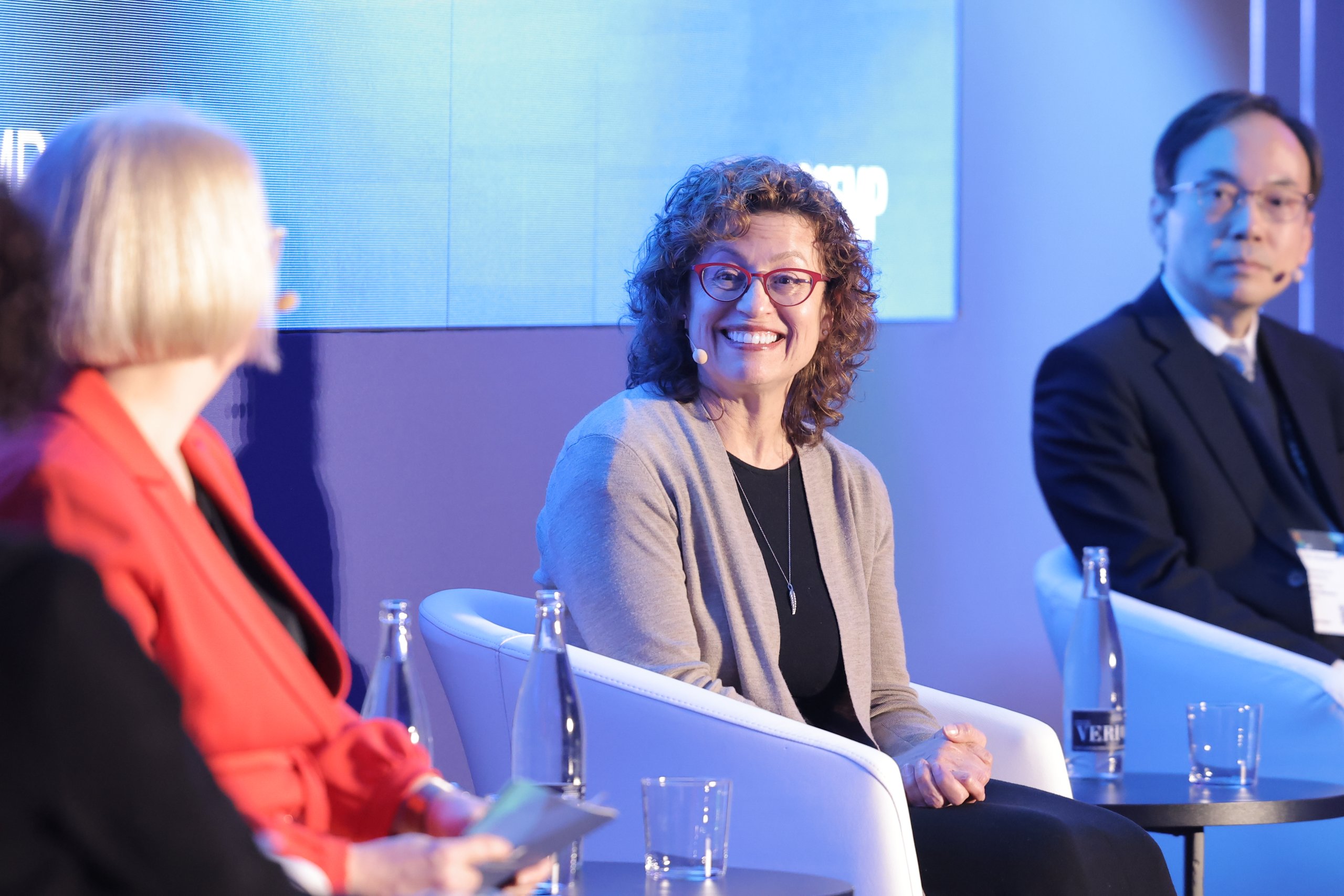
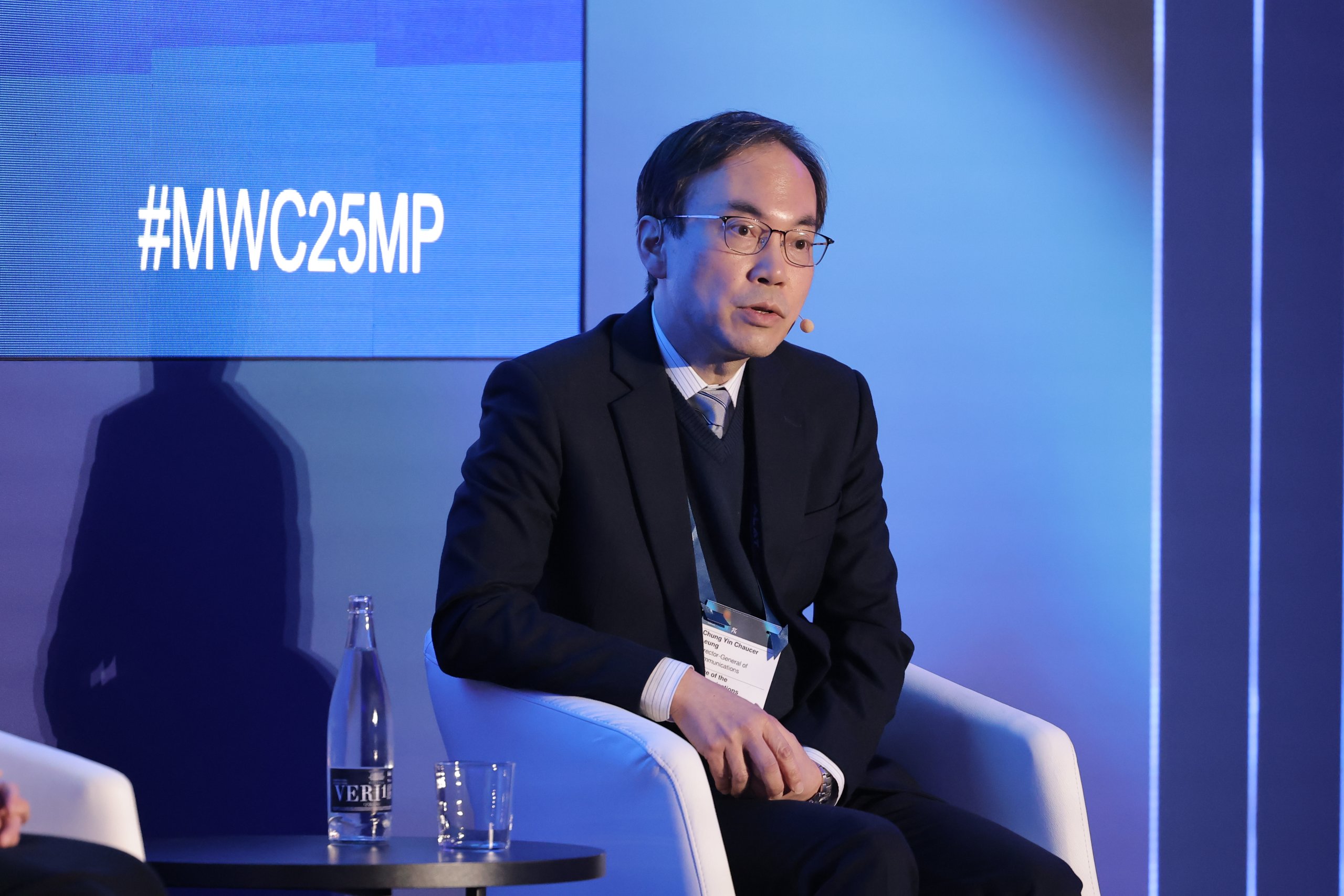
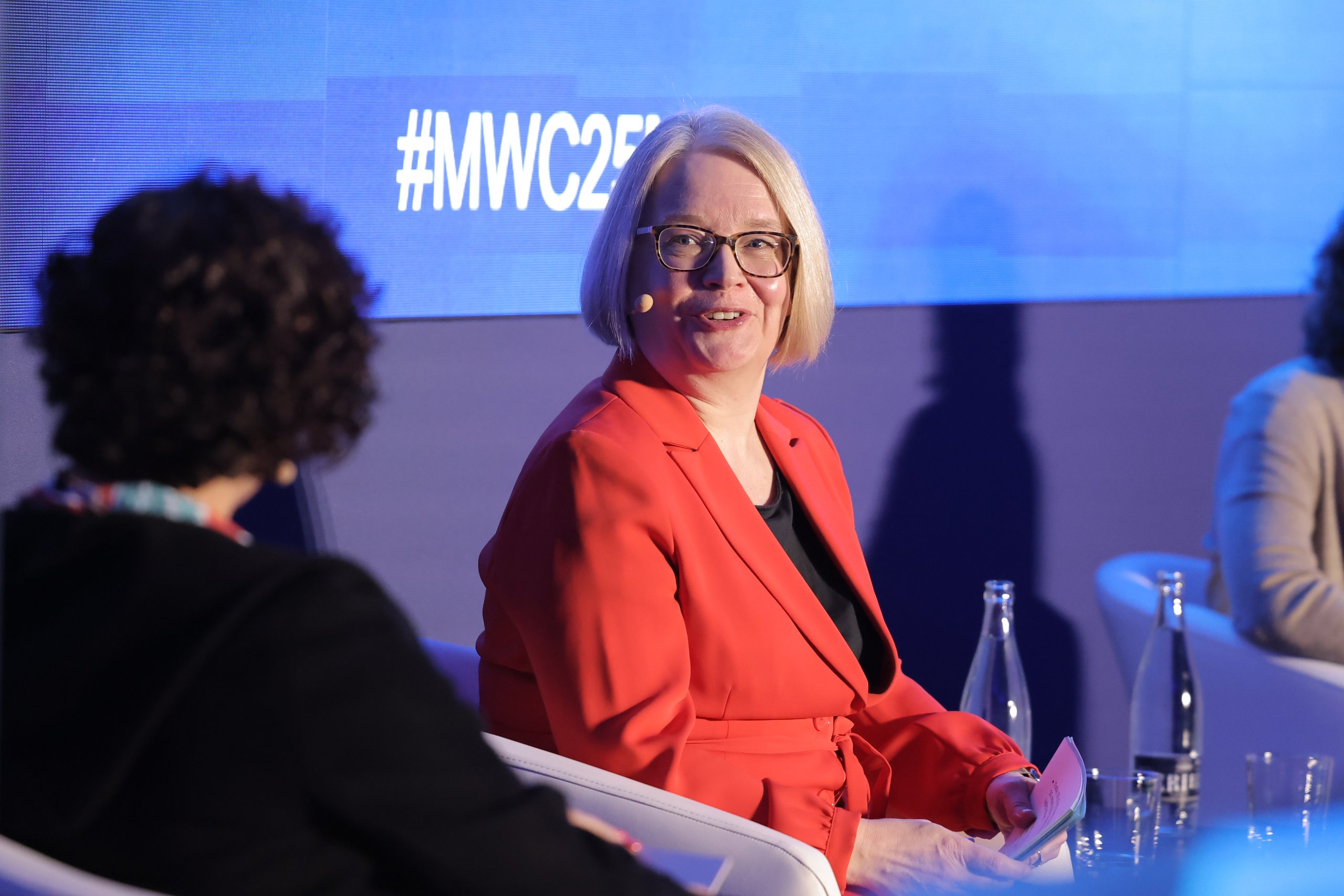
The GSMA 5G Connectivity Index highlights countries which have excelled in the 5G era and outlines their development on 5G infrastructure and service. The Ministerial Programme panel Spectrum Decisions: What Will it Take for 5G Success brought in government officials from three countries near the top of the index: Finland, the US and Hong Kong. Anna Gomez, commissioner at the US FCC, underlined the value of spectrum decisions: “We never let the foot off the gas when it comes to finding new spectrum,” she said of one of the reasons behind US 5G leadership.


Luciana Camargos, the GSMA’s head of spectrum, outlined the impact that connectivity will have on growing the global economy. Mobile’s contribution to GDP will be US$11 trillion by 2030 in an era when 91% of users will be on a smartphone, with the majority on 5G. To realise this economic potential, it is necessary to remove constraints from spectrum and ensure that sufficient supply continues to meet demand.
Cindy Cook, Ericsson’s head of spectrum, showed the pathway from 5G to 6G and the spectrum requirements that governments need to put in place to facilitate mobile evolution. “Growth in the mobile sector is incumbent on the availability of harmonised spectrum and technical conditions,” she said. Cindy made particular mention of the 6 GHz band, the next step in mobile capacity in many countries around the world.
2,183,218,670 and counting
5G connections passed the 2 billion mark at the end of 2024, and the overall percentage of connections limited to 4G began to fall. 5G is thus moving towards maturity, although it won’t overtake 4G overall for another three years.
The spectrum journey has been vital to this. Chaucer Leung, director general of OFCA Hong Kong, said: “Making available suitable spectrum through early planning, refarming and relocation of existing assignees is a key success factor for 5G development in Hong Kong.”
This theme was echoed by other panellists, who discussed the importance of clear dialogue and long-term planning to establish robust spectrum plans.
Minna Kivimäki, permanent secretary at the Finnish ministry LVM, said: “I believe several factors have contributed to Finland’s 5G deployment success. Among them are proactive spectrum policy, good dialogue between the sector and spectrum authorities, and strongly encouraging and enabling R&D and innovation.”
Governments and digital inclusion
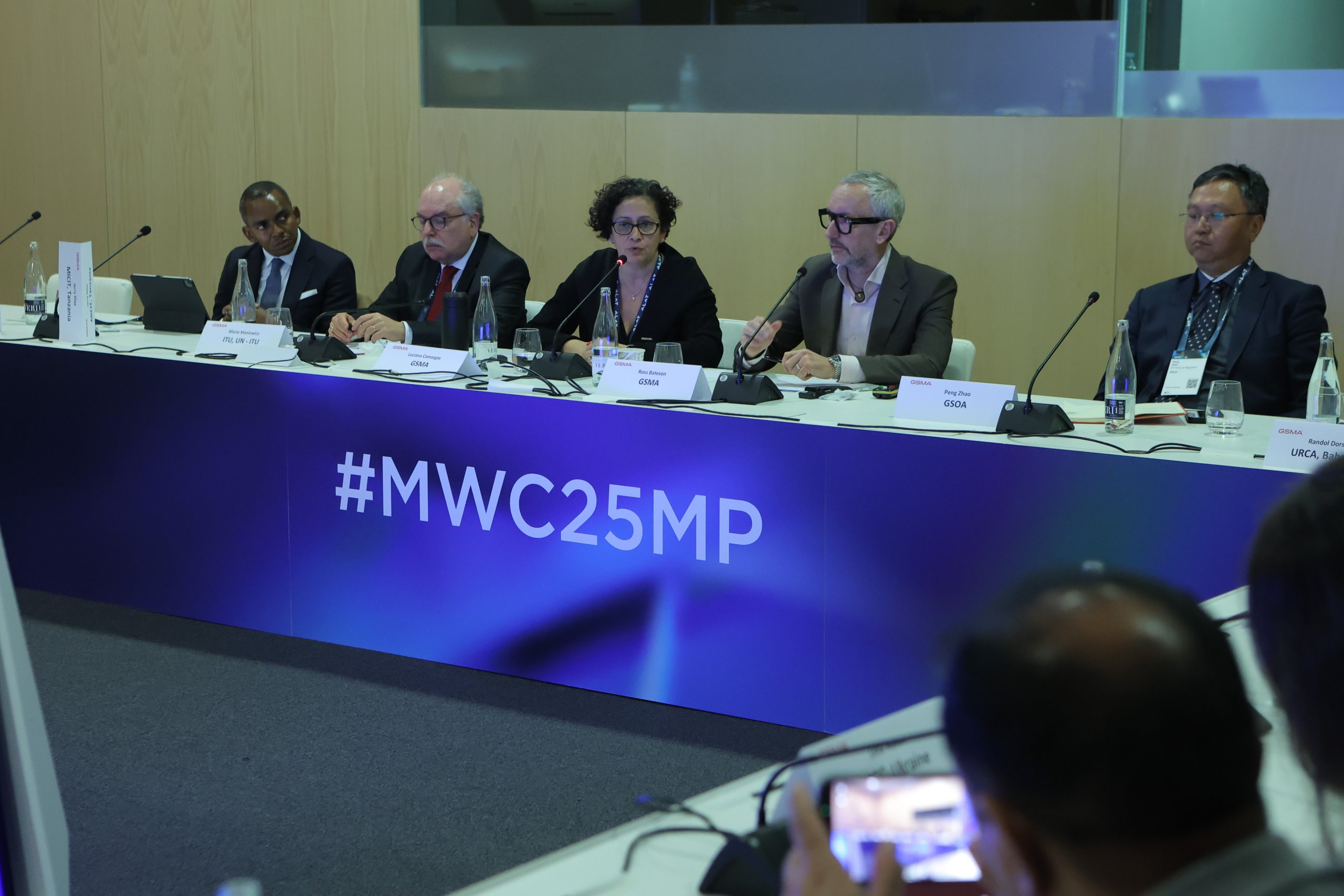

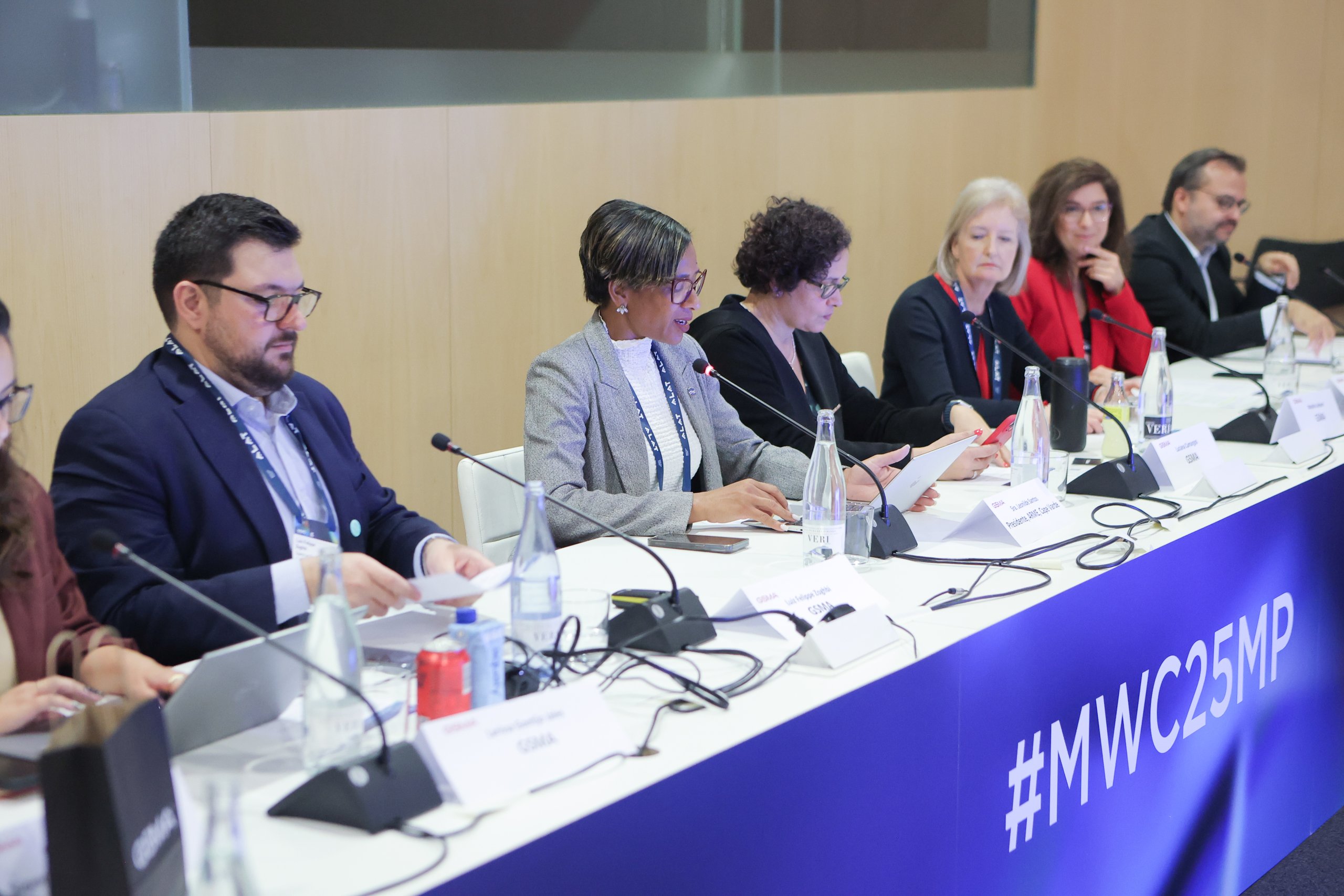
The GSMA also brought governments together to talk about the role they can play in digital inclusion. Mobile operators are offering data at prices 96% lower than they were ten years ago, but governments around the world have not reduced in line with this. Overall, there has been a 65% increase in the cost of spectrum compared to operator revenues between 2014 and 2024, which harms network investment and decreases the coverage and quality of mobile services.
Panellists at the Ministerial Programme discussed how to combat this and the importance of administrative pricing to ensure spectrum is used to maximise growth.
“In today’s turbulent economic landscape, mobile broadband can act as a lifeline for growth,” said GSMA’s Luciana Camargos. “Sound spectrum policy will help return us to an era of prosperity.”
Read takeaways from all spectrum sessions at Ministerial Programme 2025
- Unlocking 6 GHz for mobile
- Spectrum challenges for direct-to-device (D2D) satellite connectivity
- Affordable spectrum prices as a driver for equality
- Download all spectrum resources here
- Read more takeaways from the Ministerial Programme here