


The inaugural Policy Leaders Forum at MWC Shanghai enabled global dialogue on the future of mobile connectivity. Spectrum policy as an enabler of economic development, inclusion, and innovation was among the themes and discussions, underscoring the need for forward-looking policies to support emerging technologies.
Spectrum challenges for D2D

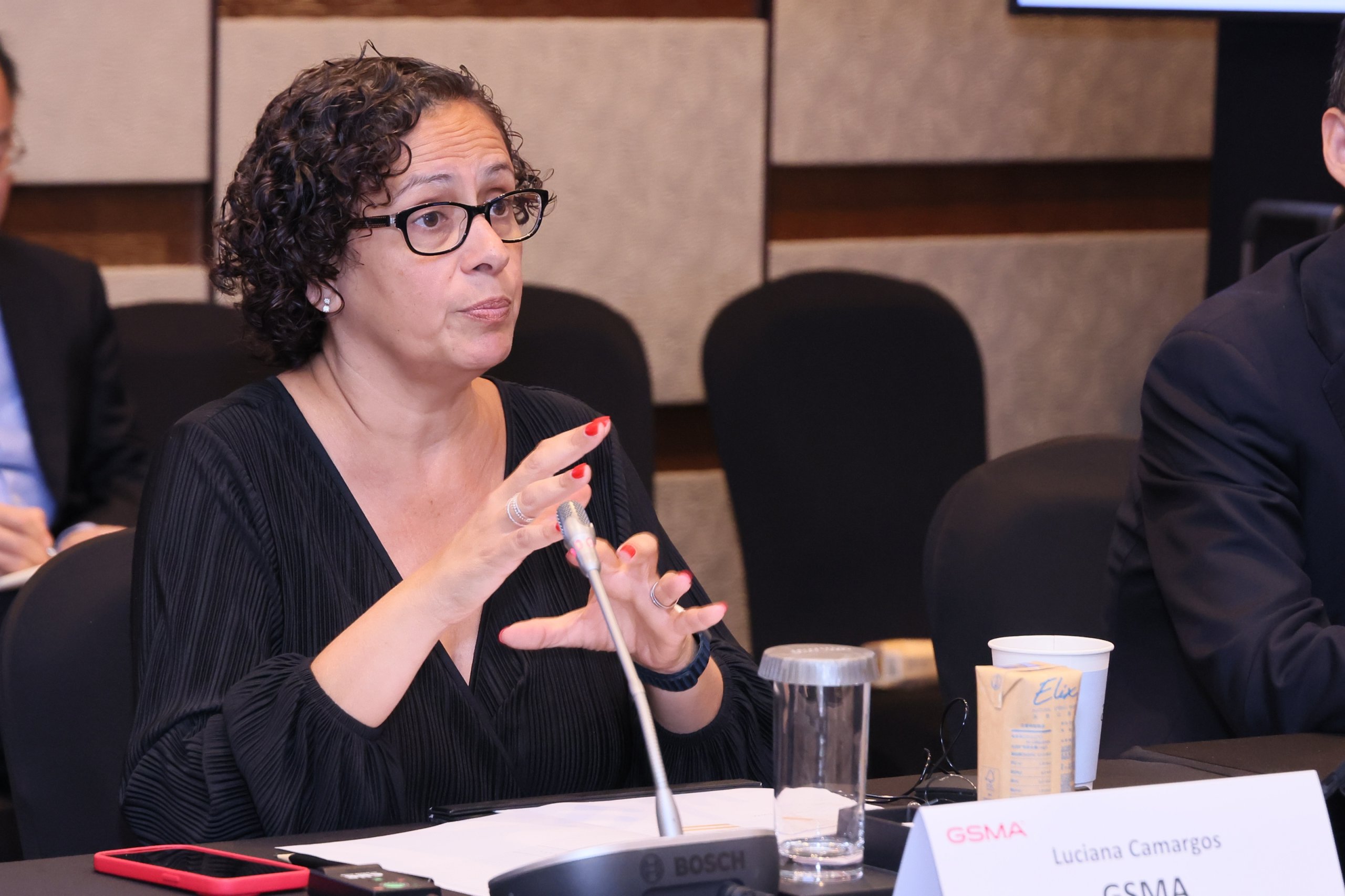

The roundtable on direct-to-device (D2D) connectivity from handsets to satellites focused on the emerging promise of D2D technology, which aims to bridge the final gaps in global coverage by connecting standard mobile devices directly to satellites.
D2D offers a solution to cover the final 4% of the global population not currently served by mobile networks, as well as uncovered and uninhabited areas. However, particularly regarding regulation on spectrum use and interference management, this is still being defined.
The roundtable discussed the two potential spectrum pathways for D2D:
- Mobile Satellite Services (MSS) spectrum (satellite bands)
Pros: Operates within an existing international regulatory framework.
Cons: Limited to a small subset of devices, and services are restricted to low-data applications such as SMS and SOS. - IMT spectrum (mobile bands)
Pros: Enables D2D on existing, unmodified smartphones.
Cons: Lacks an established international framework.
The session clarified that while D2D is a promising technology for remote connectivity, it demands urgent regulatory attention to ensure it supplements terrestrial networks without undermining spectral efficiency or causing interference.
6G for inclusive AI
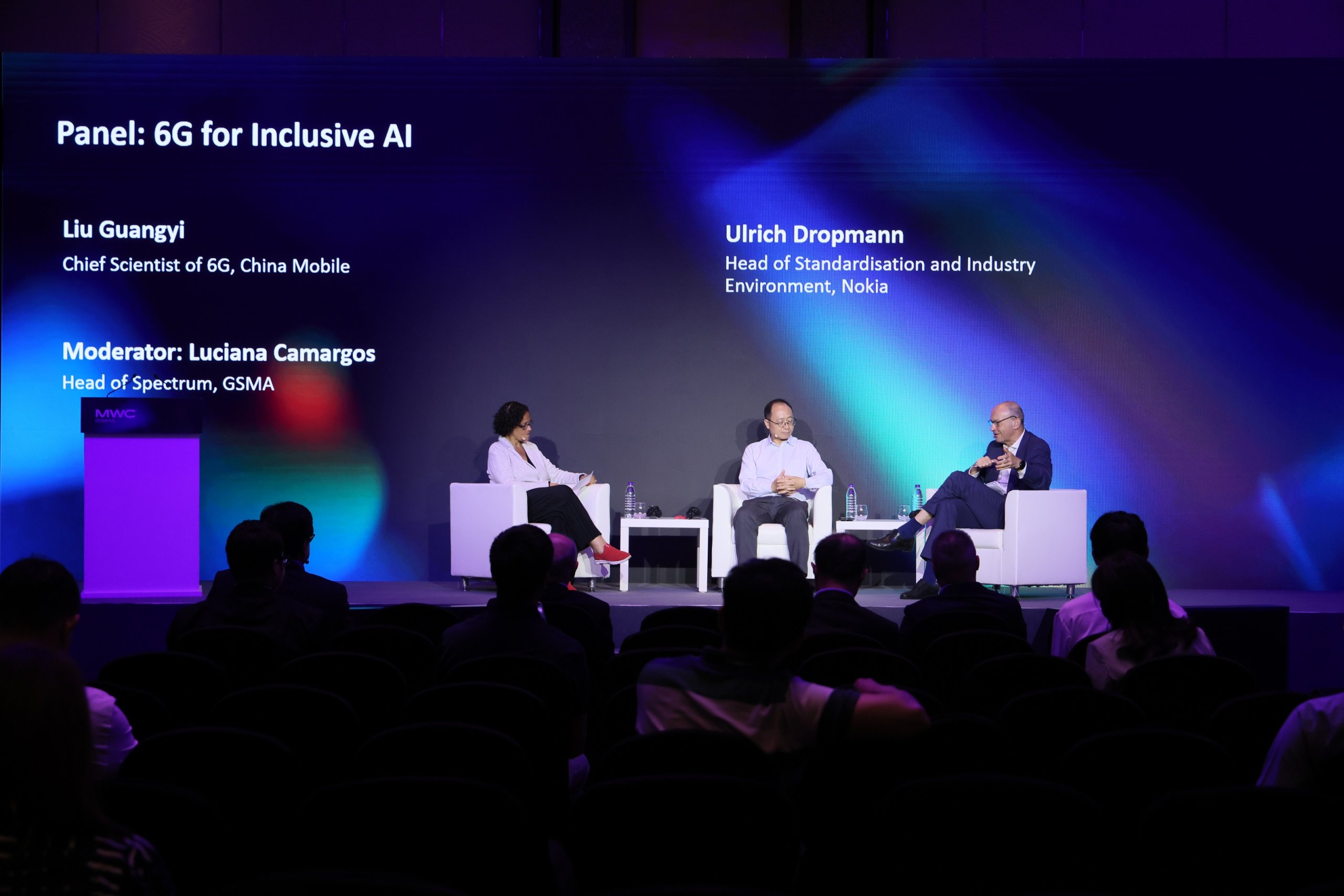
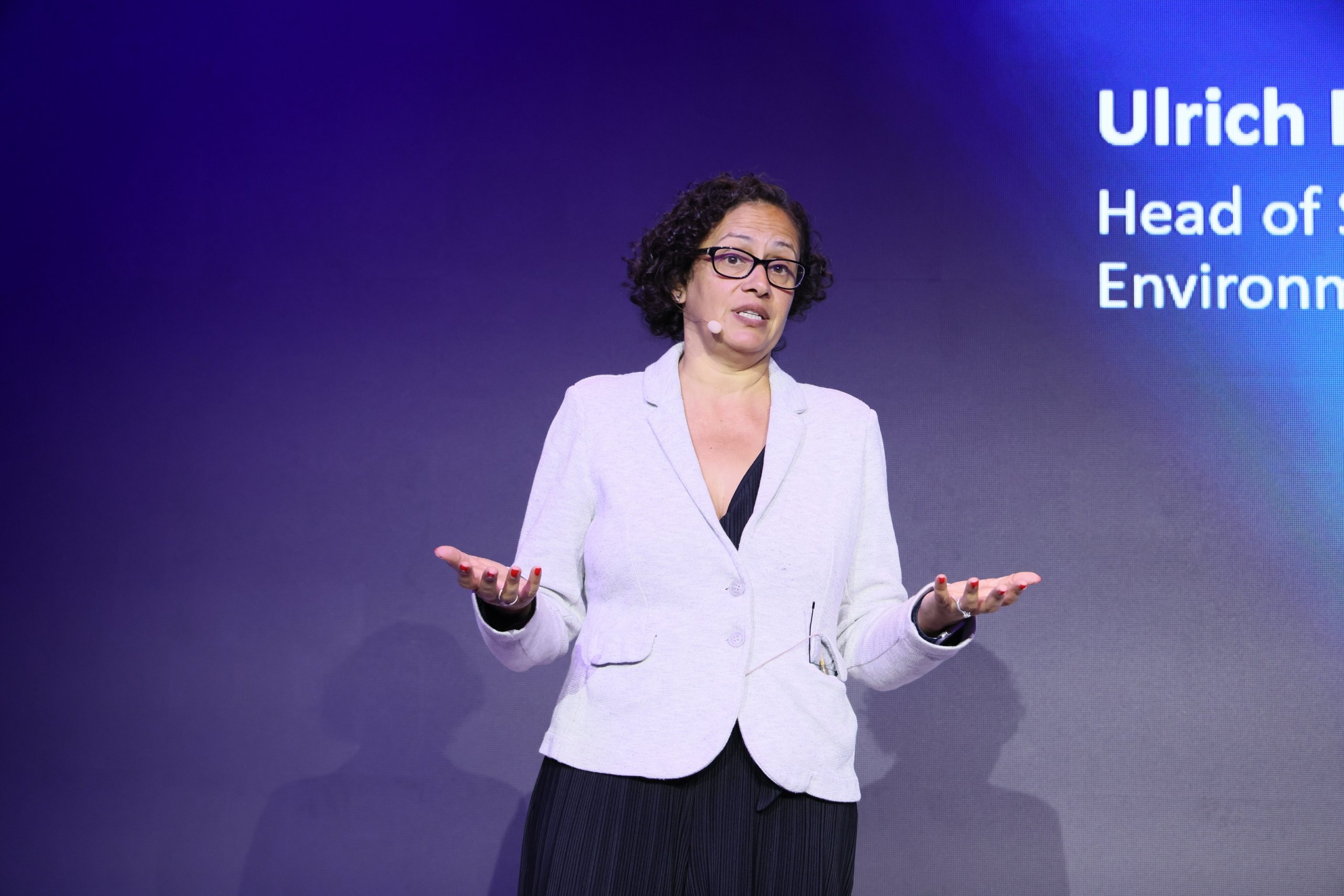
The subsequent spectrum debate in the main auditorium explored the intricate interplay between AI development and next-generation mobile networks, particularly through the lens of spectrum planning.
Luciana Camargos, GSMA’s Head of Spectrum, reminded delegates that while 6G may seem distant, the groundwork must be laid now. Spectrum planning is a long-term endeavour, and harmonised global roadmaps are critical to avoid future fragmentation and inefficiencies.
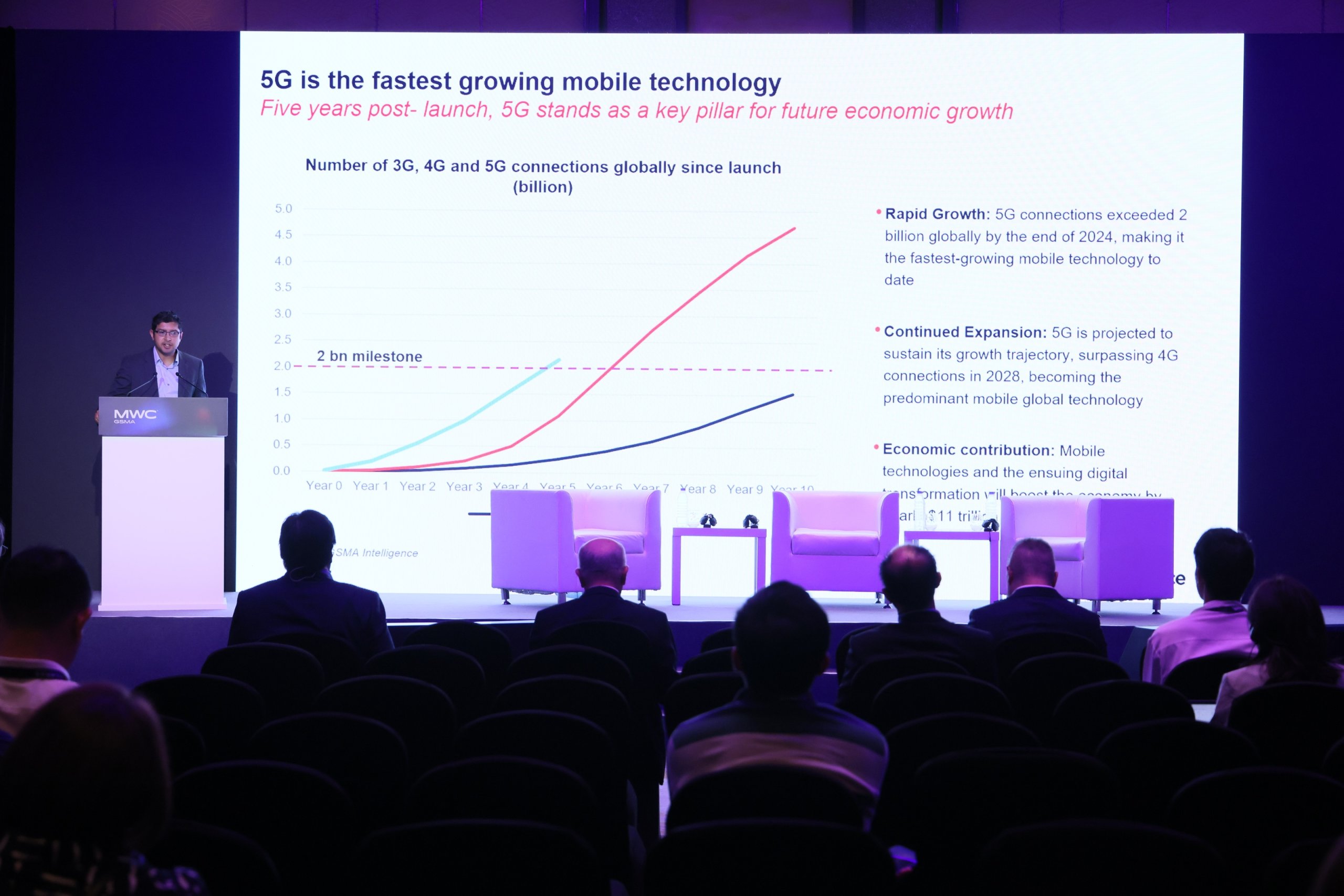
Kalvin Bahia, Senior Director of Economics at GSMA Intelligence, noted that 5G is the fastest-growing mobile technology in history and is expected to become the dominant standard by 2028. Looking ahead to 2030 and beyond, 6G networks are expected to enable new use cases, enhance existing applications, and deliver ubiquitous connectivity. On the supply side, they must be more efficient, AI-integrated, and capable of multi-RAT (Radio Access Technology) spectrum sharing.
A panel discussion featuring Ulrich Dropmann, Head of Standardisation at Nokia, and Liu Guangyi, Chief Scientist of 6G at China Mobile, further examined how AI is already reshaping network architecture. Traffic is expected to grow annually at a rate of 19–28%, primarily driven by the adoption of AI. Already, AI is enabling dynamic configuration and data rate compression, leading to energy savings and better network utilisation. However, looking ahead, AI agents may become some of the largest consumers of network traffic, potentially reshaping demand patterns entirely.
To meet these demands, the panellists stressed the need for additional spectrum, particularly in the 6–8 GHz range, and wider 400 MHz channels to support 6G capabilities.
A call for spectrum leadership
The message throughout the day was consistent: spectrum is central to the future of mobile innovation, and decisions made today will determine whether emerging technologies, such as D2D connectivity, 6G, and AI-enhanced networks, deliver on their full potential. The GSMA Spectrum team’s engagement at MWC Shanghai 2025 reinforced the importance of early, collaborative planning among regulators, industry, and multilateral institutions. Whether it’s extending coverage to the last frontier or preparing for the exponential demands of future AI applications, spectrum policy is foundational.