



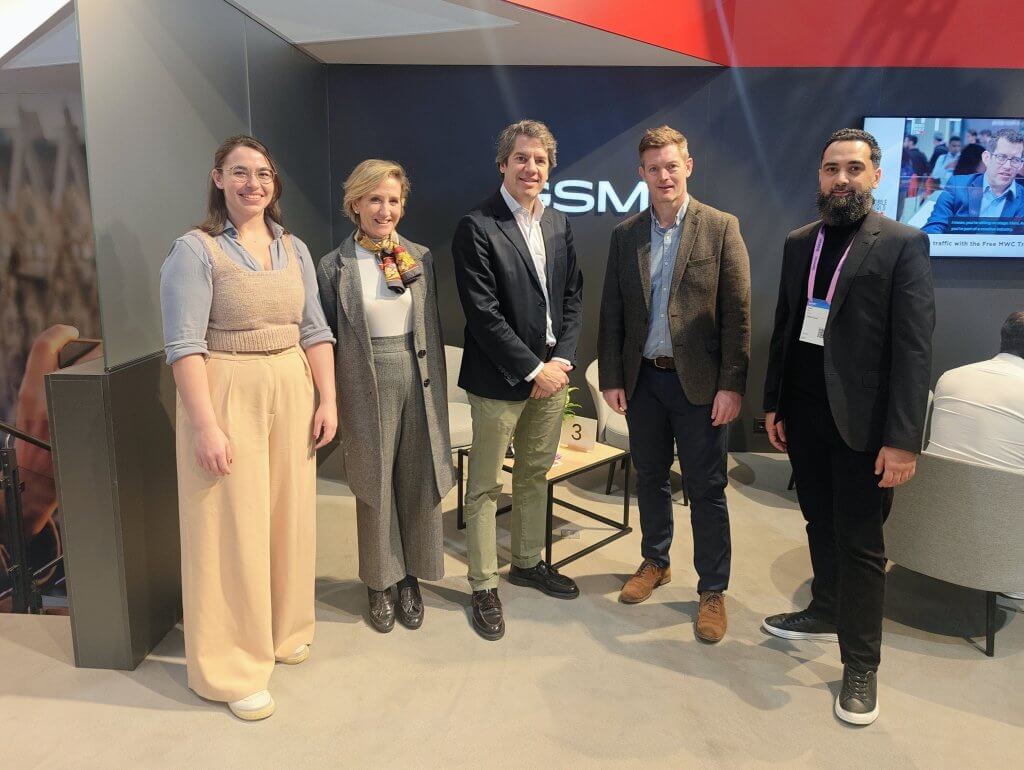
Quantum computing is attracting growing attention across the telecom industry. Yet for many operators, the most important question is no longer whether it matters, but how to assess its relevance, identify near-term value, and decide where to start. The collaboration between GSMA and QCentroid, announced at MWC Barcelona, is designed to address these questions – helping operators move from awareness to practical readiness through structured guidance and experimentation.

Why this collaboration matters
A growing gap between interest and action is emerging across the industry.
Telecom networks are among the most complex systems in the world, spanning spectrum management, resilience, security, and energy efficiency.
Quantum technologies offer new ways to address these challenges. However, industry readiness remains uneven.
According to a recent GSMA Intelligence report, 60% of operators already include quantum technologies in their roadmap, while 40% still have no plans, highlighting a clear gap between awareness and action. At the same time, only 12% have active deployments or expect to deploy within the next 12 months, with most taking a longer-term view.
This signals a critical moment: the industry needs more than vision. It needs actionable guidance to move forward
This collaboration is designed to provide exactly that – combining GSMA’s ecosystem leadership – covering operators, vendors, and innovators – with QCentroid’s execution‑ready experimentation platform.
Together, they create a more credible, lower-risk pathway for quantum exploration.
Supporting a realistic path to quantum readiness.
The collaboration between GSMA Foundry and QCentroid is centred on enabling readiness for quantum computing via use case qualification, economic impact assessment, and practical implementation guidance.
QCentroid, headquartered in Bilbao, Spain, provides an enterprise Quantum Ops platform that enables organisations to define, benchmark and orchestrate hybrid quantum‑classical optimisation workflows across CPUs, GPUs and multiple quantum backends – helping teams make evidence‑based decisions in today’s pre‑quantum‑advantage environment. An integrated AI Copilot accelerates the journey from use‑case definition to execution‑ready experimentation. For GSMA, this collaboration forms part of a broader effort to help the telecom ecosystem engage with quantum technologies in a way that is useful, relevant, and grounded in industry needs. By combining ecosystem coordination, strategic framing, business context, and member engagement with hands-on experimentation support, the partnership is intended to help operators move from general interest to clearer implementation thinking.
A phased approach for the telecom operators
A structured, low-risk pathway helps operators build confidence over time.
The collaboration has been designed as a staged journey the first phase of which addresses Understanding and prioritisation – through a Quantum Implementation Playbook. Future plans may involve, guided experimentation through masterclasses, sandbox and supporting further ecosystem learning with a GSMA Quantum Innovation Hub.
The Quantum Implementation Playbook provides a starting point – helping operators understand implementation pathways, costs, and business implications without requiring immediate large-scale investment.
The strategic importance of this collaboration is supported by GSMA Intelligence reporting: among operators with quantum technology investment in their roadmap, the two most significant barriers are technology immaturity and lack of internal skills.
As the programme evolves, operators can move into hands-on experimentation and capability building in controlled environment.
Why this is relevant for telecom operators
Early preparation creates long-term strategic advantage.
Over 75% of operators believe quantum technologies will boost network security and efficiency, yet most deployments remain early-stage – only 5% of operators have progressed to an early adoption phase.
This highlights the need for structured support.
Through the Playbook, operators can gain greater visibility into implementation steps, hardware and vendor considerations, business implications, and economic context. Through later phases, they can explore use cases in a controlled setting, develop internal capability, and build a stronger foundation for future decision-making.
In an emerging field like quantum computing, readiness – not speed – is the key differentiator.
The collaboration also delivers impact at an industry level. As the programme develops, new use cases, benchmarks, member feedback, and implementation learnings can contribute to a growing shared telecom resource. That can help the wider ecosystem build a realistic view of where quantum technologies may create value, where challenges remain, and how readiness can be collectively strengthened.
GSMA’s role in shaping the conversation
Collaboration is essential to turn emerging technology into industry capability. As a convening body for the global mobile ecosystem, GSMA actively shapes how the telecom industry engages with emerging technologies – bringing operators, vendors and researchers together to define the right questions, share evidence, and reduce risk.
The collaboration with QCentroid builds on that mission by combining ecosystem leadership with a controlled experimentation environment that can help translate discussion into strategic understanding.
Quantum computing is a topic of increasing interest across the telco sector, but GSMA members need clarity on the expected impact,” said Richard Cockle, Head of GSMA Foundry. “This project with QCentroid will offer valuable insights on the economic benefits, implementation pathways, and realistic guidance for members considering the first steps.
According to Carlos Kuchkovsky, Co-Founder & CEO, QCentroid:
” GSMA and QCentroid share the same conviction: accelerating quantum computing adoption in telecom requires giving operators the right tools to move forward. By combining ecosystem leadership with hands-on experimentation, we’re delivering what the industry needs: playbooks, best practices, and a practical path from curiosity to real capability.”
Looking ahead
Quantum adoption is gradual – but preparation must start now.
Over the next 2-5 years, adoption of quantum technologies is expected to accelerate as capabilities mature and business models evolve.
That is what this collaboration is intended to support: an implementation-focused pathway for operators to build understanding, explore relevant quantum computing use cases, and develop maturity in a way that is grounded in business reality and shaped by ecosystem learning.
As quantum technologies continue to evolve, the organisations that invest early in knowledge, experimentation, and strategic preparation will be better placed to evaluate future opportunities with confidence.
Quantum readiness does not start with adoption, it starts with understanding, prioritisation, and the confidence to explore in a low‑risk environment.
Get involved
Telecom operators interested in building practical quantum readiness are invited to engage with the GSMA and QCentroid collaboration through the GSMA Foundry. By contributing to the development of the Quantum Implementation Playbook, operators can help shape actionable implementation guidance, identify priority use cases, and support a more informed and collaborative approach to quantum computing’s across the telecom sector.
Get in touch: foundry@gsma.com