


Thursday 14 May, 2026
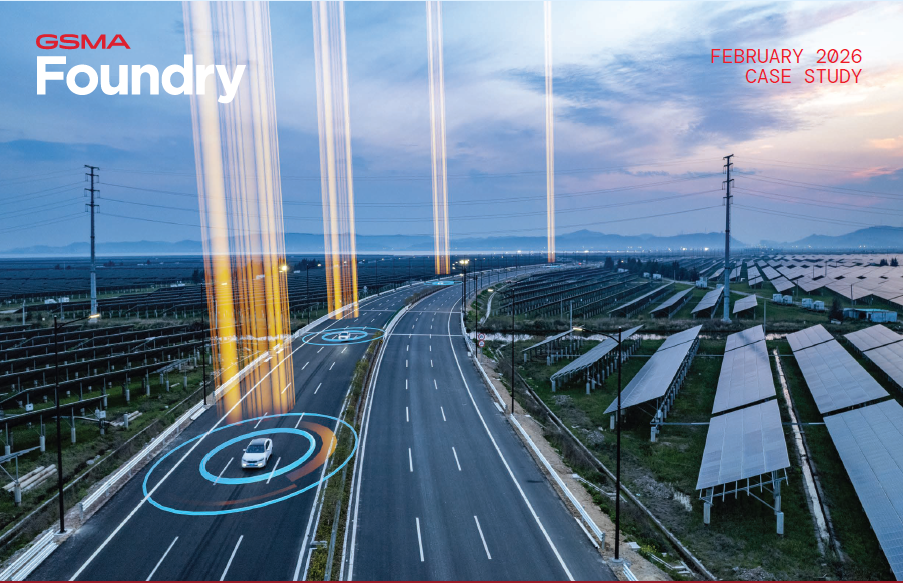
Connected vehicles increasingly depend on continuous network access to support navigation, safety alerts, remote diagnostics, and emergency services. This GSMA Foundry case study examines how direct-to-device (D2D) satellite connectivity is extending reliable communications beyond terrestrial cellular coverage, ensuring vehicles remain connected across highways, rural routes, and cross-border journeys.
Using 3GPP standards-based non-terrestrial networks (NTN), Skylo Technologies enables seamless switching between cellular and satellite connectivity through existing automotive chipsets and telematics control units (TCUs). Integrated directly into vehicle firmware and supported by unified eSIM technology, the solution allows connected vehicles to automatically maintain service continuity without additional hardware or driver intervention.
Live demonstrations conducted with leading ecosystem partners including BMW, Deutsche Telekom, Qualcomm, HARMAN, Cubic³ and Viasat showcased commercially available vehicles maintaining real-time connectivity via satellite. The trials demonstrated bidirectional emergency messaging, hazard alerts, and navigation updates operating seamlessly as vehicles transitioned between terrestrial and satellite networks.
By enabling always-on connectivity using standard SIM and roaming frameworks, satellite integration is positioning vehicles as continuously connected digital platforms. The approach supports enhanced driver safety, fleet management capabilities, and emerging autonomous and industrial mobility use cases while opening new service and revenue opportunities for automakers and mobile operators.
Download the full case study to explore how satellite connectivity is enabling always-connected vehicles and accelerating the future of global automotive connectivity.
Project Resources
