


Over the past two years, the GSMA has been working with a select group of Mobile Network Operators (MNOs) to mobilise and catalyse commitment to gender inclusivity as an imperative for better business, employee, and community impact outcomes. A core part of this work revolved around developing, testing, and implementing the EQUALS Gender Inclusivity Index: an assessment tool for companies and organisations to evaluate the state and progress of gender transformation across their internal and external operations and activities.
More than a diagnostic tool, the Index was designed to prompt reflection, encourage dialogue, and guide organisations through this process. Supplemented by a series of deep-dive webinars, a pilot of the Index was carried out with MNOs across several regions. The results demonstrate both encouraging progress and remaining challenges in translating gender inclusivity from policy into practice.
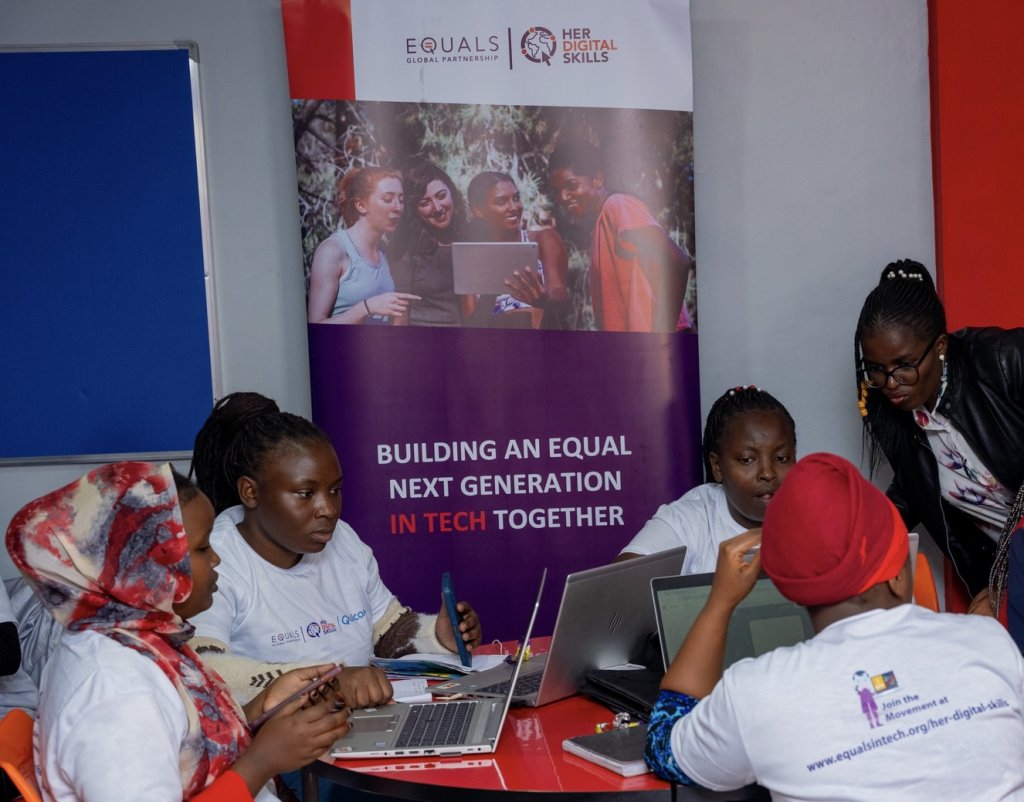
MNOs shared examples of embedding inclusive language throughout their organisations and activities, creating women’s leadership pipelines, investing in STEM education for girls and women, and ensuring workplace flexibility for caregivers. Case studies from Azercell, Bharti Airtel Foundation, Beeline Kazakhstan, Jazz Pakistan, and Telesom showcased how gender inclusivity can be translated into action. Their initiatives demonstrated that inclusivity is most powerful when it addresses structural barriers, social norms, and lived experiences simultaneously.
Continuity also emerged as a recurring theme: inclusivity cannot be a one-off assessment or initiative, but must be a sustained and continuous commitment, supported by processes that ensure follow-up, accountability, and regular dialogue.
The overall message from MNOs in the pilot was clear: the case for gender inclusivity is not only about social impact — it also delivers strategic business benefits. Gender inclusivity enhances brand reputation, broadens the customer base, nurtures talent, and strengthens alignment with environmental, social, and governance (ESG) practices. By using the Index as an assessment tool for their long-term strategies, MNOs can move beyond compliance towards transformation, creating a digital ecosystem where gender inclusivity is not merely an aspiration but a reality that benefits everyone and generates multiple dividends.
Reflecting on the experience to date, Shirin Aliyeva, Legal and Data Strategy Officer at Azercell, said:
“At Azercell, we believe that MNOs today have a unique opportunity to support the development of digital skills and educational programmes for women, to ensure their equal representation across the different layers of the organisational structures of technology companies. We have been actively supporting STEM programmes for young women through our work with local communities, and last year we launched a programme to ensure that young women have an opportunity to work alongside senior women leaders, benefiting from tailored mentorship.
Azercell has been on the market for 28 years, and we believe that now is the right time to enhance our partnership with the GSMA so we can leverage their knowledge in ensuring gender equality, diversity, and support for our female leaders. Through this work, we have enhanced our internal processes, procedures, and practices to better support women locally across different social areas, and have benefited from valuable knowledge exchange. We believe that through this partnership with the GSMA, we can bring more value to the local communities we work with.”
Encouraging broader engagement across the mobile industry, Anar Zhumagulova, Director of the Beeline Kazakhstan Corporate Foundation “Zhylu Zhurek”, said:
“For Beeline Kazakhstan, participation in this GSMA initiative is an important and deliberate step. We are a local company with extensive experience and a deep understanding of the Kazakhstani context. For many years, we have implemented programmes aimed at equal opportunities, inclusivity, and support for women – both among our employees and our customers.
We definitely encourage other operators to take part as the experience offers valuable access to international expertise and supports the adoption of gender-sensitive approaches that enhance business performance and foster customer trust. The broader the participation, the stronger the telecom sector’s contribution to building a more inclusive and accessible digital society.”
The Index was developed within the framework of the EQUALS Her Digital Skills (HDS) initiative — a collaborative effort between the GSMA, the International Telecommunication Union (ITU), Ernst & Young (EY), and Women’s WorldWide Web (W4).