The company
DeepEcho uses AI to make prenatal ultrasounds faster, more accurate, and accessible. Bringing quality maternal care to underserved pregnant women in rural Morocco.
The problem
In rural and underserved areas of Morocco, access to prenatal ultrasound is limited due to a shortage of trained sonographers and the high cost of equipment, with many professionals lacking formal training. This results in delayed or missed detection of high-risk pregnancy conditions such as pre-eclampsia, which significantly contributes to maternal and neonatal mortality. Although ultrasound devices may be available, they are often underutilised because midwives lack the necessary skills, and the machines are too complex or bulky. The high cost of advanced systems further restricts their use in low-resource settings.
GSMA project
In December 2025, DeepEcho received a GSMA grant to scale their recently completed pilot. This project will also include key activities such as:
- Development of a lightweight mobile app with offline capabilities that will work in rural areas with poor network coverage.
- Rollout and training of over 100 low-skilled healthcare workers.
- Impact evaluation to assess improved clinical outcomes of the solution.
This will improve access to affordable prenatal care, enabling early diagnosis of pregnancy risks and reducing maternal mortality and complications.
Founders

Youssef Bouyakhf – CEO & Co-founder

Saad Slimani – CMO & Co-founder
A message from the founder
“At DeepEcho, we believe every pregnant woman deserves access to high-quality diagnostic care, no matter where she lives. Thanks to the GSMA Innovation Fund, we are accelerating our AI-powered ultrasound platform to reach remote clinics, empower minimally trained clinicians, and detect critical fetal conditions earlier. Together with our partners, we are turning cutting-edge technology into life-saving access for children and mothers around the world.”
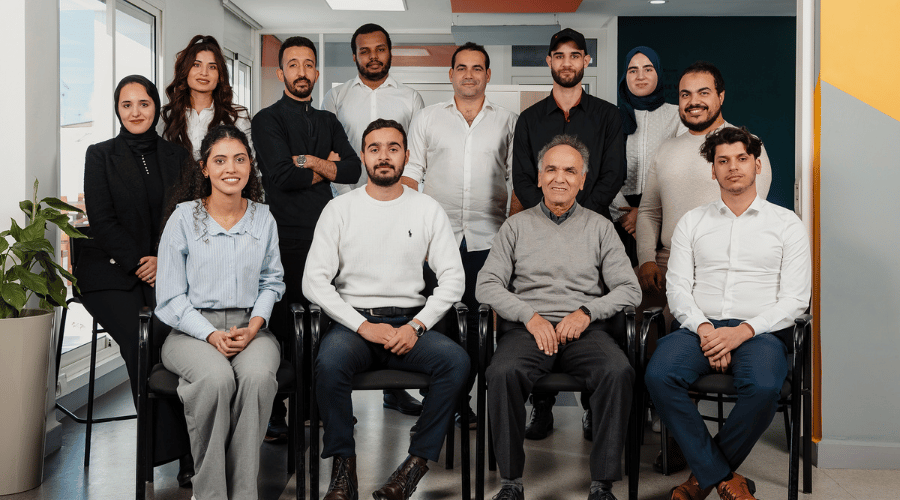
Team | 11-50 employees
Donor(s)