


Brazil has emerged as a global leader in mobile connectivity and digital innovation, setting new telecom regulation, policy and digital inclusion standards. Over the past 18 months, the country has made remarkable strides in expanding 5G, ensuring meaningful connectivity, and leveraging technology to drive economic and social progress.
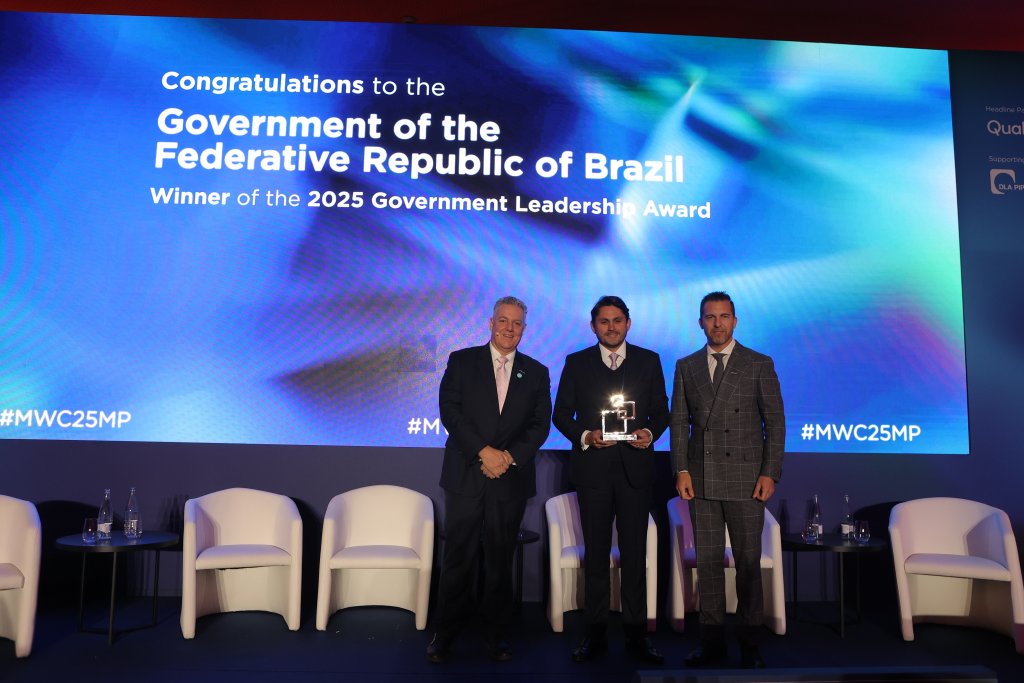
In recognition of these efforts, the GSMA presented Brazil with its prestigious GLOMO Government Leadership Award at MWC Barcelona 2025, highlighting the country’s commitment to a digitally inclusive future. Some of the standout achievements are described here.
Accelerated 5G expansion
By finalising the 3.5 GHz spectrum release for mobile services 14 months ahead of schedule, Brazil has paved the way for rapid 5G deployment across the country. This proactive approach ensures that Brazilians can enjoy the benefits of high-speed connectivity sooner than anticipated.
Brazil’s spectrum management and planning accomplishments have played a key role in this expansion. Brazil’s telecom regulator Anatel’s spectrum consultation process ensures long-term planning for critical frequency bands, including 600 MHz, 4.9 GHz, and 6 GHz, supporting continuous innovation and mobile expansion. The country’s balanced approach to the 6 GHz band, supporting licensed mobile use in the upper part of the range (6.425–7.125 GHz), positions Brazil as a global leader in mobile development. As part of Brazil’s network modernisation efforts, Anatel has confirmed plans to sunset 2G and 3G networks, reducing network inefficiencies and refarming spectrum for advanced technologies.
Additionally, removing 5G power restrictions near airports facilitates a smoother deployment of 5G networks without undue interference concerns.
Meaningful connectivity on the global stage and at home
During the G20 2024 summit, Brazil took the lead in championing meaningful connectivity. This effort was prominently reflected in the final Rio de Janeiro Leaders’ Declaration, which emphasised the importance of digital inclusion. The declaration highlighted that universal and meaningful connectivity and digital government solutions are crucial for improving lives while safeguarding privacy, personal data, human rights, and fundamental freedoms.
Brazil’s commitment to the UN Sustainable Development Goals (SDGs) and climate action is evident in its strategic initiatives. Anatel’s strategic plan for 2023-2027 focuses on infrastructure expansion, innovation, and ESG development. The Sustainable Digital Communications project integrates SDGs into the telecommunications sector, promoting knowledge and adoption of these objectives. Notable achievements include implementing a cell broadcasting tool for disaster response communication and connecting over 5,000 schools through the Ministry of Communications program.
Brazil has taken significant steps to expand digital inclusion across society. Anatel converted nearly R$20 million of MNO fines into capacity-building projects for vulnerable women and connectivity initiatives for Indigenous communities. R$42 million in fines were allocated towards fibre expansion in underserved municipalities. The National Development Bank (BNDES) released a R$2 billion credit line for data centre investments. At the same time, the “Acessa Crédito Telecom” program uses universal service fund (USF) resources to expand broadband in smaller cities.
Fostering digital innovation
Brazil has made significant strides in fostering digital innovation. An international agreement with Colombia aims to extend Brazilian fibre-optic infrastructure to the Amazonian city of Leticia, creating a 1,100 km “digital highway” by the end of this year. Anatel’s temporary authorisation for tests on direct-to-device communication with smartphones and allocating funds for antenna installation in underserved areas demonstrate the regulator’s commitment to creating mobile sector opportunities and value for society and the economy.
Transparent and consultative policymaking
Brazil has exemplified a transparent, predictable, and consultative approach to policy decision-making. The Institutional Capacity Building Program for Regulatory Management (PRO-REG) aims to streamline the regulatory process, reduce bureaucracy, and enhance social participation. Anatel’s adherence to these principles earned it an award from the Ministry of Development (MDIC) for regulatory quality. Additionally, public consultations have become a cornerstone of Brazil’s decision-making process, ensuring that diverse voices are heard and considered. Brazil’s achievements in mobile connectivity, regulatory excellence and digital inclusion have set a high standard for other nations to follow. The Government Leadership Award is a testament to Brazil’s visionary policies and collaborative governance, setting a gold standard for nations striving for a more connected and digitally inclusive future.