


Africa stands at a pivotal moment in its digital transformation journey — bold in ambition, clear on its challenges, and united in charting the path forward. At the inaugural Ministerial Programme at MWC Kigali, policymakers, regulators, and industry leaders came together to chart a shared vision for Africa’s digital future.
Discussions explored key policy priorities, including fiscal reform, spectrum management, infrastructure investment and energy access, alongside strategies to bridge the usage and coverage gaps, harness AI, and strengthen Africa’s voice in global digital governance.
Africa’s ambition: a connected, sustainable, and inclusive digital future
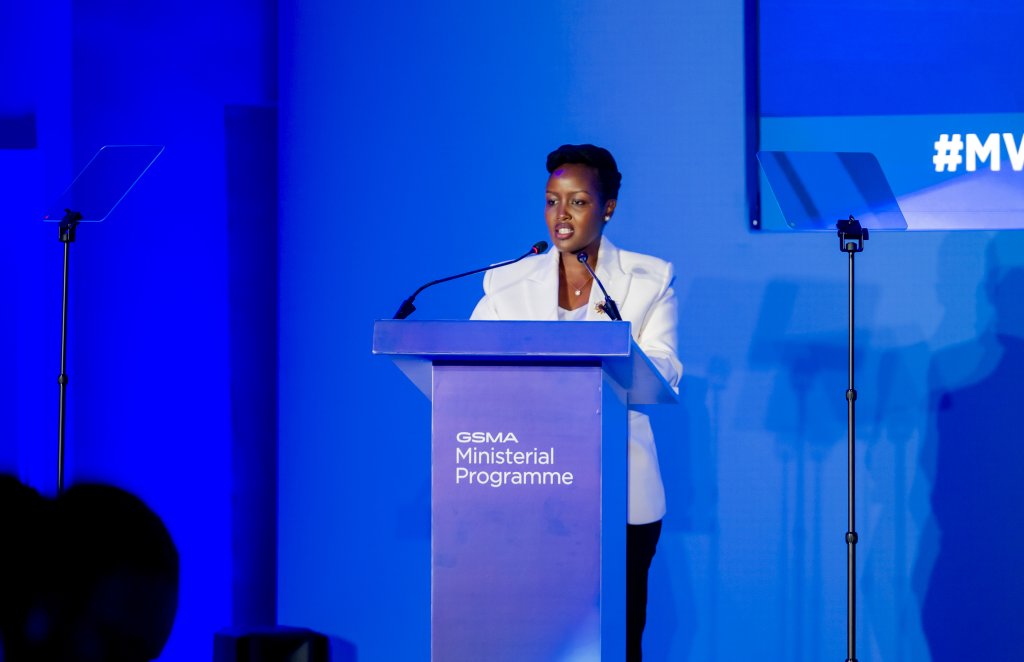
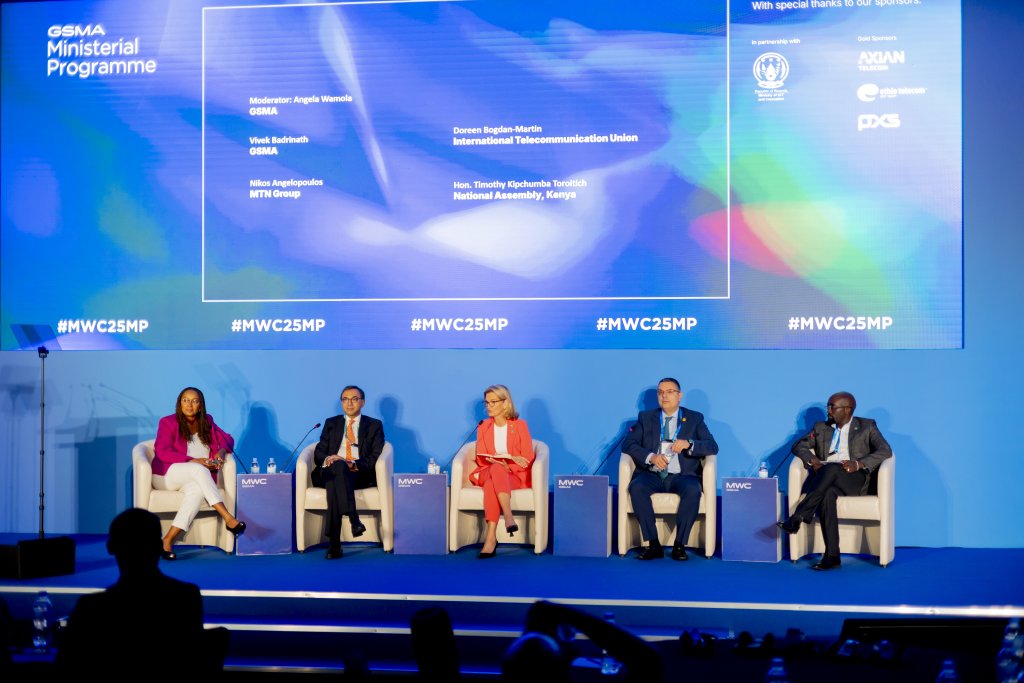
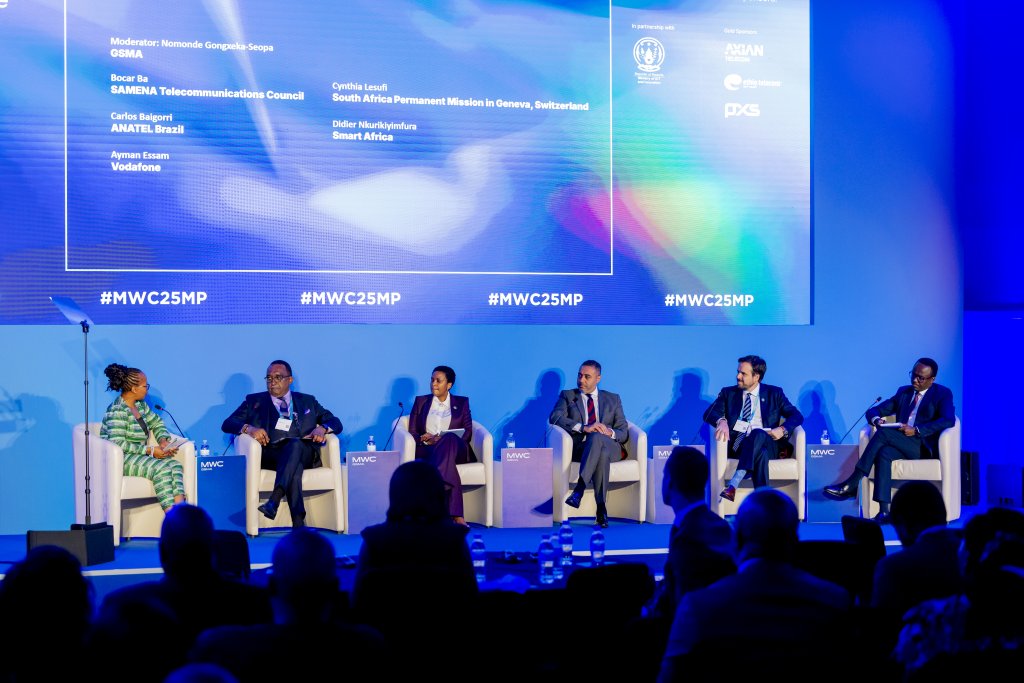
Africa’s digital transformation story is defined by ambition — to connect everyone, everywhere, and to harness connectivity, digital innovation, and AI as accelerators of inclusive growth.
The continent’s aspirations are bold. By 2030, Africa’s digital economy is projected to contribute 8% to GDP, with AI adding nearly $2.9 trillion to the economy. Policymakers and private-sector partners are working to expand access to affordable, reliable connectivity, enabling Africa to leverage connectivity for socioeconomic progress.
There’s also a growing recognition of Africa’s role on the global stage. As highlighted in discussions around the upcoming G20 Summit in South Africa in 2025, Africa’s voice in global digital dialogue is stronger than ever. The continent’s leadership is shaping international discussions on AI governance, cross-border data flows, and digital inclusion, ensuring Africa’s priorities are reflected in global policymaking.
Africa’s challenges: closing the gaps that hold back progress

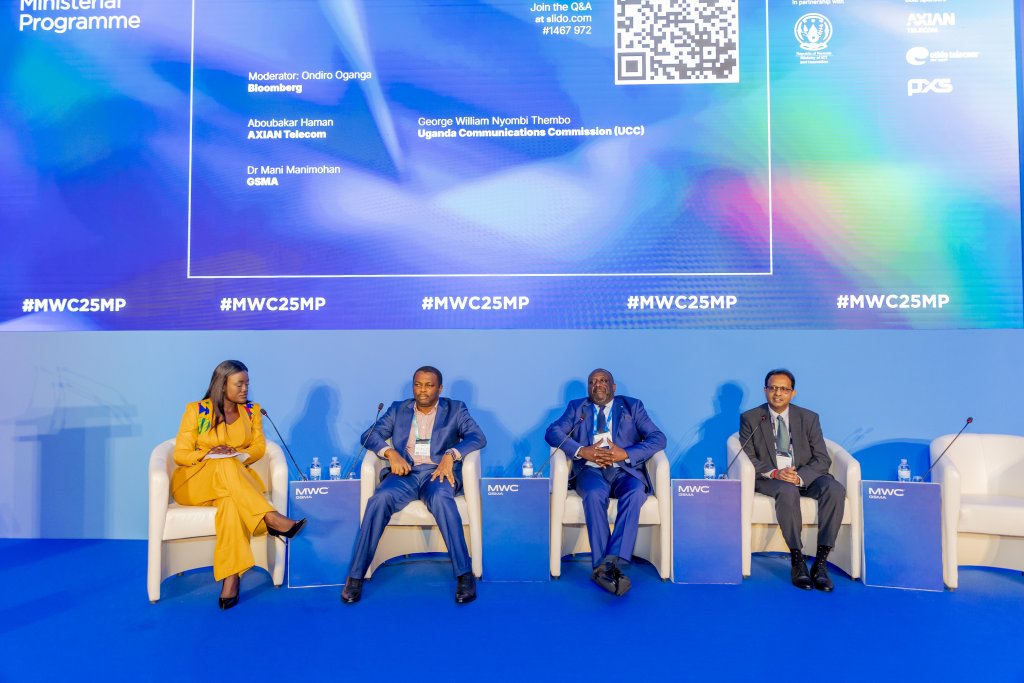
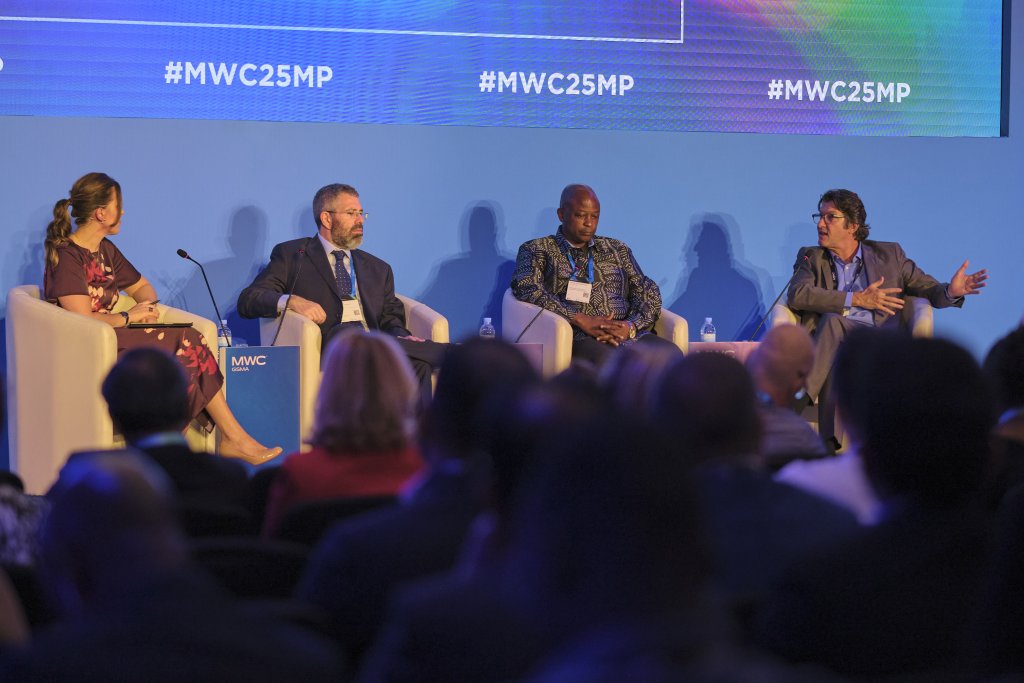
While ambition is high, the challenges remain significant and multifaceted.
The usage gap emerged as one of the continent’s most pressing barriers. Across Sub-Saharan Africa (SSA), 64% of people live within mobile coverage but do not use the internet. Barriers such as affordability, digital literacy, and access to energy continue to prevent millions from going online. A 2GB data bundle still costs around 4% of median income, double the global affordability benchmark.
The coverage gap also persists, with 9% of Africans still without mobile broadband coverage, particularly in remote and rural regions. Energy access is another constraint — 600 million Africans still lack access to electricity, limiting both connectivity and the deployment of digital services.
Fiscal policy and regulatory frameworks were identified as additional friction points. High sector-specific taxes, inconsistent licensing practices, and rising spectrum costs, up 40% as a ratio of revenues in the past decade, deter investment and delay network expansion.
Finally, fragmented regulations continue to create market asymmetries. Legacy models often fail to keep pace with innovation, AI, and fintech. This mismatch risks holding back the very transformation these policies aim to enable.
The path forward: cooperation and reforms

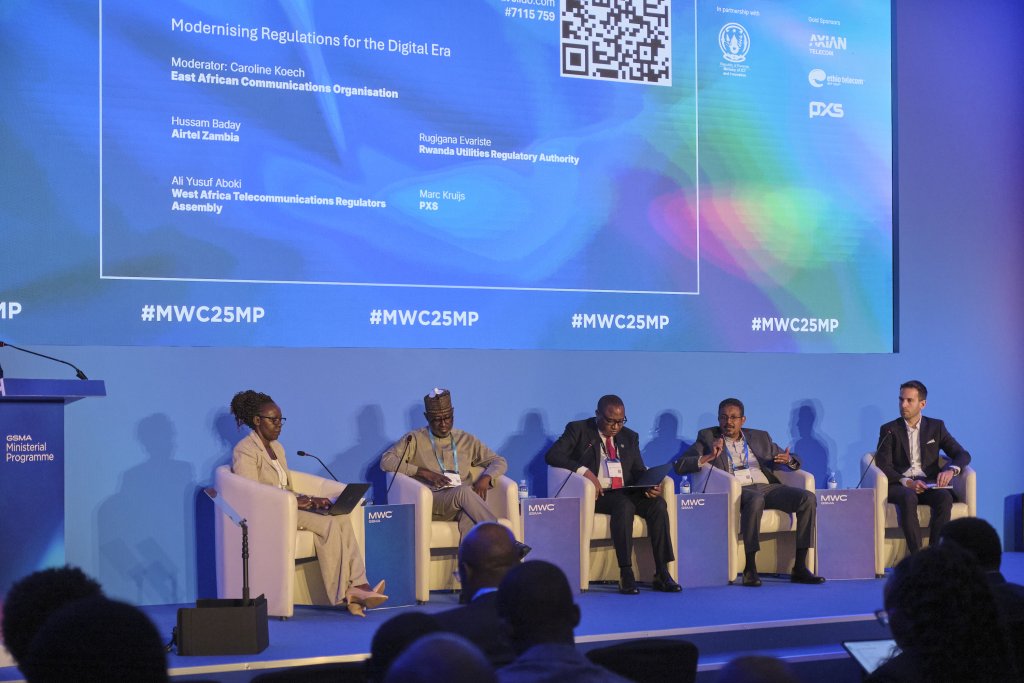
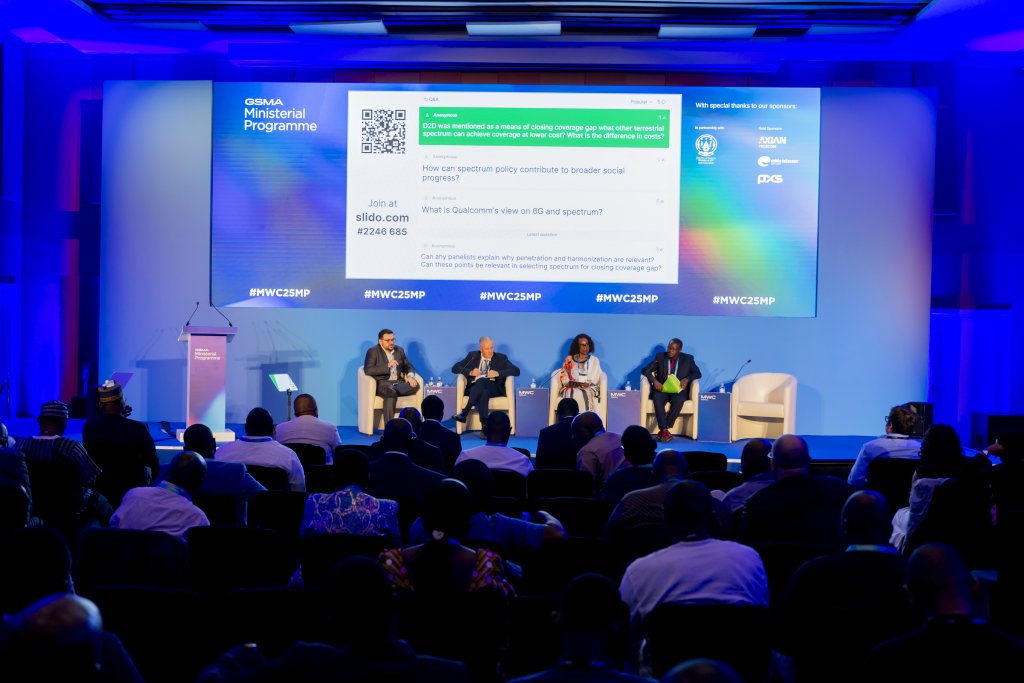
The conversations at MWC Kigali pointed to a shared understanding of what must come next: cooperation, reform, and innovation.
Fiscal policy reform is critical. Policymakers must view taxation not just as a revenue tool but as a driver of digital inclusion. Reducing sector-specific taxes and aligning fiscal policy with connectivity goals can stimulate private investment, expand the tax base, and support sustainable growth.
Investment-enabling frameworks are equally essential. As energy and digital infrastructure needs grow together, cross-sector collaboration, through joint planning, data sharing, and blended financing models, can accelerate rural electrification and affordable connectivity. Initiatives such as Mission 300, which aims to connect 300 million people in SSA to electricity by 2030, highlight the power of integrated strategies.
In spectrum management, transparent and predictable policies are needed to make connectivity viable for all. Affordable spectrum pricing, harmonisation, and cross-border coordination, particularly as Africa looks toward WRC-27, will be key to unlocking the next generation of mobile services, including direct-to-device (D2D) connectivity.
Finally, the path forward must rest on inclusive policymaking — regulatory approaches that are collaborative, evidence-based, and flexible. By shifting from rigid control to partnership-driven regulation, Africa can create an environment where innovation thrives, investment grows, and no one is left behind.
Conclusion
The Ministerial Programme reaffirmed a shared belief: Africa’s digital transformation is already underway. To realise its full potential, the continent must align ambition with action: modernise policies, enable investment, and embrace collaboration across governments, industry, and development partners. As one speaker summed it up, “Because when Africa is connected, Africa is unstoppable.”