


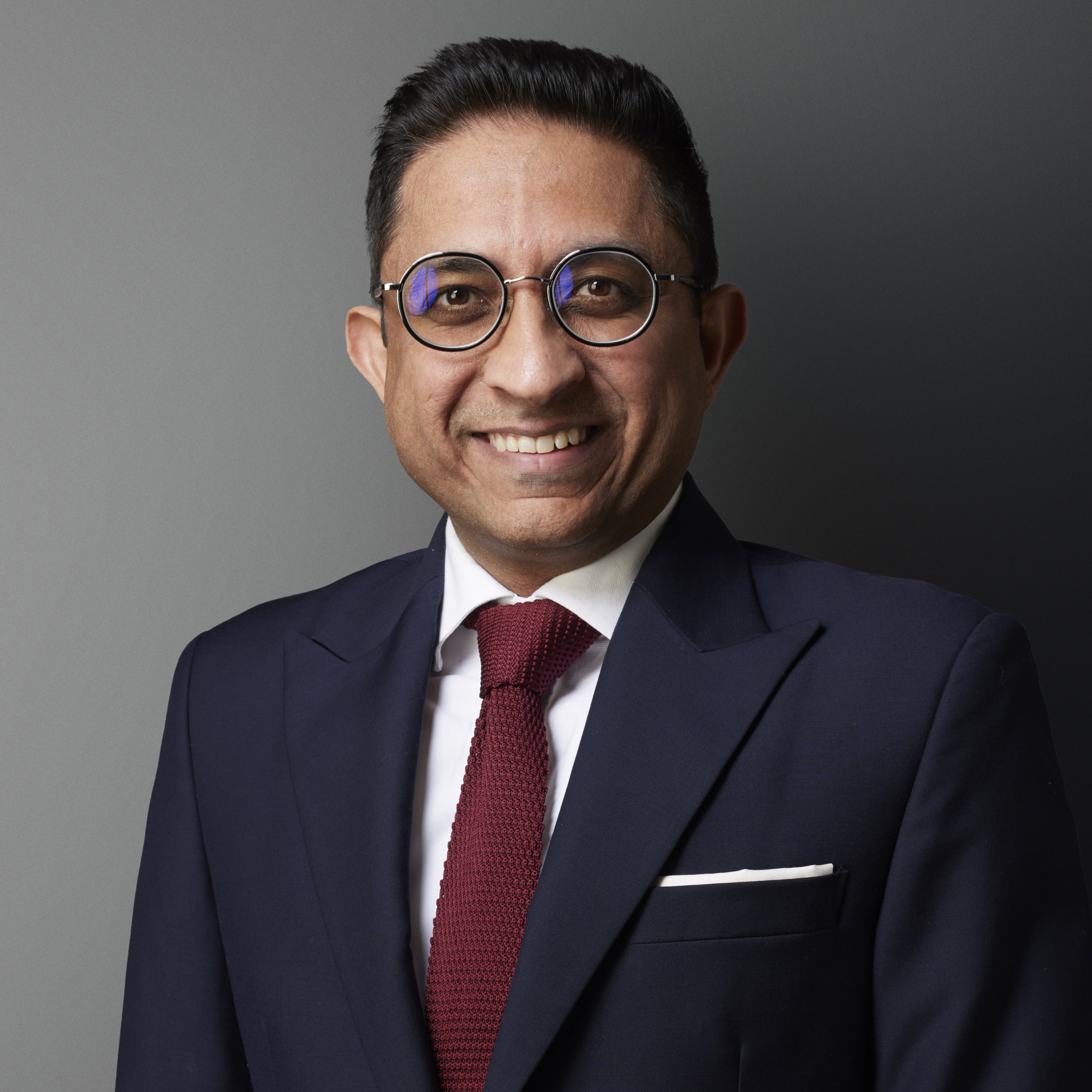
This year, M360 Eurasia came to Samarkand for the first time, bringing together policymakers, regulators, operators, regional organisations, investors, and digital ecosystem stakeholders from across Central Asia, the CIS region, and beyond. Set against the backdrop of a city that has connected cultures, ideas, and trade routes for centuries, the event provided an important platform to discuss how the region can unlock the next phase of digital growth.
On the sidelines of M360 Eurasia, we convened a policy roundtable to explore a critical question facing the region: how can governments and regulators create an environment that supports greater investment in mobile infrastructure?
As Eurasia’s digital economy continues to grow and become increasingly dynamic, the need for robust and future-ready connectivity has never been greater. Participants agreed that collaboration between governments, regulators, and industry will be essential to accelerate investment and ensure that networks can meet rising consumer and business demands.
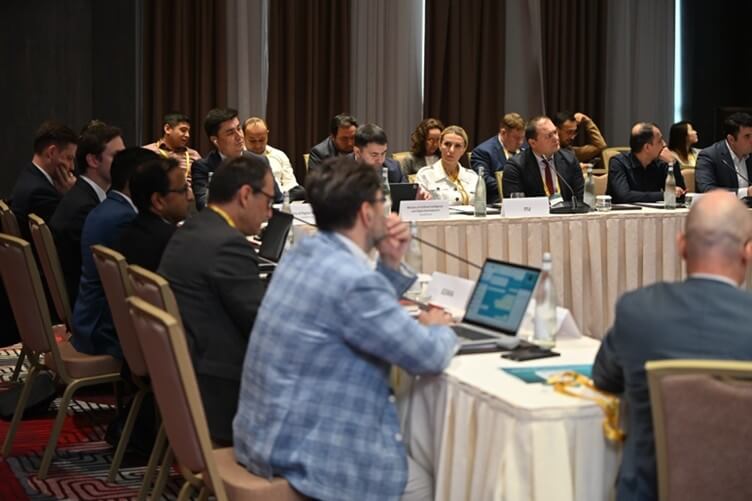
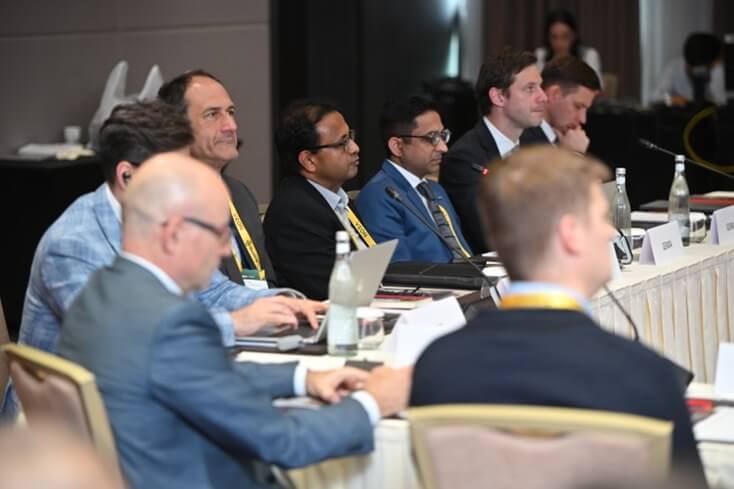
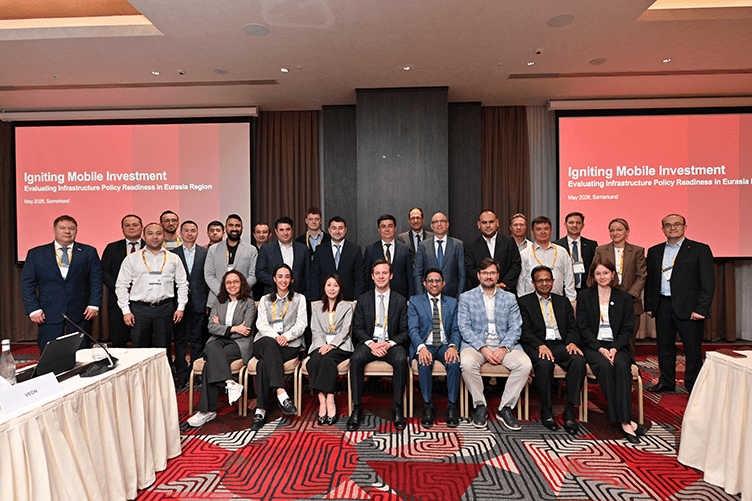
The discussion took place at a particularly important moment for the mobile industry. While Eurasia has seen encouraging progress in 4G adoption and digital development, operators are also facing increasingly complex market conditions. Rapid growth in mobile data traffic is placing additional demands on networks, while stagnant ARPU and weakening local currency create a challenging investment environment, particularly as operators seek to expand coverage, modernise infrastructure, and prepare for future technologies.
A recurring theme throughout the discussion was the importance of a supportive and predictable regulatory framework. Around 60% of participants identified regulatory certainty as the single most important factor influencing investment decisions, followed closely by the overall business environment for mobile operators.
The GSMA opened the discussion by highlighting regulatory challenges that can hinder efficient infrastructure investment and deployment. Participants identified key priorities, including licensing-related issues such as retail tariff regulation, high quality of service (QoS) penalties, and the lack of a technology-neutral approach to 5G, as well as deployment barriers such as EMF restrictions and inconsistent right-of-way (RoW) policies. They also raised concerns about sector-specific taxes and fees on operators and consumers and stressed the need for more structured consultation processes with adequate time for stakeholder feedback.
The roundtable concluded with broad agreement on the policy enablers and actions needed to support advanced mobile connectivity across the region. The insights gathered in Samarkand will contribute to a policy paper, to be published soon, aimed at creating modern regulatory frameworks that enable sustainable growth and deliver the full benefits of mobile connectivity to citizens and businesses throughout the region.