


This year, some 109,000 attendees from 205 countries poured through the gates of MWC 25, with over 1,200 speakers. The Ministerial Programme convened 188 delegations from 148 countries and 40 intergovernmental organisations, including 66 ministers and 111 heads of regulatory authorities.
Among the many diverse policy topics covered at the event were AI, spectrum, digital inclusion, and security. I aimed to attend as many safety and security-themed sessions as possible within the Ministerial Programme and in the main congress area. While clocking up over 60,000 steps, shaking hands with robots, and taking endless pictures of the Gaudi-inspired F1 car in the GSMA Pavillion, I observed some interesting and engaging exchanges between the telecoms and tech, financial and payments sectors, governments, regulators, and civil society organisations.
GSMA recently published the paper Fraud and Scams: Staying Safe in the Mobile World, which was among the key topics at the event. I noted a common theme across all sessions I attended – the importance of cross-regulatory collaboration and international cooperation. Scams and fraud are a big business in many areas of the world, so governments, industries and law enforcement agencies should work together nationally, regionally, and globally to combat the issue.
Day 1: Ministerial Programme highlights


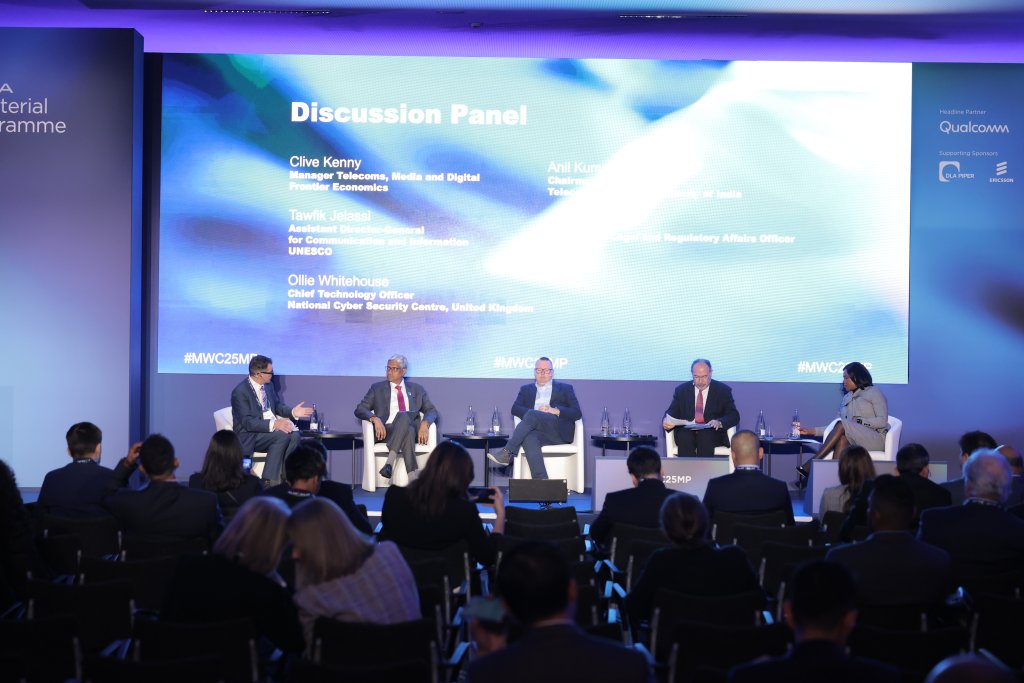
A roundtable on Advancing Cross-Regulatory Governance brought together telecom and data protection authorities alongside international organisations, to share approaches to cross-sector collaboration that achieve meaningful outcomes. Regional and national perspectives were examined, addressing practical examples such as age assurance and efforts to combat online fraud.
Can Countries Thrive When Offline? explored how countries can better protect public safety and manage the adverse effects of service outages, including mandatory service restriction orders. Guardians of the Digital Landscape underlined the need for balanced regulation and resilient policies – especially as we prepare for future challenges like quantum decryption. Without a robust cybersecurity framework, the digital advancements showcased at MWC 25 would not be possible.
Day 2: Connected Youth and Security Summit
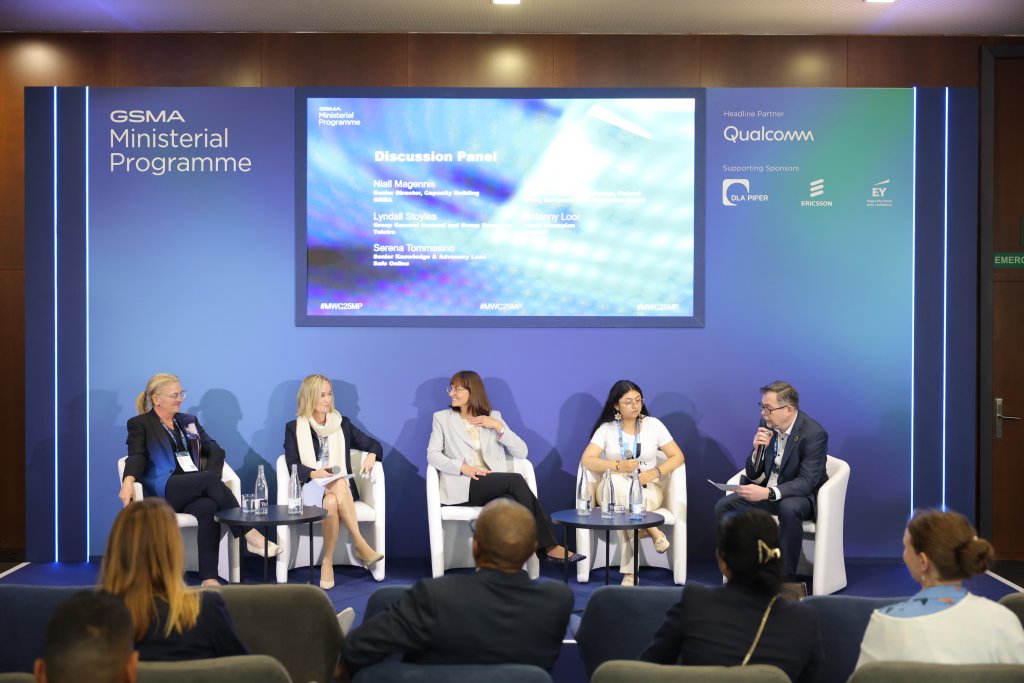
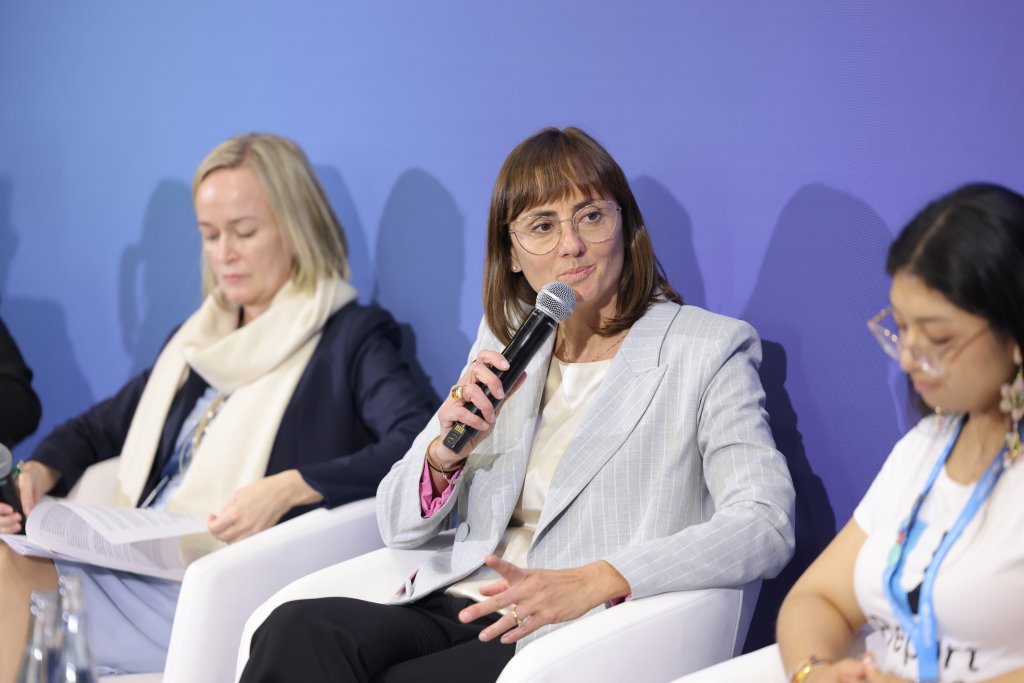
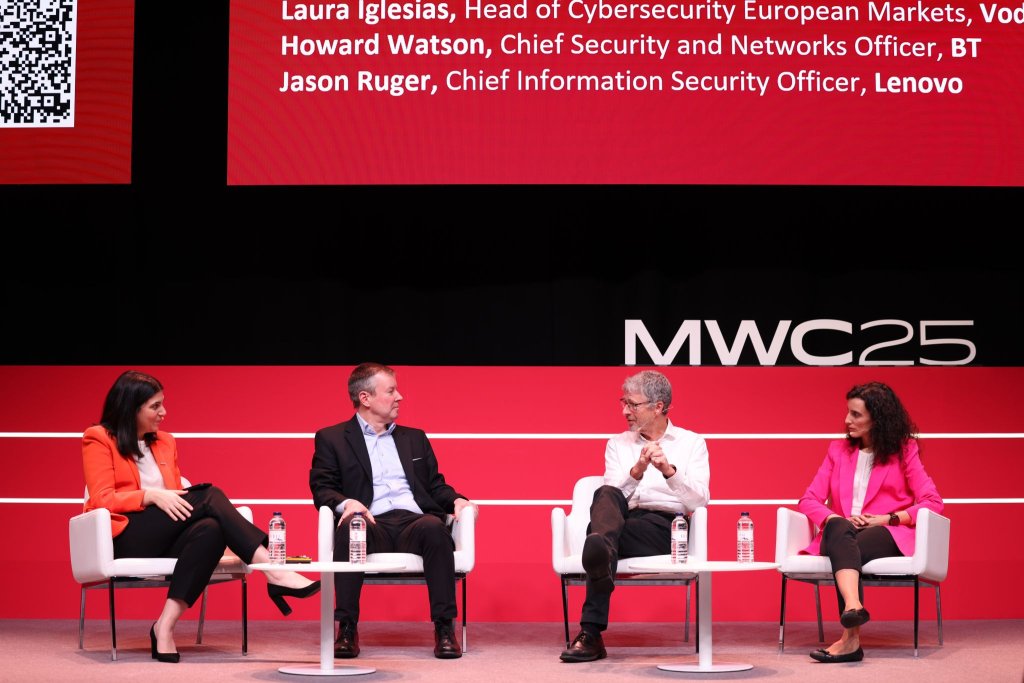
As in previous years, our Connected Youth session included the voice of a bright young speaker who gave valuable insights about the importance of listening. Gen Z is very well-engaged with mobile technology in ways quite distinct from previous generations, creating a unique digital footprint and new social trends. However, as technology evolves, so does the threat landscape, which presents new challenges in ensuring the safety of younger users.
Cybersecurity’s critical role in mobile networks was highlighted at the Security Summit, which was made up of different topics, including uniting against ecosystem threats such as fraud and scams and post-quantum cryptography. Mobile device security remains a persistent challenge, impacting customers and law enforcement. Together with those, experts discussed established and emerging security challenges and shared insights into the mobile industry’s latest advances in security for the ecosystem.
Day 3: GSMA SEC CON and Mobile Identity Summit
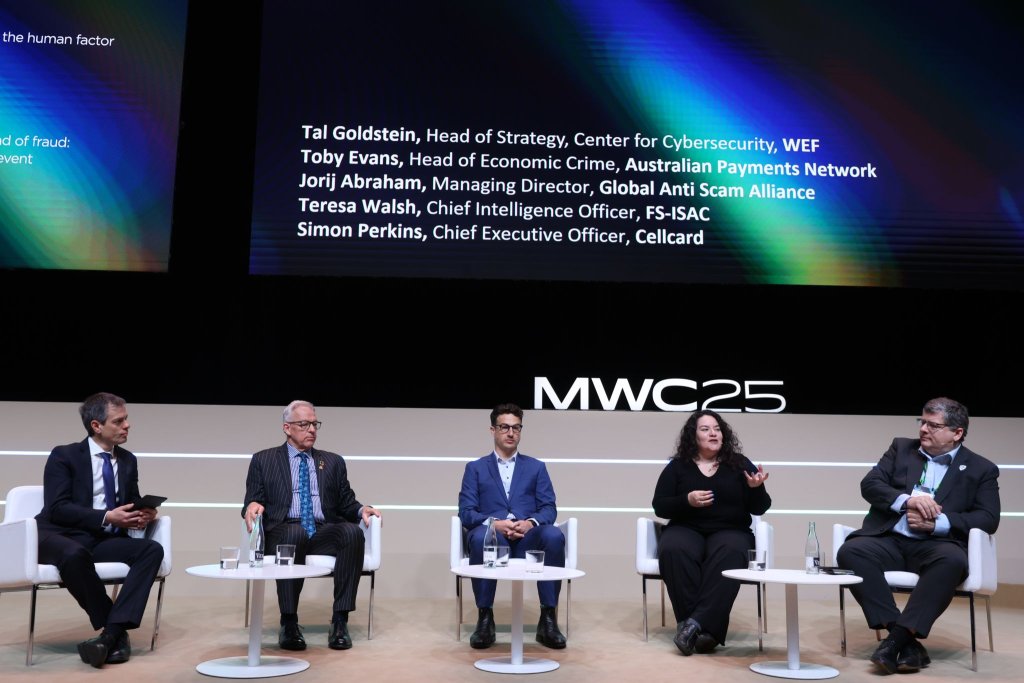

Confronting Fraud was the theme of the GSMA SEC CON 2025. The Global Anti Scam Alliance (GASA) highlighted that scammers stole over USD 1.03 trillion globally in the last year through digital criminal activity such as romance investment scams, crypto fraud, and money laundering. The human impact of scams and fraud was acknowledged and remembered, as were the victims of social engineering fraud and those forced into criminality.
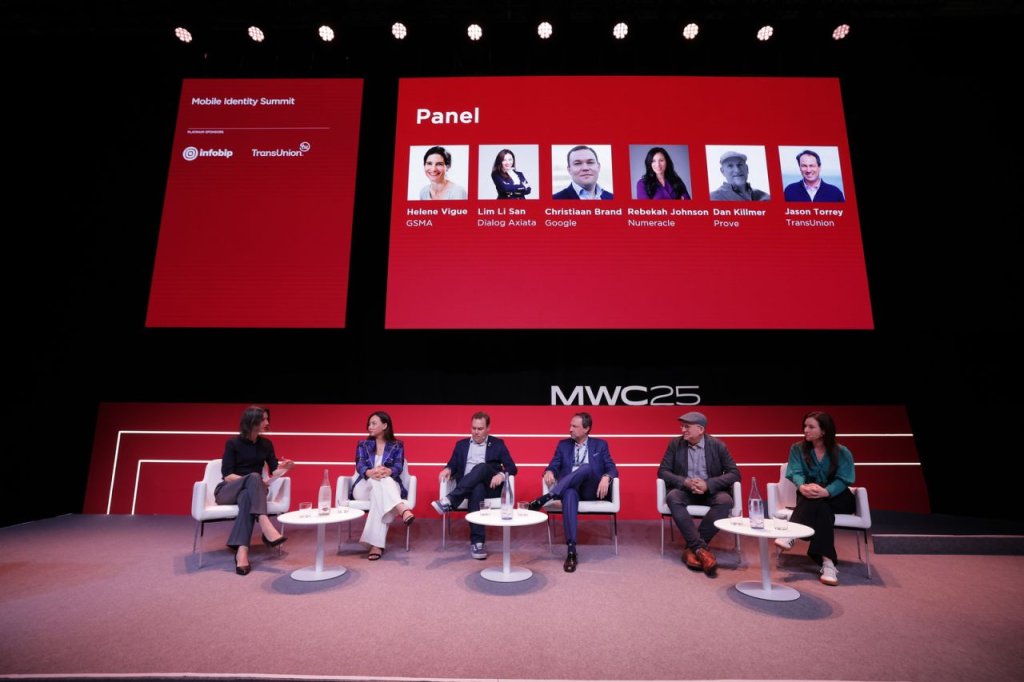
A very fitting end to the third day—and following nicely from the SEC CON—was the Mobile Identity Summit, which explored the role of digital identity as a critical enabler in building trust between users and organisations. According to the Global State of Digital Identity 2023, 14% of consumers were aware they were victims of identity fraud. Financial losses are compounded by a decline in user confidence and damage to brand reputation.
Expert panels explored how incorporating verifiable identity into the existing mobile ecosystem can shape the future of digital identity by addressing key challenges and fostering collaboration. Another focus was the GSMA Open Gateway initiative, which is unlocking new possibilities for interoperability and API-driven innovation across mobile networks. Operators are opening their infrastructure to provide fraud prevention capabilities and enhance customer experience.
Looking ahead
There were many takeaways from the various keynotes, panel sessions, and formal and informal discussions relating to security. However, my top three are:
- Accountability across the ecosystem – a safe and secure digital future requires a level playing field.
- Collaboration is key – threats operate without borders, so more cooperation is needed.
- Value all perspectives – we can learn from everyone, including older and younger voices, consumers, businesses, and employees.
The GSMA will continue to work with its members to help facilitate the global dialogue on navigating the complexities of digital governance, security, and innovation.
Read more takeaways from the GSMA Ministerial Programme here.