


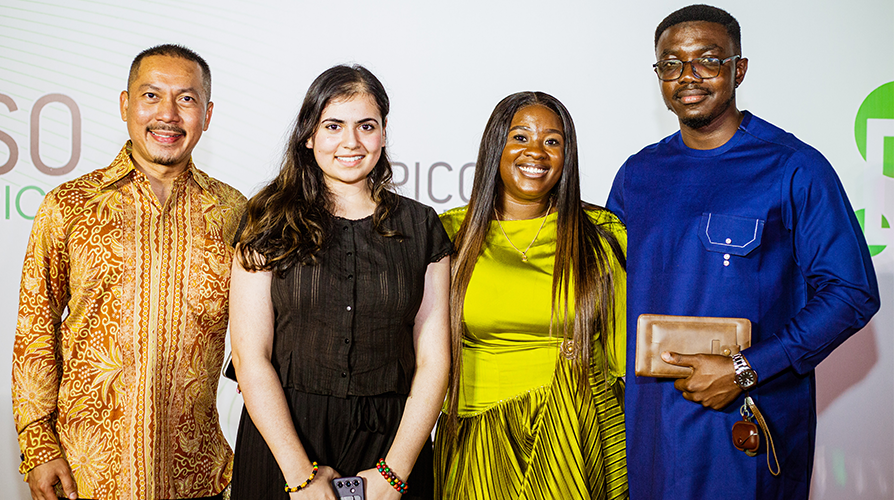
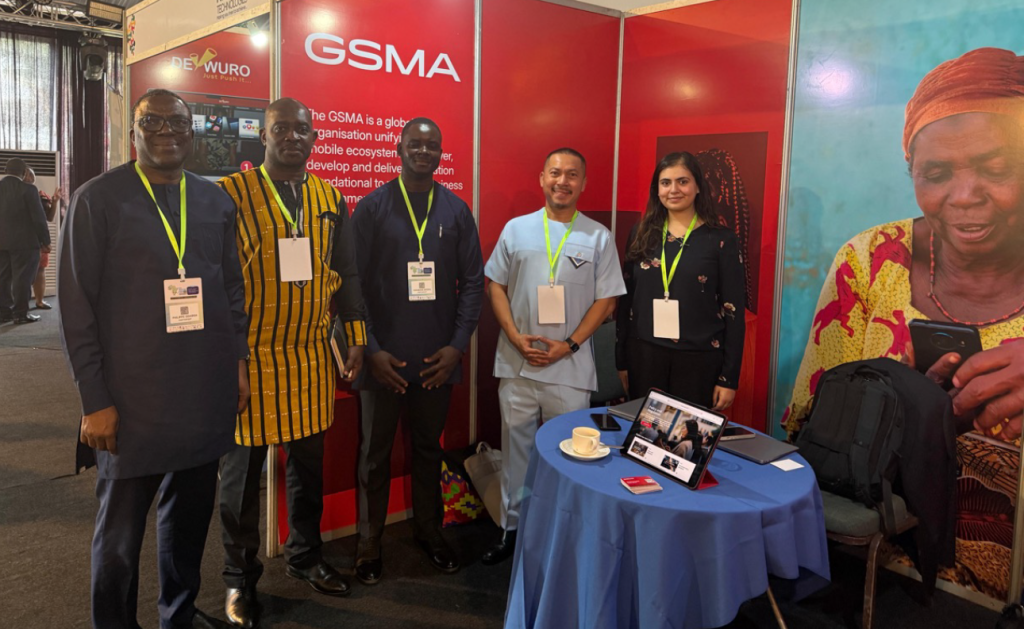
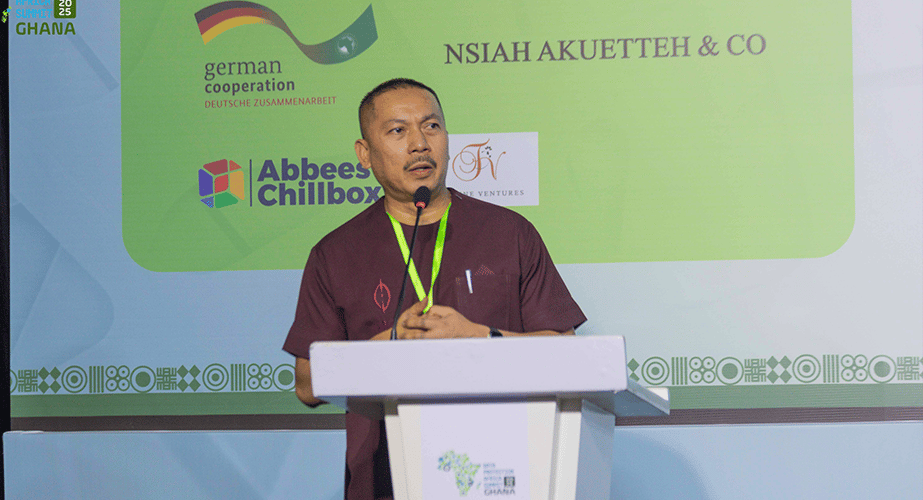
The 2025 Data Protection Africa Summit (DPAS), held in Accra and hosted by the Africa Digital Rights Hub, brought together more than 500 delegates from across the continent and beyond to explore the evolving landscape of data protection, digital rights, and regulatory innovation. The GSMA was proud to participate actively throughout the four‑day event, which was formally opened by the Honourable Samuel Nartey George, Ghana’s Minister for Communication, Digital Technology and Innovations. His remarks underscored the growing importance of strong data governance frameworks to support Africa’s expanding digital economy.
Championing Smart Data Privacy Laws
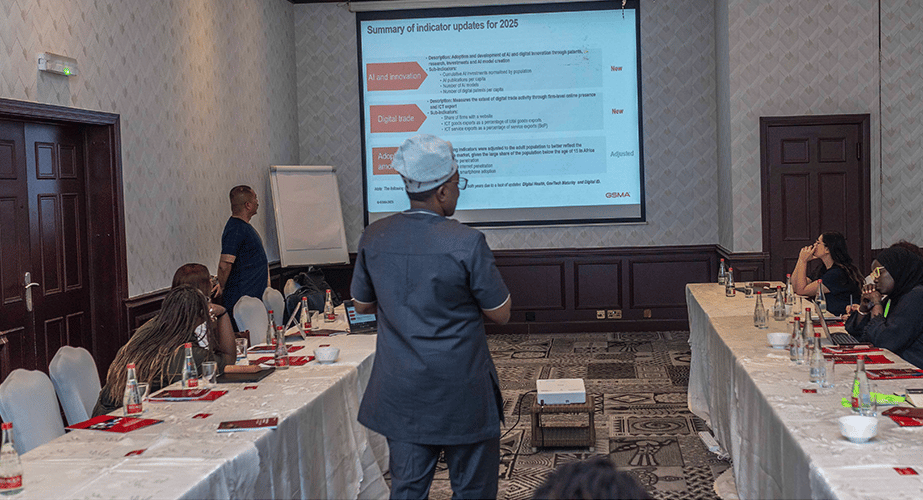
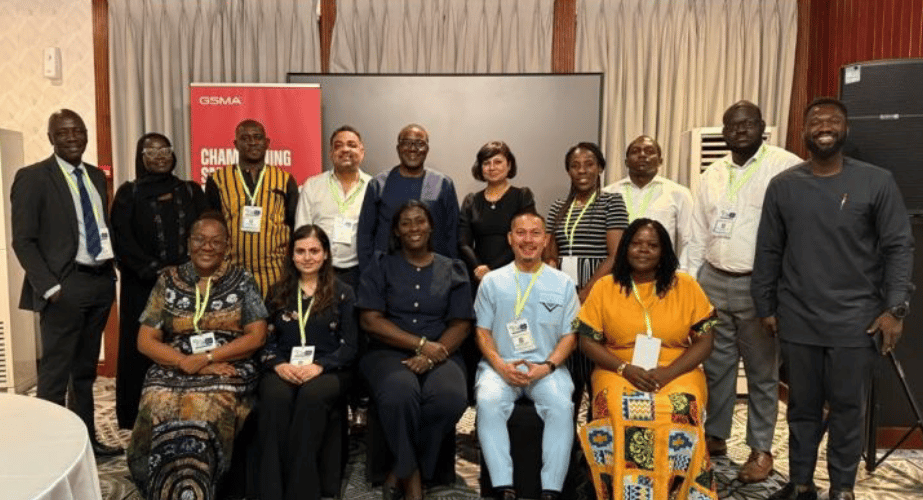
The GSMA delivered a specialised masterclass titled Implementing Smart Data Privacy Laws: Achieving the Right Outcomes for the Digital Age. Sixteen delegates from Data Protection Authorities, the Gambia Data Protection Authority, the Bank of Ghana, academia, civil society and the broader data privacy community engaged in deep discussions on challenges including consent management, data sharing, authentication, age verification, cross‑border data flows, and training needs. Practical examples—such as Mobile Money and Open Gateway case studies—helped transform abstract principles into actionable guidance.
Strengthening Collaboration and Regulatory Alignment
A recurring theme throughout the masterclass was the importance of collaboration through public‑private partnership (PPP). Participants highlighted the need for stronger alignment among Data Protection Authorities, Telecommunications Regulators, Financial Regulators and other sector‑specific bodies. Delegates also emphasised the necessity of increasing digital rights awareness across Africa, especially in local languages, to strengthen trust in systems like Mobile Money.
Open Gateway: Unlocking the Potential of Network APIs in Africa
Open Gateway stood out as a major point of interest due to its potential to revolutionise Africa’s digital economy. With standardised open APIs, developers and cloud providers gain a single point of access to the world’s largest connectivity platform. Several operators across Africa are already leveraging Open Gateway to drive financial inclusion, reduce fraud, and enhance identity verification capabilities.
Driving Practical Frameworks for Identity Management
In addition to the masterclass, Noriswadi Ismail, Senior Director of Data Privacy at the GSMA, moderated the panel From Policy to Practice: Building Effective Frameworks for Identity Management Systems. Discussions focused on designing frameworks grounded in clear data processing purposes, risk‑based and rights‑based approaches, and context‑specific considerations such as business processes, technology, culture and local traditions. The Nigeria Data Protection Commission’s translation of its Data Protection Act into Hausa, Igbo and Yoruba—paired with outreach roadshows—served as an example of best‑practice public engagement.

Supporting Regulators Through Dialogue and Capacity Building
A closed‑door session brought together 16 attendees from Data Protection Authorities and industry representatives. Discussions explored implementation challenges faced by DPAs and telecommunications regulators, good regulatory practices, and opportunities for the GSMA to support broader advocacy. This includes strengthening coordination with telecommunications and financial regulators, law enforcement agencies and national ID authorities. The GSMA reiterated the importance of capacity building in areas such as mobile privacy, cybersecurity, AI, and children’s privacy.
Looking Ahead to DPAS 2026
The GSMA expressed its appreciation to the Africa Digital Rights Hub and partners for convening such an impactful summit. Building on the momentum from Accra, the GSMA will continue its engagement at the 2026 Data Protection Africa Summit in Nigeria. To continue the conversation, make sure to attend the 2026 GSMA Ministerial Programme in Barcelona.