


The Network of African Data Protection Authorities (NADPA 2026) conference in Abidjan, Nigeria was a useful reminder that privacy policy works best when it is grounded in practical collaboration. Hosted by ARTCI it brought together African data protection authorities, regulators, policymakers and industry leaders to discuss a shared challenge: how to govern emerging technologies without slowing innovation.
One of the strongest themes was the level of interest in smart data privacy implementation. Discussions in Abidjan made clear that regulators are not only thinking about new laws, but also about how those laws work in practice. Across Africa, there is growing interest in approaches that protect people, support innovation and avoid fragmentation. The GSMA helped ground that discussion with practical examples, including cross-border data flows and mobile money case studies.
Advancing the fight against mobile money scams
Scams prevention was another theme where the GSMA made progress at NADPA. Discussions on the issue facing scam prevention had already gained momentum earlier this year through the GSMA’s United Against Scams initiative at MWC Barcelona. In Abidjan, that same issue came through clearly in conversations with African data protection authorities, particularly around how closer coordination between regulators could help tackle mobile money scams.
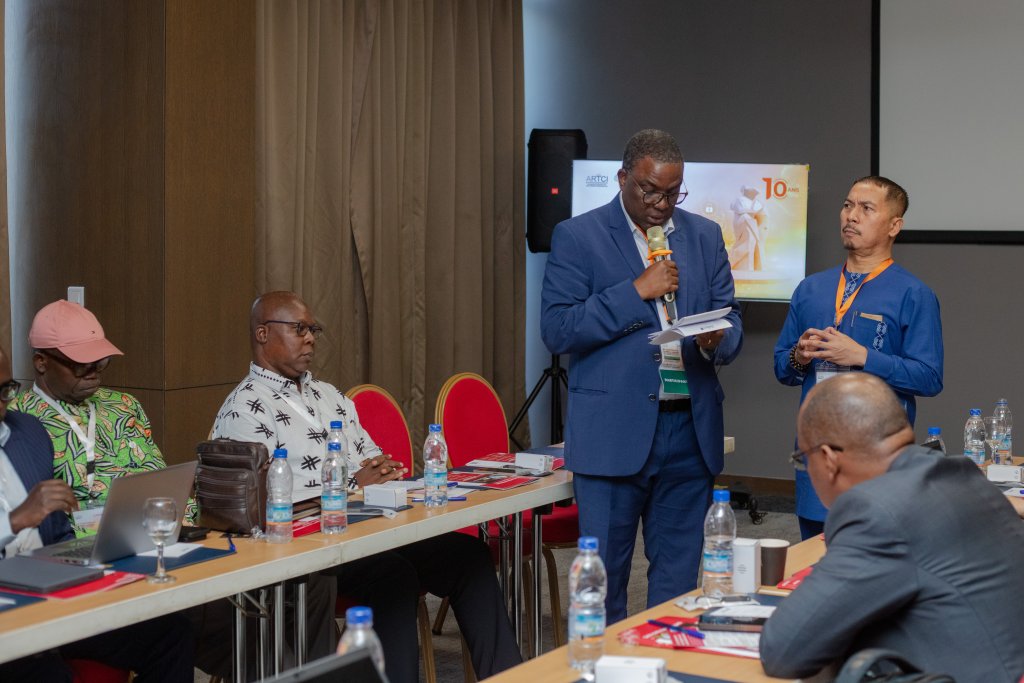
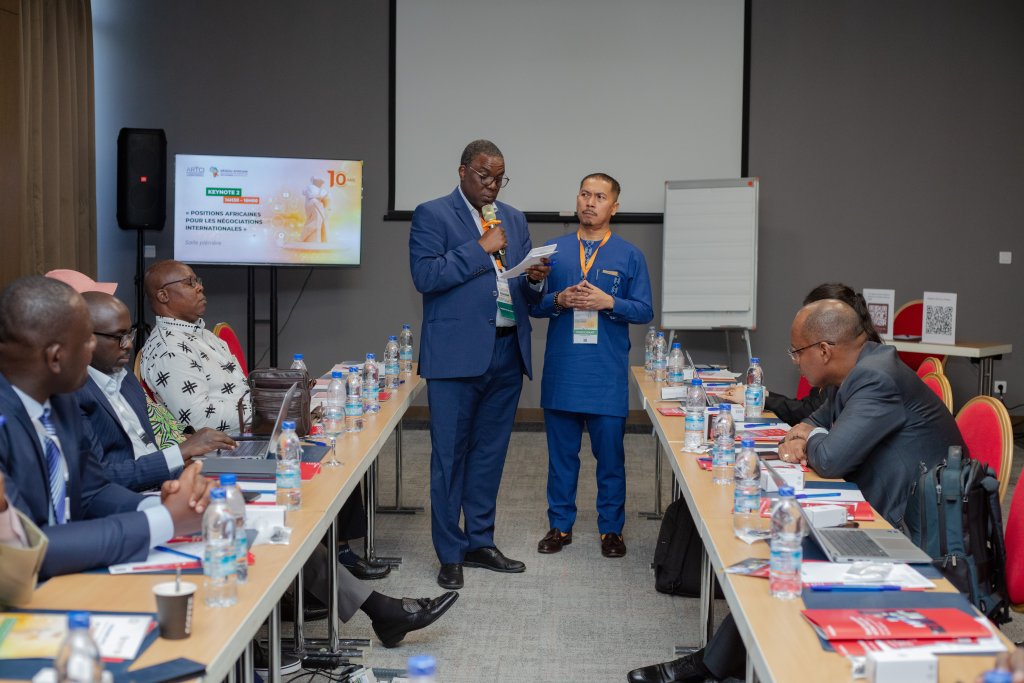

That focus on regulatory coordination carried into the next stage of the discussion, where scams prevention and cross-border data flows were central themes in the Outcome-based Regulatory Systems Workshop where the GSMA joined partners including the Africa Digital Rights Hub, to share practical case studies and explore how closer coordination between regulators can support more effective implementation.
On day two of the conference, Noris Ismail, Senior Director, Data Privacy, returned to the theme during the electronic commerce panel, calling for smarter collaboration between data protection authorities and other regulators on fraud and scams. The team then picked up those conversations again in a closed-door listening session and in bilateral meetings, where regulators shared more about country-level scams trends and examples of cooperation already under way.
Next steps for Africa’s privacy ecosystem
NADPA continues to be an important platform for policy discussions and turning dialogue into practical solutions.
First, as more African countries adopt data protection laws and establish independent regulatory authorities, the need for awareness, capacity building and greater harmonisation is becoming more urgent. The GSMA will continue to support regulators across the region through practical guidance, knowledge sharing and workshops that help translate privacy frameworks into effective implementation.
Tackling mobile money scams will also require closer coordination between data protection authorities, financial and telecoms regulators, law enforcement and industry. Planned in-country GSMA-hosted workshops will help stakeholders share experience, identify common challenges and develop more coordinated approaches to prevention.
As citizens become more aware of their data protection and digital rights, privacy information must also be accessible beyond major urban centres and in local languages, so more people can benefit from digital innovation with confidence.
The GSMA looks forward to continuing these conversations at the Data Protection Africa Summit in Lagos and through further in-country engagements across the region. For more information on our work visit our website. To engage with the GSMA policy team, please get in touch to discuss the support you need.