


The GSMA’s EMF Forum this year explored the evolution of electromagnetic field (EMF) science, technology and communication approaches in the context of the mobile technology roadmap beyond 5G to 5G Standalone and 5G-Advanced.
Speakers at the event emphasised that even at this early stage of technical standardisation (see the figure below from a new GSMA report), we can be confident that 6G (or IMT-2030 in ITU speak) will be designed to comply with international exposure limits, which apply to all the current and proposed frequency ranges for existing and next generation mobile technologies.
Figure 1: Mobile technology roadmap beyond 5G

WHO commissioned reviews find no confirmed hazards at low EMF levels


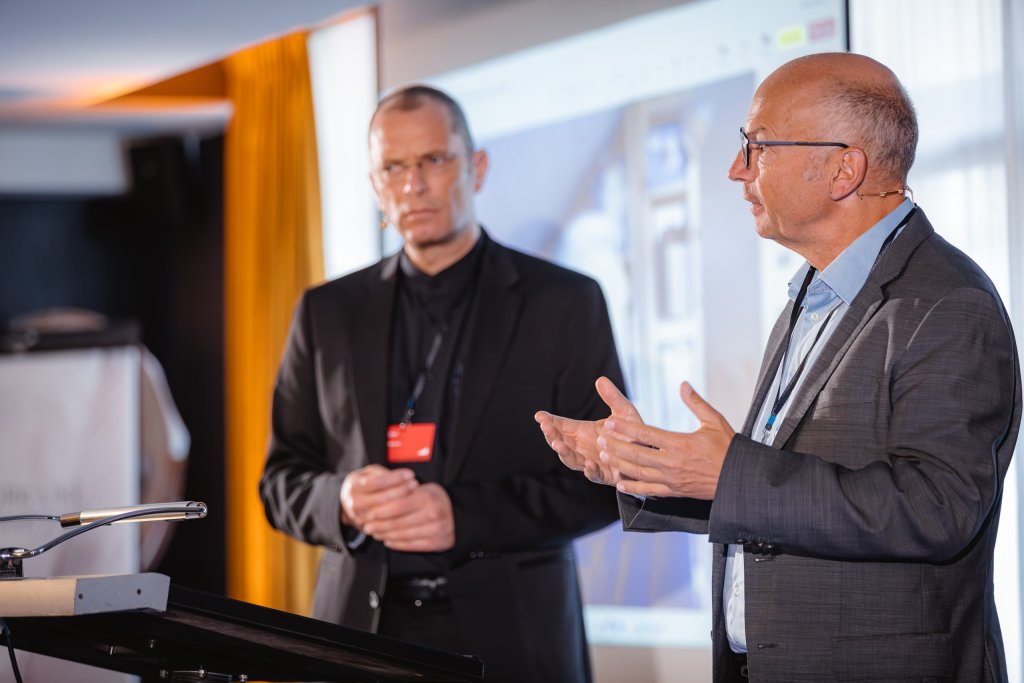
The ongoing World Health Organization (WHO) risk assessment for radio waves and health is supported by a series of systematic reviews addressing priority topics. Professor Martin Röösli from the Swiss Tropical and Public Health Institute explained that reviews of human evidence and population studies found no link between radio wave EMF levels below international limits and symptoms or cancer with moderate or high certainty. Dr Jos Verbeek, the WHO Guideline Methodologist, noted that the review of animal studies of cancer found that there was evidence for a cancer link “based solely on ‘positive’ studies.” He pointed out that “different methodological approaches can lead to different conclusions.” For some of the other health endpoints, the review conclusions were less certain due to limitations in the available evidence.
A WHO Task Group will integrate all the evidence streams and is expected to complete its work this year with publication as a WHO Environmental Health Criteria (EHC) monograph in 2026.
Increased base station density linked to lower phone EMF levels

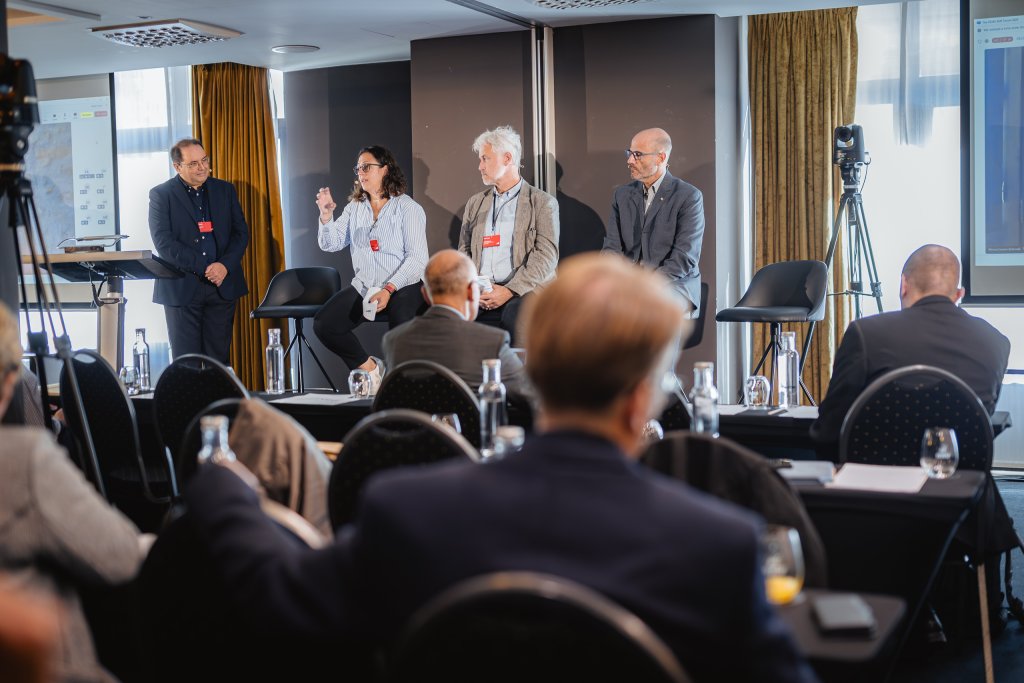

Dr Gemma Castaño and Dr Mònica Guxens shared the results of radio wave measurements conducted in seven European countries under the EU-supported GOLIAT project. Density of base stations is an important predictor of personal EMF exposures: more antennas means lower exposure from a users’ own phone when sending data. The measurements also showed that 5G is transmitted at lower power levels than 4G. GOLIAT studies are underway on EMF risk perception and possible biological effects.
Dr Georg Neubauer and Dr Alberto Nájera López, representing EMF expert groups from Austria and Spain, respectively, explained the process of monitoring and reviewing research (typically more than 300 studies are published each year) to ensure that risk assessments remain current. The quantification of radio wave levels has improved significantly, but low-quality biological studies remain a problem. Thirty years of research provides more confidence that there are no health hazards at the low radio wave levels typically experienced in everyday life, but scientists can’t prove no effect, and one challenge is to explain the remaining uncertainties to the public.
EMF worries vary between countries


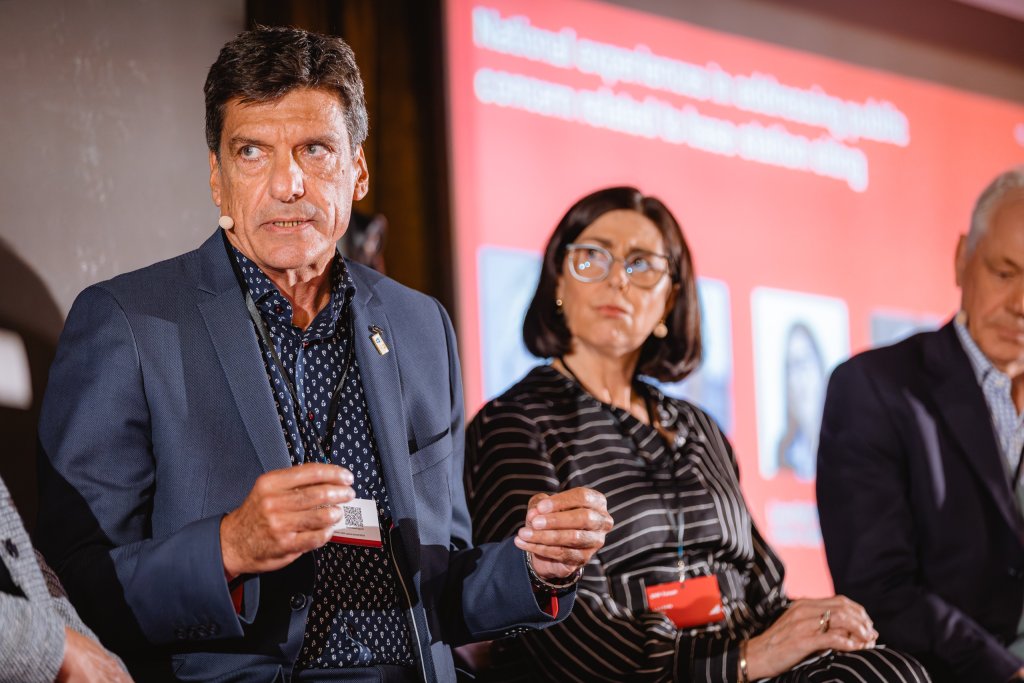
An international study of EMF risk perception among the public in three countries found higher levels of concern in Poland than for Germany and Japan. Professor Urszula Soler, from the Warsaw University of Life Sciences, added that Poles were more likely to reject construction of new base stations than respondents from the other countries. In all the surveyed countries, universities and public research institutes were the highest trusted institutional sources.
A panel of mobile industry professionals shared their experiences addressing public concern about base station siting. Margit Kropik (FMK, Austria) described how the tsunami of misinformation has subsided since the 5G launch. George Stefanopoulos (EEKT, Greece) shared industry efforts to bridge the community trust gap. Lisa Kelly (Optus, Australia) spoke about the intervention by the trusted Chief Medical Office to counter 5G misinformation during the COVID-19 pandemic. Hamish MacLeod (Mobile UK) gave the example of local authority Digital Champions who can smooth the deployment of mobile networks.
GSMA called on the European Commission to move forward with updates to public and worker EMF limits to take account of the current international guidelines.
6G expected to inherit much from 5G
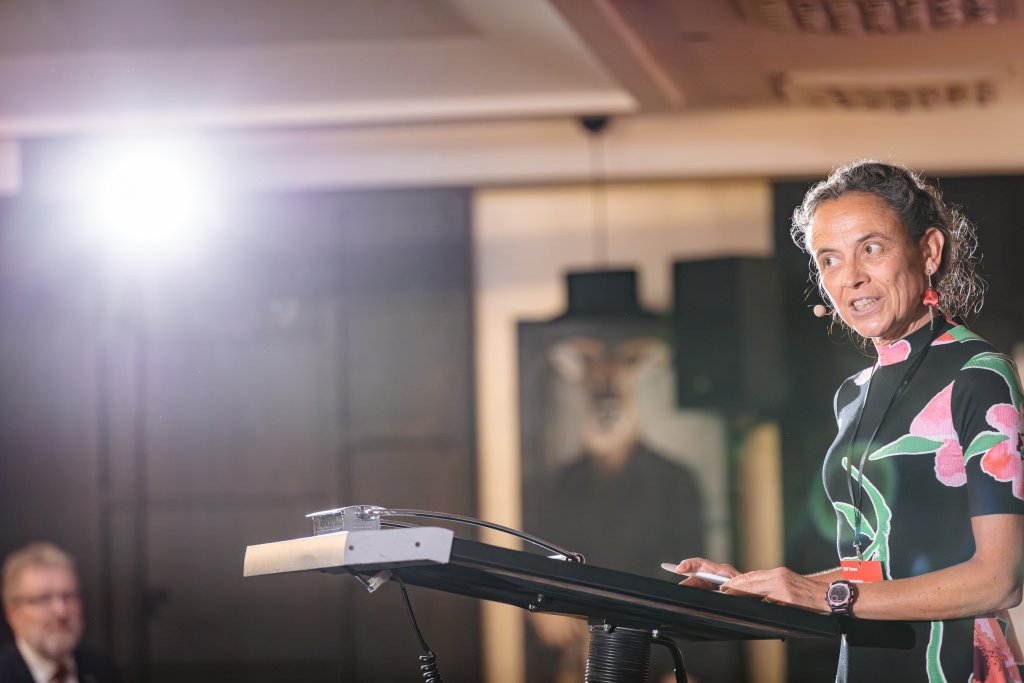

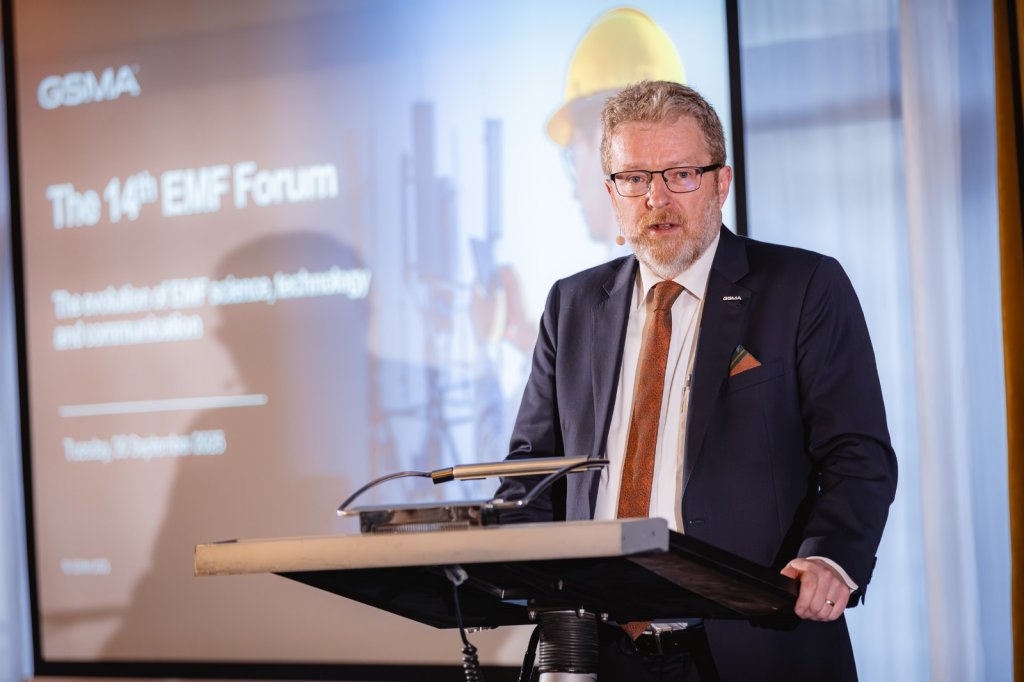
Christer Törnevik, Ericsson Research, explained that 6G will be an evolution of 5G, with much of the technology inherited. He noted that data speeds have increased by a million times in the past 30 years, yet typical maximum environmental EMF exposure levels have remained below 1% of international limits. Törnevik stressed the need for timely information about 6G from national authorities and industry to address questions and avoid potential EMF concerns.
The GSMA EMF Forum 2025 was held on 30 September in Brussels in a hybrid format. Watch the recording and download session materials here.