Monday 13 April, 2026
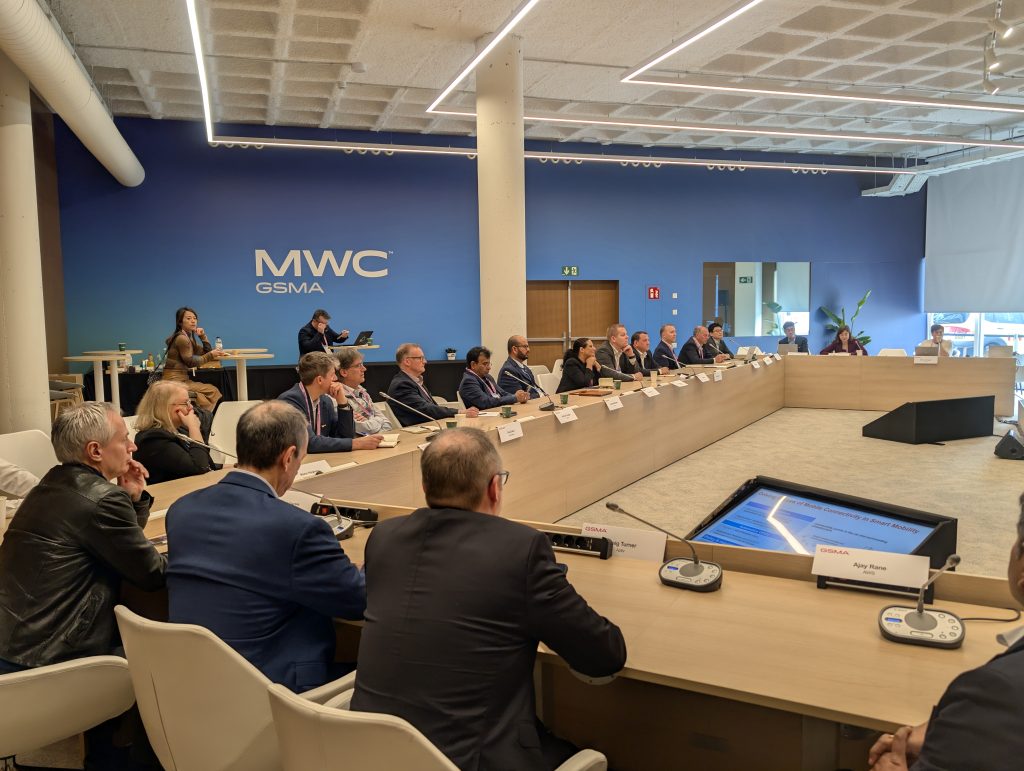
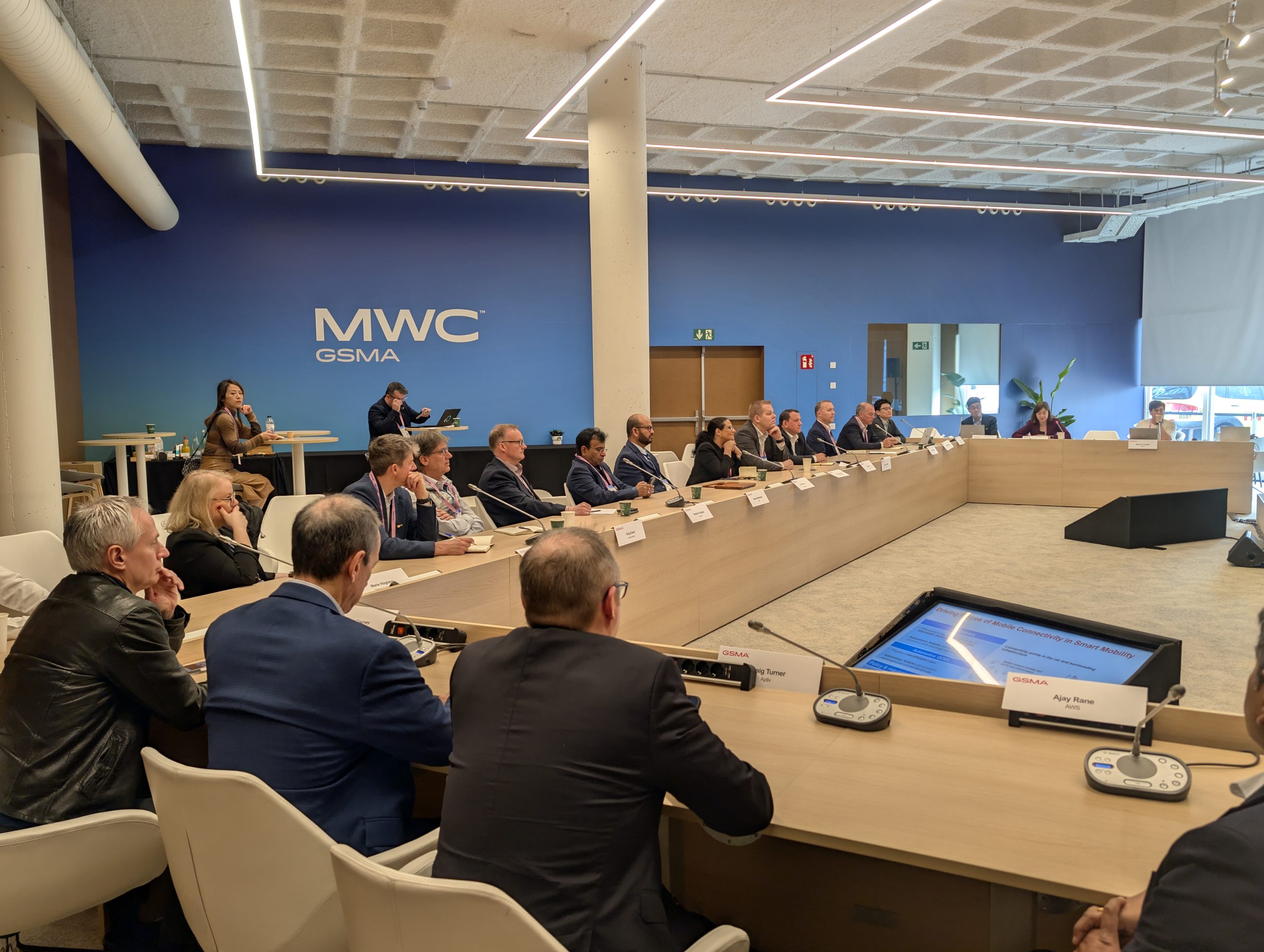
Recently, the GSMA hosted a diverse group of industry leaders—spanning telecommunications, automotive OEMs, aviation, and technology providers—for a pivotal roundtable. The overarching goal was to dissect the future of smart mobility, understand the evolving requirements of these connected verticals, and explore how to fully leverage next-generation network capabilities. But as the conversation unfolded, a surprising consensus emerged: our biggest hurdles are no longer about building the technology.
The Cultural Divide: From Technical to Organizational Interoperability
One of the most striking insights from the roundtable was the acknowledgement that the engineering problems are largely being solved. As one technology provider noted, the industry is knocking down technical challenges “one at a time every day”. The true impasse lies in the lack of a shared business model and the deep cultural divide between telecommunications operators and original equipment manufacturers (OEMs).
For instance, telecom operators have invested tens of billions of dollars in network infrastructure and spectrum, but are struggling to deliver services they can easily monetise beyond basic connectivity. Conversely, automotive supply chains are fiercely cost-sensitive and highly regulated, often treating connectivity as a commodity and selecting providers based strictly on the lowest price.
An industry consultant pointed out that transitioning from a rigid “hardware mentality” to an agile “software mentality” is incredibly difficult for legacy manufacturers. To move forward, we must shift our focus from purely technical interoperability to organizational interoperability. It is no longer just about making devices talk to each other; it is about ensuring that our disparate business models can align so that value is recognized and shared across the entire ecosystem.
The Device Dilemma: Navigating Lifecycle Mismatches
A recurring pain point raised by participants was the severe mismatch in technology lifecycles. A vehicle is a significant financial investment built to remain relevant and functional for up to a decade. Yet, the software that powers these new software-defined vehicles demands rapid iteration, often requiring updates every few months.
Compounding this dilemma is the telecom industry’s historical cadence of sunsetting legacy network generations roughly every ten years—a pace that evolves too fast for the automotive industry to keep up with. This temporal collision creates a massive, open question for the ecosystem regarding how to manage transitions for the millions of legacy devices and vehicles already on the road. While pushing AI inferencing to the edge—directly into the vehicle—helps mitigate the need for constant, 100% network availability, the underlying hardware must still be able to support these continuously evolving software demands.
Pragmatic Next Steps: Follow the Value, Simplify the Pitch
If the technology is ready but consumers aren’t willing to pay a premium for advanced connectivity, where does the revenue come from? Industry experts suggested a pragmatic pivot: avoid overcomplicated consumer pitches and look toward adjacent, cash-rich industries that benefit from the data.
One participant highlighted the massive potential of partnering with the insurance sector, noting that safer, connected vehicles actively reduce accident liabilities. Because the core focus of insurance is risk reduction, these companies are highly motivated to subsidize the cost of connected data. Similarly, another expert pointed to the smart energy sector, where connected EV batteries can be leveraged for grid “peak shaving” while vehicles sit idle. This generates new B2B revenue streams for the grid and the telecom operators, which can ultimately offset the premium hardware costs for consumers.
Conclusion: Looking Toward an Agentic Future
As we look toward the horizon of 6G and beyond, the conversation is rapidly shifting toward “embodied AI” and Agentic AI—generalized intelligent systems that interact physically with the world. Realizing this vision will require an unprecedented amount of data collection from connected vehicles and a seamlessly unified ecosystem. We must bridge the cultural and economic divides today to build the truly intelligent networks of tomorrow.
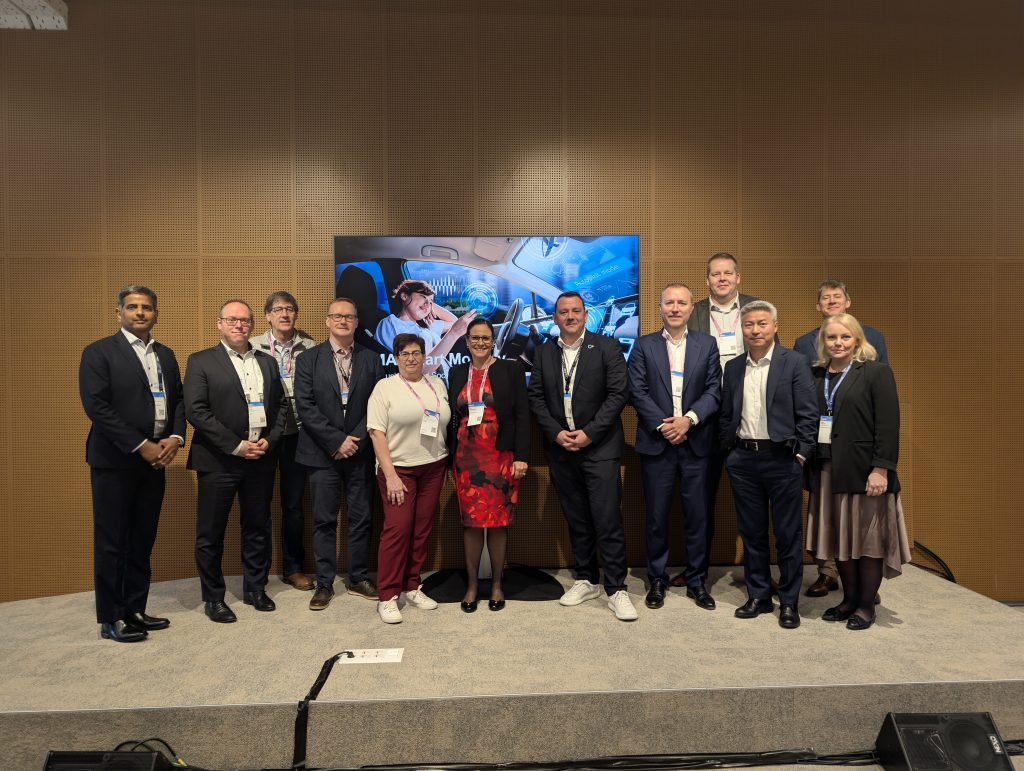
Thanks to participants from the following organisations for joining the discussion GSMA Intelligence, Spirent (now part of Keysight), Indra Mobility, 5G Automotive Association, Telenor IoT, UISEE Technologies, Aptiv, Wind River, Cubic³, The HAPS Alliance, Intel, GlobalPlatform, AT&T, FLYT, IBM Consulting, AWS, HARMAN International, Automotive Edge Computing Consortium, Toyota Motor Corporation.
Photo gallery