


Wednesday 22 July, 2026
Author Roy Chua, Founder and Principal of AvidThink
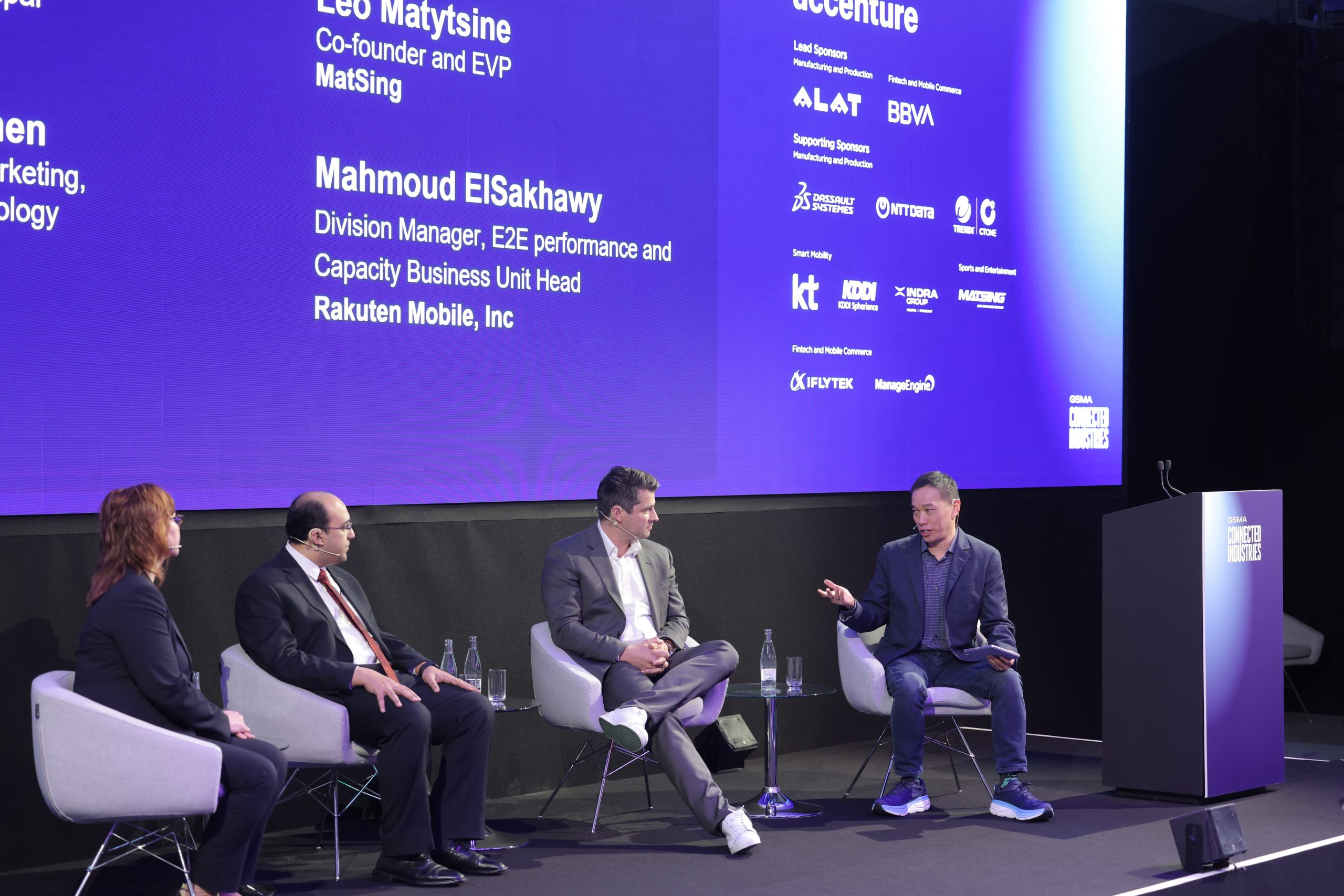
The 2025 GSMA Mobile World Congress in Barcelona again became the global stage for showcasing transformative mobile technologies. As moderator of the “How Mobile Tech is Transforming the Sport and Entertainment Vertical” panel at the Sports and Entertainment Summit, I had the privilege of engaging with industry leaders redefining how fans experience live events.
The panel featured Leo Matytsine, Co-founder and EVP of MatSing; Tuula Tomminen, Head of Product Marketing, Strategy, and Technology at Nokia; and Mahmoud ElSakhawy, Division Manager, E2E Performance and Capacity Business at Rakuten Mobile, Inc. Together, they painted a compelling picture of a rapidly evolving landscape in which mobile connectivity has become a critical enabler of modern sports and entertainment experiences.
The Exponential Growth of Data Demand
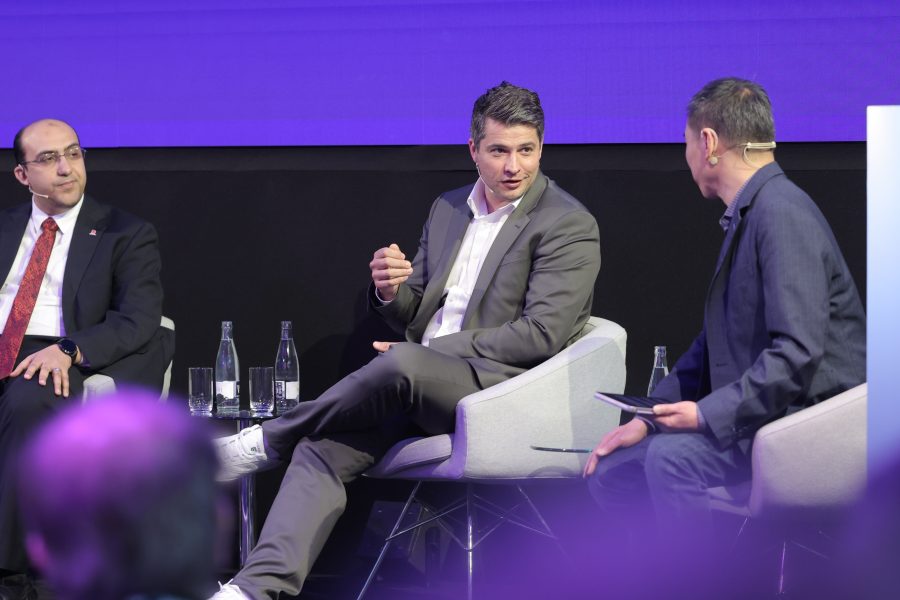
The most staggering revelation from the session was the scale of data consumption at venues. US stadiums are experiencing a whopping 40-70% year-over-year increase in data traffic. As Leo Matytsine from MatSing pointed out, even when the number of users remains approximately constant — citing the example of the 200,000+ attendees at the Coachella Music Festival — the demand for data doubles annually due to higher resolution cameras, enhanced streaming quality, and more sophisticated social media applications.
The Super Bowl, traditionally America’s premier sporting event, saw 96 terabytes of data (note: Verizon customers only who made up about half of the attendees) consumed in a single day at the stadium — 80-85% of that traffic traveling over cellular networks rather than Wi-Fi. This underscores the critical importance of robust cellular infrastructure in meeting contemporary fan expectations.
Evolving Fan Expectations: From Basic Connectivity to Immersive Experiences
Tuula Tomminen from Nokia emphasized that baseline expectations have shifted dramatically: “For venue goers, the expectation level is high nowadays… The prerequisite is that multimedia streaming is working everywhere in large venues as good as in your everyday life.”
But fans aren’t merely content with reliable streaming capabilities. They now demand immersive experiences that transcend traditional spectating. Mahmoud ElSakhawy shared how Rakuten Mobile collaborated with a Japanese team (Vissel Kobe Football Club) to transform their stadium into an augmented reality data environment, changing “the customer experience from watching a match into an interactive experience.”
This evolution reflects a fundamental shift in how we engage with live events. As I noted during the discussion, it’s ironic that we attend venues to watch live events together yet increasingly find ourselves engaging through our screens even while physically present. Nevertheless, as the panelists agreed, customer demand inevitably dictates the direction of innovation.

The Underlying Technology Infrastructure
The panel explored the technological foundations supporting this data revolution, focusing on Distributed Antenna Systems (DAS), small cells, private 5G networks, and Wi-Fi deployments.
Leo Matytsine provided insights into MatSing’s innovative lens antenna technology, which resembles the human eye’s ability to send and receive signals in multiple directions simultaneously. These lens antennas have evolved to address the drastic changes in capacity requirements: “Where before you could have one antenna that creates one sector and completely satisfied everything, now it wasn’t enough. We needed to create many, many different sectors, create many multiple antennas.”
The discussion touched on the ongoing evolution of wireless standards, with Wi-Fi 6, Wi-Fi 6E, Wi-Fi 7, and beyond. Despite these advancements, the panelists agreed that cellular connectivity would likely remain the dominant solution for high-density venues due to its superior capacity and security capabilities.
Private 5G: Security and Capacity for Modern Venues
Private 5G networks emerged as a promising solution for sports and entertainment venues. Mahmoud ElSakhawy explained that private 5G is crucial in entertainment areas and modern sports and high-scale venues for two primary reasons: high-capacity requirements and security needs. “Private 5G network is designed to allow and support high capacity and to utilize the dedicated bandwidth for high speeds and ultra-low latency,” he noted. “At the same time, it’s providing features that allow security and high level of security because the network will be owned by the venue, so they can apply all the highest levels of security.”
This security dimension becomes increasingly important as venues deploy sensitive IoT applications like security cameras and environmental sensors alongside fan-facing services. The ability to implement network slicing—separating different types of traffic—further enhances security for sensitive data and transactions.
Monetization Strategies: Beyond Connectivity
The conversation eventually turned to how these technologies can generate new revenue streams—a critical consideration given that 70% more traffic doesn’t automatically translate to 70% more revenue for operators or venues.
Tuula Tomminen highlighted Nokia’s real-time extended reality multimedia solution (RXRM), which combines 360-degree cameras with 3D audio to deliver immersive live streaming. Their proprietary V4 technology achieves a remarkable 90% reduction in network uplink requirements, enabling “event organizers to organize new types of events, kinds of tours… and do that deep fan engagement outside normal stadium events.”
This approach addresses another challenge Tuula identified: venues that consistently sell out, leaving many fans without tickets. Remote experiences powered by extended reality can create premium viewing opportunities for those unable to attend in person.
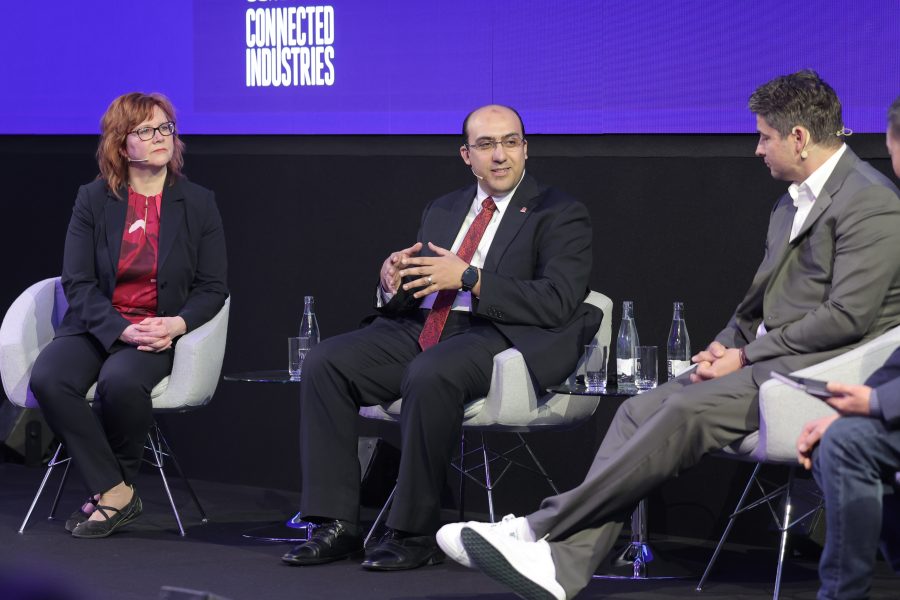
Mahmoud ElSakhawy outlined multiple monetization avenues, including personalized advertisements based on user data, e-commerce integration through the Rakuten ecosystem, and enhanced tourism experiences using 5G-powered drones. He emphasized that “collaboration and partnerships are important,” citing Rakuten’s work with various technology providers like Cisco, Airspace, and Tech Mahindra, to develop unified private 5G solutions.
Leo Matytsine pointed to the trend toward contactless, seamless stadium experiences, where technology removes friction from every transaction. The Los Angeles SoFi Stadium exemplifies this approach with digital ticketing and purchasing experiences throughout the venue.
Real-World Applications Changing the Game
Several compelling use cases demonstrated these technologies in action:
- Nokia’s RXRM solution, deployed with Austrian telecom A1 and Red Bull Salzburg, placed multiple cameras throughout the stadium and live streamed to VIP audiences in Vienna. This feed outpaced traditional TV broadcasting, creating “magic moments” for remote viewers who could experience the content via screens or VR headsets.
- Another Nokia initiative with Eintracht Frankfurt and their “IoT garage” is exploring innovative technologies to enhance fan value through their Deutsche Bank Park Arena.
- Rakuten Mobile’s partnerships in Japan have created interactive experiences where fans can select individual players to view their statistics while simultaneously accessing Rakuten’s e-commerce platform to purchase merchandise–all seamlessly integrated within the match-viewing experience.
Looking Ahead: The Future of Mobile in Sports and Entertainment
The panel stated that we’re at the beginning of mobile technology’s transformation of sports and entertainment. As AR/VR technologies mature, private 5G deployments expand, and application developers leverage edge computing for optimized experiences, the line between physical and digital engagement will continue to blur.
Venue operators, teams, broadcasters, and technology providers will need to harness these innovations in ways that enhance rather than distract from the core live experience—keeping fans engaged while opening new avenues for monetization and business growth.
This MWC 2025 session makes it clear that connectivity is no longer merely a convenience at sporting and entertainment events — it’s the foundation upon which the modern fan experience is built. Those who can master this evolving digital landscape will define the future of sports and entertainment engagement.
To learn more about the Sports and Entertainment Summit 2025 and to access on-demand videos from the day, CLICK HERE.
