


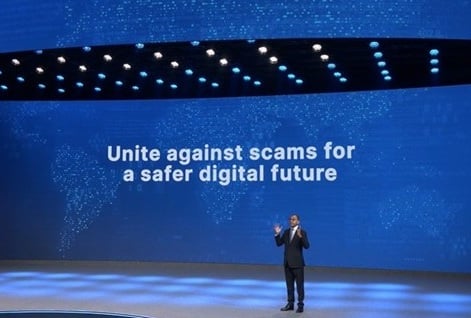
At MWC Barcelona 2026, it was clear that scams was a strategic priority, with GSMA’s “United Against Scams” initiative mobilising the industry to confront a rapidly scaling global scam economy. With AI-driven fraud, phishing, and social engineering attacks accelerating in sophistication and volume, coordinated, cross-sector action is now imperative.
Through a series of high-impact summits, conference sessions, and roundtables, GSMA convened leaders from telecoms, financial services, technology platforms, and public sector organisations to address one of the most critical threats to the digital ecosystem. The depth of engagement reflected a clear mandate: strengthen consumer protection, reinforce digital trust, and operationalise collective defence.
Industry Collaboration
GSMA is driving a coordinated approach to accelerate intelligence sharing and response capabilities across sectors. Key sessions provided strategic clarity on the evolving threat landscape and the actions required:
Policy and Global Coordination
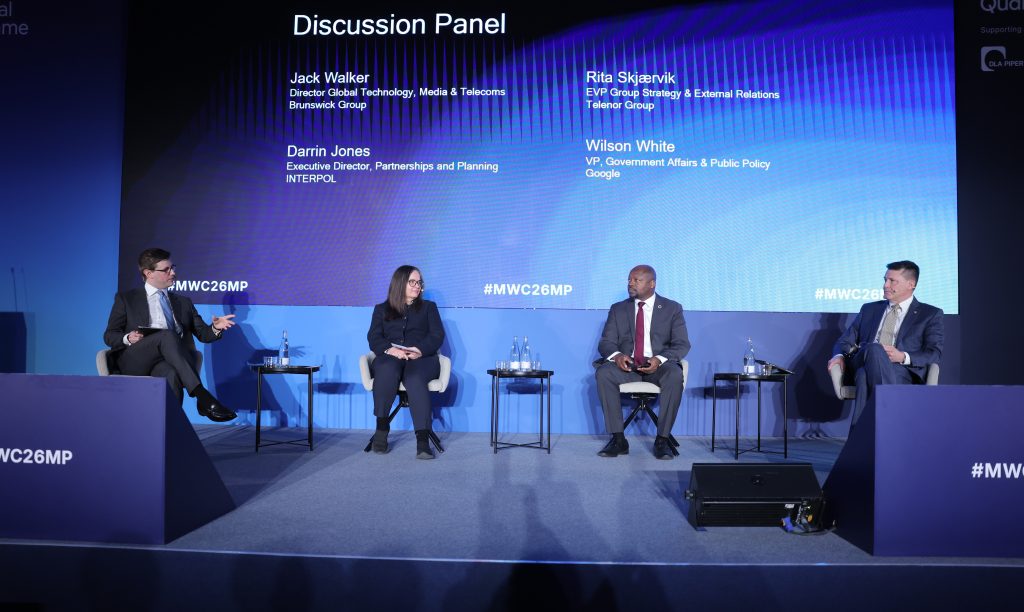
At the Ministerial Programme session “Are We United Against Scams?”, industry and government leaders aligned on the need for shared responsibility, policy coherence, and coordinated global action to strengthen consumer protection.
AI, Cybersecurity, and Emerging Threats
SEC CON examined the convergence of cyber breaches, AI-enabled fraud, and supply chain vulnerabilities, with a focus on the rising impact of social engineering. In “Scam Wars: When AI Joins the Fight,” experts explored AI’s dual role as both threat vector and defensive tool, outlining strategies to mitigate emerging risks, including quantum-era implications.
Identity, Trust, and Secure Ecosystems
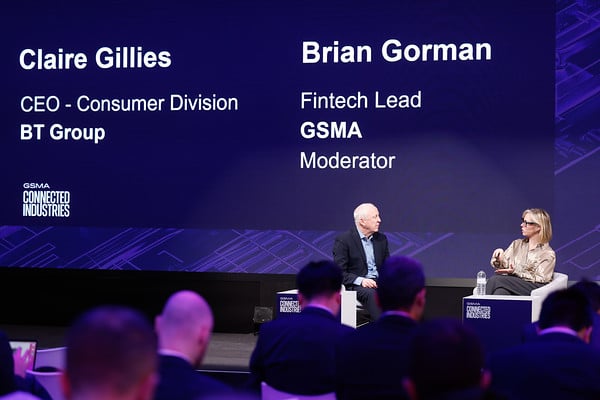
Sessions at the Fintech & Commerce Summit and Mobile Identity Summit underscored how scams erode trust, while mobile identity, strong authentication, and interoperable frameworks enable secure, real-time fraud prevention through ecosystem-wide collaboration.

Technological Innovation and Real-World Deployment
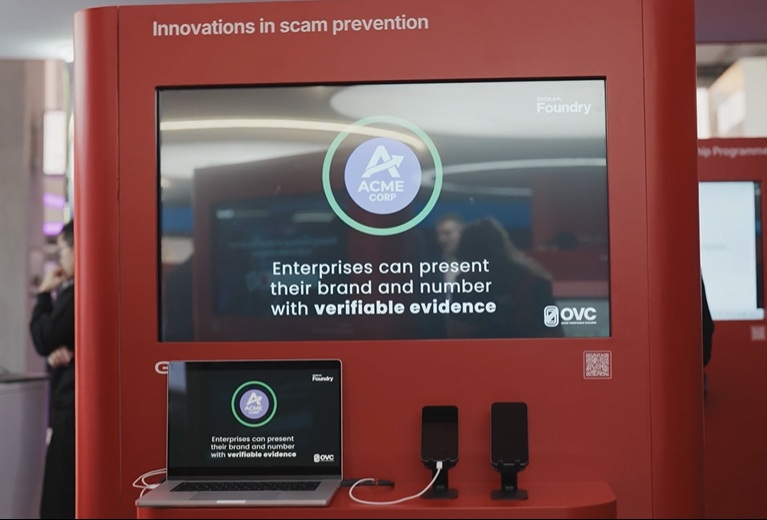
The GSMA Foundry projects demos at Pavilion translated innovation into execution. Proof-of-Concepts (PoCs) including Open Verifiable Calling, Trusted Caller Identity, and Virginia Tech Scam Bot Detection, demonstrated how network intelligence, open standards, and digital identity frameworks can enable early threat detection, caller verification, and real-time intervention at scale.

Collectively, these discussions reinforced a clear conclusion: combating scams at scale requires the integration of advanced technology, aligned policy frameworks, and sustained cross-industry collaboration. This urgency is further evidenced by insights from the Scams Policy Overview and Mobile Security Landscape Report 2026, which estimates global scam-related losses exceeding $1 trillion.
Sustaining Momentum Beyond MWC26
GSMA will continue to equip our members with best practices, frameworks, and actionable insights to advance global anti-scam efforts. However, sustained impact depends on active participation. Engage with GSMA’s working groups and communities to help shape standards and drive measurable progress in the fight against fraud.