


By Chanita (Sammy) Craythorne
Mrs Thailand World 2025 | Brand and Media Coordinator, Save the Children Thailand
When I talk about needing rules for AI for women, I’m not talking about a slogan. I’m talking about a real-world game plan to make sure this technology actually works for women and girls. It’s about who gets a say, how we check these systems, what data we use, who can get access, and how we fix things when they go wrong.
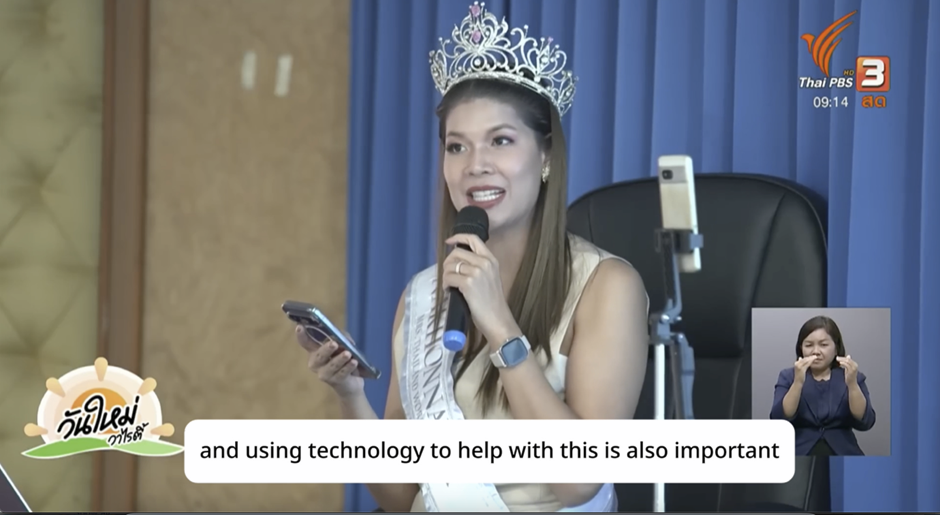
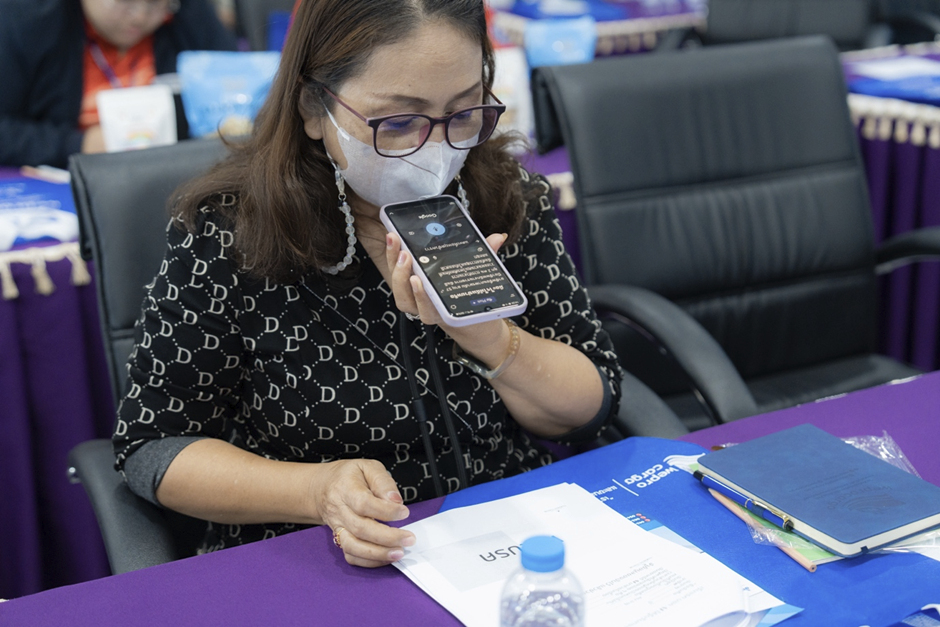
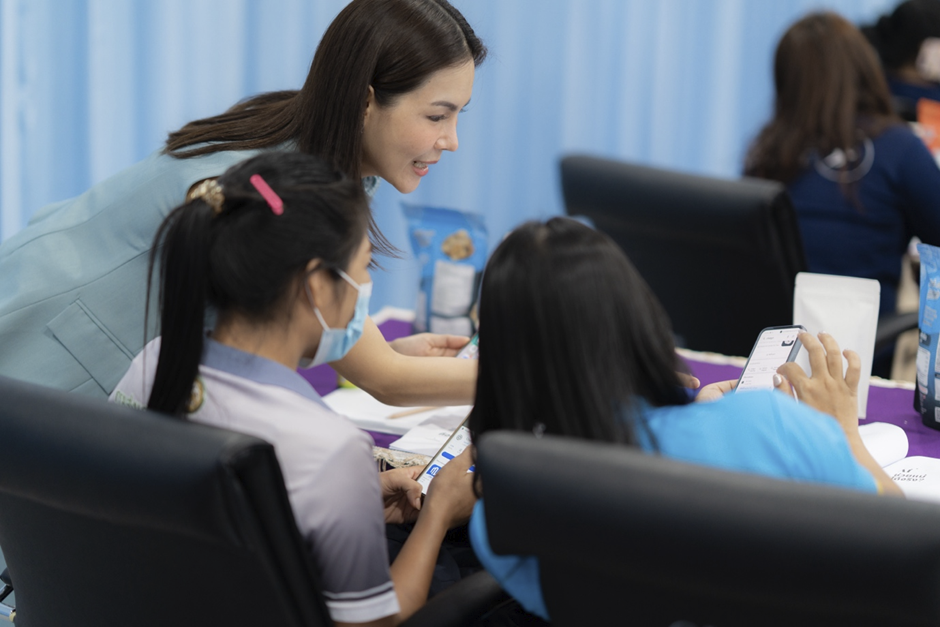
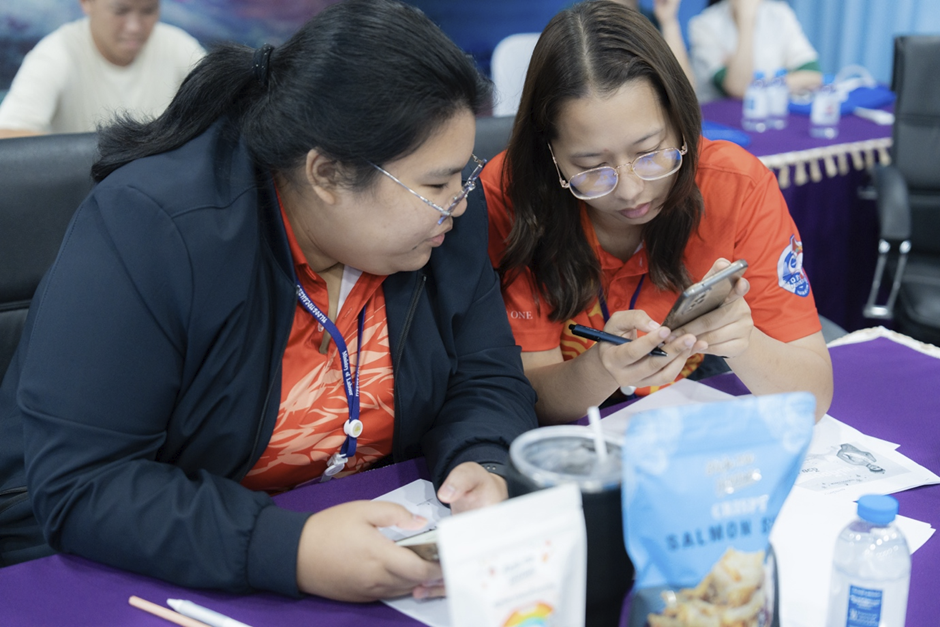
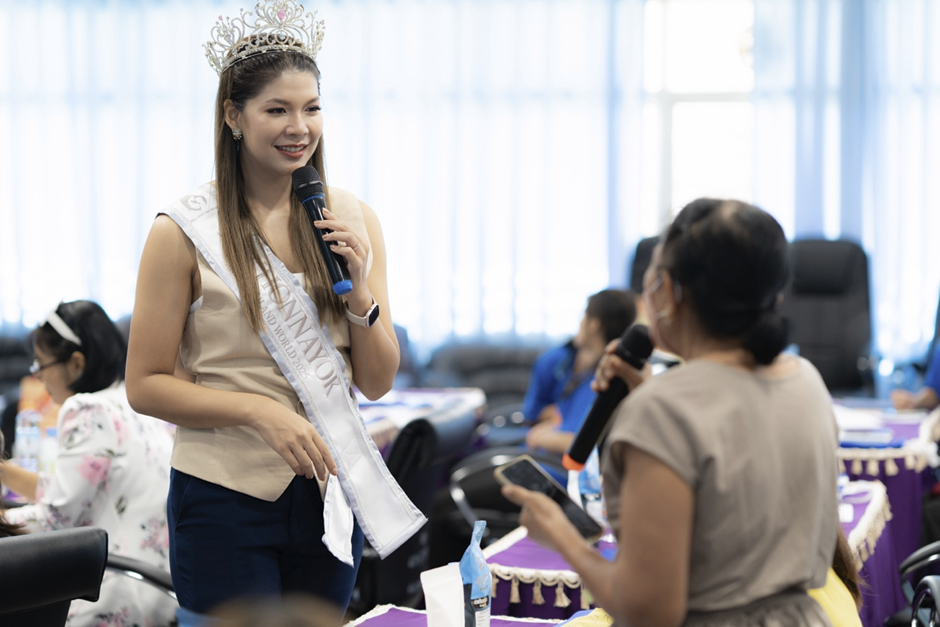
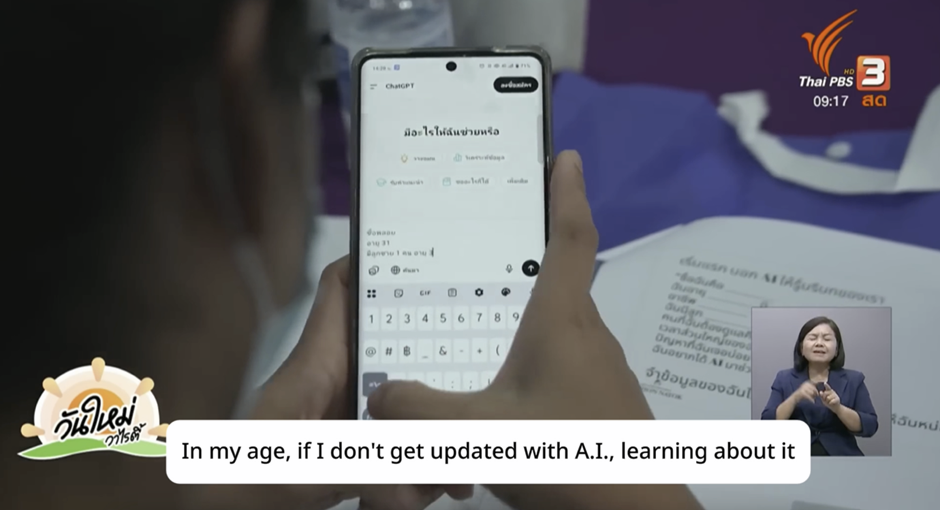
It all became real for me in a small room in Nakhon Nayok. Fifty mothers walked in with their phones and a lot of questions. No one had a laptop. We didn’t bother with calendars; we started by downloading an AI app right there. We talked about why it matters, how to ask it the right questions, and how you need to let it learn about you before it can really help. Most importantly, we talked about why you should always double-check its answers. AI is a guide that can show you options, not a boss that gives you orders.
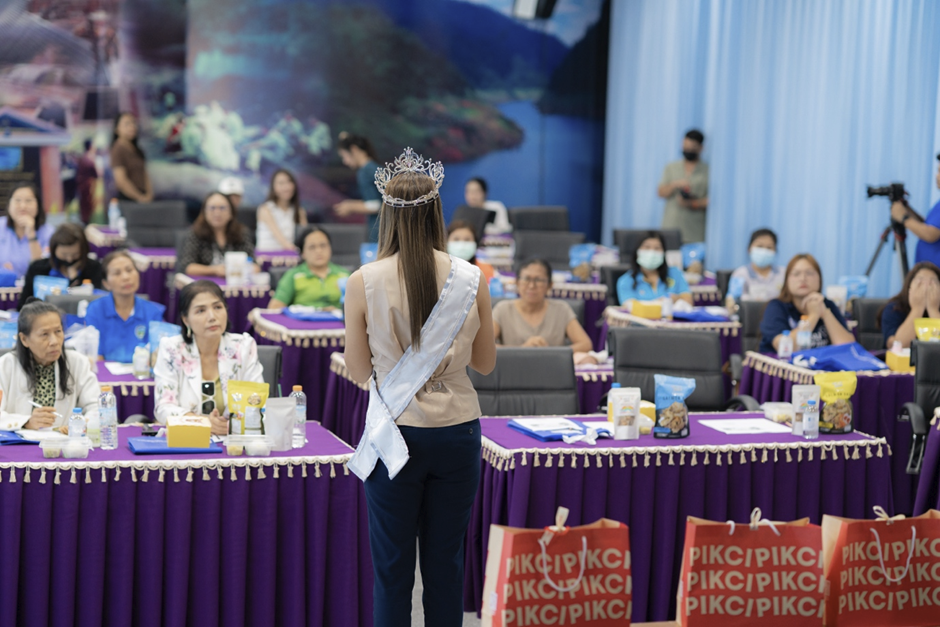
One mother put it perfectly: “The first time I asked, I learned it can point me in a direction. It sparks ideas when I’m stuck. It’s not always exact, but it helps me move forward.”

The biggest lesson we learned that day was simple: phones are the gateway. For so many mothers, especially outside the big cities, their phone is their first—and only—connection to the digital world. That’s why we have to start there.
Thailand is racing to build up its AI capacity, and that’s a good thing. But if we try to scale up without women in mind, we’ll just be counting users instead of changing lives. If the government buys AI that’s built on biased data, the systems will fail us. If new tools are rolled out when moms are deep in childcare duties, they’ll be shut out. It’s not because they lack grit. It’s because the system was never built to fit their day.
You can hire more women in tech and still release products that don’t work for mothers. Your data can be massive and still be completely skewed. That’s why we need rules—real governance. It’s how we turn nice words into things we can actually check.
So, what does this look like on the ground?
First, give us a real seat at the table. Not just executives. I’m talking about mothers, caregivers, and women running small businesses sitting on national AI committees—with a real vote on the goals and the budget.
Second, show your work. Before any company or ministry rolls out an AI system, they should have to publish a simple note on the data it used and a plain-language card explaining what it does. Test it to see if it works for women as well as men. If it doesn’t, fix it first.
Third, do a safety check. For anything important—health, hiring, loans, education—run a basic rights check before it goes live. Treat it like checking the brakes on a car.
Fourth, meet women where they are—on the phones they already use. Bring training to community centers, schools, and LINE groups. Offer it at times that work around childcare. But let’s go further. Let’s use mobile networks to send helpful tips by text message, offer short lessons you can listen to over the phone, and make sure learning websites don’t use up their expensive data. This is how you build confidence and skills quickly.
Fifth, be honest about the results. Forget the glossy press releases. Give us a quarterly scorecard we can all see: How many women are in decision-making roles? How many models were checked for bias? How many safety issues were fixed? And, most importantly, how many hours are families actually saving?
My day job is at Save the Children Thailand. I used AI to prepare for Mrs Thailand World 2025. And I use it to teach mothers how to get their time back. The title helps me open doors, but the real work is on the ground.
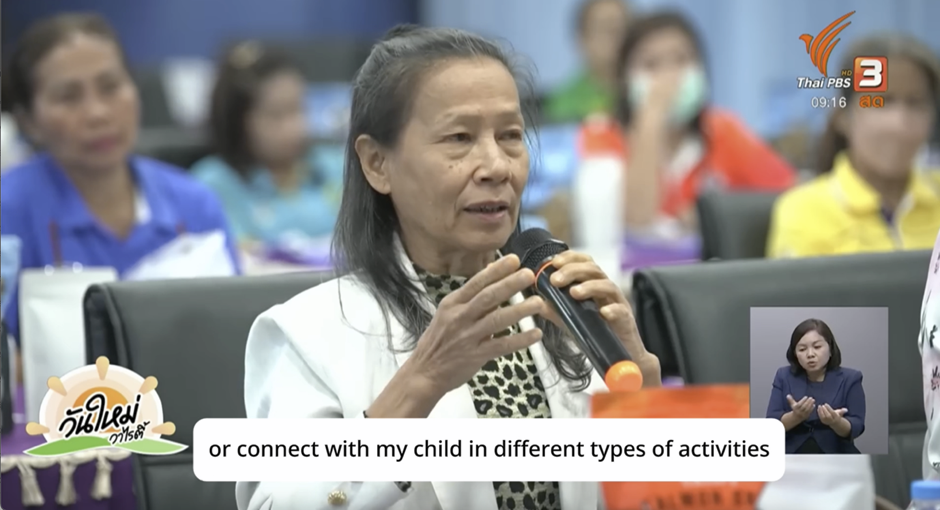
Don’t just take my word for it. Listen to what one of the mothers in our group had to say:
“I used to tell my child off for being on the phone. Then my child asked me about AI—and I realised it’s essential. When I work, it’s just me; with AI, it’s like there is 10 of me. I can use it for my job, to share information, to teach my child, and to connect with them… I think AI is necessary for every mother our age. If we don’t update ourselves and learn, we’ll be left behind.”
My plan is simple: I’m going to bring this model to 1,000 mothers across Thailand by the middle of 2026. We’ll have a simple curriculum focused on getting time back, managing money, and helping kids learn safely. And every quarter, we’ll publish our own dashboard to show our progress.
And this is a direct call-out to the mobile companies in Thailand: Help me reach these 1,000 mothers. Make the training pages free to access. Send out tips via SMS. Offer a toll-free number for reporting online harassment. Let’s work together.
What does success look like? It’s a mother planning her week while AI handles the boring stuff. It’s a clinic explaining a health tool in plain Thai and showing proof it was checked for bias. It’s a platform that acts fast when you report a deepfake.
Behind every happy child, there’s a happy mother. Let’s use AI to give her more time for her family and for herself.
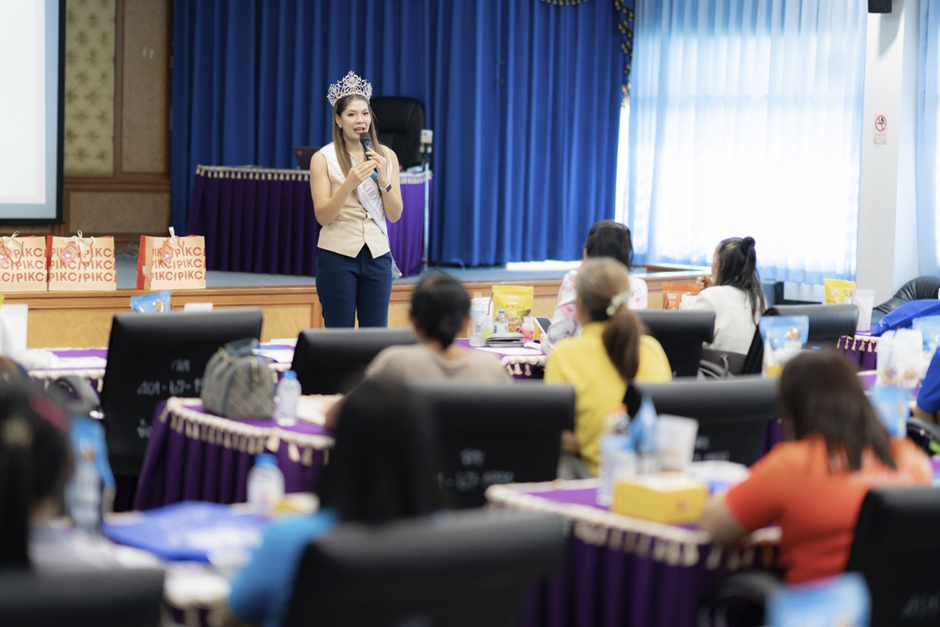
Title or no title of Mrs.World, the plan is in motion. 1,000 mothers by mid-2026.
Count mothers in. Build for their time. Publish the receipts.