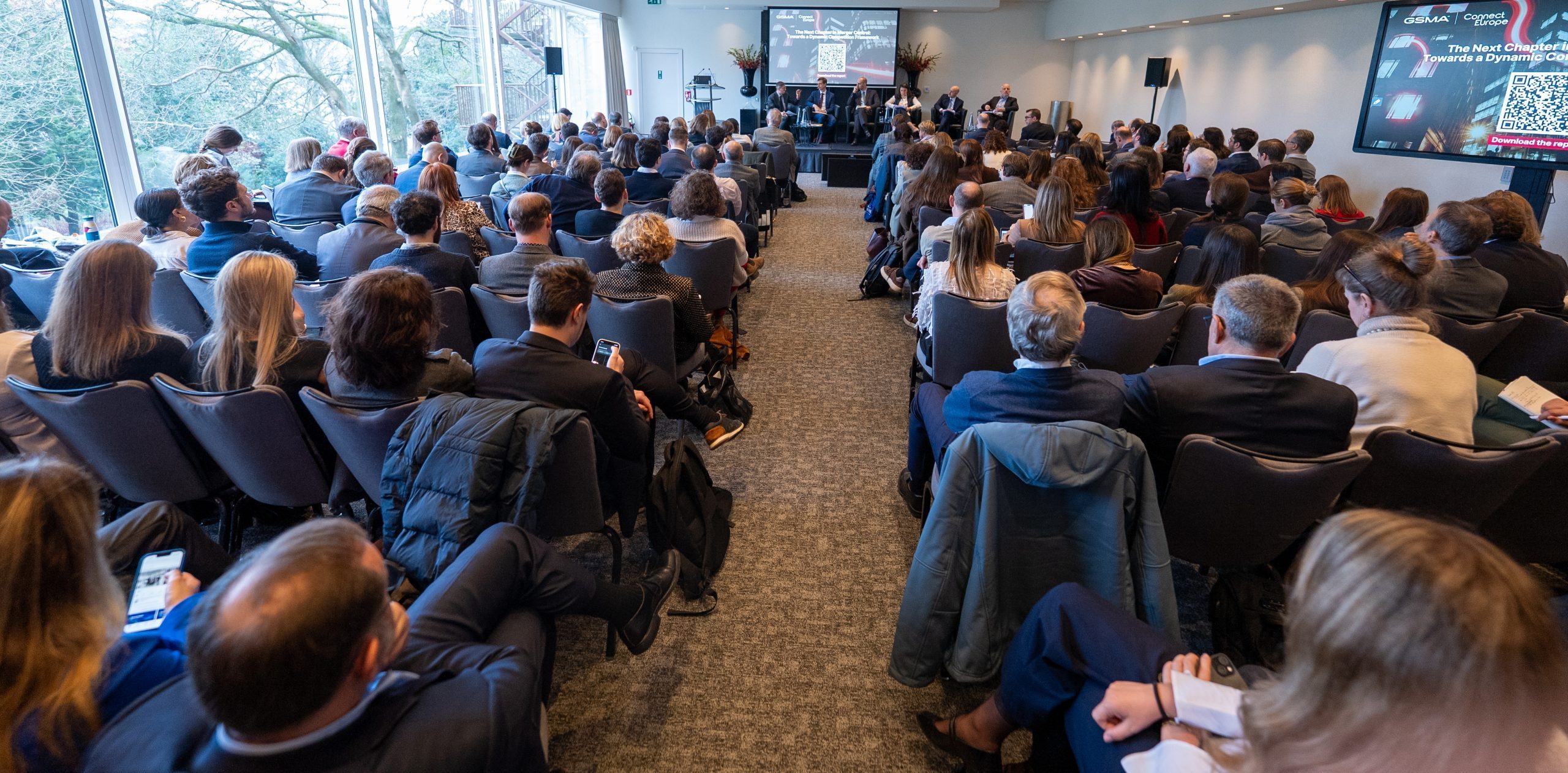
“How can merger assessments best reflect Europe’s policy priorities, and ensure the best outcomes for consumer welfare?” That was the billion-euro question that GSMA’s Director General, Vivek Badrinath, asked during his Opening Keynote at the event for the launch of BRG’s study “A Dynamic Framework for the Assessment of Horizontal Mergers”, commissioned by GSMA, with support from Connect Europe.
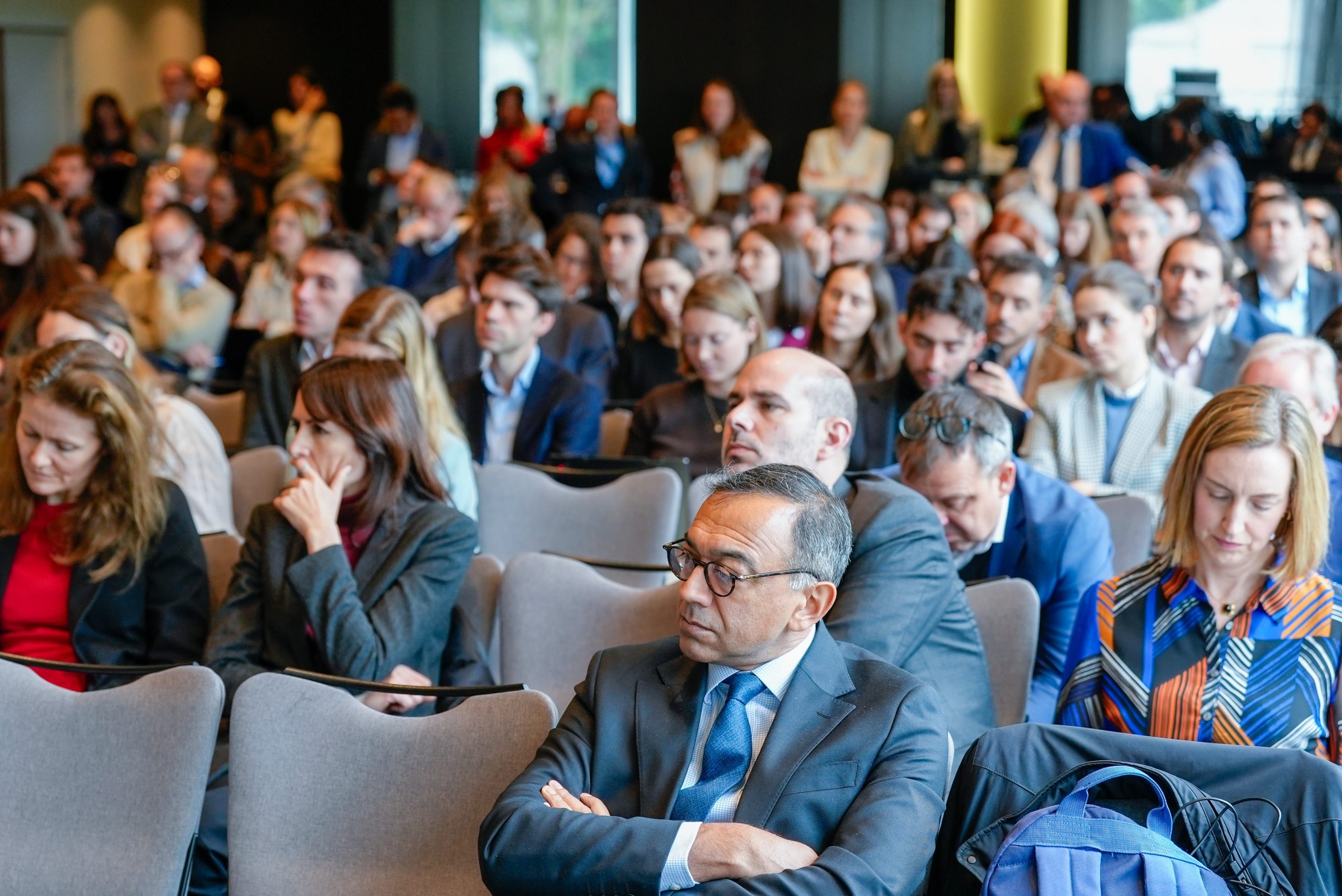
The event brought together policymakers from DG Competition and National Competition Authorities, academics, industry experts, and the wider competition community to reflect on key questions for DG COMP’s ongoing EU merger guidelines reform.

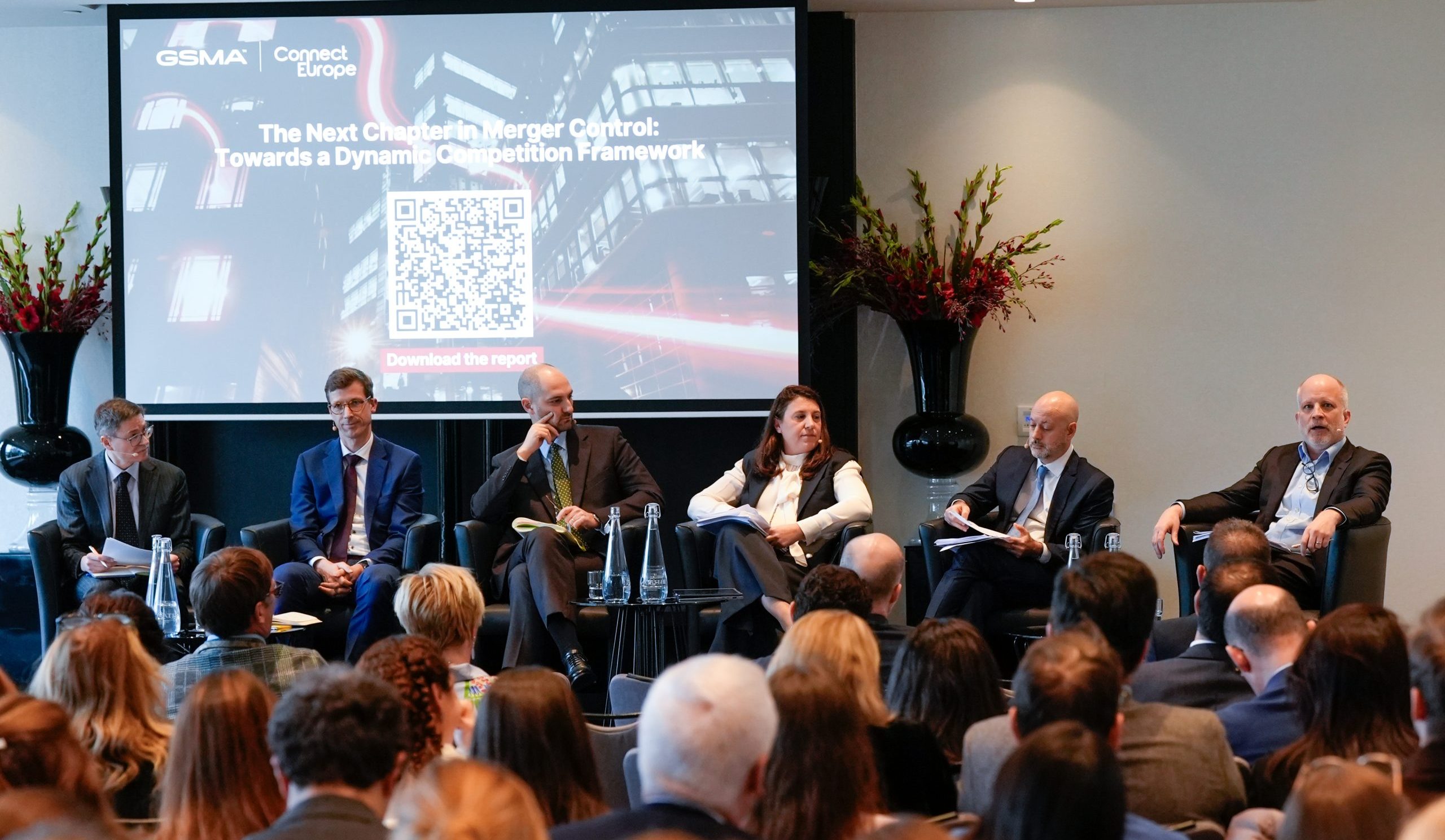
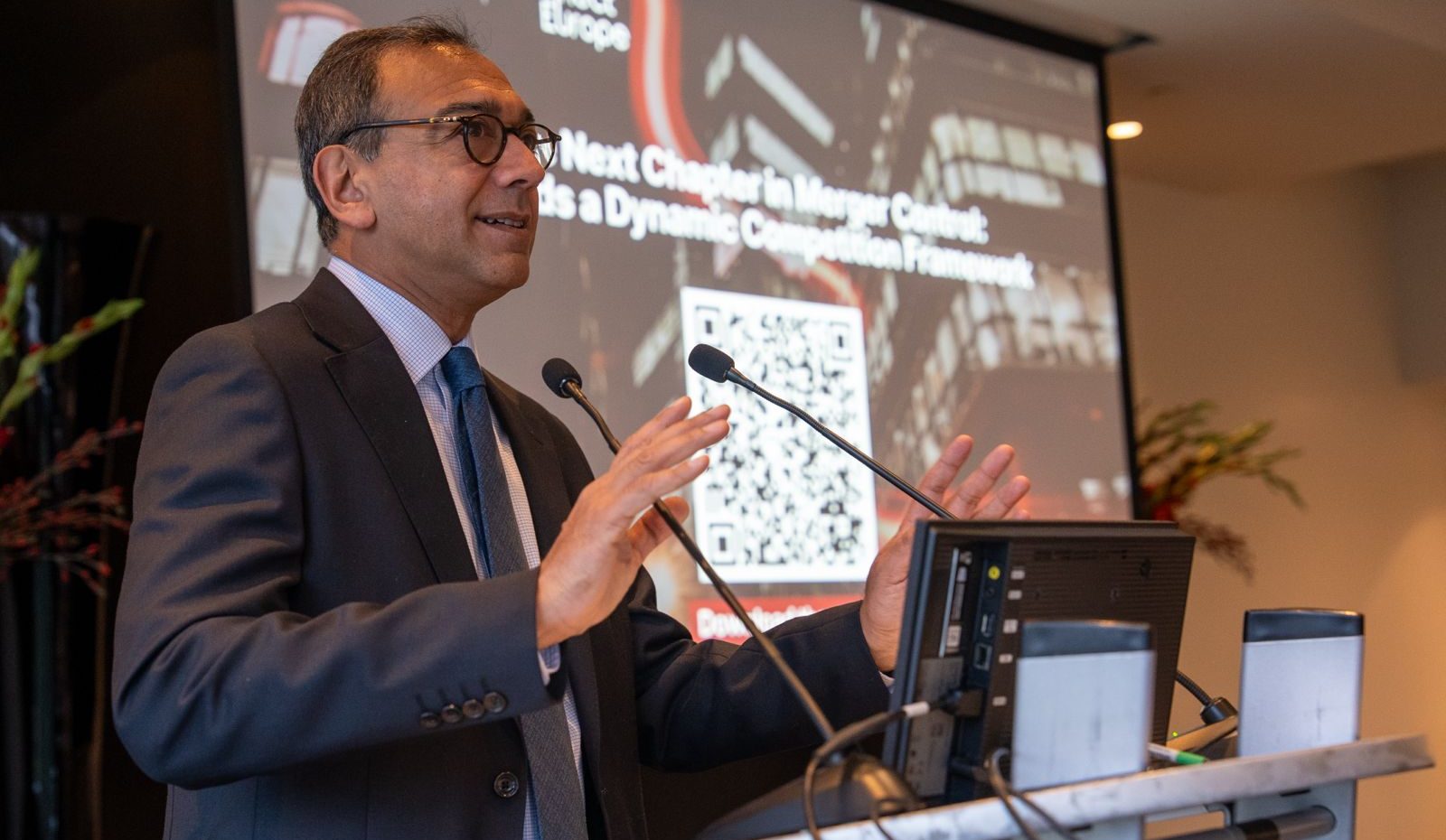

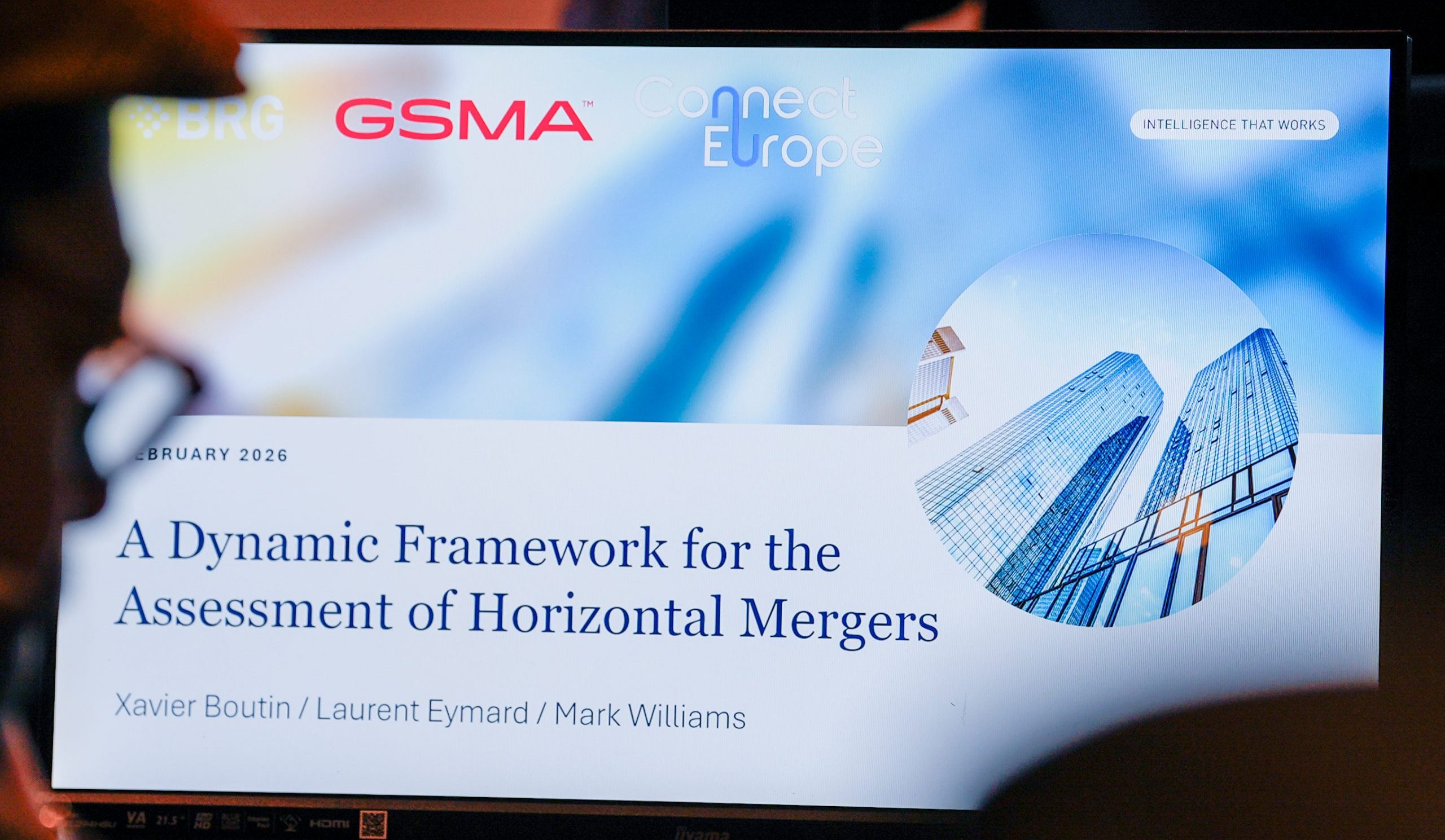
Report presentation: “A Dynamic Framework for the Assessment of Horizontal Mergers”
Xavier Boutin, Laurent Eymard, and Mark Williams (BRG) presented the key findings of their report, highlighting the flaws their analysis has identified in the European Commission’s current approach to merger review and offering a concrete methodology for adapting the framework to capture dynamic effects. Their proposed approach consists of three steps:
- Understand the main dimensions of competition that drive consumer welfare in the given industry.
- a: Assess theories of competitive effects (as opposed to theories of harm) along each of the identified dimensions in step 1. Here, the assessment will focus on what the report calls direct strategic effects, e., merger-induced changes in the parties’ behaviour arising directly from the change in ownership.
b: Integrate efficiencies into the core competitive assessment – efficiencies should be understood as merger-induced changes in the underlying parameters of the competitive environment, such as variable or fixed costs, technological and organisational synergies in production, distribution, or investment.
One of the key proposals of the report is that all strategic effects – direct and indirect, dynamic and static, pro- and anti-competitive – are evaluated together under the same standards. The report further suggests that merger assessments should take a broader view of consumer welfare.
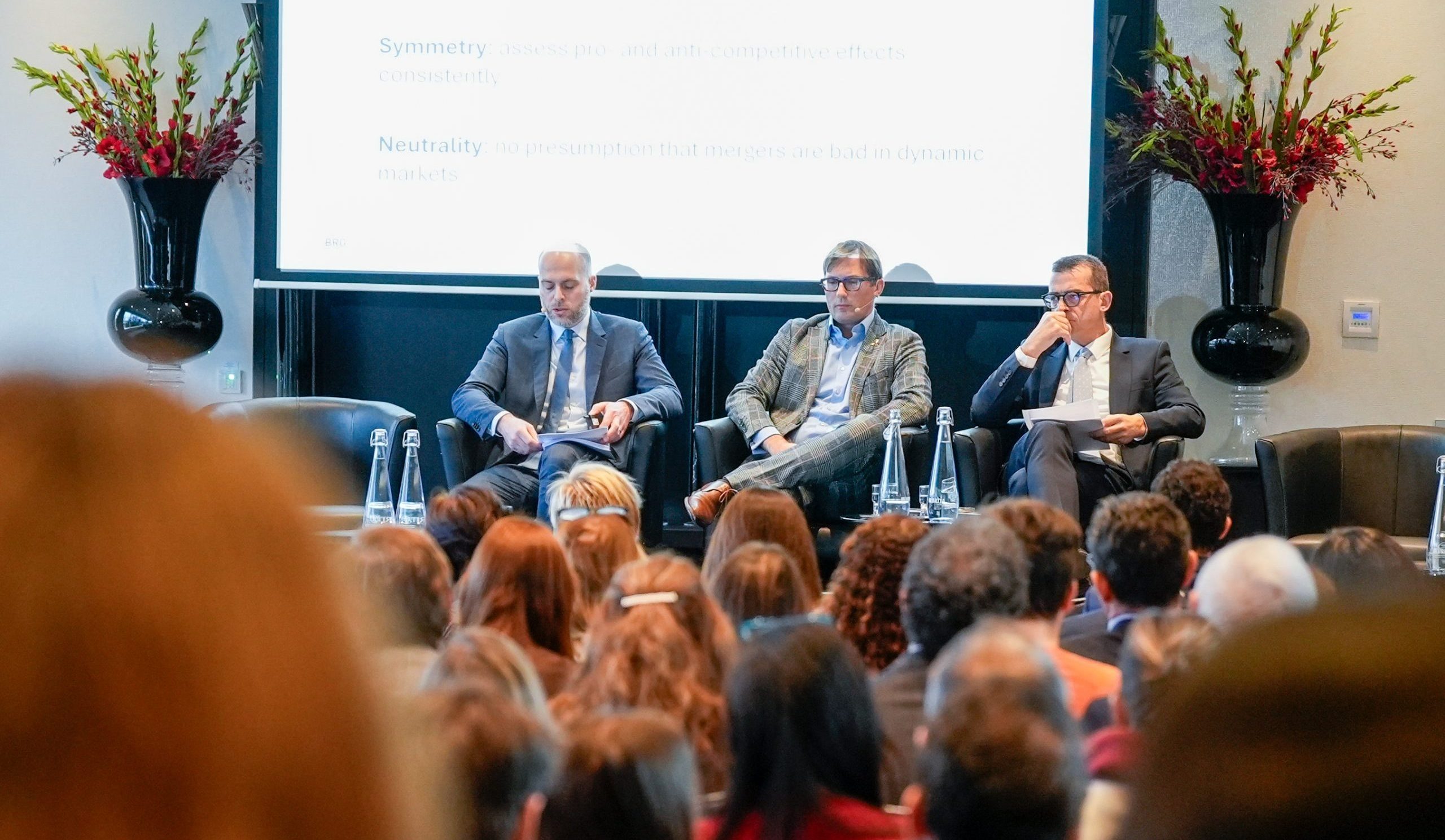

Merger Analysis: A More Dynamic Framework
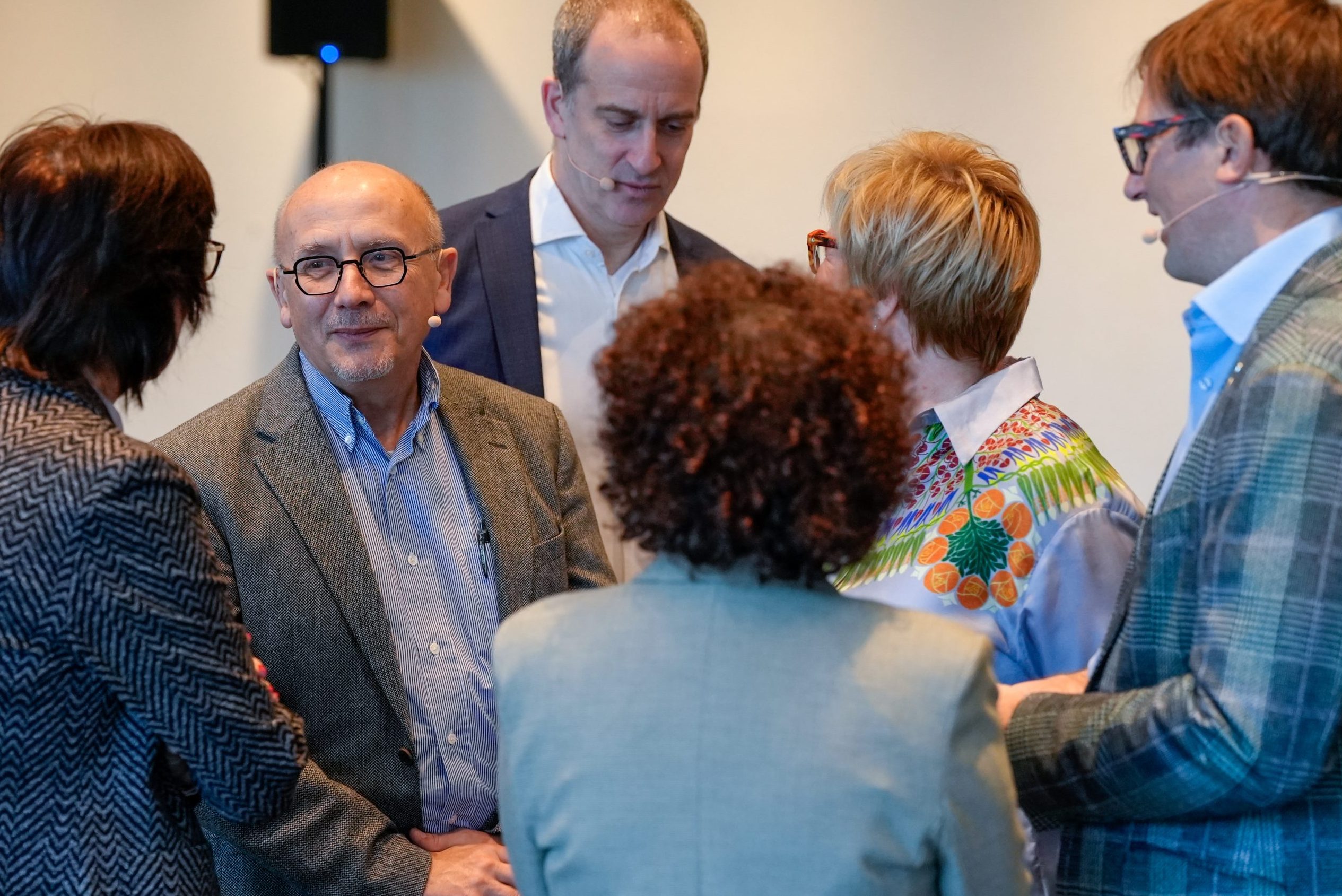
In the first panel, Emanuele Tarantino, DG COMP’s Chief Economist, highlighted several constructive contributions that the report makes, including the importance of understanding not just what harms innovation but also what drives innovation incentives. He remarked that DG COMP is considering engaging with efficiencies early on, and while he agreed that the benefits of mergers are more likely to arise when firms compete on innovation, the Chief Economist emphasised the importance of understanding how the merger changes incentives to invest and innovate now, without having to quantify their effects in 7-10 years’ time.
Ben Wreschner, Vodafone, captured the room’s attention when he remarked that in telecoms, mergers allow for the suspension of the rules of maths, as 1 + 1 = 4. That is because the shift in the supply affects average costs, which leads to added capacity of the network, resulting in better outcomes for consumers. Currently, he continued, the starting point in the merger analysis is often 1 + 1 = 2, reflecting an assumption that the conditions of supply stay the same after the merger.




Modernise the Rulebook: Translating Economic Theory into Practical Guidelines
The second panel discussion delved into several key questions for the merger guidelines review: should we move away from an approach where standards of proof in merger analysis are treated differently, how do changes in market structure change incentives, what is the appropriate counterfactual to examine in the analysis?
Daniele Calisti, Head of Unit at DG COMP’s Mergers case support and policy unit, clarified that within DG COMP, there is no bias for or against transactions, with each merger being assessed on its own facts. Dynamic effects also already play a role in the Commission’s merger analysis. Thus, the current challenge, according to the Head of Unit, is not about recognising dynamic effects but about how to assess them in a reliable and consistent way. Mr Calisti was clear that if there is a perception that the standard for proving efficiencies is biased and too difficult to meet, DG COMP is ready to work on addressing these concerns.
The panel featured a number of other insightful interventions, with Georg Böttcher, Siemens, noting that scale and investment incentives matter beyond telecoms, and across sectors. He cautioned that Europe risks falling behind in the global industrial race and emphasized that scale will be essential to fund the innovation needed for the EU to remain globally competitive.





A timely discussion at a pivotal moment for Europe
Throughout the day, the panellists outlined compelling visions for what the next chapter of EU merger control could look like. One thing was clear: at a time when Europe is redefining its economic ambitions, standing still is not an option. The lively and insightful discussions offered thoughtful reflections on how Europe’s merger framework can evolve to meet the changing economic realities while still placing consumers’ welfare at the centre. The task now is to translate reflections into action – a balanced and modernised approach to merger control will be needed to unlock investment, innovation, and long-term growth across the Union.
At the GSMA, we are proud to have contributed meaningfully, together with our partners, to this timely and important conversation on the future of EU merger control.