



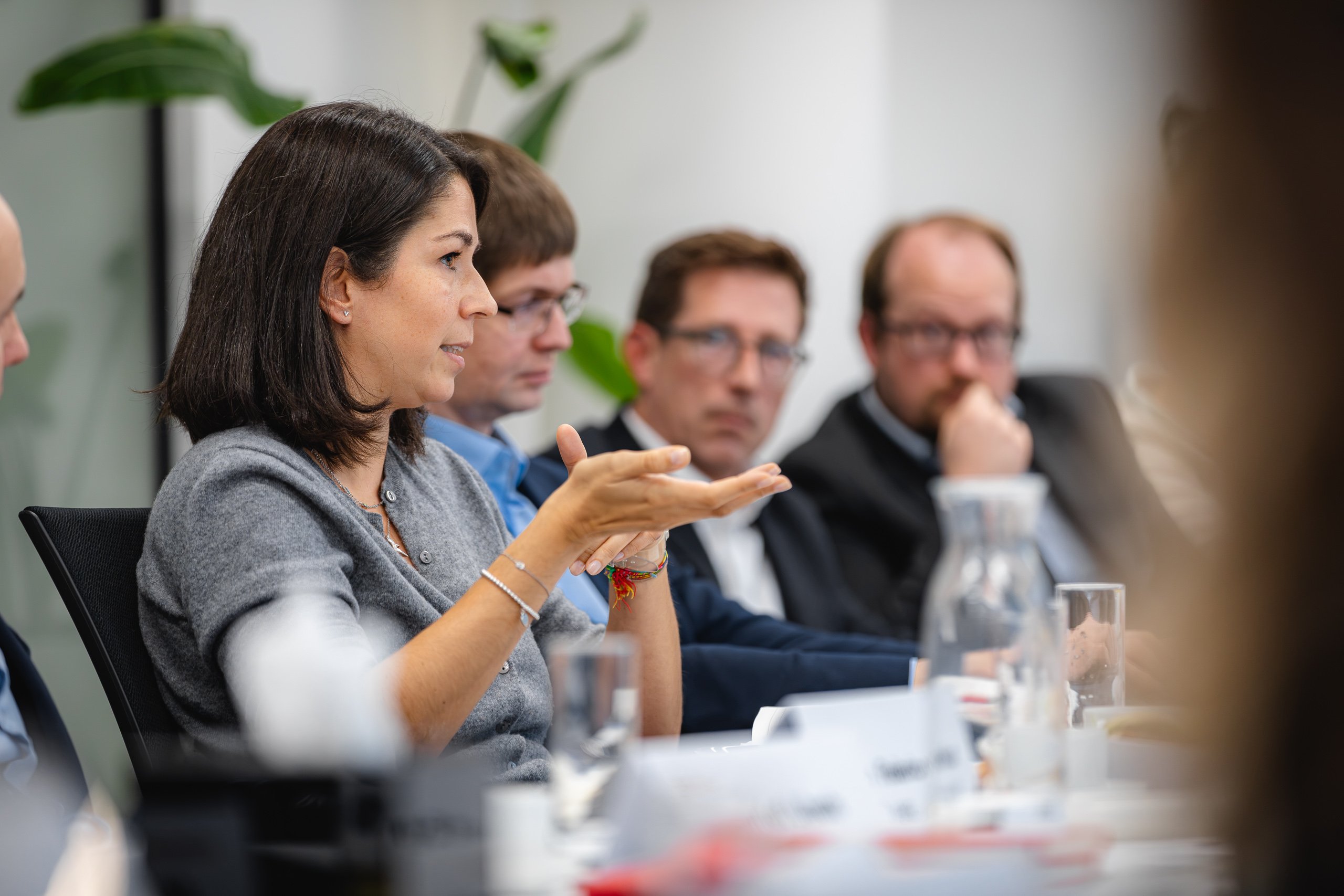

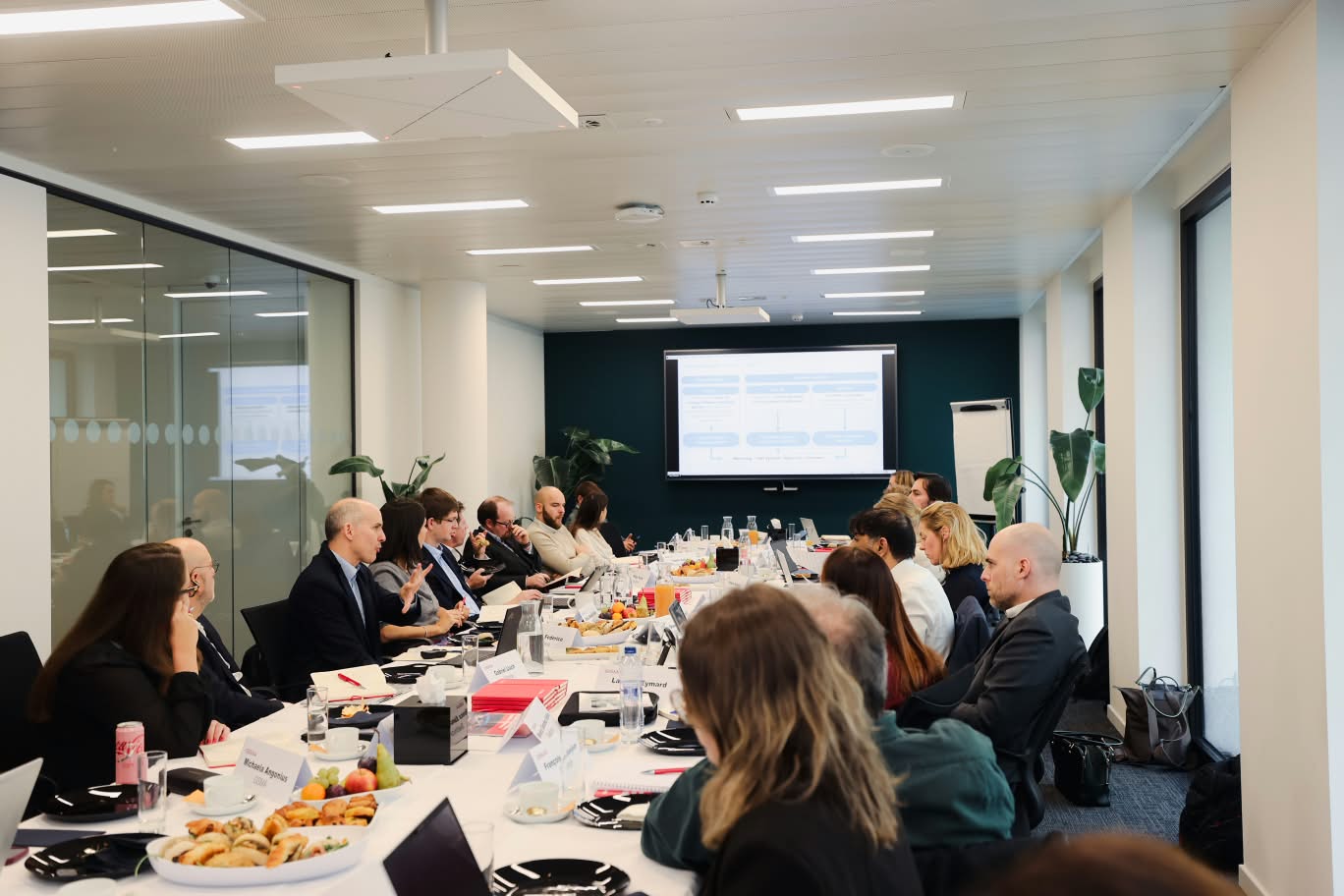




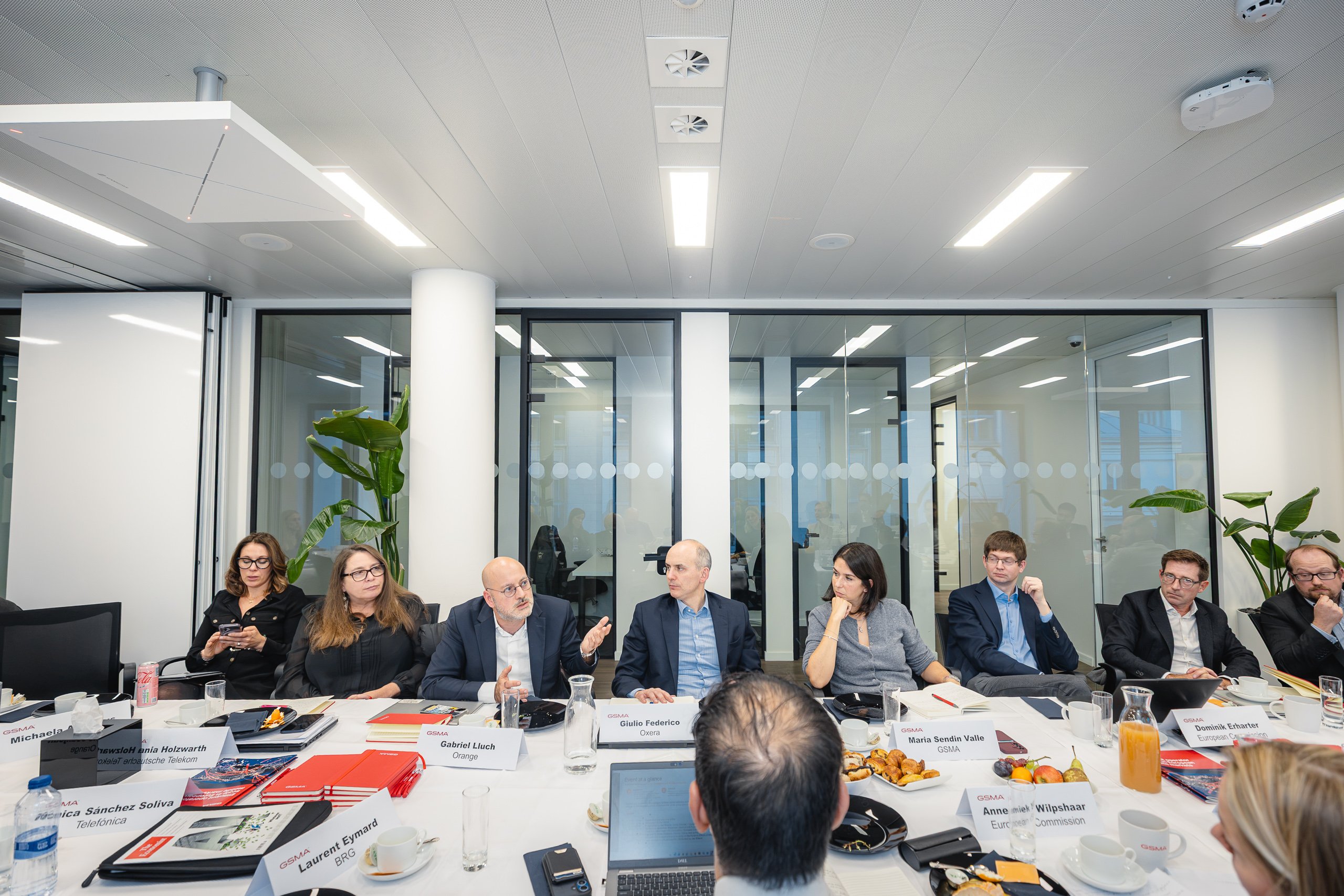
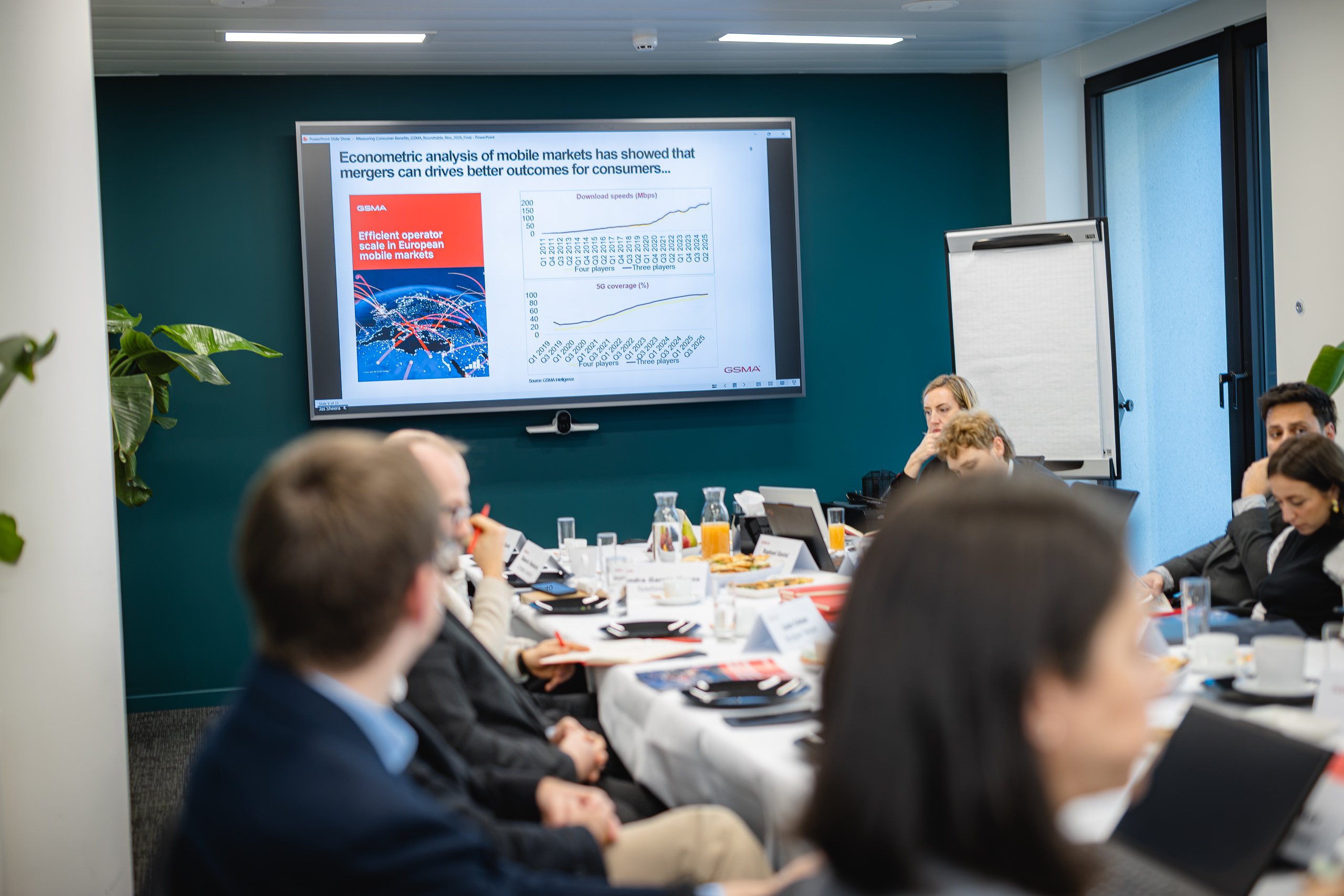

16 Nov 2026: The GSMA hosted the latest #GSMAConnected roundtable, bringing together stakeholders from across the competition space to debate topical issues affecting the communications sector. Participants from DG Competition, GSMA, economic consultancies, mobile operators and consumer representatives debated the challenges and value of defining a practical balanced scorecard of demand-side metrics that will help merger parties and competition authorities calibrate consumer welfare as part of the wider assessment of dynamic merger effects.
The event builds upon the previous #GSMAConnected event in July, when the GSMA launched its report, Efficient Operator Scale in European Mobile Markets . Both events were organised to contribute to the effective review and future implementation of the European Commission’s review of its Merger Guidelines, and in particular to one of its core objectives: to give greater weight to dynamic effects and to a theory of benefits that complements the longer-established theory of harm.
Key debating points included the challenges in translating supply-side metrics that assess quality of service into demand-side metrics that measure quality of experience. Delivering better outcomes for customers has always been the central objective of competition policy; optimising consumer welfare requires merger assessments that look beyond rigid presumptions based on market power and instead examine it through a balanced scorecard that gives appropriate weight to non-price consumer welfare parameters such as coverage, speed, latency, resilience and sustainability.
The discussion explored themes that are cross-sectoral, but the debate has a particular resonance for the mobile sector: how can investment by mobile operators be deployed most effectively to benefit customers and how can clear and tangible benefits for consumers be demonstrated in such a fast-paced market where new types of uses and use cases are constantly evolving.
The wider digital ecosystem, enabled by the mobile sector, has long been characterised by constant technological development. The mobile sector must anticipate these downstream demand-side developments in its longer-term network investment programmes that aim to upgrade network capabilities that will deliver and facilitate yet-to-emerge usage patterns. In merger analysis, this time lag has to be bridged through a consumer welfare lens, which tries to quantify consumer benefits, while recognising that emerging applications can be difficult to conceptualise and even value for consumers, service providers and competition authorities alike.
Herein lies both the challenge and the opportunity: by continuing to engage in insightful debate, and working together to develop a common currency for measuring consumer welfare through a mix of consumption and network data analytics, as well as primary research methodologies, stakeholders can help make a success of the revised merger guidelines, thereby increasing Europe’s competitiveness and boosting consumer utility.
GSMA thought leadership and GSMA Intelligence reports continue to play a constructive part in this process, providing a strong evidence base for a more forward-looking approach that both reflects market realities and supports the investment, innovation and resilience needed for Europe’s digital future.
#GSMAConnected Series: Small scale Big impact
This event is part of the #GSMAConnected Series of Events (formerly Mobile Meetings Series). These are small-scale, invitation-only meetings that provide a setting to explore, from a broader stakeholder’s perspective, EU policy issues that are central to the development of the mobile industry.