


There is no doubt that we live in the digital age, but as we move towards a life with increasingly greater presence on the internet, the traditional password remains part of the security to access our personal information. However, a password is the weakest and most tempting step for the theft of this information. So how can we keep a password secure? The ideal formula is to use about 24 characters, including letters in upper and lower case, numbers, symbols and a letter from another alphabet. But because we are only human, incapable of remembering a myriad of strong, complicated passwords, we end up resorting to the familiar “forgot password” process.
As part of this digital life, we have more and more connected devices to log in to our information, multiplying the access points and the platforms we use. As users, all we can do is change our passwords as recommended.
But is that really enough? Although we are committed to security and follow the recommendations to create a strong password, we remain in the hands of third parties. We often see news items about stolen passwords on the most important digital services, obliging us to change ours and making us wonder if our personal information really is secure.
The user as the password
Amidst this panorama of attacks and counter-attacks to decipher user identification passwords and access personal information, the groundbreaking option is to verify identity through the most important device in our lives: the mobile phone.
This is how Mobile Connect came about, as an initiative of mobile operators and the GSMA to provide a global solution to these problems. With Mobile Connect there is no need to remember passwords, because users can be authenticated through their mobile phones. Physical presence to validate users is the principle on which Mobile Connect is based.
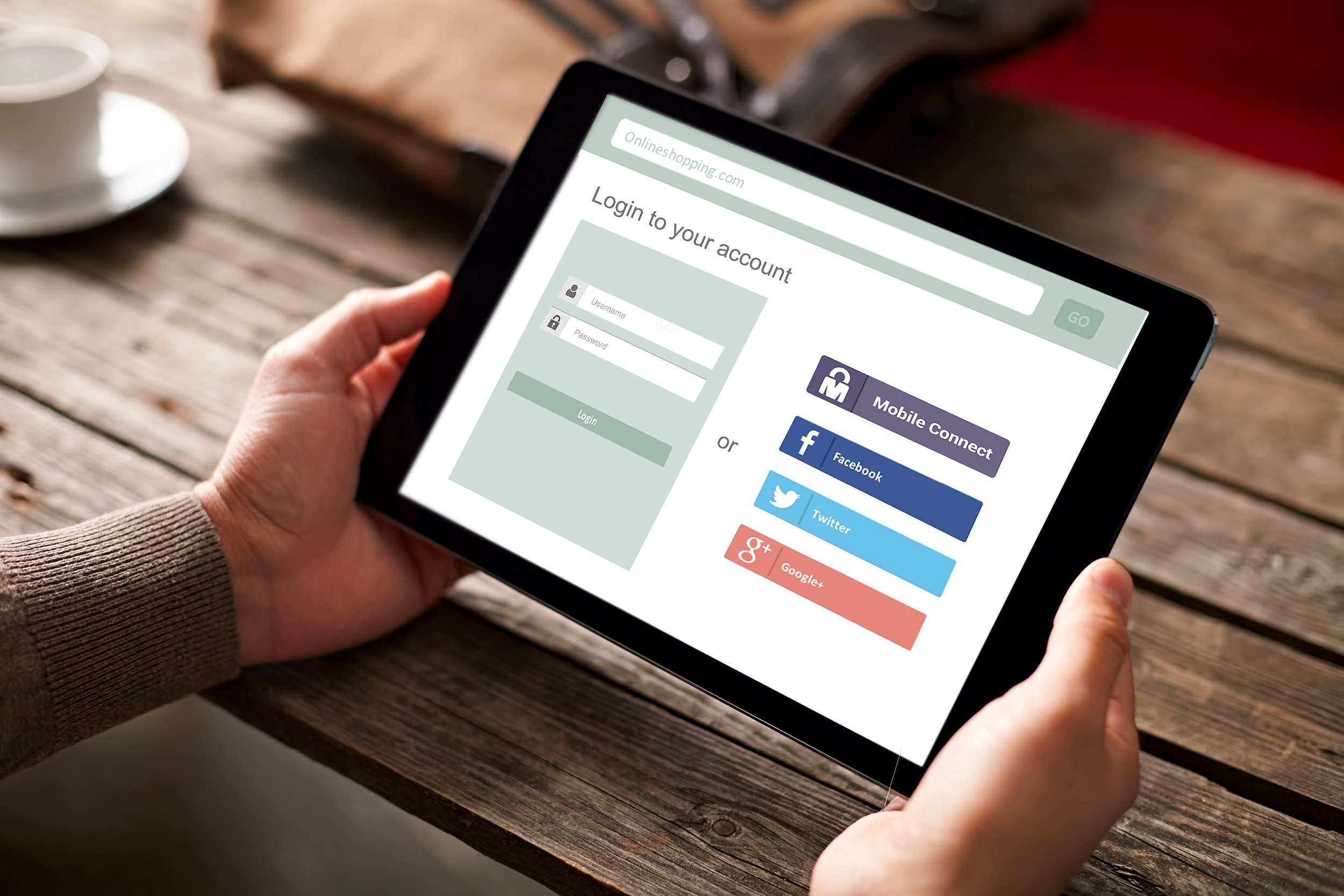 With this solution, whenever we want to log in to a digital service, instead of entering the username and password, we can click on the Mobile Connect logo on our device. This simple action triggers a message that travels through the network of the user’s mobile operator and requests validation for authentication in the service on their phone. This avoids us having to remember the password and, at the same time, it notifies users that a log-in is being made in their name.
Security a priority for the mobile industry
Mobile operators are in a unique situation because of their global reach, experience in secure data management, compliance with privacy regulations, and strong network authentication mechanisms. This makes them the ideal partner for online services in various sectors.
Mobile Connect uses these implicit security mechanisms that are now so highly valued. This makes it possible to ensure that the personal information held by an operator will not be shared with anyone without user consent. This makes life easier, both for users and digital service providers.
But Mobile Connect is not just a simple authentication mechanism. The aim of the mobile industry is to take this service to a whole new level to include more secure means of authentication, such as biometry. This feature enhances security by validating the user, because there must be someone present behind the mobile phone to validate user authenticity through their fingerprints or other biometric measures.
In the near future, users will be able to share attributes such as location with consent. This adds another level of security and stops our personal information or digital resources being accessed from anywhere in the world.
Mobile Connect is now commercially available to operators in Europe, Asia and Oceania. In the American continent, it is growing rapidly in Latin America, where Mexico, Argentina and Peru were the first to launch this service. Other countries, including Brazil, Chile, Colombia, Ecuador and Uruguay, are now adopting this solution and will launch it commercially very soon, positioning Latin America among the first regions to offer Mobile Connect as the future of security on the internet.
For more information please contact