


Spectrum as a catalyst for inclusion
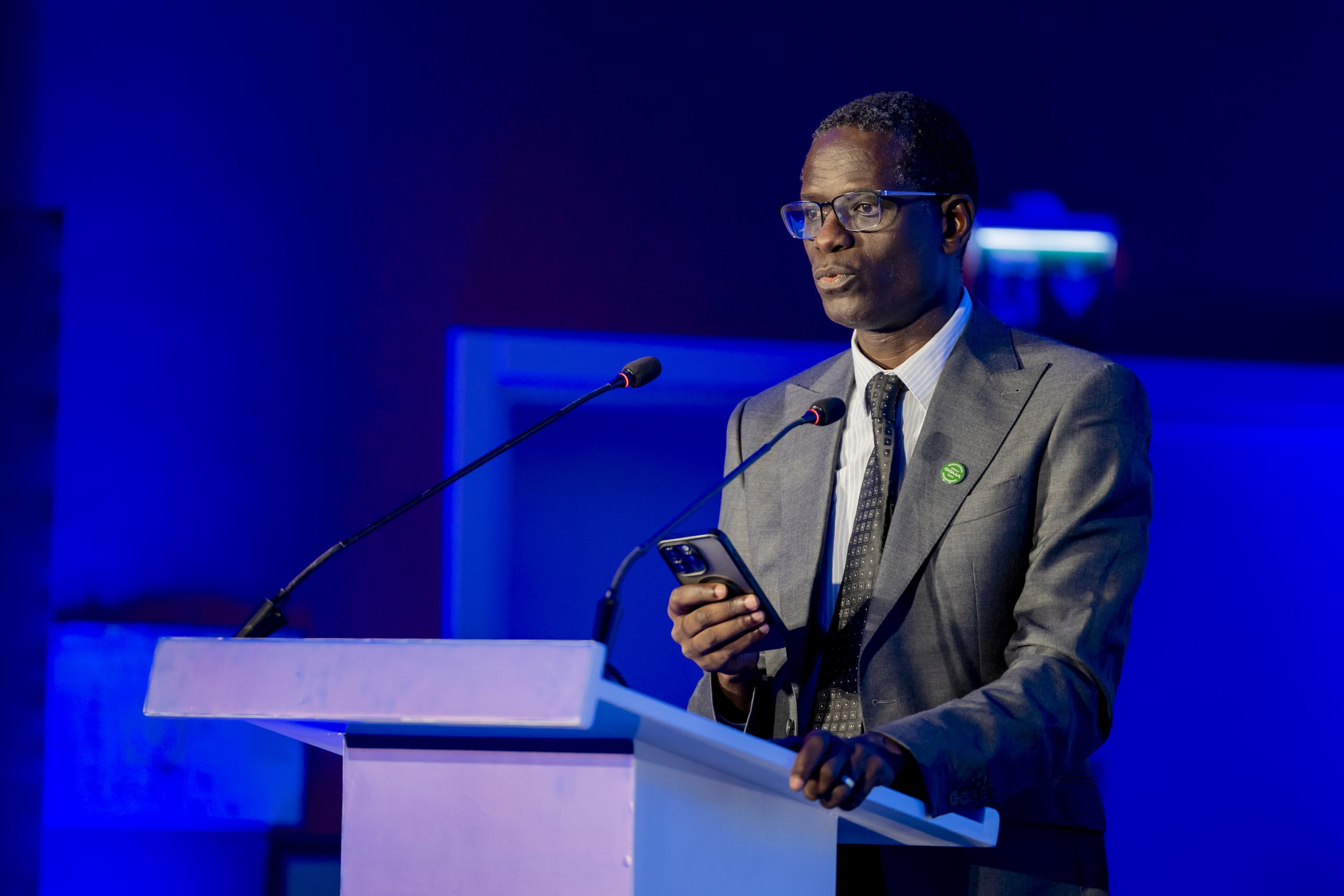
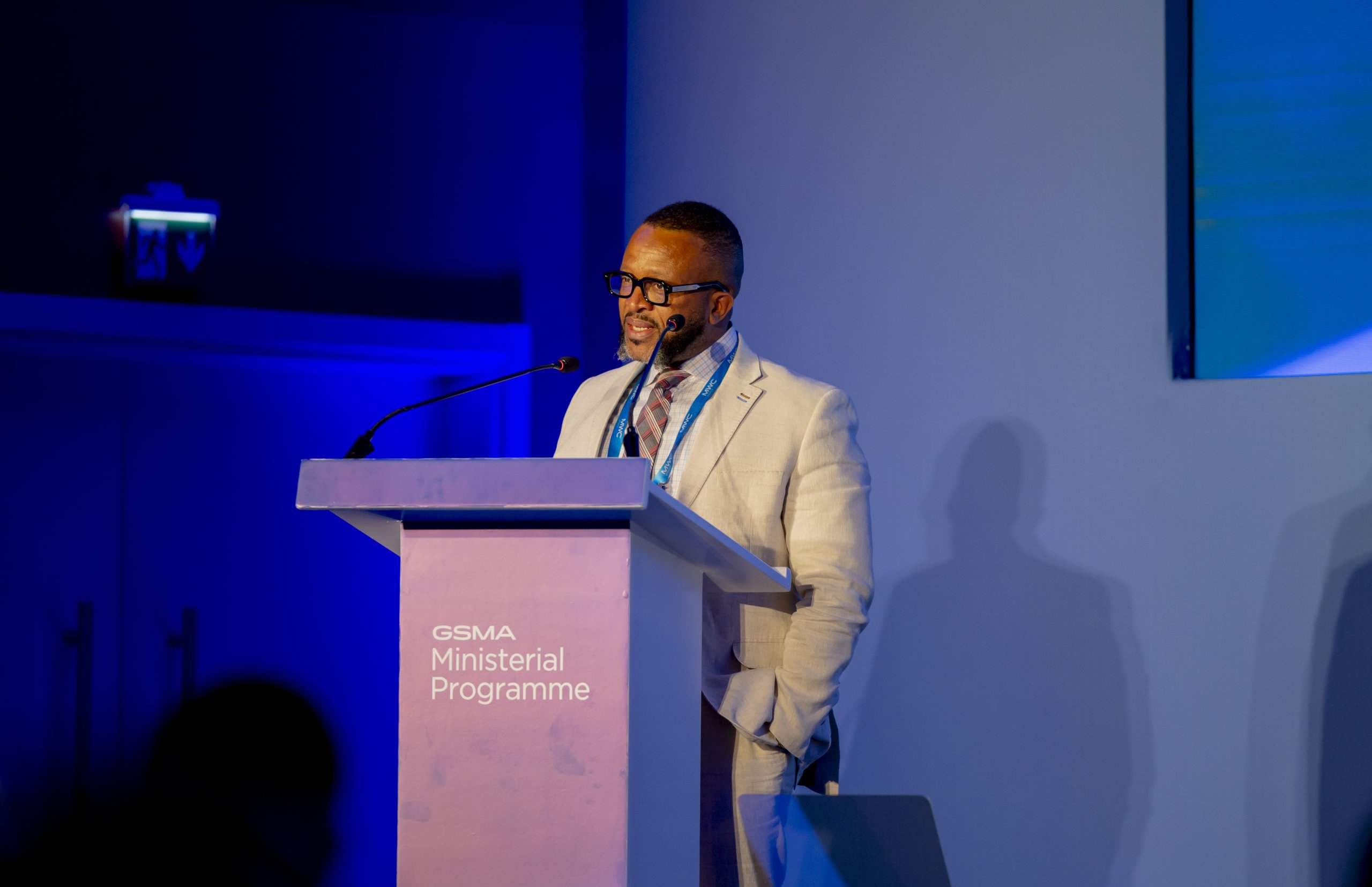
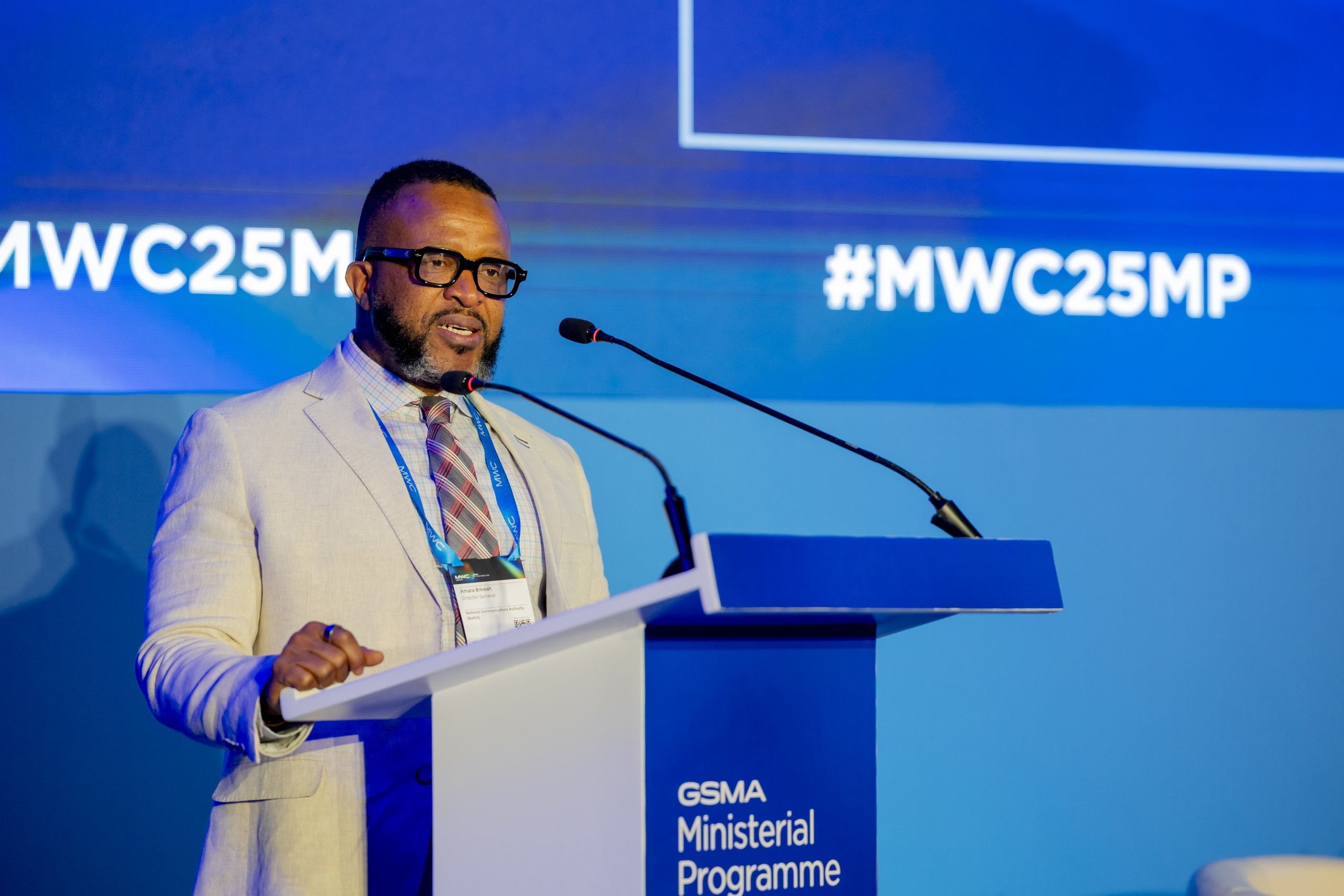
Opening the “Empowering Africa Through Inclusive Spectrum Policies” session, Amara Brewah, Director General of Sierra Leone’s National Communications Authority (NatCA), delivered a powerful keynote:
“Spectrum may be invisible, but its impact is everywhere. Every African deserves a signal, a voice, and a chance.”
Brewah underscored that spectrum is not just a technical asset but a social, economic, and moral mission. He urged African regulators to price spectrum wisely so that even remote communities can connect. Read more of Brewah’s keynote here.
Lessons from Brazil’s 5G auction
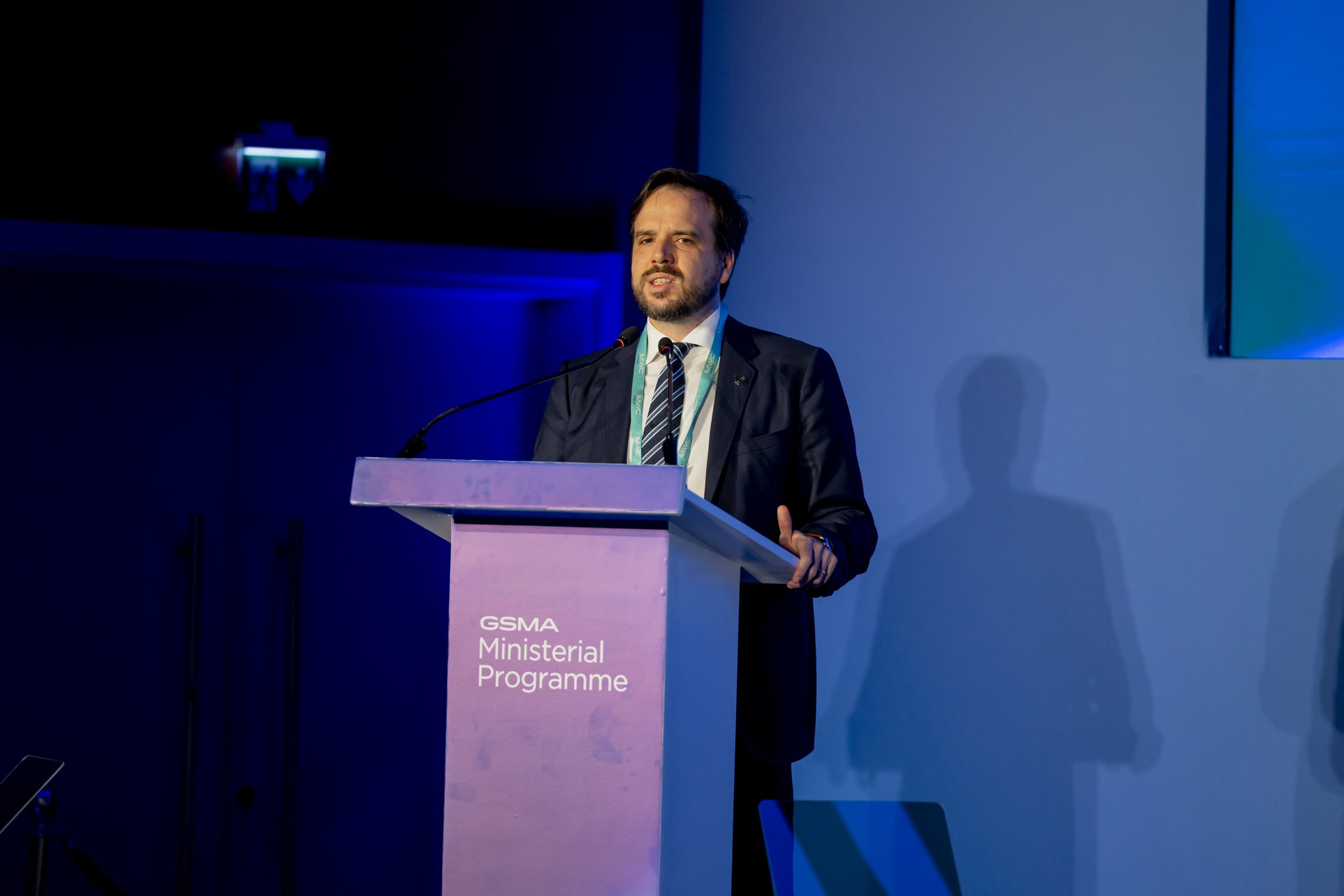

The conversation then turned to lessons from Brazil, shared by Carlos Baigorri, President of ANATEL Brazil. Brazil pioneered a spectrum-pricing mechanism in which part of the cost was paid through coverage obligations rather than cash. This approach resulted in 70% population coverage in 5G and 100% in 4G, even in the most remote areas. Baigorri highlighted that lowering spectrum costs expands coverage and stressed the importance of well-designed business plans and obligation guarantees to bridge the digital divide. Learn more about Brazil’s auction here.
WRC-27: towards harmonisation and innovation
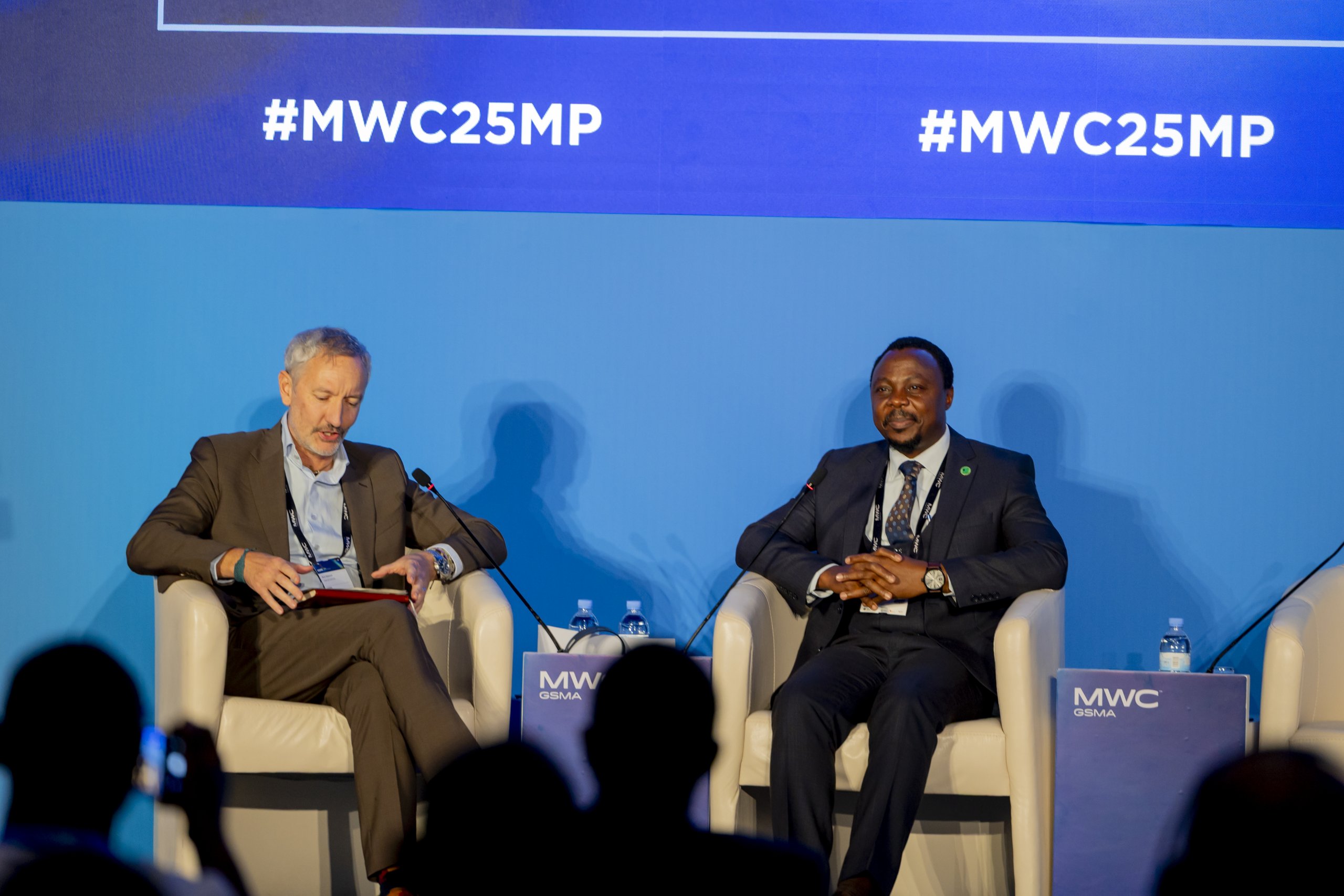
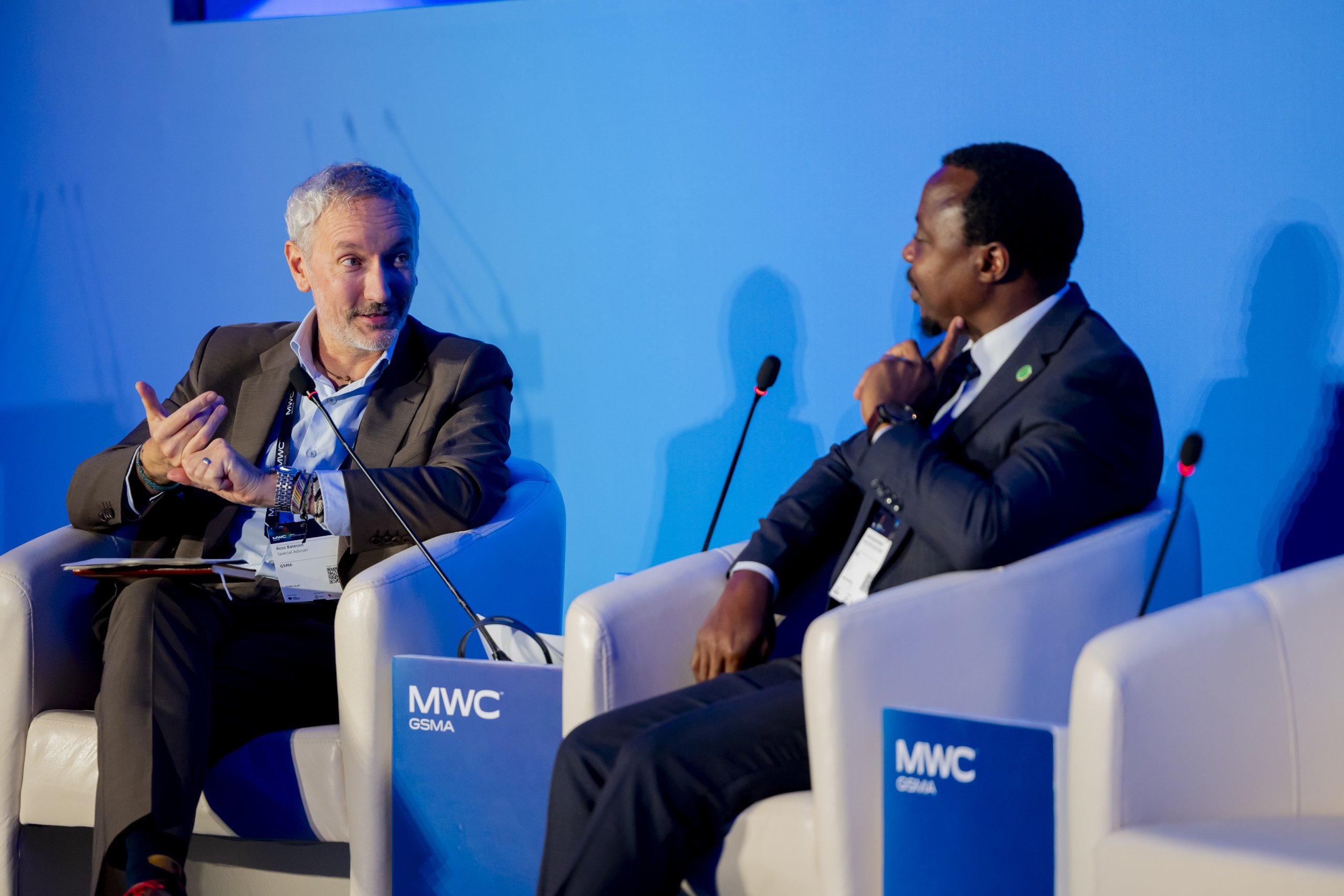
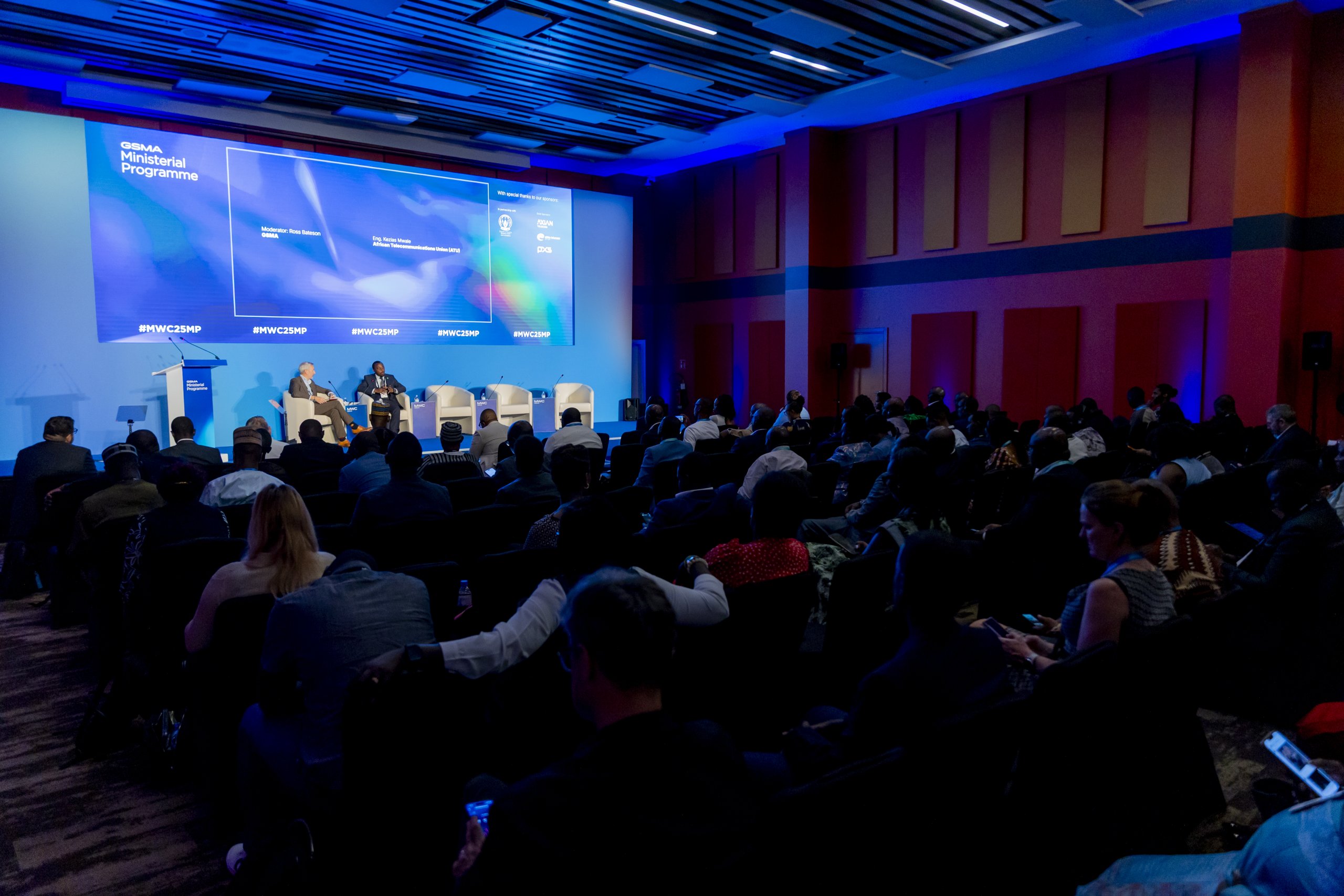
A fireside chat between Ross Bateson of GSMA and Eng. Kezias Mwale of the African Telecommunications Union (ATU) explored the importance of spectrum harmonisation ahead of WRC-27 and the potential of direct-to-device (D2D) technology. They acknowledged challenges such as geopolitics and diverse regional needs. Still, they pointed to solutions such as fostering collaboration between mobile and satellite players to ensure a common position on key agenda items.
Spectrum best practices for rural connectivity
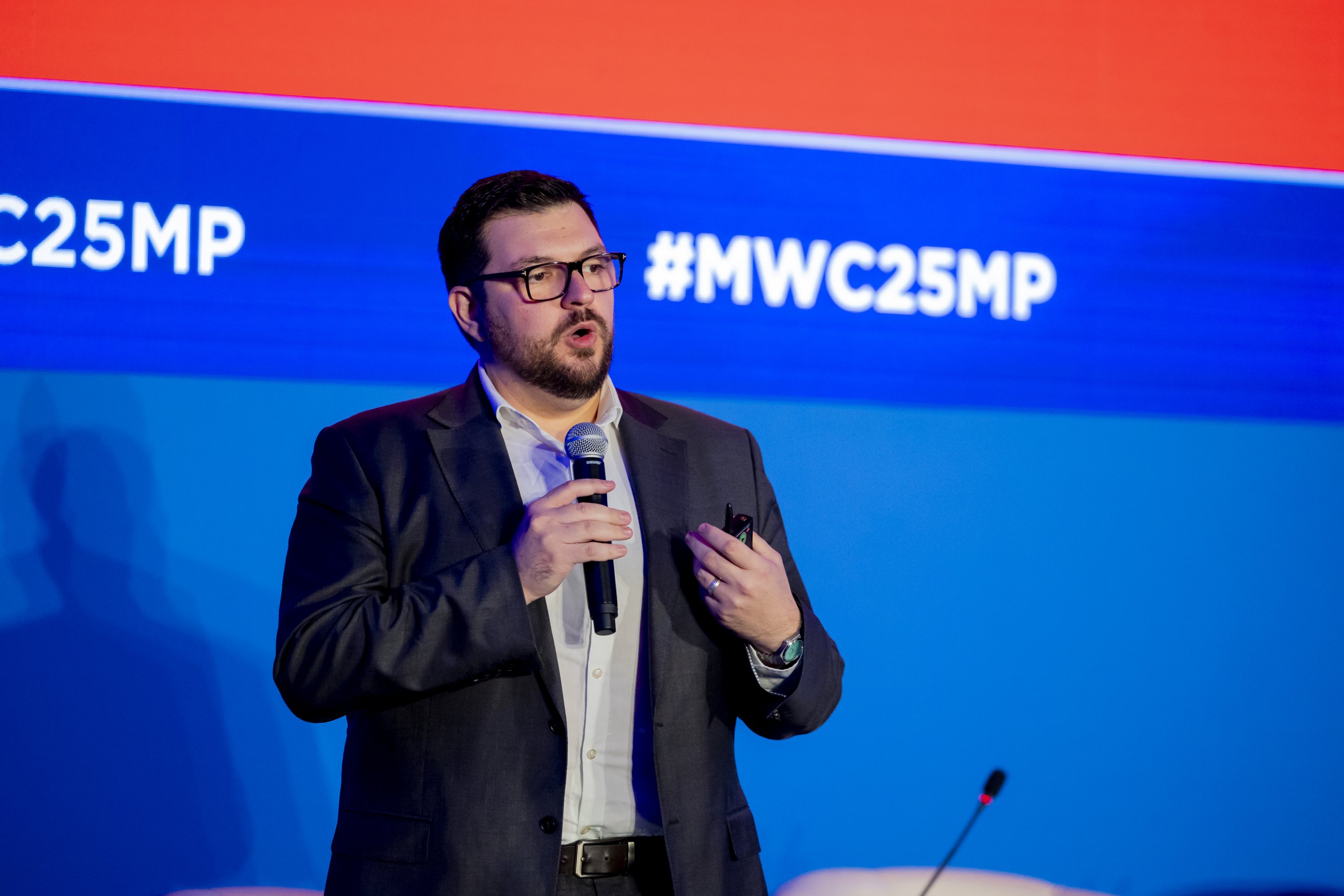

Luiz Felippe Zoghbi, GSMA’s Spectrum Engagement Director, highlighted the persistent urban-rural gap: rural users in low- and middle-income countries (LMICs) are 25% less likely to use mobile internet than urban populations. 18% of rural consumers cite inconsistent coverage and slow speeds as barriers. He also flagged that spectrum prices have risen by 40% as a ratio of revenues over the last decade, making reform urgent. Zoghbi concluded that making spectrum available at the right price, in the right amounts, with investment-friendly conditions, is critical for economic growth. Download Luiz’s presentation here.
Looking ahead

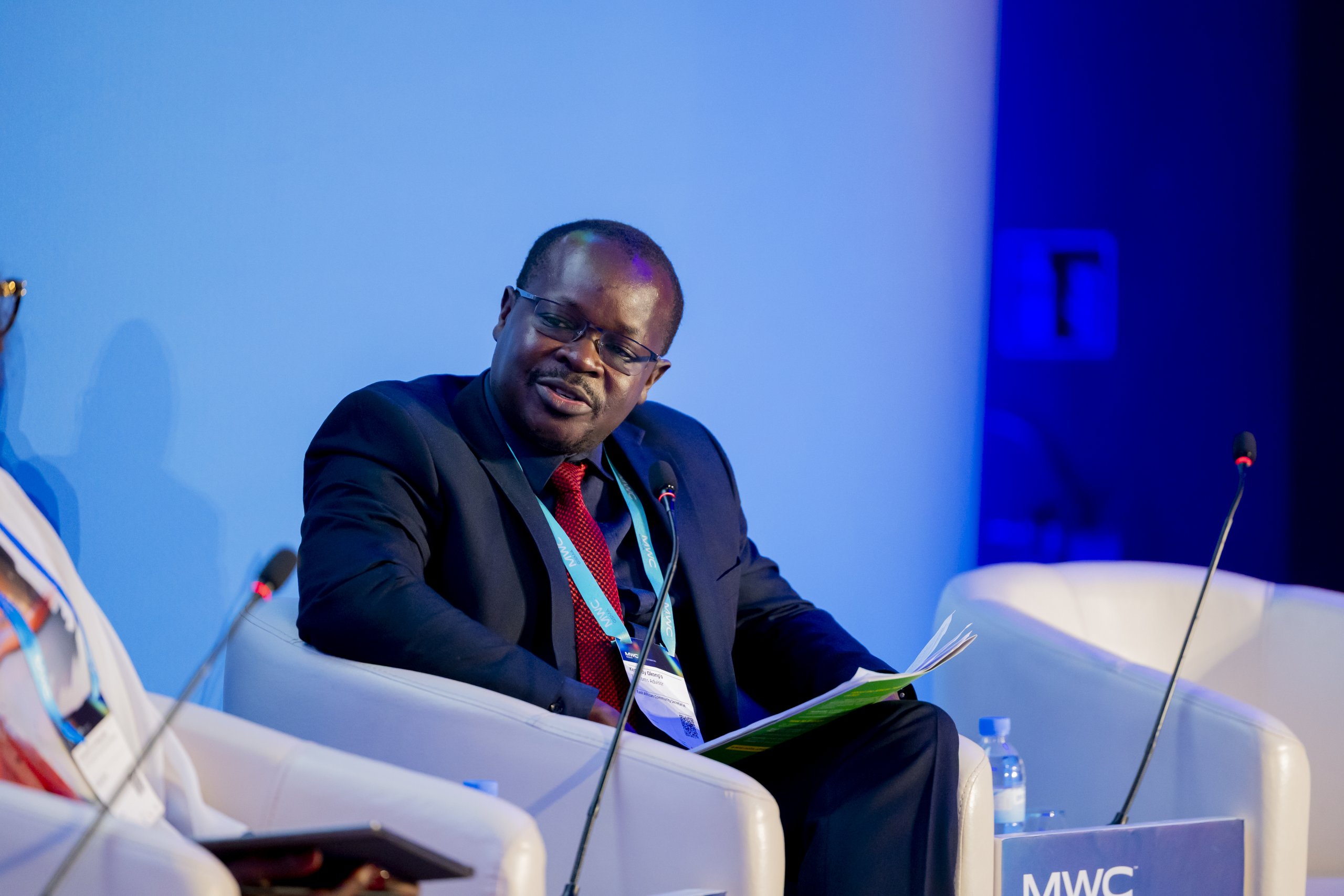
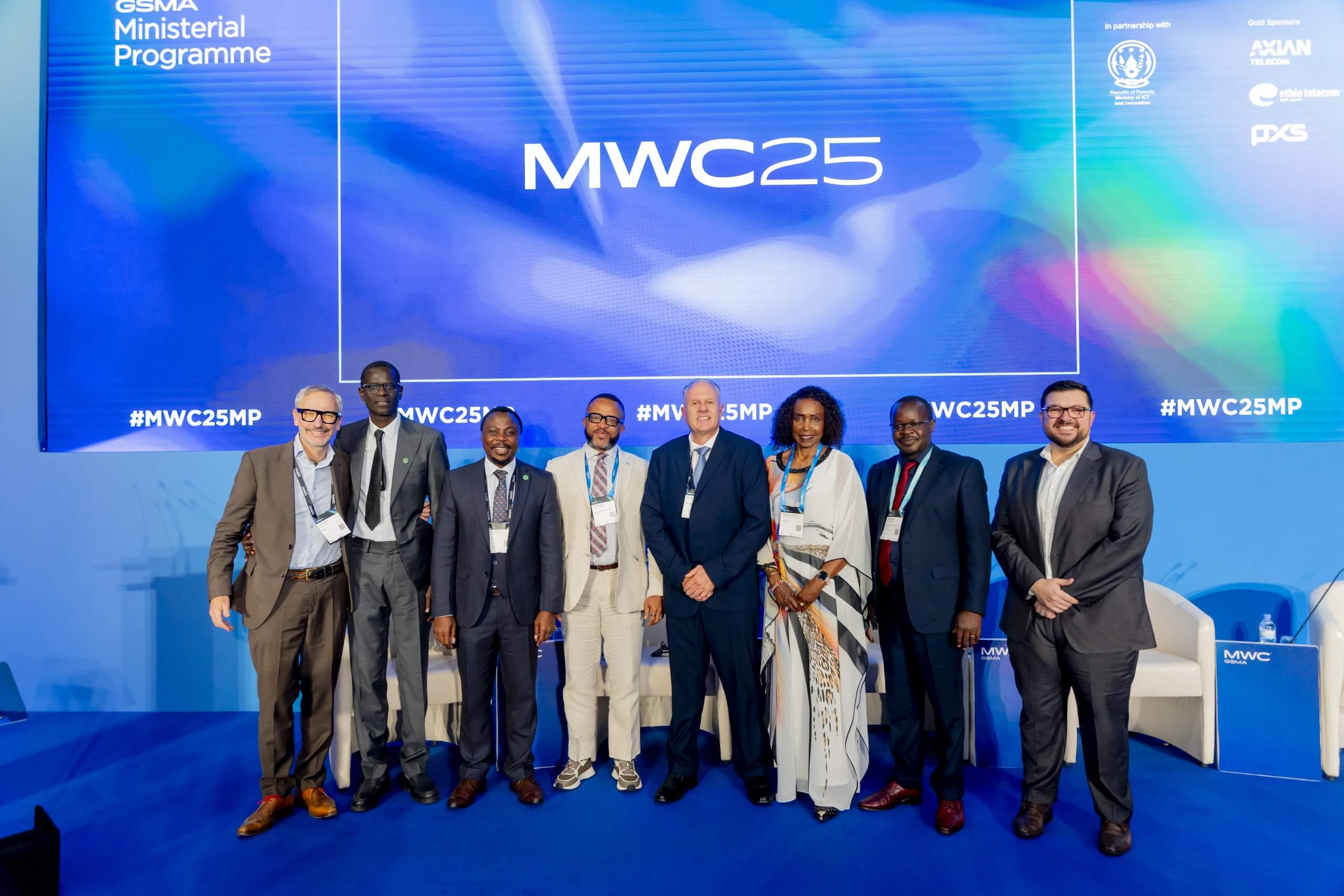
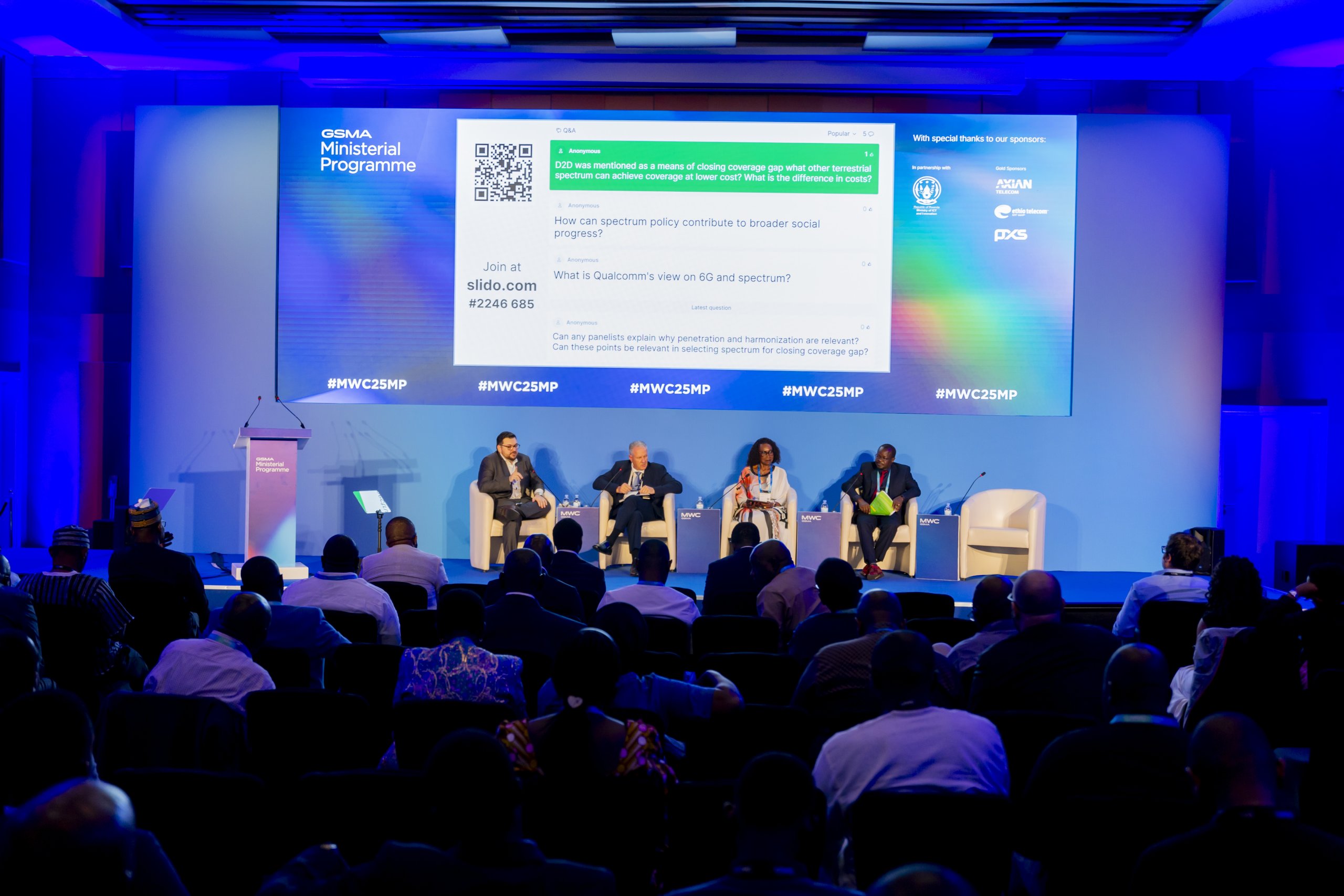
The panel discussion reaffirmed that harmonisation, pricing, and flexible licensing are critical for future connectivity. Policymakers were urged to consider citizens’ connectivity needs and base obligations on robust data. The right spectrum decisions support economies of scale and are directly connected to device affordability.
Africa’s digital transformation depends on inclusive spectrum policies that prioritise connectivity over revenue. By adopting transparent licensing, fair pricing, and innovation-friendly frameworks, regulators can turn spectrum into a tool for economic empowerment and social equity. Mr Brewah summed it up, “Spectrum is not just a technical resource. It is a human resource. It carries the voices of our people. The ideas of our youth. And the dreams of our future. So let us manage it with wisdom. Let us price it with fairness. And let us use it to empower — not a few, but all.”
Learn more about spectrum policy in Africa here.