Mobile Sector

In February 2019 the GSMA Board, comprising members from the largest mobile network operators in the world, set a milestone ambition – to transform the mobile industry to reach net zero carbon emissions by 2050, at the latest. Our first step was to understanding how to get there.

There was no pathway for the ICT sector in line with the Paris Agreement. So we collaborated with the ITU, GeSI and SBTI to create a climate action roadmap to net zero by 2050, launched in February 2020.

Our next steps were disclosure and aligning targets. By COP26 in November 2021, the majority of mobile network operators, by revenue, are both disclosing their climate impacts each year, and are committed to rapidly reduce those impacts over the next ten years.

Our members are now focussing on achieving these targets by improving the energy efficiency of their networks, investing in renewable energy for power, engaging with suppliers on reducing their emissions, and helping customers make sustainable choices.

Download our infographic: Mobile Sector Going Net Zero

Download and view our infographic on how the mobile industry is progressing towards it’s net zero target, with key statistics and facts.

Mobile Sector Case Studies
Solar panels in a vast field reflect sunlight at sunset, capturing renewable energy. As the sky takes on an orange hue and the sun nears the horizon, rows of panels stretch into the distance, underscoring the solar farm's scale. The scene embodies sustainability and innovation on the path to net zero.

Airtel case study

A large wind turbine stands on a green, slightly hilly landscape under a partly cloudy sky. The turbine's blades are still, and another turbine is visible in the distance. This peaceful rural scene embodies a net zero strategy, highlighting the commitment to sustainable energy.

Lenovo case study

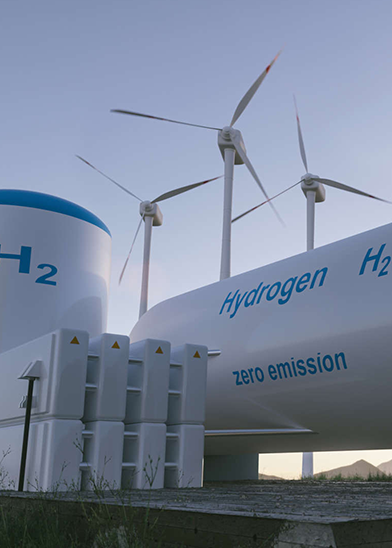
A hydrogen storage facility with large white tanks labeled "H2" and "Hydrogen zero emission" is depicted. In the background, three wind turbines stand tall against a clear sky, promoting a net-zero future. Grass is visible in the foreground, further highlighting the renewable energy setting.

Globe case study

Close-up of a smartphone screen displaying the 5G network symbol with signal bars in the upper corner. The background showcases a blurred gradient of blue and green, emphasizing the mobile industry's commitment to sleek design and its drive toward a net zero future.

ZTE case study

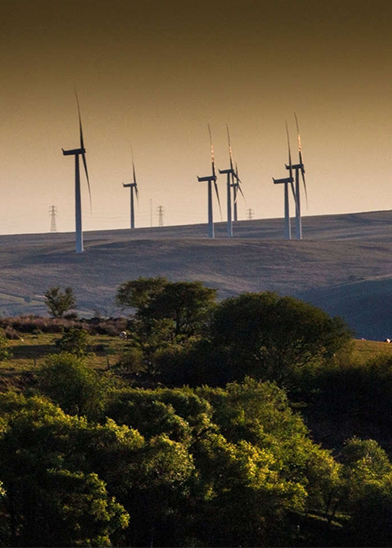
A row of wind turbines stands on a hill, silhouetted against a dusky sky. As part of a net zero strategy, the foreground features lush green trees and shrubs, while the turbines stretch into the distance, their slender structures contrasting with the soft, natural landscape below.

DOCOMO case study

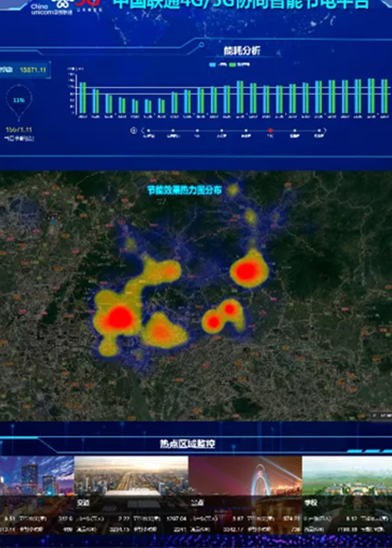
A digital data dashboard designed for the mobile industry displays analytical charts and graphs. At the top, bar graphs and numeric data are shown, with a highlighted figure of 1357T. Below, a heat map with vivid red and yellow spots marks areas of high intensity on a green and black map. Small images line the bottom.

China Unicom case study

Water is being poured into a computer server system, showcasing immersion cooling technology essential for the mobile industry. The open server rack contains several circuit boards and components submerged partially in liquid, with purple lighting creating a futuristic ambiance.

China Mobile case study

How Can Government Help?

The mobile industry has made a strong start on the journey to net zero but this is not a path we can walk alone.

To ensure the mobile industry is able to reach its ambitious climate targets we call on governments to:

Resources

Mobile Net Zero 2025
Report

Climate
Policy

Climate
Handbook

Eco
Rating