
Soil health is fundamental to agricultural productivity. At the forefront of this effort is GSMA Innovation Fund grantee, UjuziKilimo, a Kenyan agritech startup born out of a deep understanding of the challenges faced by smallholder farmers. During our recent visit with the UjuziKilimo team we saw firsthand how their flagship product, SoilPal, has the potential to transform agricultural practices in Kenya.
“We never needed to test our soil before. But now, with crops struggling to grow and diseases spreading, we’re not seeing the results we used to. Soil testing helps us understand what’s changed and how to fix it.” – Farmer
Why soil health matters
In Kenya’s rural farming communities, the impacts of climate change are increasingly evident. Unpredictable weather patterns, prolonged droughts and worsening soil degradation are rendering traditional farming methods less and less reliable. Smallholder farmers, who make up 70% of Kenya’s rural population and play a crucial role in the country’s food security and agricultural output, are striving to adapt. Yet many continue to face declining crop yields and increasing diseases, as conventional practices prove inadequate against these mounting challenges.
Without healthy soil, crops can’t thrive, water retention diminishes, and ecosystems degrade. Although fertiliser use has increased in recent years, many smallholder farmers lack the information needed to understand their soil’s specific needs and tailor inputs effectively. Soil testing has proven to be an important element in both reducing production costs and improving output. With less than 3% of Kenyan farmers having conducted a soil test, the lack of awareness limited access to soil health data and high costs (around 3,000 KES per test) leave many vulnerable to declining yields. Therefore, developing sustainable farming practices that improve soil health is essential. By offering data-driven solutions, UjuziKilimo is helping farmers make informed, science-based decisions to improve their yields and better manage the growing challenges posed by climate change.
Testing soil health with IoT
UjuziKilimo’s SoilPal device is a potential game-changer for Kenyan smallholder farmers. The handheld, portable tool is equipped with high-sensitivity Internet of Things (IoT) sensors that quickly and accurately measure key soil health parameters. We had the opportunity to test the device at UjuziKilimo’s office, seeing firsthand how the solution works.

Within under five minutes of testing, users receive an SMS with insights into 13 critical factors, such as moisture content, temperature, acidity, and levels of essential nutrients such as nitrogen, phosphorus, and potassium. Beyond collecting data, UjuziKilimo’s platform provides personalised recommendations through SMS for a small fee, guiding farmers on which carbon-negative and affordable fertilisers to use, how much water to apply and which crops are best suited to their specific soil conditions. This personalised support is vital, particularly in areas where agricultural extension services are limited.
One of SoilPal’s standout features is accessibility. Unlike traditional soil testing methods, which often require samples to be sent to urban labs, SoilPal can be used directly in the field through UjuziKilimo’s last mile agents, giving farmers immediate and actionable insights. This is crucial for remote areas where farmers rarely have the means to travel long distances or afford costly lab services. By putting this technology in the hands of smallholder farmers, UjuziKilimo is helping to democratise access to precision agriculture.
SoilPal in action
During our visit, we spoke with farmers who had started using SoilPal. Many of them had previously relied on traditional methods, such as crop rotation, or applied fertilisers without a clear understanding of their soil’s health. In the past, soil testing wasn’t seen as necessary, but the increasing prevalence of crop diseases and reduced yields has changed that perception. Farmers shared that, despite using more fertilisers, they continued to face persistent issues like stunted growth and plant diseases. SoilPal’s insights have since enabled them to shift from using generic fertilisers to more targeted inputs that address their specific soil conditions. As a result, they have reported healthier crops and improved yields, which has renewed their confidence in investing in sustainable practices. UjuziKilimo estimates that their solution can boost productivity by 30% in the first season and by up to 200% over the next three years.
While the information from SoilPal is valuable, ensuring that the recommendations are practical and accessible for smallholder farmers is crucial. Many farmers still face challenges in obtaining the recommended inputs due to supply chain issues or financial constraints.
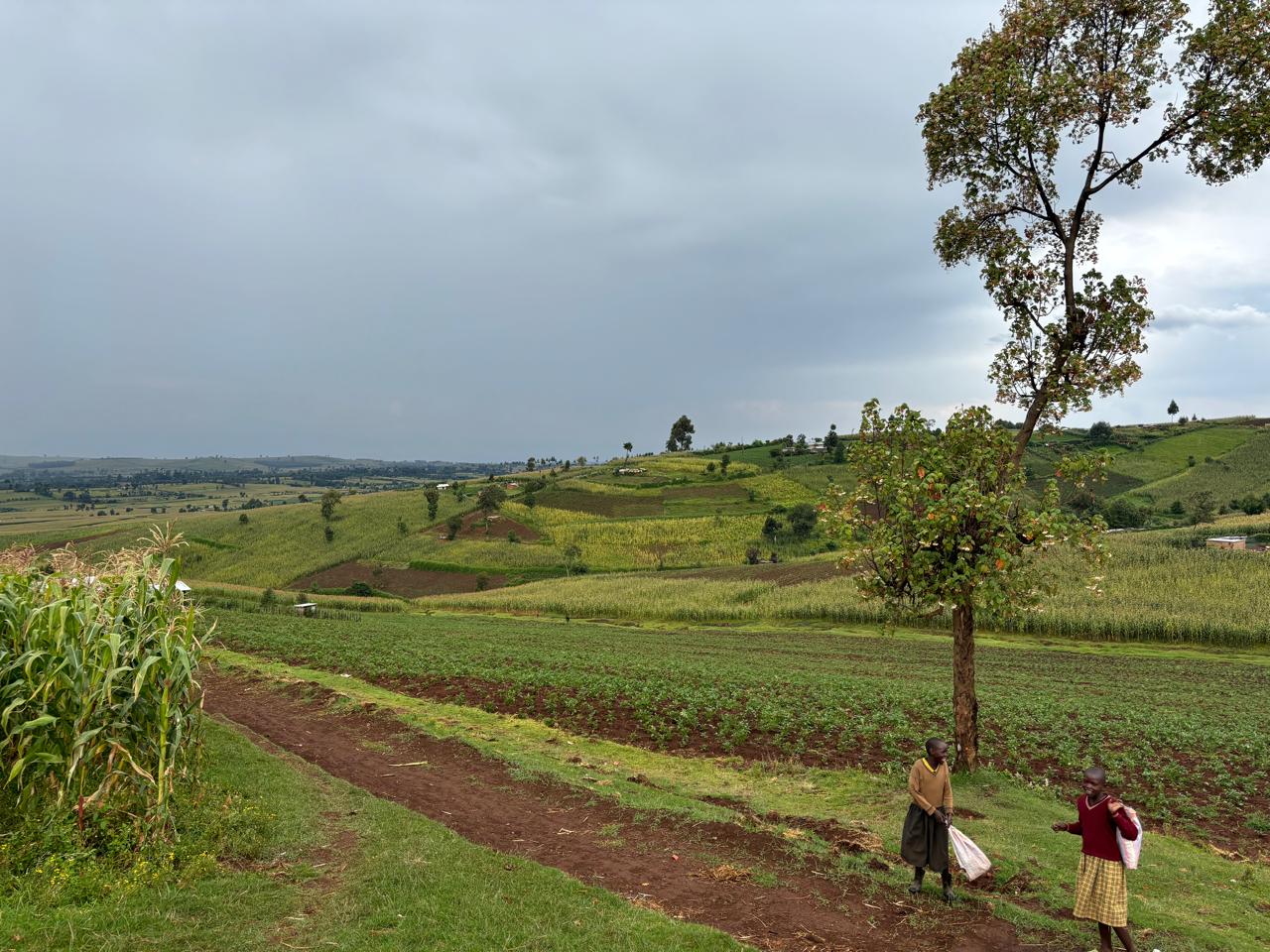

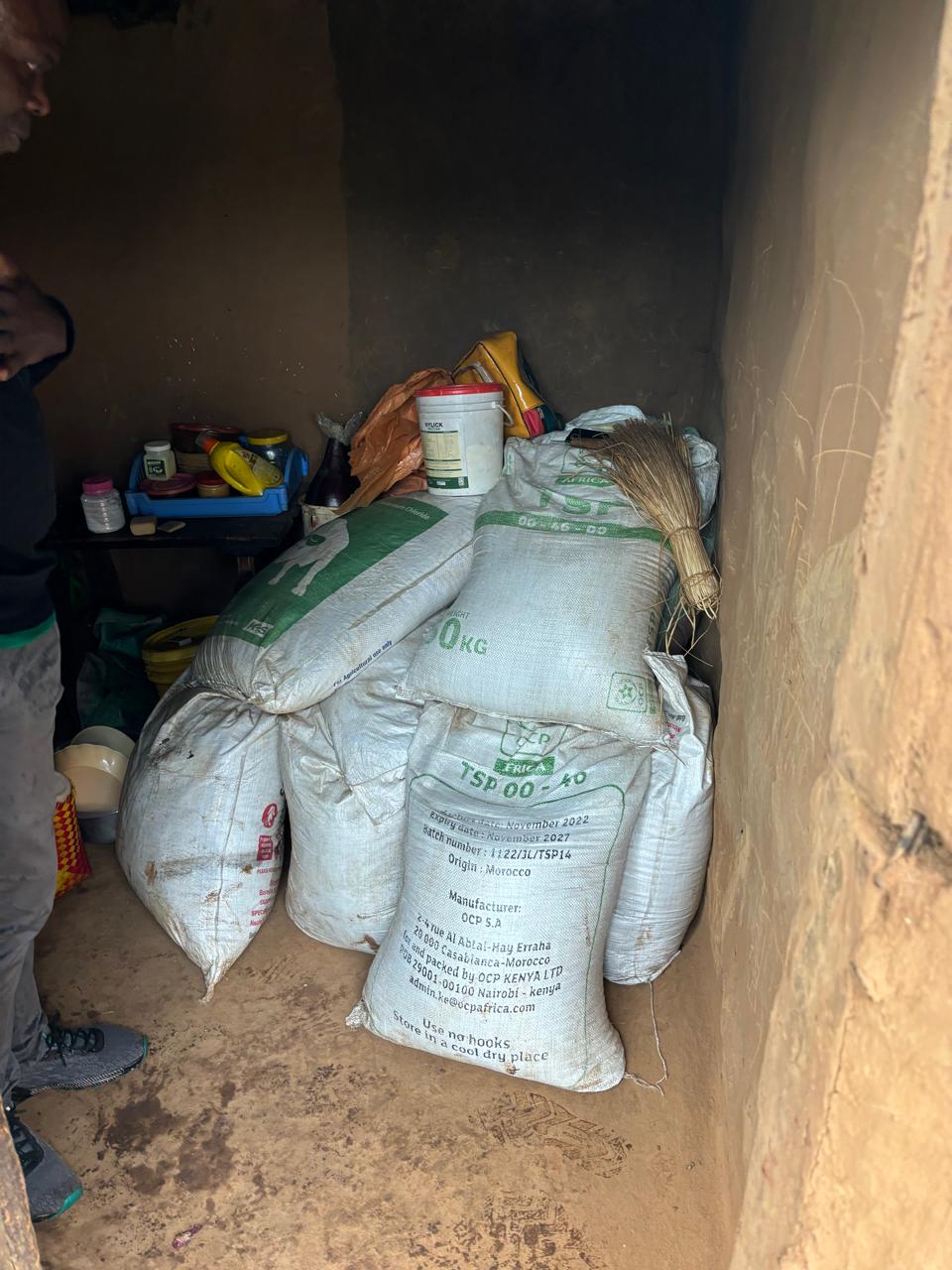
Images: Interviews being conducted with farmers, inputs bought by a farmer following SoilPal’s soil test advisory for his seven acre farm.
Strengthening data driven agriculture
UjuziKilimo’s data-driven solutions are not only tools for boosting productivity but also a powerful enabler of climate resilience. By helping farmers optimise water usage, reduce reliance on chemical inputs, and select crops suited to changing climate conditions, UjuziKilimo is supporting more sustainable agricultural practices. This allows farmers to reduce their environmental footprint while improving their economic outcomes, creating a win-win scenario for both people and the land.
The current integration of artificial intelligence and machine learning into UjuziKilimo’s platform is adding another layer of sophistication. Future iterations of SoilPal will incorporate advanced data analysis, including the ability to diagnose pests and diseases using visual and infrared imagery. This AI-powered approach will allow farmers to take a proactive approach, identifying and addressing potential threats before they become more serious problems.
The potential for UjuziKilimo’s technology to scale is considerable. IIf these projections are realised, the cumulative impact on productivity and resilience could be transformative for Kenya’s agricultural sector.
Looking ahead
While UjuziKilimo’s solutions offer promising results, there are still challenges ahead. Digital literacy, particularly among older farmers, and a full understanding of the benefits of soil testing remain key barriers. In response, UjuziKilimo is developing more inclusive solutions, such as voice-based services and visual crop diagnostics, to make the technology more accessible. They have also invested significant time in community-level engagement and education programmes to socialise the value of soil testing.
Our visit to UjuziKilimo reaffirmed the crucial role of innovative tech to address agricultural challenges. By equipping farmers with tools and knowledge to improve soil health, UjuziKilimo is helping to strengthen the future of smallholder farming in Kenya. As GSMA ClimateTech, we look forward to supporting their journey toward a more resilient, sustainable future.
Meet the rest of the GSMA Innovation Fund for Climate Resilience and Adaptation Cohort 2.0.
The ClimateTech programme is currently funded by UK International Development from the UK Government and the Swedish International Development Cooperation Agency (SIDA), and is supported by the GSMA and its members.