
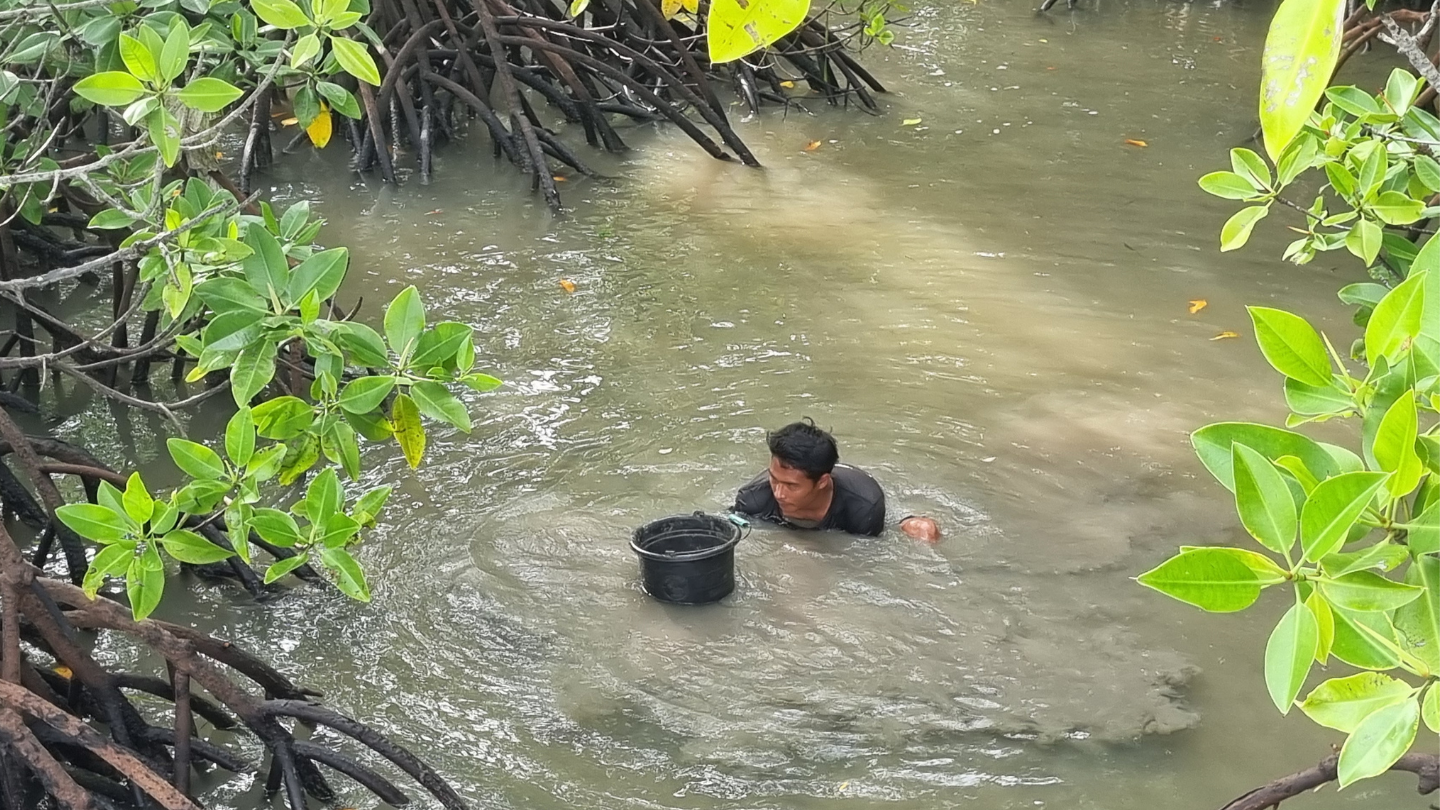
The image above shows a shrimp farmer practicing traditional and sustainable fishing in West Nusa Tenggara, Indonesia.
In the coastal wetlands of Central Java, two shrimp farmers, Pak Arif and Pak Rozikin (not their real names) stand at different points along the same technological journey...
Pak Arif crouches beside his pond, testing the pH with a simple handheld meter. A weathered digital sensor sits unused nearby, a remnant of an IoT system that once promised real-time insights but fell short in practice. “I used it for a while,” he says. “But it didn’t fit with the way we usually work.”
In another farm in the same region, Pak Rozikin’s shrimp farm is dotted with smart aerators and blinking solar-powered devices. Their intensive ponds are equipped with IoT water quality monitoring and auto feeder tools. Yet even for this early adopter, the path hasn’t been smooth. “Farmers want this technology,” he says, “but the cost is still the biggest barrier.” Subscription fees fluctuate, hidden charges creep in, and technical glitches persist.
Despite their different contexts, both share a similar outlook: there is real promise of digital technology transforming the way they manage their shrimp farms, but only if it’s affordable, ready to be deployed, and tailored to farm realities.
For Pak Arif and Paz Rozikin, using IoT on their shrimp farms has meant that water is now cleaner, feed costs have fallen, and shrimp is healthier. The tools have the potential the help improve socio-economic and environmental outcomes. Their story captures the tension shaping Indonesia’s shrimp industry: innovations are spreading, but their success depends not only on devices themselves, but on evidence of their long-term impact, and the broader ecosystem of finance, regulation and technical support.
This article presents key insights from recent GSMA research into how IoT is being used for shrimp farming across four provinces in Indonesia, and what impact it is having. The research was completed in partnership with Trisna Mulyati, Muhammad Ichsan, Diaz Adi Prasteyo and Ilyas Taufiqurrohman from Icenergy Institute, and Joel Koh from TSIC, and with key inputs from Indosat Ooredoo Hutchinson.
Indonesia’s shrimp aquaculture
Indonesia is the second-largest exporter of shrimp in the world, with aquaculture contributing over USD 2.2 billion to its economy. Shrimp farming in Indonesia spans a few key models:
- Intensive farming: Very few are high-density ponds with sophisticated infrastructure.
- Semi-intensive farming: Some are moderate shrimp density with commercial infrastructure.
- Traditional farming: The vast majority are low-density farms dependent on natural cycles.
While traditional systems dominate in numbers, they lag in productivity and are especially vulnerable to climate change and disease outbreaks. Poor water management, salinity fluctuations, and lack of infrastructure exacerbate these challenges. Expanding production often means expanding pond areas, at the expense of critical mangrove ecosystems. Against this backdrop, IoT is emerging as a potential solution to balance productivity with sustainability.
How is IoT being used?
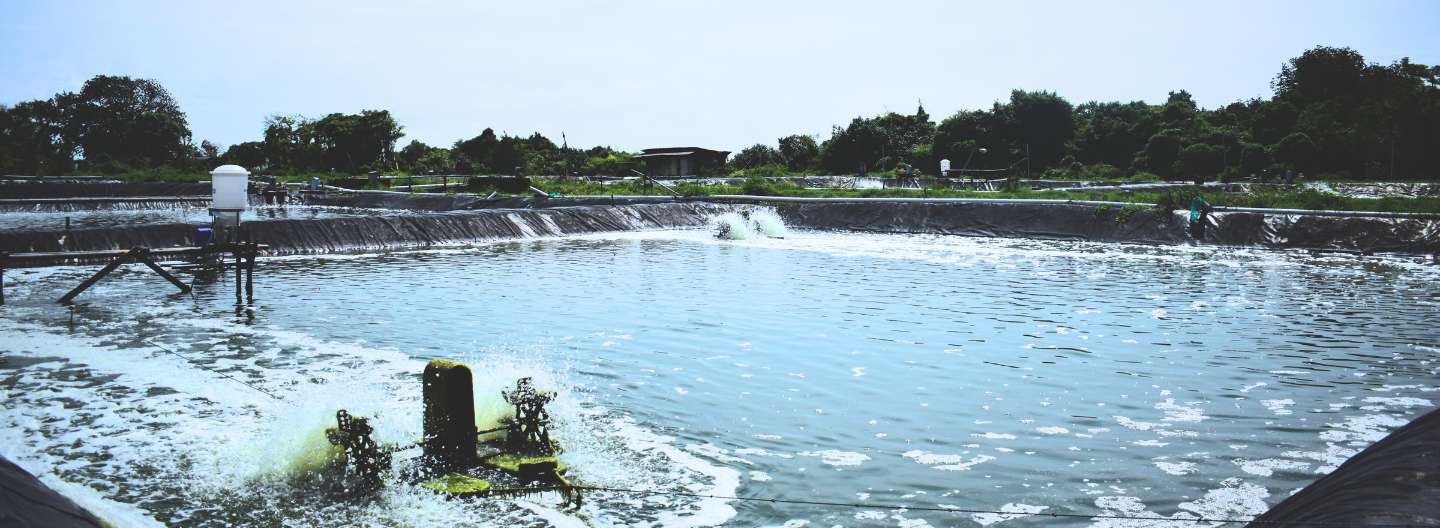
The growing integration of IoT solutions is transforming sustainable development by enabling smarter resource management, improving environmental monitoring, and driving data-driven decisions for a more resilient future.
IoT in shrimp farming involves smart devices that monitor and automate pond conditions. Three use cases dominate in Indonesia:
- Water quality monitoring – tracks pH, temperature, dissolved oxygen and salinity in real-time. Alerts farmers when parameters go out of range.
- Feeding automation – dispenses feed based on optimal timings, improving feed conversion ratios and reducing waste.
- Aeration systems – automatically activate paddle wheels when dissolved oxygen drops, improving energy efficiency.
These technologies can be integrated to offer a holistic farm management solution accessible via mobile apps. Although operational efficiency can be very leading to high and varied maintenance costs that are passed onto customers, subscription and rental models are gaining popularity as affordable options. The uptake varies widely too. In intensive farms, IoT aligns well with business models and resource availability, whereas in traditional settings, high costs, unreliable connectivity, and limited digital literacy can be significant barriers to adoption.
Impact of IoT – what’s working, what’s emerging?
In our study, we explored the socio-economic and environmental impact of IoT for shrimp farming in Indonesia – using a combination of desk-research, field observations, and farmer and expert interviews. We found that:
- Shrimp farmers are and can benefit economically by using IoT, linked to both productivity gains and operational efficiency. Farmers are seeing that feeding automation improves daily shrimp growth rates, with some reports of harvest cycles being reduced by up to 10 days. Smart aerators can reduce electricity costs significantly, with some reports of cutting production costs by up to 30%.
- Skills and opportunity are improving. IoT reduces the workload for farmhands. While some farmers found IoT tools challenging at first, pilot projects have begun creating new roles, such as field technicians and digital troubleshooters within local communities.
- There is promise of environmental conservation and reduced emissions. Aeration systems linked to IoT helped cut carbon emissions by reducing unnecessary energy use. Remote sensing and geospatial mapping tools show promise in tracking mangrove restoration, although long-term data is still limited. Water quality sensors can help in ensuring affluent water is treated effectively, though use of IoT in this way is not widespread. Our limited study was unable to make a causal link between increased productivity associated with IoT adoption leading to reduced farming area expansion and therefore reduced mangrove deforestation. To demonstrate, the impacts on shrimp disease reduction, water recycling, and biodiversity gains, studies on longitudinal data are essential.
- Traditional farmers often discontinue IoT use after pilot support ends due to affordability constraints, and relatively lower returns of adoption vis-a-vis more intensive or semi-intensive farmers.
Scaling IoT for shrimp farming
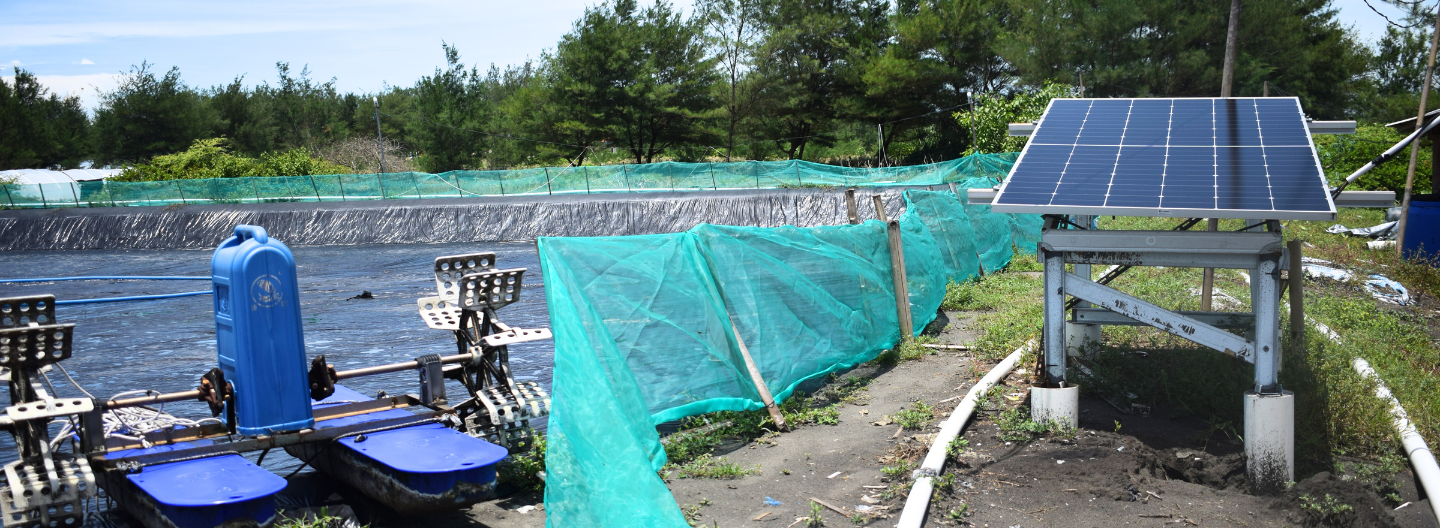
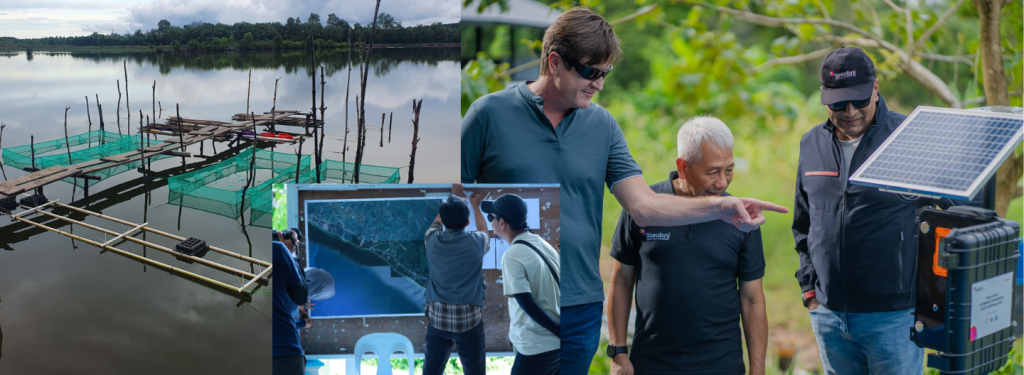
Intensive farms can afford IoT tools and act on their data, but traditional farms face barriers from unreliable connectivity and limited maintenance support to fears about data misuse by buyers or regulators. Without trusted systems and local capacity, even the smartest tools fall short. Bridging this divide requires not just smart technology, but smarter, more inclusive delivery models.
Our study identified six enablers to scaling IoT meaningfully for shrimp farming in Indonesia:
- 1. Infrastructure: expanding internet and off-grid power in rural areas. Many coastal farms remain disconnected from reliable power or mobile signal, limiting real-time data use. Off-grid solar microgrid projects like the Electric Vines Industries microgrid the Desa Digital initiative and solar-based microgrids in East Kalimantan have begun bridging this gap, enabling consistent IoT function even in remote ponds.
- 2. Policy and advocacy – incentivising sustainable tech use and clarify digital regulations. Clear, enforced environmental standards and IoT-friendly regulations are essential. In Central Java, provincial aquaculture guidelines have started referencing effluent management tools, encouraging digital water quality monitoring as part of best practice.
- 3. Conservation partnerships – linking IoT to mangrove conservation through multi-stakeholder coalitions. Integrated projects, like those supported by GIZ, have piloted the use of sedimentation ponds and IoT to track water quality near mangrove belts, enabling farms to demonstrate their ecological responsibility and earn community trust.
- 4. Technology readiness – improving IoT hardware (sensors, feeders and aeration systems) accuracy, durability, and repair models. Early devices often failed under field conditions. Start-ups have shift toward hardware and bundled maintenance support has helped improve uptime and trust, particularly in farms using wet feed or brackish water with fluctuating salinity.
- 5. Farmer education – building digital skills and nurture local champions. Adoption hinges on usability. In South Sulawesi, training programs led by SCI have empowered lead farmers to act as “tech interpreters” for their peers, fostering peer-to-peer learning and demystifying data-driven decisions.
- 6. Blended finance – using public-private investments to subsidise adoption in traditional farms. Traditional farms can’t afford upfront costs. Co-financing models, such as CSR-supported leasing schemes and bundled IoT services via feed distributors, have reduced risk and opened access, as seen in pilots along Java’s north coast.
Crucially, successful initiatives often involve partnerships between mobile operators, agri-tech startups, government, and NGOs. For example JALA and Conservation International have launched Climate Smart Shrimp Farming combining IoT with mangrove restoration, whilst Indosat Ooredoo Hutchisonprovides IoT services paired with environmental data dashboards accessible to local communities.
In 2023, Indosat Ooredoo Hutchison partnered with the GSMA and GIZ to pilot IoT-powered shrimp farming systems in Tarakan, North Kalimantan. The initiative introduced sensors to monitor water quality alongside geospatial mapping tools to track mangrove coverage. Data from ponds and surrounding ecosystems flowed via smartphones into a shared platform, enabling farmers to make informed management decisions. The pilot expanded rapidly to four additional regions: Aceh, Central Java, Maluku, and Central Sulawesi, demonstrating successful scaling of digital aquaculture practices aligned with sustainable mangrove conservation.
Impact measurement framework
To guide future implementation, our study developed a framework for innovators and policymakers which helps to identify desired long-term outcomes. This structured approach makes it easier for innovators, investors, donors, and policymakers to track what works and adapt strategies in real time. The framework maps a logical pathway for how water quality monitoring, feeding automation, and aeration systems can lead to improved profitability of shrimp farms, help reduce carbon emissions, and improve local biodiversity (Figure 1).
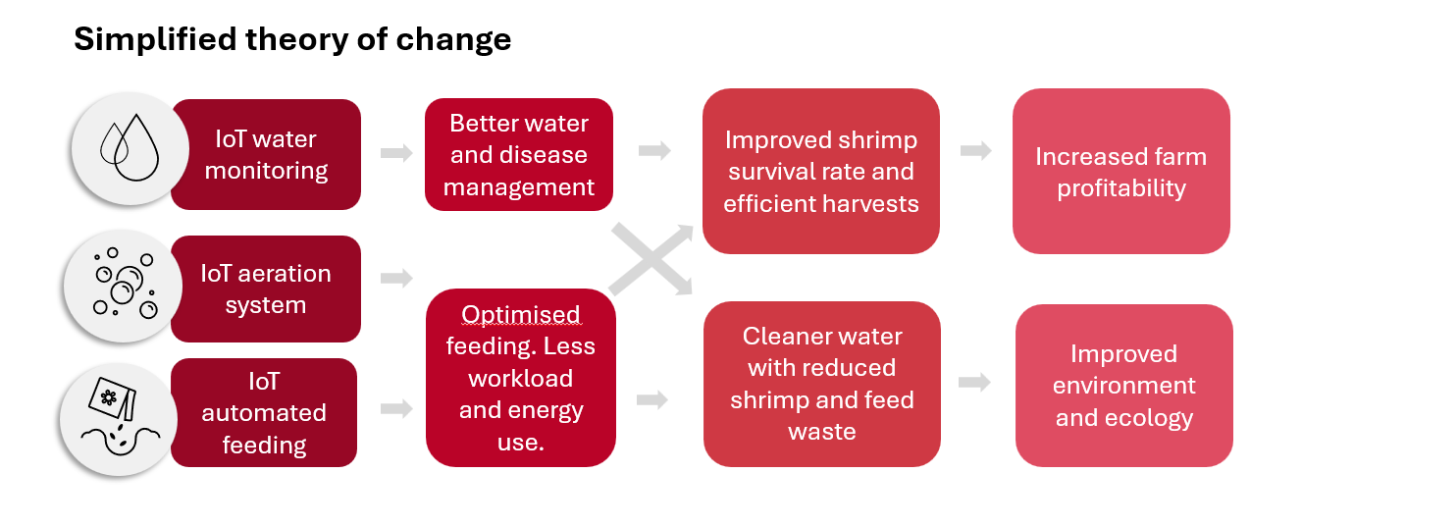
Figure 1: Impact Measurement Framework
Conclusion
Over the past few years, a thriving ecosystem of IoT-enabled shrimp farms has emerged, piloting tools from sensors to automation across varied geographies. The sector has now reached national scale, drawing in multi-stakeholder investment and catalysing millions in funding for sustainable aquaculture innovation.
IoT holds real promise to make Indonesia’s shrimp sector more productive, equitable, and environmentally sustainable. But technology alone isn’t enough. To succeed at scale, IoT deployment must be context-sensitive, well-supported, and collaboratively led. From Pak Rozikin’s mobile dashboard in Central Java to remote sensors monitoring mangrove growth, the future of shrimp aquaculture lies in how we use data to empower farmers, protect ecosystems, and ensure seafood remains a sustainable livelihood for generations to come.
The ClimateTech programme is currently funded by UK International Development from the UK government and the Swedish International Development Cooperation Agency (Sida), and is supported by the GSMA and its members.