



During a recent trip to Thailand to visit HydroNeo, a GSMA Innovation Fund startup, we gained valuable insights into how their smart farm management system leverages Internet of Things (IoT) to help small-scale shrimp farmers adapt to climate change.
The current state of Thailand’s shrimp farming
Thailand’s shrimp farming industry, consisting almost entirely of small-scale operations, has experienced significant challenges in recent years. Despite contributing 8-10% of global shrimp production, the industry has been in decline since its 2012 peak, when its share accounted for 18% of global production. The reasons for this relative decline include disease outbreaks, concerns around environmentally responsible production, challenges in export and interim market restrictions on crustaceans from Thailand due unregulated fishing practices. The sector is slowly recovering, and Thailand is now the world’s sixth largest producer of shrimp.
Despite the on-going recovery, shrimp farming in Thailand remains highly vulnerable, facing mortality rates between 30-80%. This is attributed mainly to failure in managing water quality causing risks such as oxygen depletion, algal blooms and fluctuations in water temperature.
Climate change further exacerbates these challenges, introducing additional threats such as heat waves, diseases, and algae blooms. A recent study indicates that over 90% of global aqua food production is at substantial risk from human-induced environmental changes. During our visit we met Mr. Suraphong Kongpan, the owner of one of the biggest hatchery facilities in the region. His farm has been in business for two generations and sells shrimp larvae to farm owners across Thailand and neighboring countries like Vietnam. Mr. Kongpan highlighted how changes in climate, such as heatwaves, have impacted shrimp hatchery, causing high water temperatures, increased metabolism, and disease outbreaks.
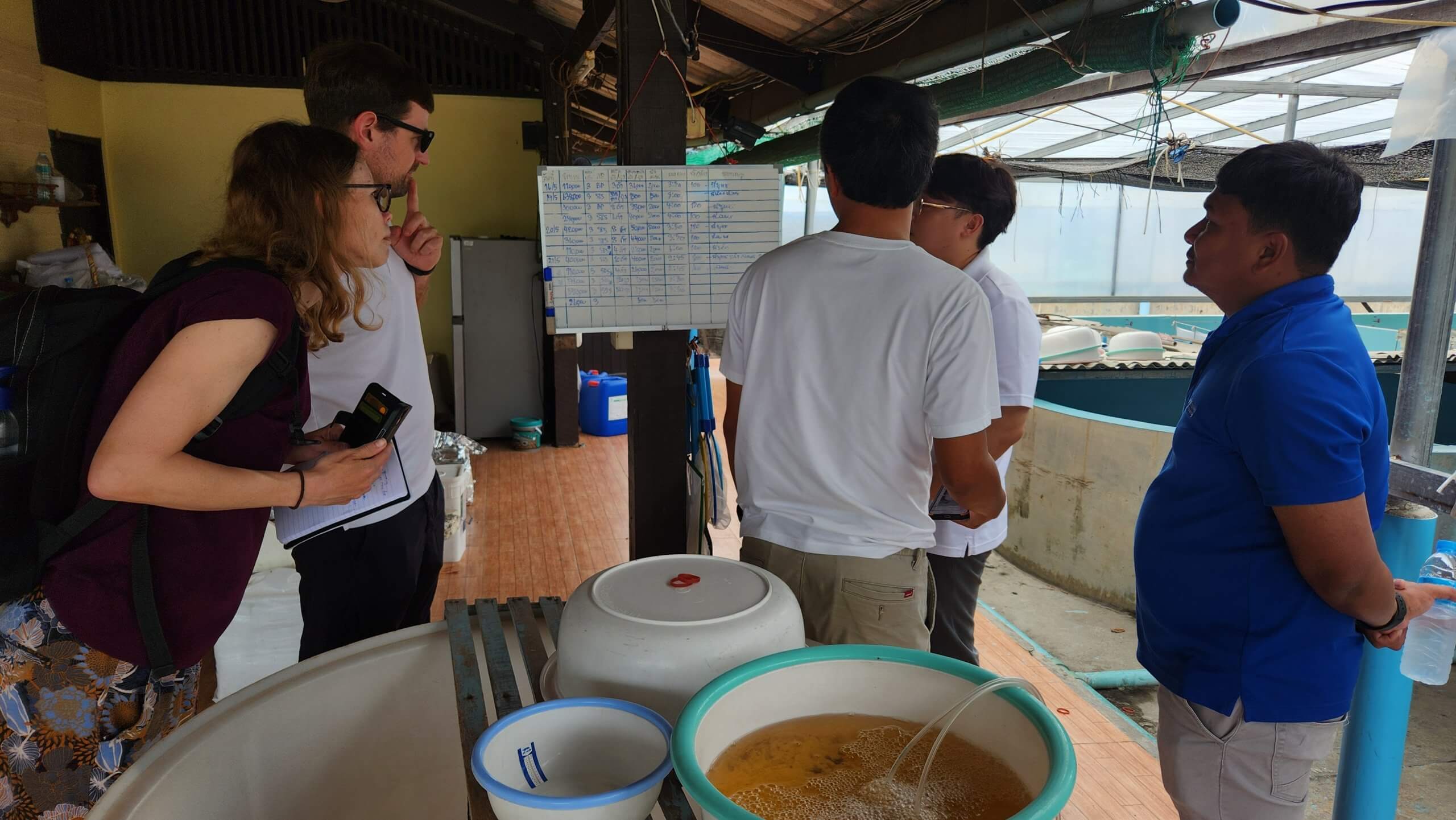
Image: The GSMA and Sida teams at the shrimp hatchery farm
Addressing these challenges requires technical and operational innovations in shrimp farming, along with de-risking strategies like insurance and price transparency. The GSMA Innovation Fund startup HydroNeo is solving some of the specific challenges faced by small scale shrimp famers through its pioneering ‘Smart Farm Management System’.
HydroNeo’s smart farm management system
The solution provides real-time monitoring of critical water quality parameters including the following:
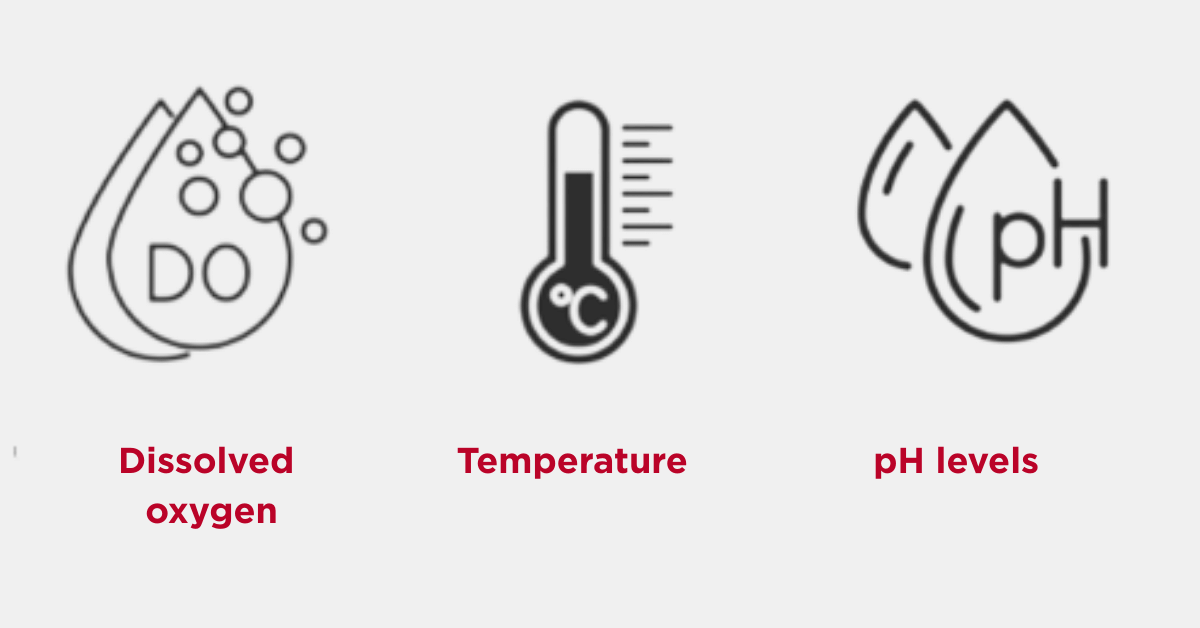
HydroNeo’s smart farm management system’s effectiveness has been highlighted in a study conducted by the Ministry of Agriculture of Thailand in 2023, which revealed that farmers using HydroNeo’s solution, increased their productivity by 13% through improved survival rates and healthy growth. If you would like to receive a copy of this report, please get in touch with HydroNeo.
Equipped with alerts and notifications, the system warns farmers about pond conditions, enabling real-time reactions. This reduces production risks and builds resilience in shrimp farming operations.
Expanding smart farm access through HydroNeo’s digital farm mobile app
The HydroNeo smart farm management system includes a hardware controller with water quality sensors and devices to automate motors and pumps. With support from the GSMA Innovation Fund, HydroNeo is developing the “HydroNeo Digital Farm App” adding new features. This will provide farmers with detailed and up-to-date production and market-related data.
The HydroNeo Digital Farm App already includes the following features:

Disease tracking:
Farmers can proactively report and stay informed about disease outbreaks in their region, reducing concerns about the health of shrimps.

Weather alerts:
Farmers receive timely notifications about conditions that may affect shrimp farming, such as abnormal water temperatures or algae blooms. This allows them to act before disruptions occur, minimising damage and downtime.

Market insights:
The Shrimp Market Price Index offers farmers transparent pricing trends and predictions with over 90% accuracy in forecasting shrimp price movement, making it easy to detect optimal times to sell their produce for higher margins.
The app follows a freemium model, offering basic functionality at no cost, while premium features are accessible to farmers through low-cost in-app purchases. HydroNeo can collate and analyse data from its sensor network and the HydroNeo Digital Farm App, allowing farmers to access accurate information without needing to invest in hardware systems. This approach ensures that many Thai shrimp farmers can begin to experience the benefits of digital smart farm support, helping them mitigate climate –change induced risks.
Finally, the app acts as a digital repository, compiling long-term trends of the farmer’s ponds and = daily logs related pond activities. This provides a credible archive for users to monitor their ponds over time and respond to challenges accordingly.
Innovation in action
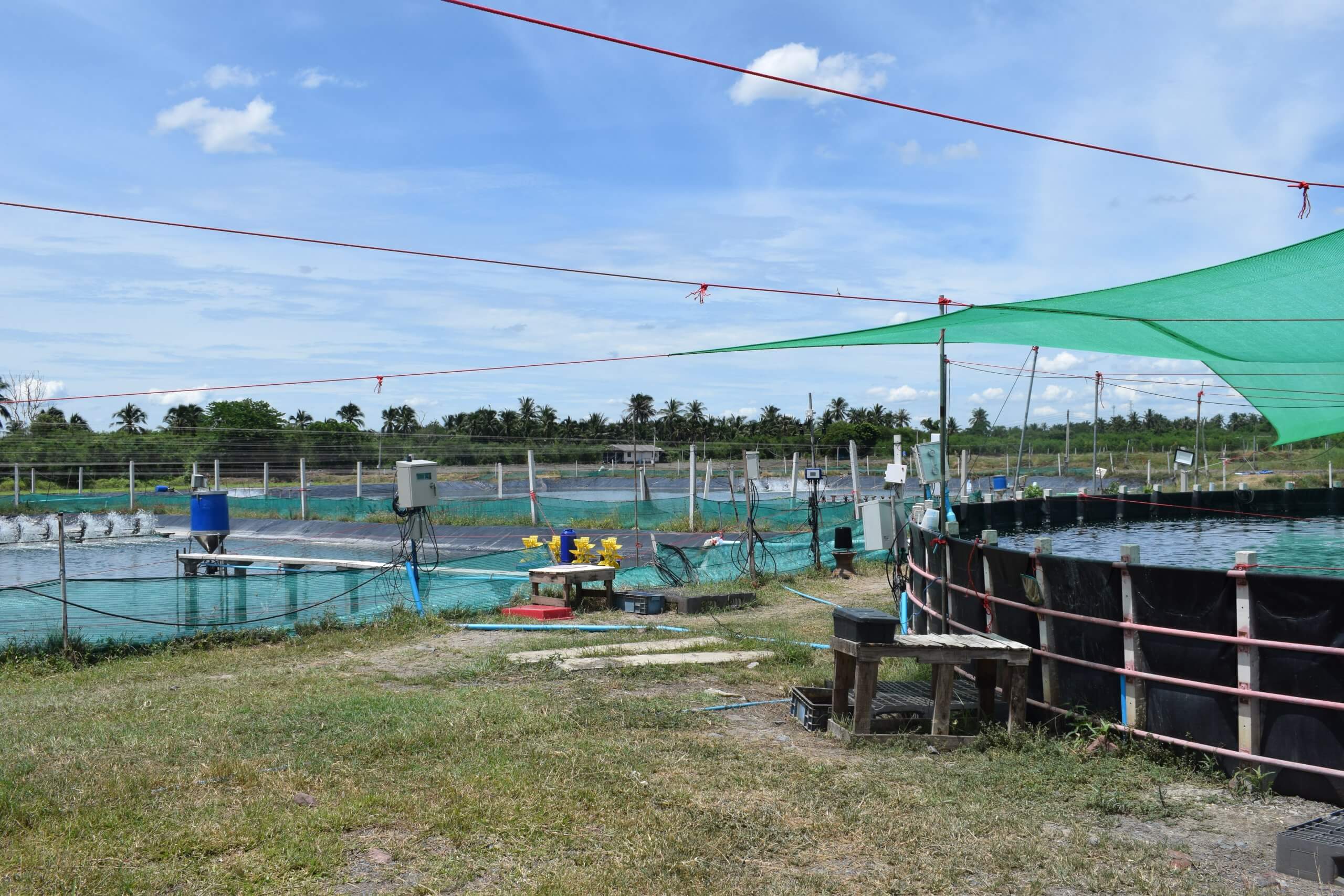
Image: HydroNeo’s reef and river Farm, Samut Sakhon
Here’s what we believe makes HydroNeo’s solution unique:
- Building climate resilience: As climate change leads to more unpredictable weather, HydroNeo’s adaptive solutions provide real-time environmental data and instant alerts, helping farmers respond swiftly to floods, droughts, and storms. By building resilience into shrimp farming operations, farmers can protect their assets, maintain productivity and ensure business continuity.
- Energy cost savings: HydroNeo’s precision sensors kick in only when oxygen levels drop too low, turning aerators on and off as needed. This smart system helps farmers save up to 30% on energy costs while keeping shrimp healthy and thriving.
- Designed for simplicity: During our visit to the Reef & River Farm, which is HydroNeo’s research and development facility in Samut Sakhon, we saw both old and new prototypes the smart water monitoring system in action, highlighting the startup’s constant push for innovation. Their updated designs are more user-friendly and easier to install, making the set-up simpler for shrimp farmers.
- Streamlined digital payments for farmers: HydroNeo has taken the hassle out of payments. Farmers now use a secure payment gateway for automated debit card payments, replacing the old system that often-caused delays and defaults. This change ensures smoother operations and better cash flow for everyone involved.
Looking Ahead: Impacting the future of shrimp farming
The GSMA ClimateTech team witnessed first–hand how HydroNeo’s commitment to tailoring their innovation for Thailand’s small-scale shrimp farming ecosystem has set them apart in the industry. By combining technology-supported shrimp welfare practices with accessibility, they are supporting farmers across various contexts in improving productivity.
HydroNeo is actively developing new features to assist shrimp farmers. Soon, farmers will be able to measure shrimp, analyse growth, and even detect diseases in real time. HydroNeo is also expanding its operations into new markets, including India and Indonesia, and is seeking collaborations with mobile network operators to support their vision in two key areas – cost effective IoT SIM connectivity and coverage solutions and market access partnerships. Through this HydroNeo seeks to leverage local expertise and infrastructure, ensuring reliable and affordable IoT services, while accelerating their market presence..
To find out more about the other startups of the GSMA Innovation Fund for Climate Resilience and Adaptation Cohort 2.0 here.
Join the upcoming blue economy webinar in June:
LIINKEDIN LIVE
Digital Innovations Transforming the Blue Economy
Thursday, 5 June
09:30 BST | 11:30 EAT | 14:30 IST
The ClimateTech programme is currently funded by UK International Development from the UK government and the Swedish International Development Cooperation Agency (SIDA) and is supported by the GSMA and its members.
