




In times of crisis, staying connected can mean staying alive. When hazards materialise into disasters, whether of natural or man-made origins, reliable communication is essential for coordinating emergency response efforts, informing affected communities, and ensuring timely rescue operations. A salient challenge is that damaged infrastructure often disrupts telecommunications, leaving many stranded without help.
Recognising this challenge, organisations like the United Nations World Food Programme-led Emergency Telecommunications Cluster (ETC) and the GSMA Mobile for Humanitarian Innovation (M4H) are working in close collaboration with the International Telecommunication Union (ITU) to strengthen emergency telecommunications preparedness worldwide. The efforts focus on actioning National Emergency Telecommunications Plans (NETPs), which help governments prepare for disasters and ensure that their communication networks and systems remain operational.
Key strategies for preparedness that partners have identified include:
- Stronger national coordination: Effective emergency response starts with clearly defined roles and responsibilities. Governments, private sector partners, and humanitarian organisations must collaborate in advance to establish coordination mechanisms. The GSMA, ITU and ETC co-convened regional workshops in Africa, the Caribbean, and Asia-Pacific have brought stakeholders together to improve disaster response strategies and information sharing.
- Implementing national plans: Countries such as Rwanda, Malawi, and the Dominican Republic have benefited from technical support provided via the GSMA, the ETC, and other agencies in implementing NETPs. The efforts involve policy support, capacitation, and simulations for testing and managing communication systems during emergencies, ensuring smoother and more efficient responses.
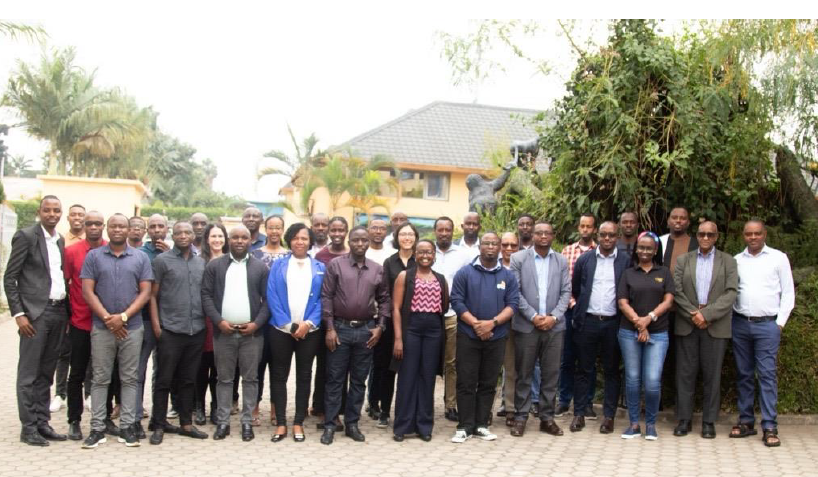
Rwanda ETC national ICT cluster kick-off meeting in August 2024
- Building regional resilience: Collaboration at a regional level strengthens preparedness. In the Pacific, Caribbean, and Southern Africa, governments are working together to develop shared emergency telecommunications frameworks, making it easier to respond collectively to disasters. Recent efforts include joint ITU-ETC-GSMA workshops where emergency simulations helped determine challenges and opportunities to enhance coordination. Initiatives such as the UN’s Early Warnings for All provide frameworks for effective multi-stakeholder collaboration in building resilience.
- Practical simulations and training: Hands-on exercises, such as flood and cyclone response simulations, are vital for testing emergency plans. Countries like Pakistan and Ghana have hosted training sessions to enhance early warning systems and disaster response capabilities, with the support of the GSMA, the ETC, ITU, and other key agencies.

GSMA Humanitarian Connectivity Charter Pakistan workshop in December 2024
The collective experience across multiple stakeholders has identified a number of lessons:
- Better coordination saves lives: Clearly defined responsibilities and efficient communication between agencies can significantly improve disaster response.
- Training is essential: Regular capacity building exercises ensure emergency responders are well-prepared and systems function as intended.
- Knowledge sharing is key: Countries can learn from each other’s experiences, adopting best practices for disaster preparedness.
- Long-term investment is necessary: Integrating emergency preparedness into national development plans ensures sustainability and resilience in the face of increasing climate-related disasters.
With the rising severity and frequency of disasters, national and regional emergency telecommunications preparedness is more critical than ever. Through collaboration, planning, and continuous learning, governments and organisations can strengthen resilience, ensuring that vital communication networks remain operational when they are needed most.