When disaster strikes, every second counts
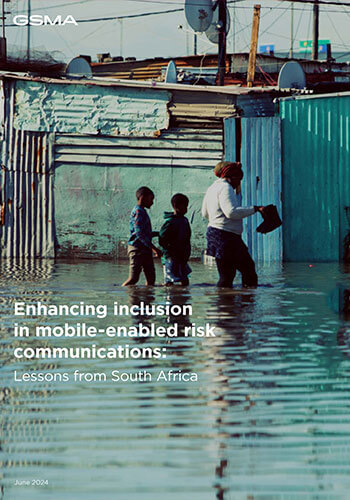
Natural hazards such as flash floods, earthquakes, and cyclones can be devastating, causing loss of life and massive destruction. The key to minimising their impact lies in preparedness, ensuring that communities receive timely warnings so they can take life-saving action. Whether it’s seeking shelter, evacuating, or securing property, access to early information can mean the difference between safety and catastrophe.
Why early warning systems matter
Early warning systems (EWS) provide critical alerts that help individuals and communities prepare for disasters, reducing casualties and damage. For example, Bangladesh has dramatically reduced cyclone-related deaths by implementing a comprehensive warning system that uses mobile messaging and community networks. In Japan, earthquake alerts sent via mobile phones give people crucial seconds to take cover before tremors begin, preventing injuries and saving lives. These systems not only protect individuals but also allow governments and humanitarian organisations to coordinate timely disaster response efforts.
With climate change driving more frequent and severe disasters, strengthening EWS has never been more urgent. Ensuring that warnings reach vulnerable populations, especially those in remote areas requires innovative, multi-channel approaches that leave no one behind.
The Tanzanian context
Tanzania is highly susceptible to climate-related hazards, including frequent and prolonged droughts, flash floods, and rising sea levels. In the 2023–2024 season, El Niño-driven rains led to significant losses: the country experienced crop losses valued at $69 million, the death of 90,000 livestock worth $62 million, and the displacement of over 200,000 people. These extreme weather events have significantly impacted both the population and the economy, affecting key sectors such as agriculture, forestry, fisheries, energy, health, water, industry, business, trade, tourism, and services.
Recognising this critical need, Tanzania was designated as a priority country under the global Early Warnings for All (EW4All) initiative in May 2024. This initiative seeks to ensure that everyone, regardless of location or socioeconomic status, has access to life-saving early warnings. EW4All is built on four pillars, which form the foundation of both the initiative and effective multi-hazard early warning. The International Telecommunication Union (ITU) leads on Pillar 3, ‘Warning dissemination and communication’, which has enabled close collaboration between the GSMA and ITU, ensuring that Tanzania’s EWS activities align with international best practices.
With five mobile network operators (MNOs) covering large parts of the country, mobile technology presents a powerful tool for delivering early warnings to at-risk populations. The GSMA has prioritised Tanzania for the development of a blueprint for a mobile-enabled EWS to leverage this infrastructure and ensure that communities, particularly those in high-risk and remote areas receive timely and accurate alerts.
The role of mobile network operators
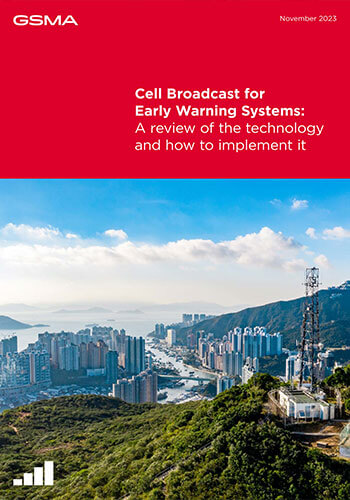
MNOs are a vital link in the early warning chain. Their infrastructure enables rapid dissemination of alerts via SMS, cell broadcasts, and mobile applications, reaching millions instantly. By leveraging their networks, MNOs ensure that warnings are accessible even in areas with limited internet connectivity.
However, challenges remain. Network coverage gaps, digital literacy barriers, and misinformation persist. Addressing these issues require co-ordinated efforts among governments, humanitarian organisations, and mobile operators. Together, they can enhance disaster preparedness by improving warning systems, expanding mobile coverage, and educating communities on how to respond to alerts.
Supporting a mobile-enabled EWS in Tanzania
The GSMA began by supporting Tanzania’s mobile-enabled EWS through critical convenings, research and stakeholder engagement.

MNO cell broadcast workshop delegates in Dar-es-salaam, Tanzania
Based on these experiences, the GSMA is now focusing on assessing the infrastructure readiness of Tanzanian MNOs to support an EWS. These efforts include evaluating network capabilities, coverage, and the feasibility of Cell Broadcast (CB) technology to enable rapid and widespread dissemination of early warnings.
From plans to action
February 2025 marked a critical step forward as the GSMA and partners engaged in high-level meetings and hosted a workshop on CB readiness. These discussions focused on infrastructure adaptation, policy alignment and regulatory frameworks that would ensure Tanzania’s mobile-enabled EWS moves from concept to implementation.
Key engagements included discussions with the Prime Minister’s office, Universal Communications Service Access Fund (UCSAF), Tanzania Communications Regulatory Authority (TCRA), and MNOs. An important outcome of these discussions was AXIAN Group’s signing of the Humanitarian Connectivity Charter (HCC), which demonstrates the level of commitment operators in the country have to disaster resilience.

Dulip Tillekeratne (Director Strategic Partnerships, GSMA) and Hassan Jaber (CEO, AXIAN Telecom) signing the Humanitarian Connectivity Charter

GSMA and AXIAN group during the signing ceremony
A key takeaway from these discussions was the need for a strong policy alignment and a collaborative approach to ensure that CB technology integrates seamlessly into Tanzania’s emergency communication infrastructure.
Moving forward
Next steps include the development of a blueprint for CB messaging, with the GSMA and ITU leading the implementation and providing technical recommendations to strengthen sustainability.
Tanzania is making bold strides to ensure that critical alerts reach everyone, everywhere, in time to make a difference. The journey is just beginning, and the GSMA is proud to be part of it.
Related resources