


This is the first of a five-part “diary series”, which will highlight lessons from the GSMA Mobile Money Leadership Group Immersive Learning Trip in the Philippines in June 2025.
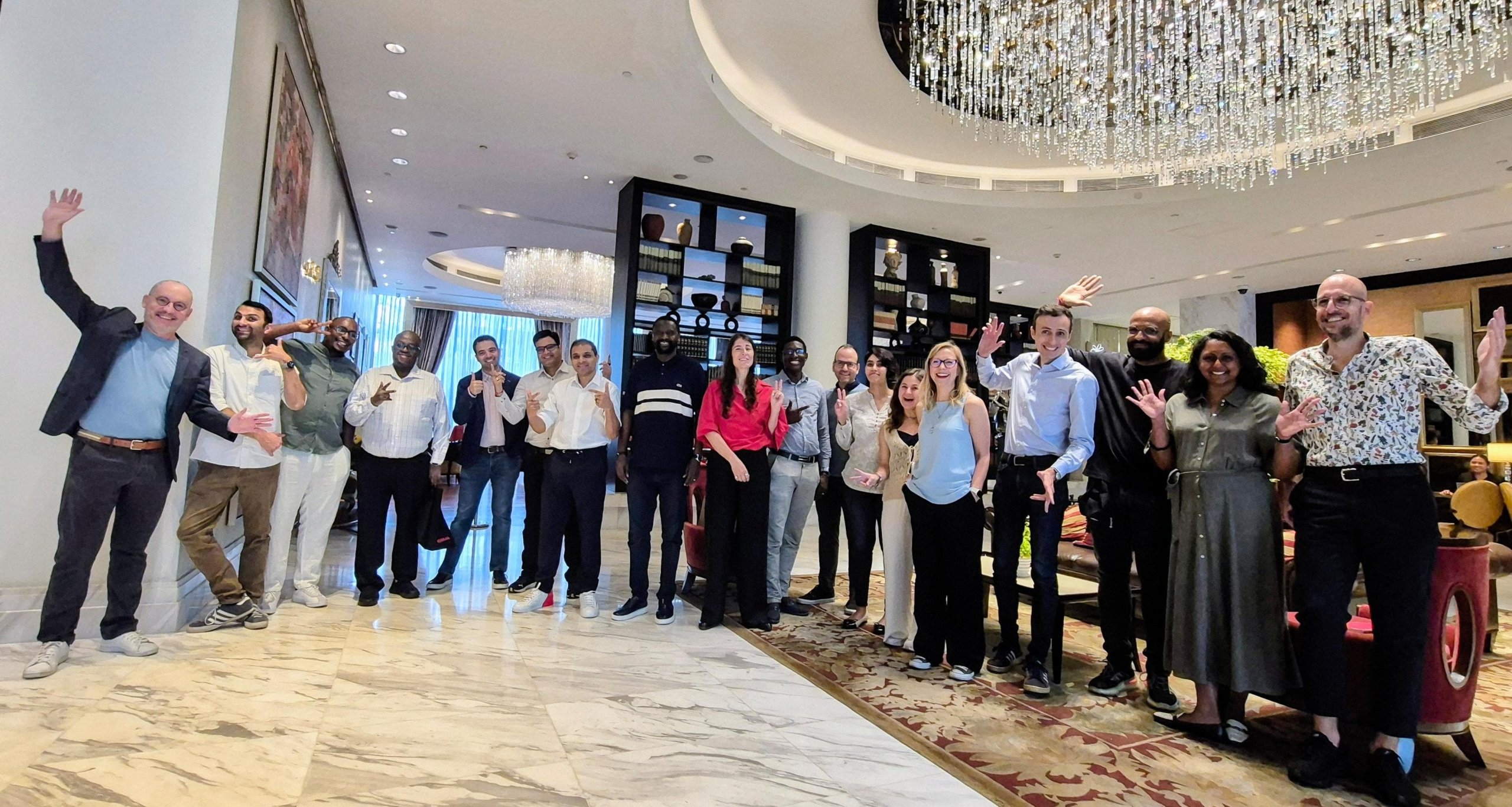
After a six-year hiatus, the GSMA Mobile Money Programme organised a market visit in Asia. Mobile money leaders from Airtel Money, Axian Open Innovation and Fintech, MTN Fintech, Orange Money, M-Pesa and Vodacom were invited to learn about the growth of mobile money in the Philippines from 23 to 27 June 2025. On the first day, together with colleagues from the GSMA Mobile Money Programme, the group learned about merchant payments offered by GCash – the Philippines’ largest mobile money provider.
How GCash promotes mobile money merchant payments
Merchants in Ayala properties typically accept payments via GCash (itself part of the Ayala Group). When a merchant leases space in an Ayala building, they are encouraged to adopt GCash and accept e-money for payments. The merchant discount rate (MDR) for GCash is 2%, which is significantly lower than the 4% MDR for credit cards. Some merchants, e.g., larger chain stores and supermarkets, can negotiate lower rates. For merchants, GCash is integrated into their point-of-sale (POS) systems, with partners such as GHL acting as an aggregator.
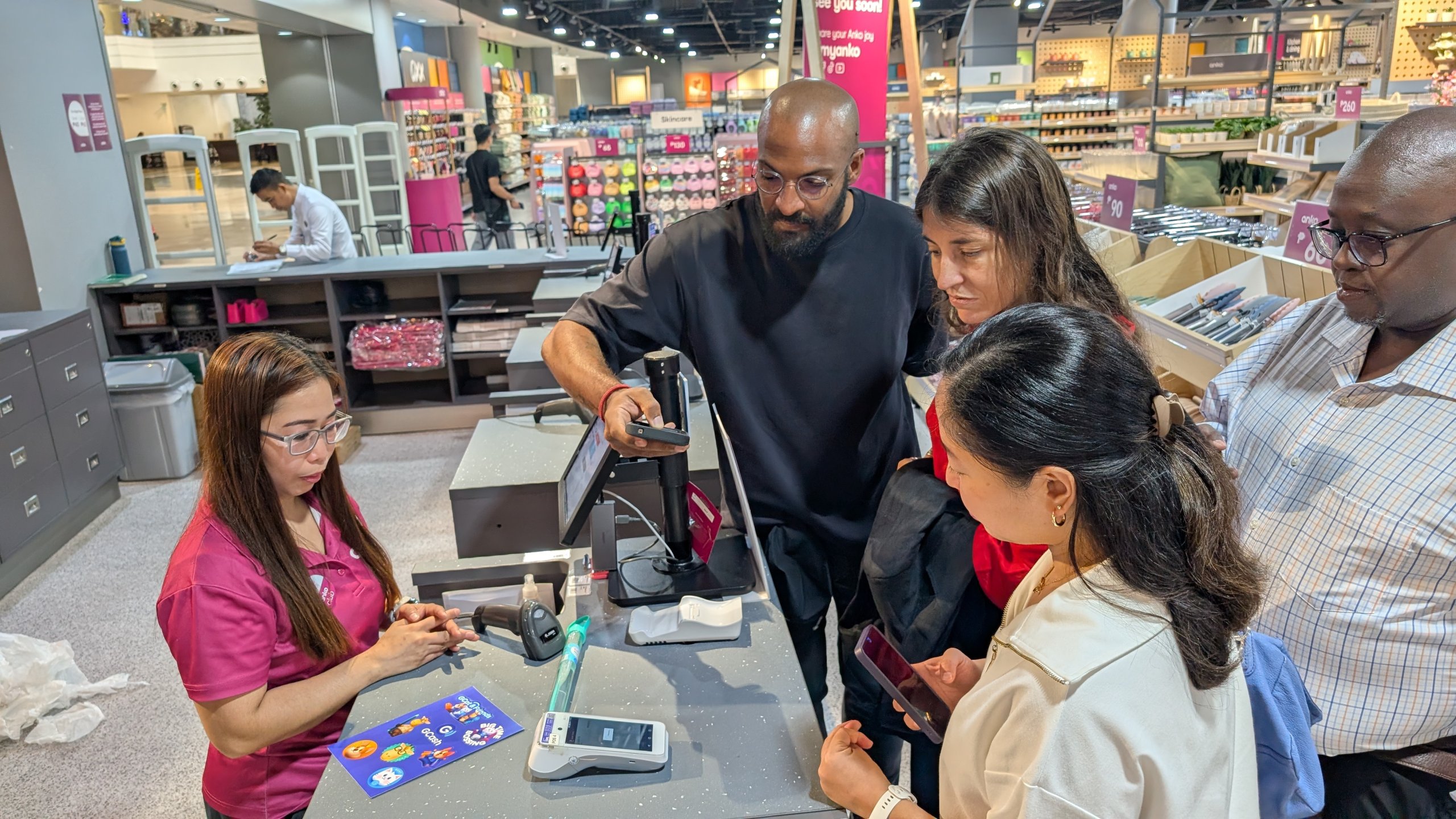
GCash offers various QR code-based merchant payments: Sound Pay uses a static QR code where the amount needs to be manually input, while dynamic QR codes automatically display the transaction amount. Customers can also “tap to pay” through near-field communication (NFC) payments. GCash provides this in partnership with Alipay and MasterCard. Despite these options, not all payments are frictionless: some merchants manually record payment reference numbers.
QR code acceptance methods can vary by merchant. Smaller merchants are likely to have a static code printed on a small display banner or card. For larger merchants, GCash provides POS terminals as all QR codes are interoperable. Where Maya, a competitor, offers the POS and is therefore the acquirer, GCash still earns a 30% interchange fee on the MDR. To ensure service quality and acceptance, the company relies on a dedicated “trade assurance” team to carry out nationwide checks and provide troubleshooting assistance.
Lessons from merchants on the ground
After learning about GCash, the mobile money leaders spoke to merchants in Intramuros (colonial Manila) and Quiapo, a vibrant street market in Manila. From these interactions, it was evident that GCash acceptance was more widespread than other fintechs – even though not all merchants accepted GCash. While GCash is interoperable with Maya, the latter generally requires a primary ID for full account features. In comparison, many merchants cited GCash as more accessible. Some merchants accepted GCash person-to-person (P2P) payments, rather than offering a merchant payment option.
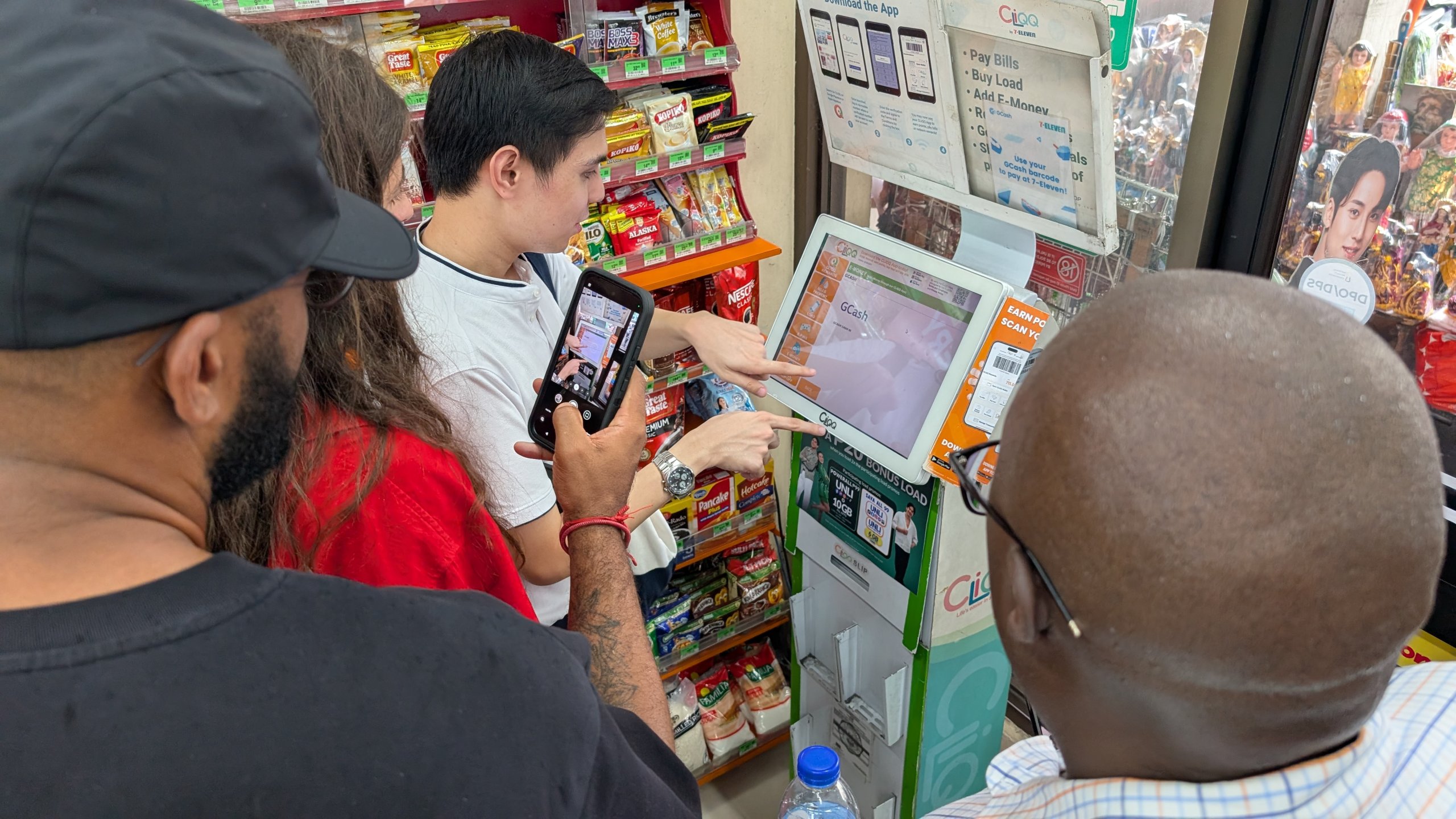
Fees for cash-in and cash-out services can vary across different agents. Some informal agents, who are not automatically mandated to cash in or cash out, have developed a business opportunity out of this. For instance, one informal agent charged $0.09 to cash in or cash out $1.75. Fixed fees are more likely at established retailers. For instance, 7-Eleven charges 1% for a cash-in, while bank-to-wallet transfers usually incur a standard $0.25 fee. Despite these varying fee structures, the overall trend points towards increasing digital payment adoption and a more interconnected e-money landscape.