



This is the penultimate (i.e., fourth) blog of a five-part “diary series”, which highlights lessons from the GSMA Mobile Money Leadership Group Immersive Learning Trip in the Philippines in June 2025.
Two days with banks and fintechs gave our mobile money leaders a good flavour of the app-based approach that has seen growth in the Philippines. The fourth day took a different turn: half of the participants spent time with customers and learned about their fintech preferences and usage habits. The other half visited CARD Pioneer Micro Insurance (CPMI), a joint venture between CARD MRI, a mutual benefit association, and Pioneer Insurance. With at least 30 million policies, CARD Pioneer is routinely seen as a model for the microinsurance industry to aspire to.
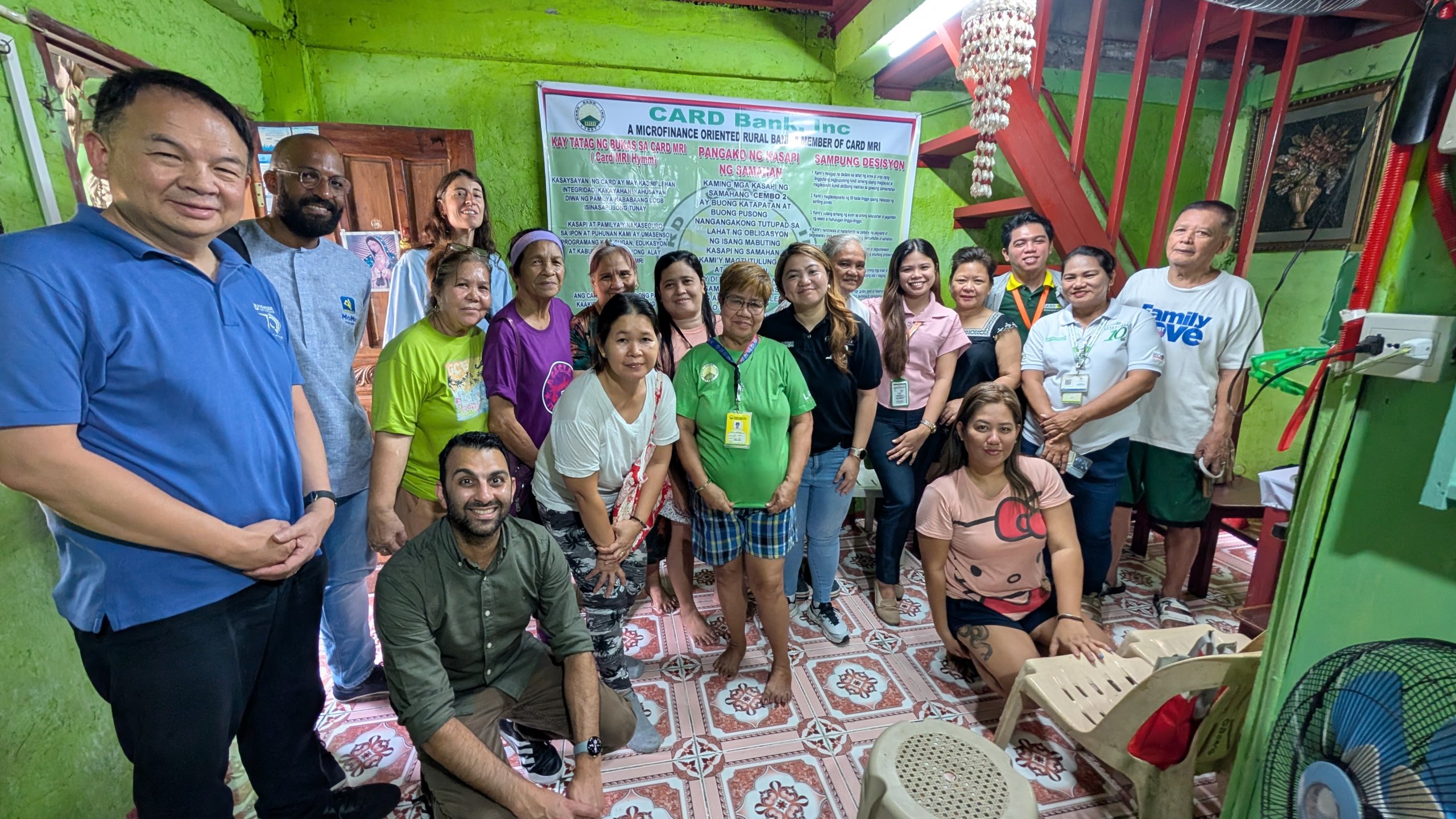
CPMI’s strategy rests on selling insurance bundled with loans
Through CARD Pioneer, customers can take out a loan offered by CARD to pay for insurance (provided by Pioneer Insurance). Loan applications for up to $3,500 are filed at community centres, often a person’s home, through a CPMI agent. The vast majority of agents are women, including nanays (Filipino for “mothers” or “elderly ladies”). Applications are brought back to a branch for processing and approval. This system enables the bank to make the final loan decision while providing ease of access through community centres.
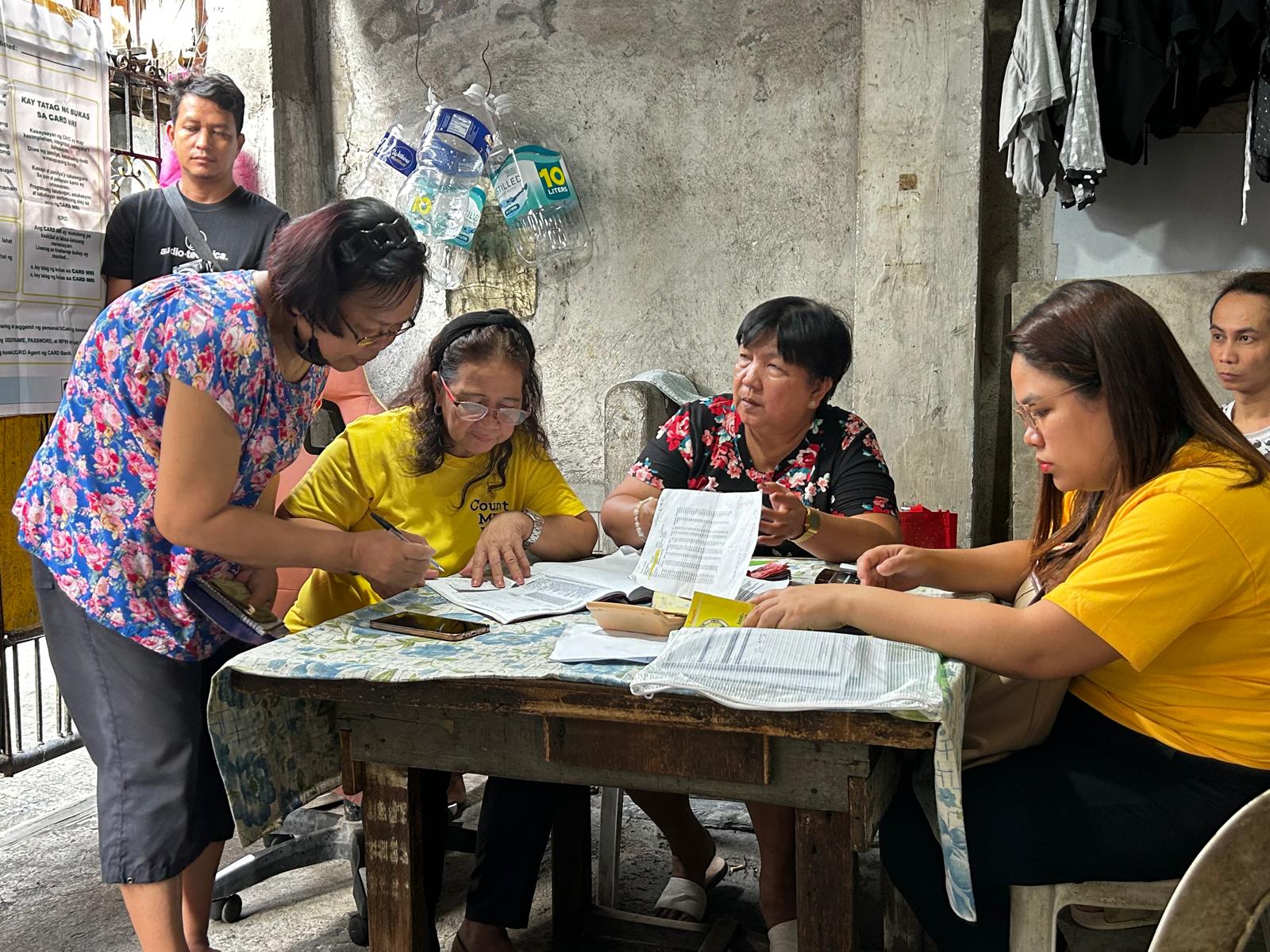
Among the various products available, the most popular are Sagip, Kabuklod (both are life insurance policies), and CARD Care (a hospi-cash product). To collect customer data, agents use a dedicated mobile app to capture basic customer information. Impressively, around 80% of loan volume is processed through the app, highlighting CPMI’s commitment to digital transformation. As part of this, CPMI is advancing digital claims and repayments to make transactions smoother and more efficient. To achieve this, customers are required to mandatorily enrol in konek2CARD, a CARD’s mobile wallet platform.
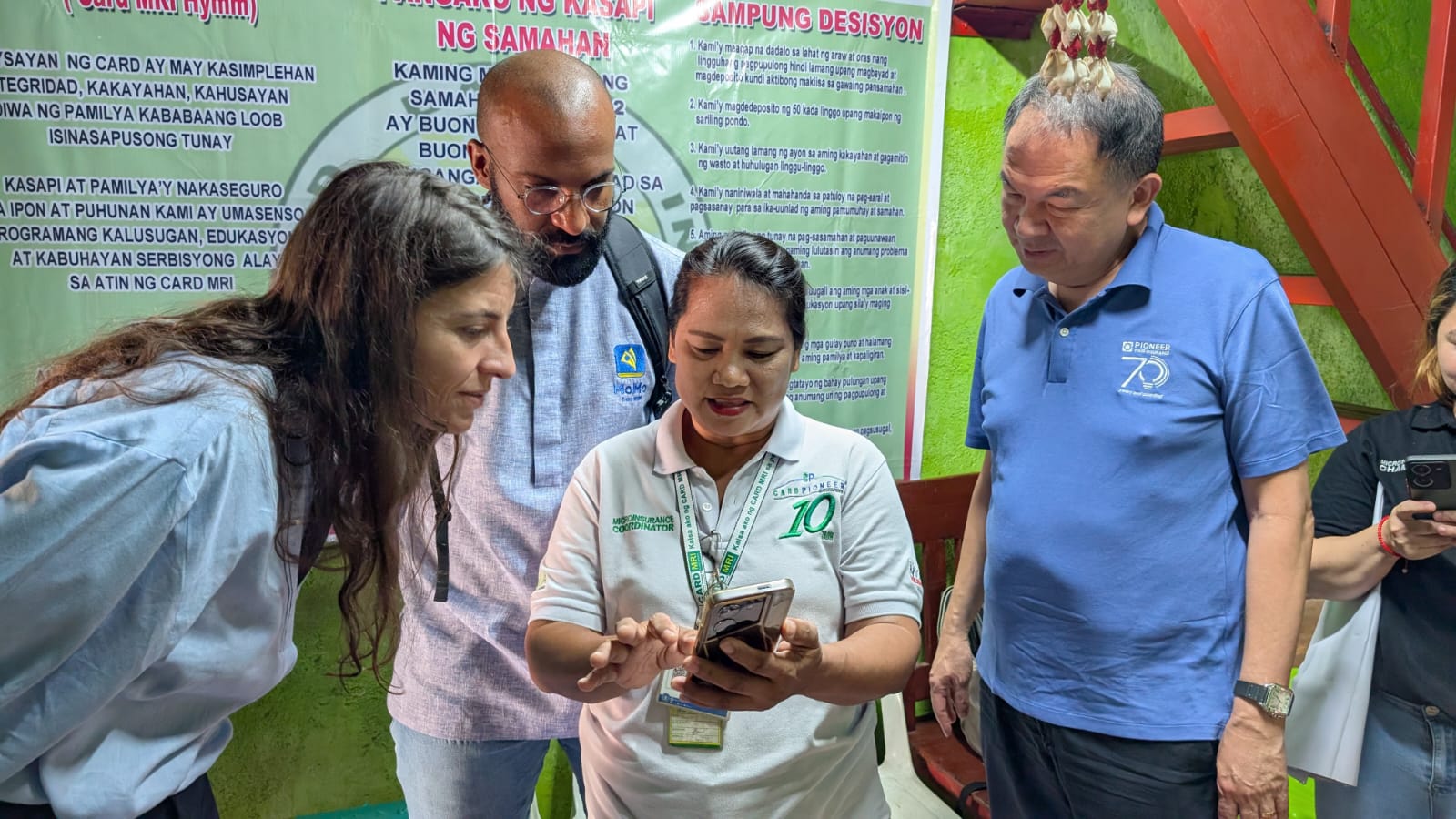
High uptake rates are a product of positive reinforcement by community members
Loan repayments can be made during weekly community meetings, where members contribute money upfront. These fees are offset towards existing business loans and insurance products. Payments are recorded by the centre chief or secretary, promoting a culture of transparency and collective responsibility. Members encourage others to keep up their repayments, with non-payers likely to experience a sense of shame. This social pressure has led to an exceptionally high repayment ratio of 99%. This approach helps maintain financial sustainability and ensures that customers’ payments contribute directly to their ongoing financial services.

CPMI’s network is extensive, with 2,200 agents serving approximately 2,000 inhabitants each. CARD operates 90 bank branches across various provinces, each with a microinsurance supervisor responsible for overseeing 30 to 40 agents. CPMI supports this structure by providing monthly training sessions for supervisors, who in turn train their agents. Training sessions cover product updates, policy changes and best practices. This approach aims to ensure consistent service quality and product knowledge.
A transparent claim process has helped to create an impactful service
Claims have typically been processed and paid using the “1-3-5” method. After submitting a claim, claimants can expect one day to be notified, three days for the claim to be verified, and five days to be paid. However, CPMI has adopted a new “8-24” standard: around 96% of claims are typically processed within 8 to 24 hours. There is no need to work with third-party loss adjusters or surveyors. The community-based approach has worked well as members know and agents know everyone. This was also notably effective during Typhoon Haiyan, which affected 24,000 families in 2013. CPMI responded by setting up a street presence to directly approach and assist clients.
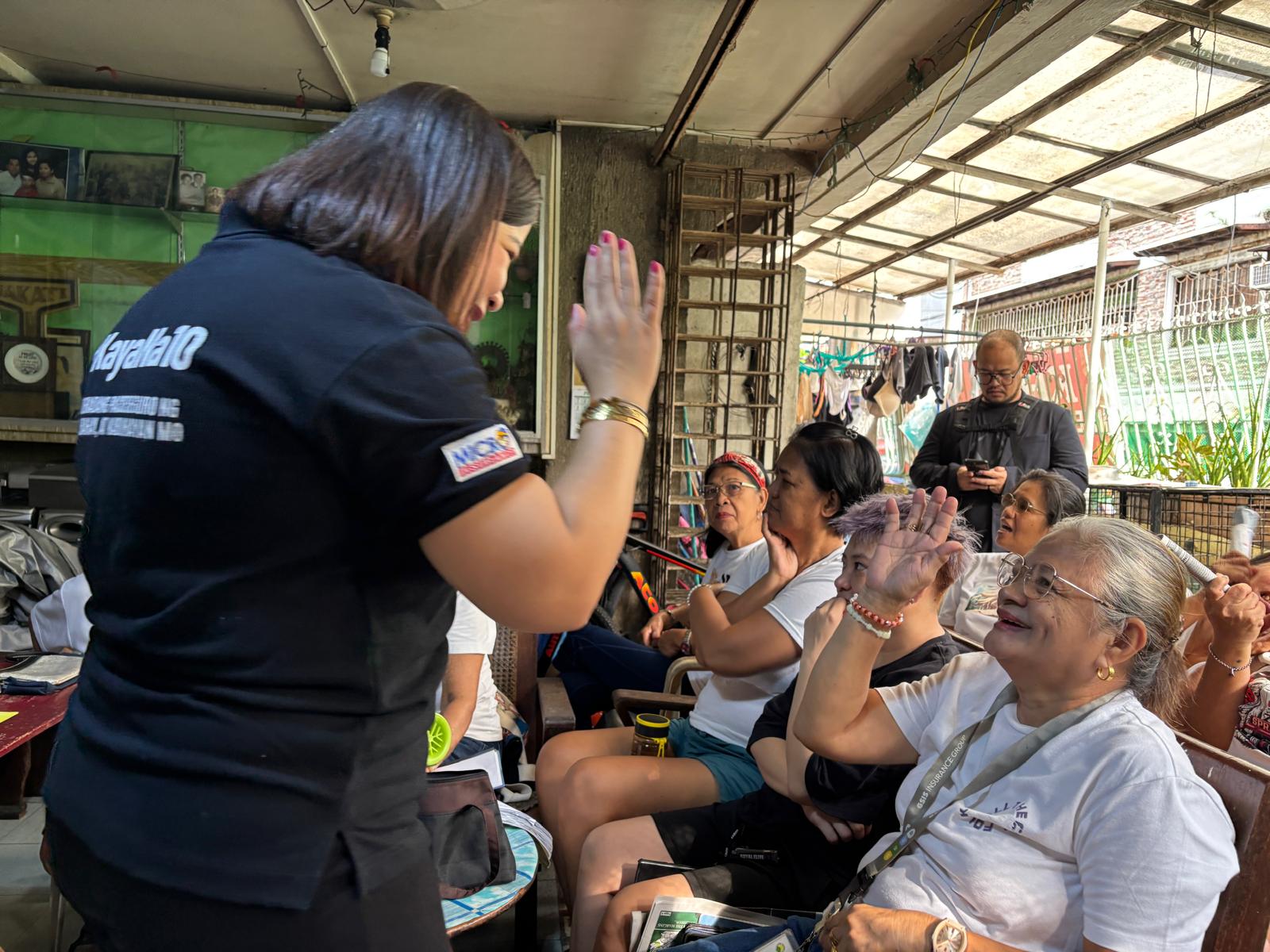
All customers who meet at community centres tend to be small entrepreneurs, highlighting the CPMI’s focus on supporting grassroots business owners – most of whom are women. On average, each customer takes out five loans per year. This reflects active engagement and trust in CPMI’s insurance products. And among these, business loan cover remains the most important and valued by customers. While loans are still an important value proposition, CPMI has reached a stage where customers are willing to purchase insurance independently of loans. This indicates growing trust and awareness of insurance and its benefits.