


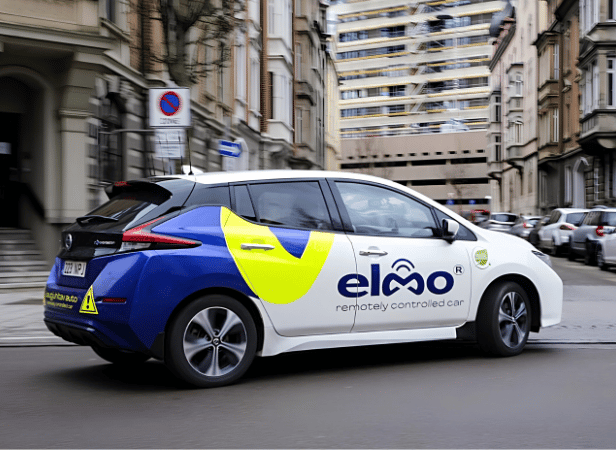
Elmo: Industry demand for reliable connectivity for teledriving and connected mobility
Teledriving and connected mobility providers are calling on mobile operators to enable predictable, reliable connectivity through standardised Network APIs for remote driving, fleet operations and safety-relevant mobility services.
About enterprise API demands
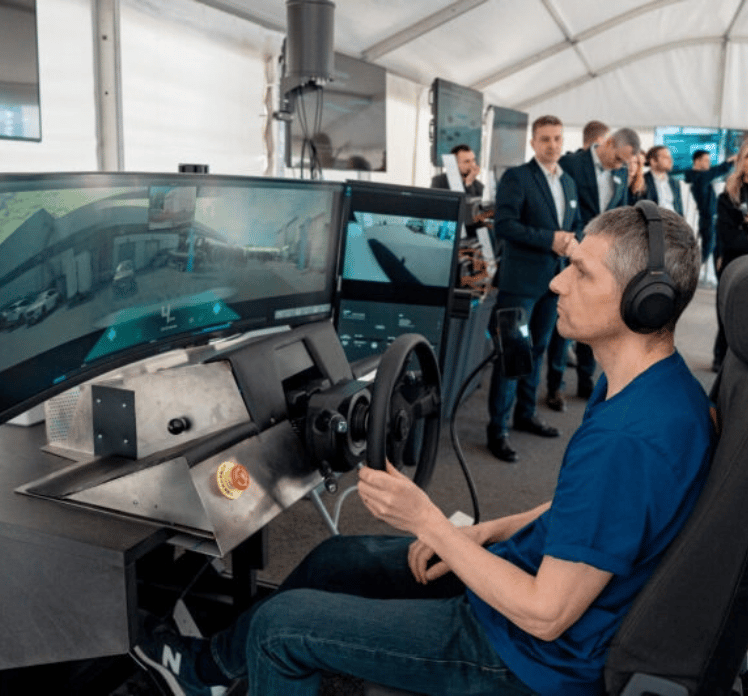
Teledriving depends on continuous mobile connectivity to transmit live video and operational data between a vehicle and remote driver, while enabling responsive vehicle control.
Elmo is calling on mobile network operators to expose standardised, interoperable network capabilities, with Quality on Demand (QoD) as the primary requirement, supported by capabilities such as location, device identity and network status where relevant.
As teledriving expands across mobility, logistics and autonomous vehicle support, enterprises need more than best-effort connectivity. Standardised Network APIs can enable authorised applications to request, manage and monitor the network quality required for a defined remote driving session.
Problem
Teledriving needs reliable, responsive connectivity for live video, data and vehicle control. Network variability and bespoke integrations make scaling difficult.
Solution

CAMARA / GSMA Open Gateway APIs enable programmable access to network capabilities and connectivity performance.
API service
Quality on Demand, supported by location, device identity, service continuity and network status APIs.
Impact
More predictable connectivity, greater scalability and reduced integration complexity for teledriving and remote mobility services.
More information
What is the Elmo market demand statement?
Elmo is calling on mobile operators to make standardised Network APIs, particularly Quality on Demand, available to support reliable, responsive connectivity for teledriving and connected mobility.
Why should mobile operators act now?
Teledriving relies on continuous video and data transmission and responsive vehicle control. Network APIs can give mobility providers a standardised way to request and monitor the connectivity characteristics required for a remote driving session, rather than relying solely on best-effort connectivity or bespoke operator integrations.
How does GSMA Fusion help?
GSMA Open Gateway and CAMARA provide a common framework for exposing network capabilities through standardised APIs. Wider operator adoption of capabilities such as QoD can help mobility providers build services that are more consistent and scalable across networks and markets.
Partners
This initiative is supported by: