Thursday 22 October, 2026
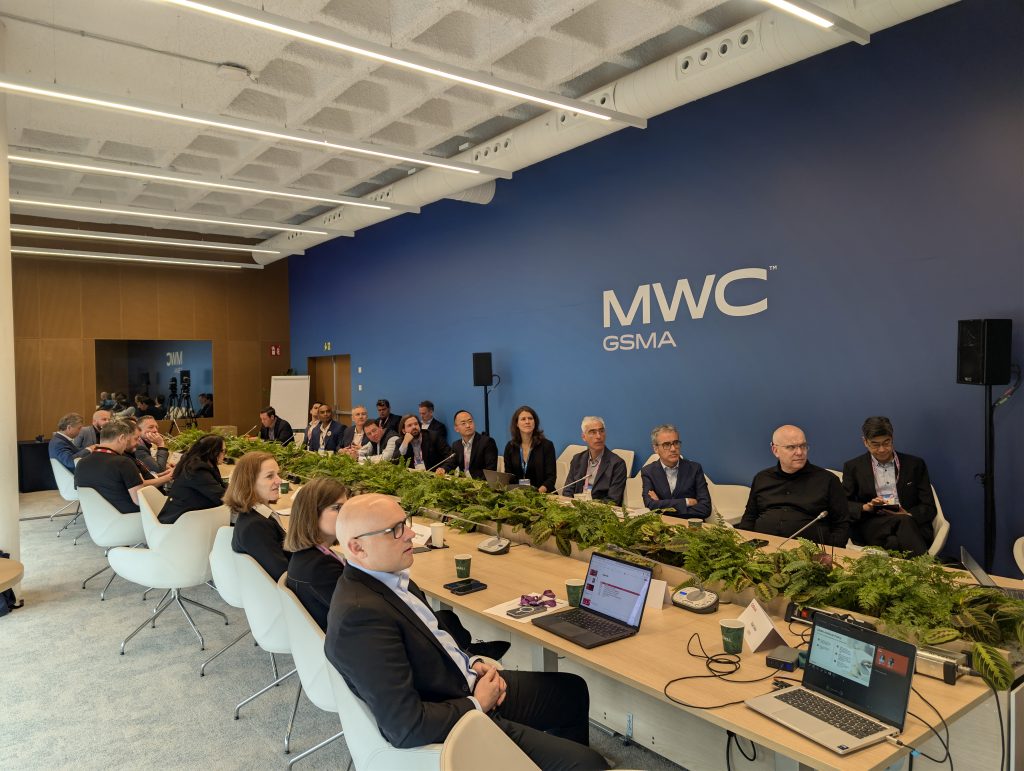
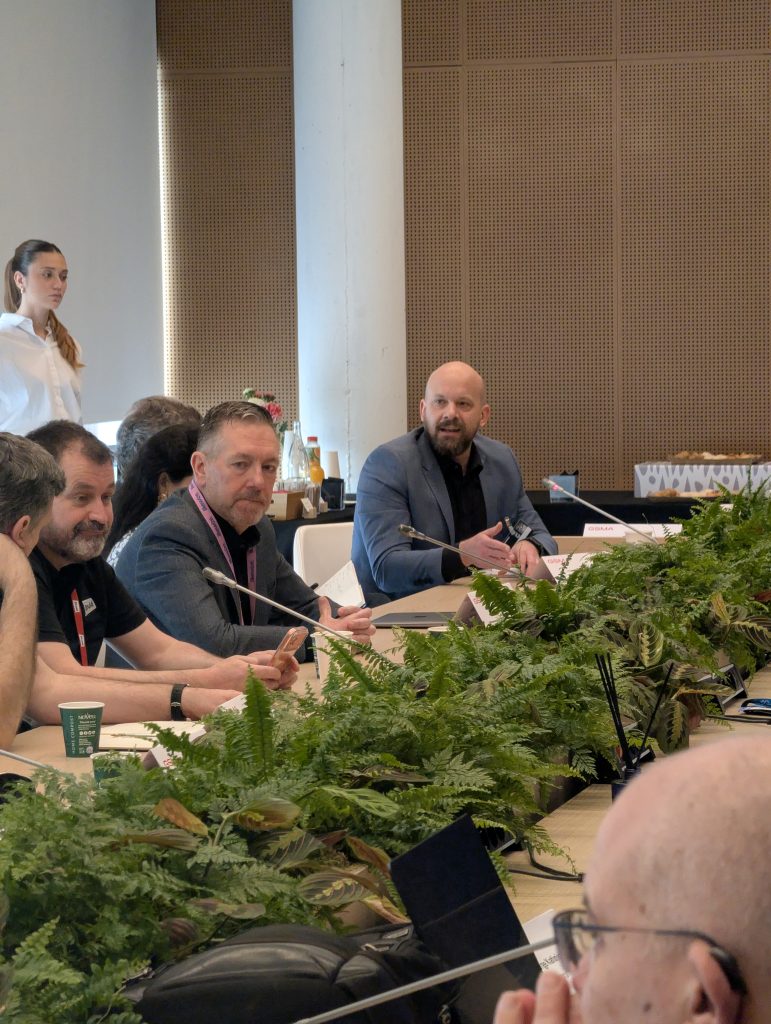
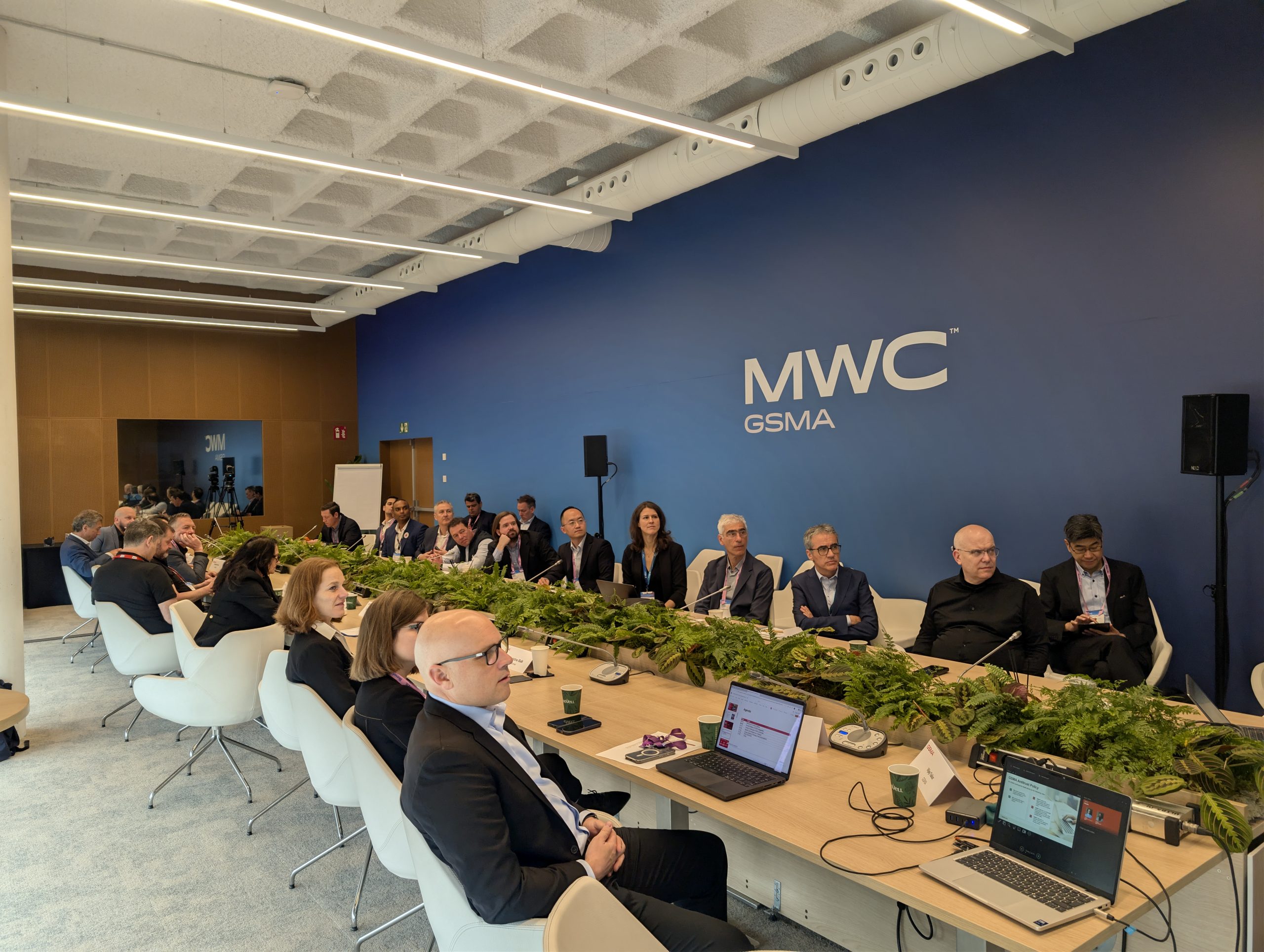
At a recent GSMA Connected Manufacturing and Production roundtable, experts from across the telecommunications, software, and manufacturing ecosystems gathered to discuss a persistent industry challenge: the integration of Information Technology (IT) and Operational Technology (OT). While the industry has discussed this integration for decades, it has been observed that the level of true IT and OT convergence within multinational manufacturing often remains in the early stages of development.
The roundtable set out to uncover why, exploring the ground-level friction points and how mobile technologies like 5G can act as a catalyst for change. The resulting discussion revealed that the future of manufacturing relies less on new technological breakthroughs and more on fundamentally evolving how organizations operate.
The Elephant in the Room: A Cultural, Not Technical, Divide
The overwhelming consensus in the room was clear: the technology required to support IT/OT convergence largely already exists and works. The more prominent roadblock is often systemic and cultural. It has been seen often that inside large manufacturing firms, IT and OT may operate in silos with differing Key Performance Indicators (KPIs). IT departments prioritize security and standardization, while OT and engineering are laser-focused on operational uptime, machine stability, and delivering value to the board. When an unexpected stoppage on a single heavy steel factory crane can cost an operation €150,000 per hour, OT’s inherent caution regarding network disruptions is highly rational.
To navigate this dynamic, experts argued that the industry could benefit from shifting its focus from technical interoperability to organizational interoperability. Currently, a lack of agreement across the ecosystem can sometimes be observed, as various vendors—from telecom operators to ERP software providers—offer disjointed solutions that cater to specific, rather than shared, goals. True convergence could require the enterprise C-suite to champion collaboration, bringing all vendors into the same room to design a holistic, end-to-end system before a single piece of technology is deployed.
The Device Dilemma: “Build It and They Will Come”
Another common friction point raised during the discussions is the developing state of the industrial device ecosystem. Manufacturers actively deploying Private 5G to overcome the coverage limitations of legacy Wi-Fi sometimes report challenges in finding natively compatible smart tools, such as 5G-connected torque wrenches.
However, telecom representatives suggested that this may be more of a supply chain timing issue rather than a technology failure, advocating for a “build it and they will come” strategy. Because the 5G manufacturing footprint is still growing, device vendors may prioritise mainstream demand. As a result, they might delay or adjust the release of specialised tools until customer requirements for 5G enabled devices become clearer.
Legislation as the Ultimate Catalyst
While cultural alignment and device ecosystems take time to mature, European cybersecurity legislation is acting as an immediate, non-negotiable catalyst for convergence.
Upcoming mandates like NIS2 and the Cyber Resilience Act are legally shifting the liability for cyber incidents directly onto operators. This shifting risk landscape is creating what one expert described as a “panic situation,” particularly among small and medium-sized enterprises that lack the resources to easily manage complex compliance. This legal pressure is effectively overriding cultural hesitancy, turning IT/OT security integration from an operational choice into a strict legal requirement.
Pragmatic Next Steps for the Ecosystem To move beyond pilot stages and scale deployments; the ecosystem can consider adjusting its approach:
Simplify the Pitch: It was argued that network vendors and solution providers can sometimes inadvertently overcomplicate the process by focusing primarily on highly complex manufacturing environments, even though roughly 80% of production facilities are straightforward assembly plants. For this segment of the manufacturing industry, pitching 5G simply as a more reliable alternative to Wi-Fi for basic IT connectivity before expanding into complex robotics, could be a strategy to consider.
Prove it in the Lab: Because OT teams are naturally focused on maintaining stability, off-site sandboxed testing is highly recommended. Allowing customers to bring their own legacy devices to test network integrations off-site builds vital trust without risking active production lines.
Looking Ahead
The stakes for successfully bridging this divide are high. The future of manufacturing, including innovations like Agentic AI managing robotic production lines, depends on seamless, time-sensitive data streams. Achieving this requires a robust and integrated IT/OT network that ensures both reliability and availability.
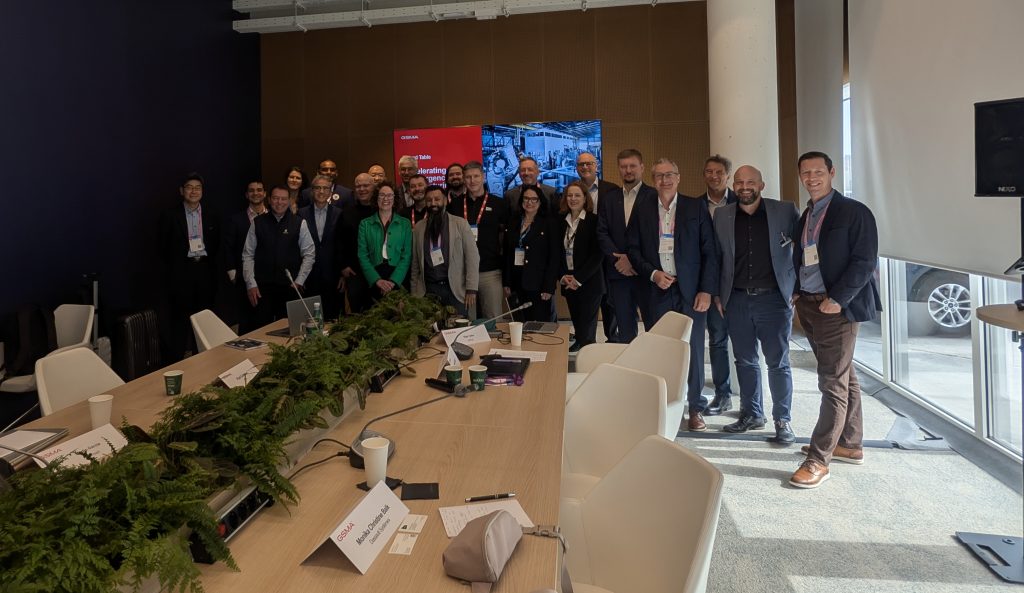
Thanks to participants from the following organisations for joining the discussion Accenture, Acromove Inc., AI-LINK, Airbus, Archetype AI, Dassault Systèmes, Druid Software, Ericsson, Future Technologies, GSMA Intelligence, KPN, Kyndryl, MINSAIT, Mitsubishi Electric Research Laboratories, OneLayer, Qualcomm, 5G-ACIA, Siemens AG, Spirent Communications, The Quorum Principle Limited