


Sunday 15 November, 2026
From Harvest Now to Hybrid Now: Building Quantum-Safe Networks Across MENA
A year ago, post-quantum cryptography in MENA was mostly a briefing topic. At MWC26 Doha, it sounded like a work programme.
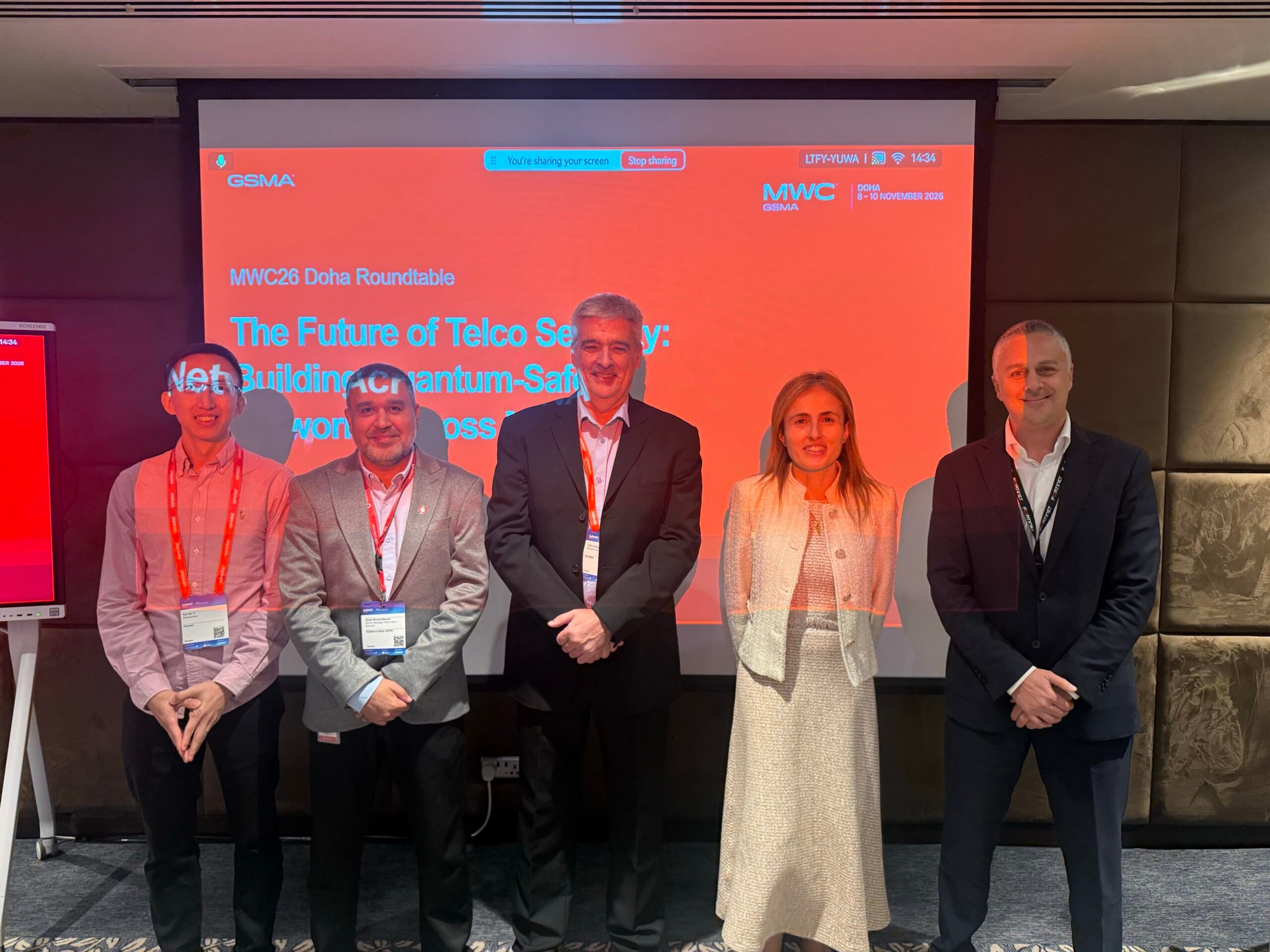
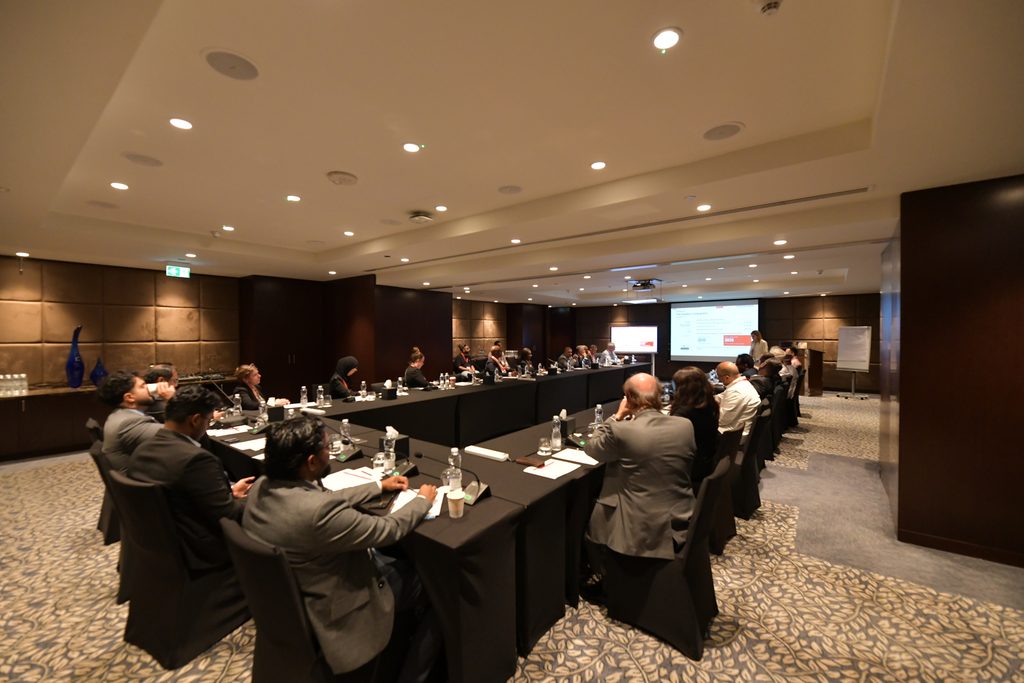
On 8 November, GSMA brought regulators, operators and vendors together for the roundtable The Future of Telco Security: Building Quantum-Safe Networks Across MENA, with speakers from GSMA, IDEMIA with Acceleronix, Huawei, Fortinet and Vodafone Qatar.
The clock started before Q-Day
A powerful enough quantum computer would break the RSA and elliptic-curve cryptography that secures almost every part of a mobile network. Q-Day may be years away, but “harvest now, decrypt later” means traffic intercepted today can be decrypted once it arrives.
Telecoms feels this sharply. A 5G core or security gateway bought in 2026 may run for 10 to 15 years, and the data it carries may need to stay confidential just as long. Meanwhile NIST, the US, UK, Canada and the EU are converging on the same timeline: migration plans now, high-priority systems by around 2030 to 2031, and full migration by 2035.
GSMA: turning standards into a telco roadmap
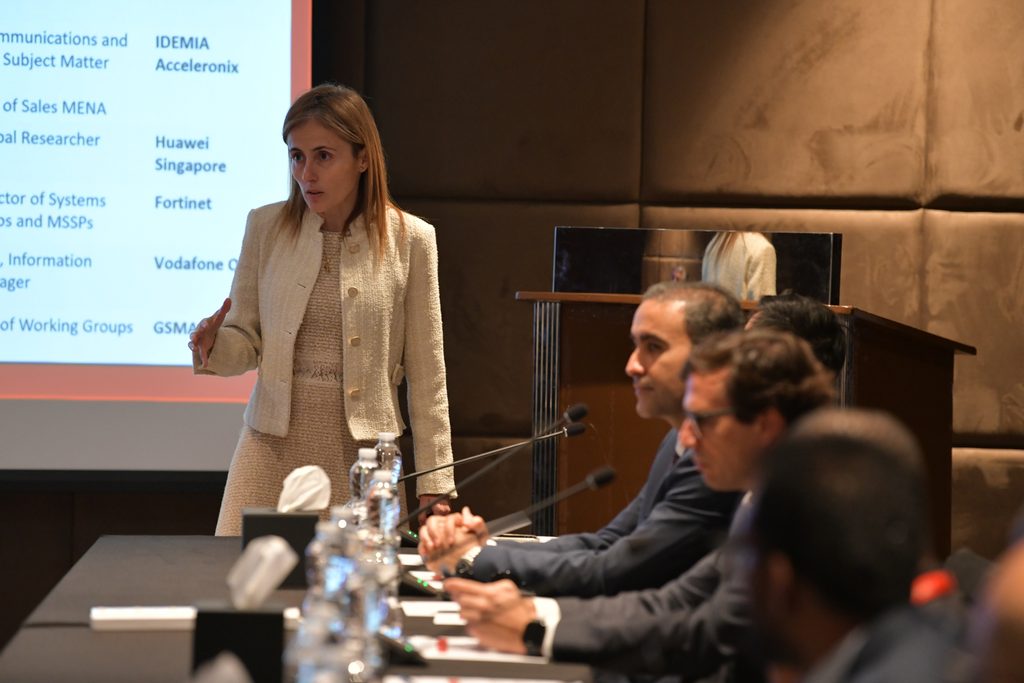
Yolanda Sanz, GSMA’s Head of Working Groups, explained how the Post-Quantum Telco Network (PQTN) Task Force turns the work of NIST, the IETF and 3GPP into practical guidance for operators. Since 2022 it has published guidance on risk assessment, migration planning, IoT, roaming and non-terrestrial networks. Its latest paper, PQ.08 on PQC for automotive, was developed with 5GAA.
The Task Force’s roadmap gives operators five steps: assess exposure, build a cryptographic inventory, test solutions, migrate priority systems by 2030, and complete the transition by 2035. Her advice was simple: do not procrastinate.
IDEMIA and Acceleronix: quantum-safe from the factory floor
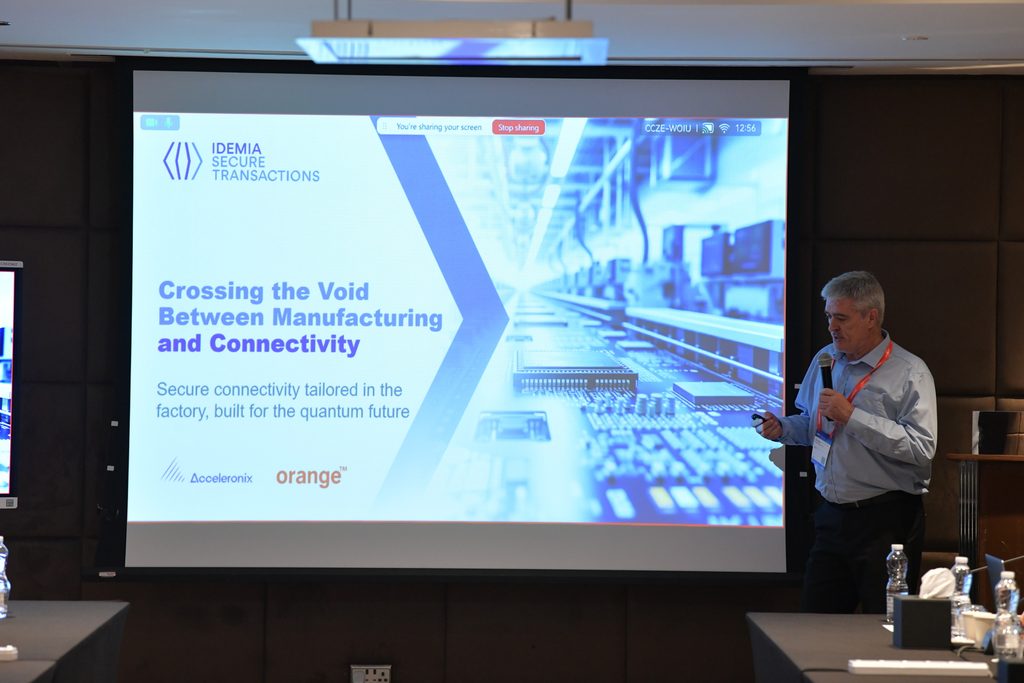
John Phelps (IDEMIA) and Yasser Alaoui (Acceleronix) showed how in-factory profile provisioning lets manufacturers build one global eSIM device and choose the operator late, cutting logistics costs by up to 20%. The risk is that carrier profile packages rely on elliptic-curve encryption and could be harvested now and decrypted later. Their answer, developed with Orange, applies quantum-safe algorithms when profiles are bound to eSIMs, protecting carrier credentials against cloning and fraud.
Huawei: the standards are moving, and so are the risks
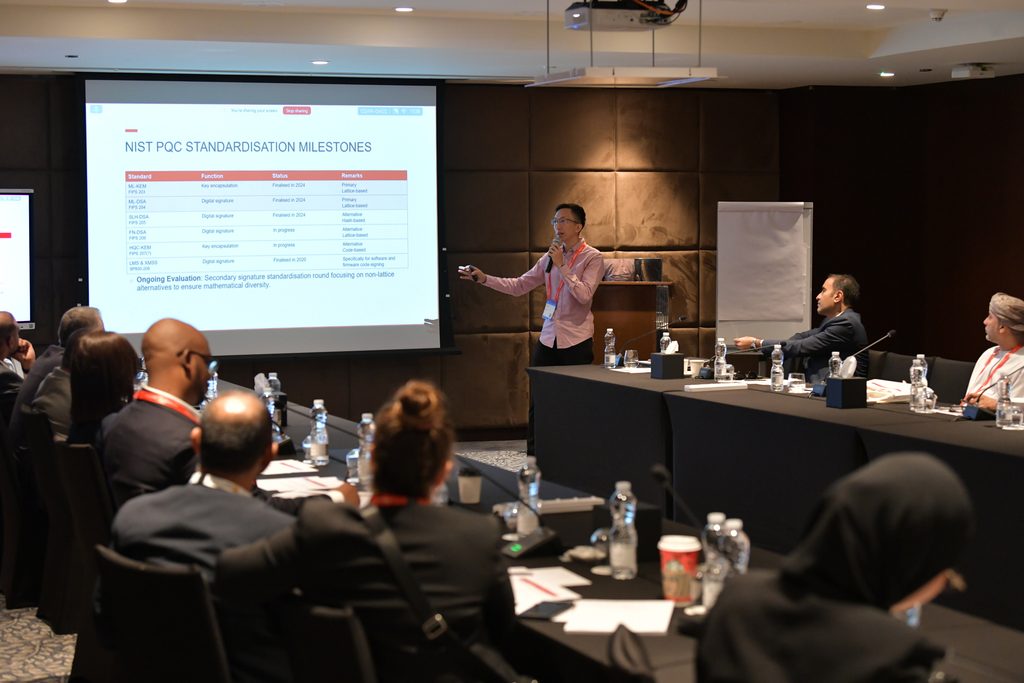
Dr. Yan Bo Ti of Huawei Singapore set out progress across NIST, the IETF, 3GPP and GSMA, and the challenges that remain. The new algorithms have less real-world testing behind them, and their larger keys can affect latency and packet sizes. His recommended mitigations were algorithm combiners, which pair classical and post-quantum keys so security holds if either fails, and crypto-agile architectures that change algorithms through software rather than hardware.
Fortinet: start with what you can see
Charbel Sarkis of Fortinet argued that operators can start discovery with tools they already have. Firewalls sit on most telco interfaces, and their logs can show which sessions use hybrid post-quantum key exchange and which are still classical. That creates a baseline, a worklist and monthly evidence of progress for boards and regulators.
Hybrid key exchange already runs in TLS 1.3 and IPsec. Fortinet suggested switching it on first for roaming, RAN backhaul, the management plane and managed enterprise VPNs, after testing packet size, throughput, interoperability and fallback.
Vodafone Qatar: a national strategy takes shape
Syed Ahmad Rasool of Vodafone Qatar showed how far Qatar has moved since last year’s roundtable. The CRA has called for status updates and consulted with HBKU on a PQC framework, Qatar has established its first PQC link at an HBKU research lab, and the NCSA is consulting on a national quantum-safe strategy that names telecoms as critical national infrastructure.
Vodafone Qatar’s own approach is “hybrid first”, migrating high-priority assets in line with the national strategy. From vendors, operators need tested hybrid profiles, clear roadmaps and evidence of interoperability and performance.
Four threads that ran through the day
- Inventory comes first. Every roadmap starts with knowing where cryptography is used.
- Hybrid is the bridge. Classical plus post-quantum key exchange is available today.
- Crypto-agility is the long game. Networks must change algorithms through software, not hardware.
- Policy and execution must meet. Shared regional guidance can align national strategies with operator timelines.
About the GSMA PQTN Task Force
The GSMA Post-Quantum Telco Network (PQTN) Task Force brings together operators, vendors and industry partners to prepare mobile networks for the quantum era. Since 2022 it has published practical guidance on quantum risk, migration planning and sector-specific use cases, from roaming and IoT to automotive, helping the industry move from awareness to action on a quantum-safe future.
