


Scam Advice (SIM Farms)
SIM Farms
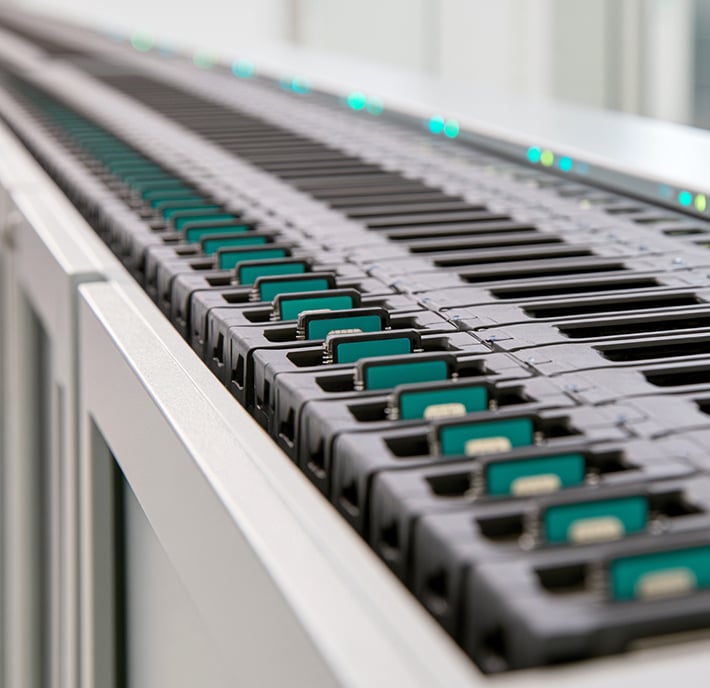
A SIM farm isn’t a scam you’ll see directly. It’s a tool scammers use behind the scenes. It holds hundreds of SIM cards in one device, so criminals can send scam SMS messages and calls at huge scale or create fake online accounts. Each SIM has its own number, so the messages look like they come from ordinary mobile users, and the numbers change constantly. That’s why blocking one number rarely stops them.

The setup
Each SIM can register accounts or place calls automatically

The hook
Hard to distinguish from genuine customers at a glance

The goal
Scale
One operation can support thousands of fraudulent actions a day
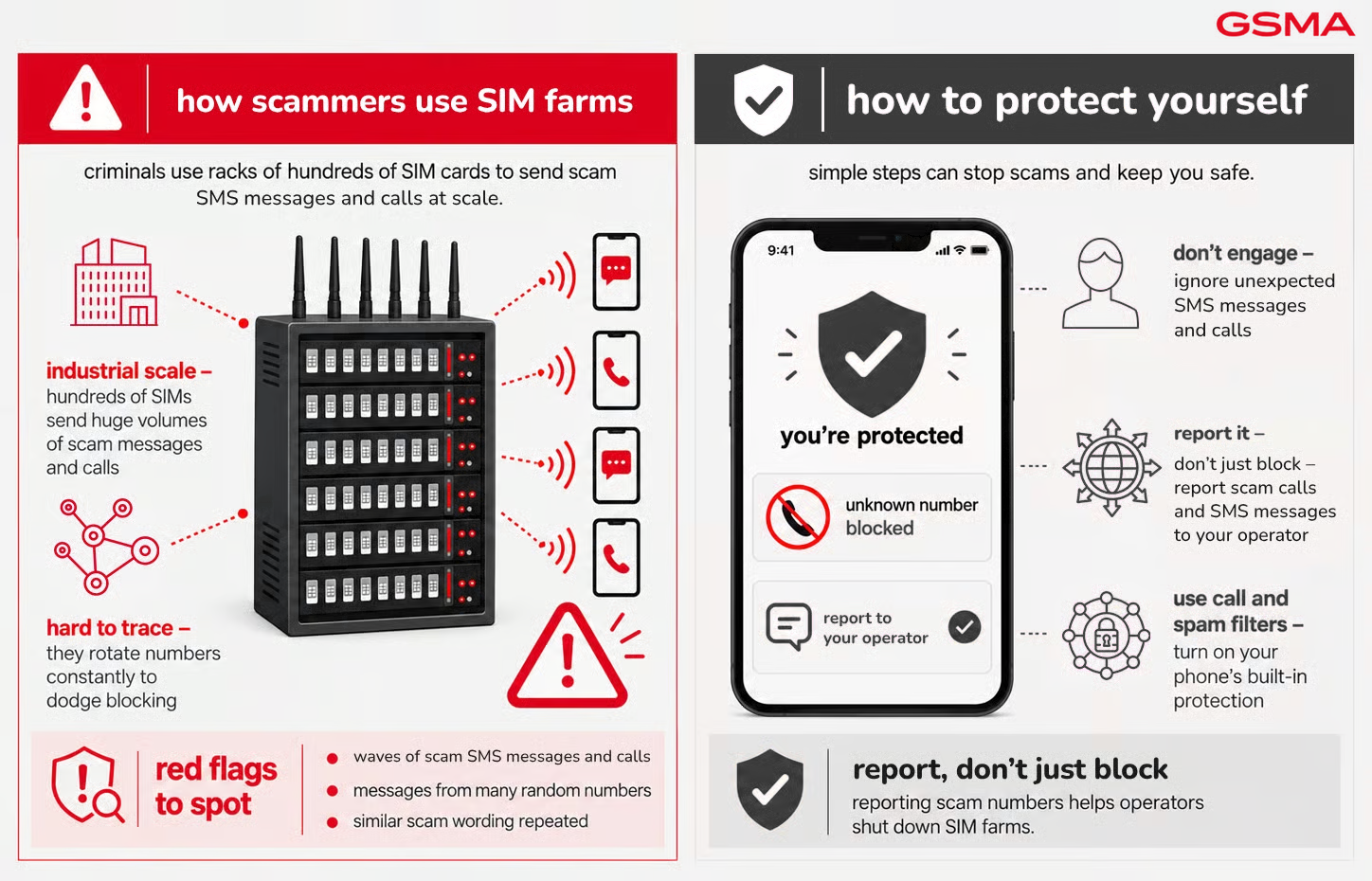
How scammers use SIM farms
You won’t see a SIM farm, but you may notice its effects:
- Receiving verification codes for accounts you never created.
- A surge of spam calls or SMS messages from many unfamiliar local numbers.
- Being unable to register for a service because your number is already “in use” fraudulently.
How to protect yourself
- Treat any unexpected verification code as a sign someone tried to use your number or details elsewhere – change that account’s password.
- Don’t rely on blocking. Scammers switch numbers constantly, so report scam calls and SMS messages to your mobile operator through its official website or app.
- Turn on your phone’s built-in call and spam filters.
National fraud reporting bodies




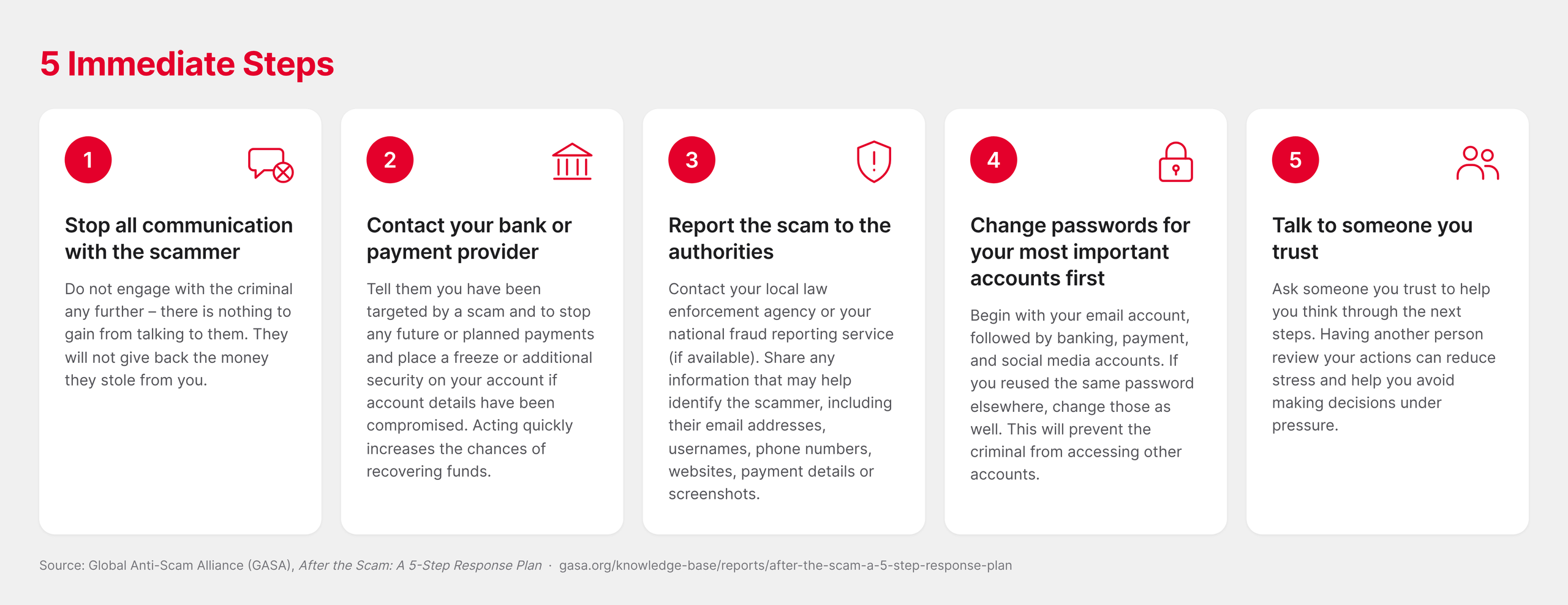
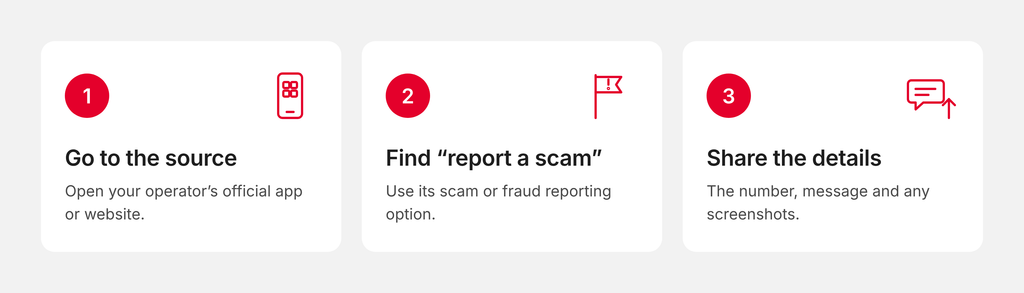
Tell your mobile operator
Reports help operators protect you and other customers. Always contact them through their official website or app, never through links or numbers in a suspicious message.
Not sure where to report?
Global Anti-Scam Alliance (GASA) keeps up-to-date directories of authorities and support services worldwide. Check out Scam.org for information.