


On May 7, 2025, GSMA North America hosted a high-impact afternoon workshop at the Virginia Tech Innovation Campus exploring the evolving policy and regulatory environment shaping mobile networks. Held during the RIG #96 meeting, the Upcoming Mandates and Their Impact on Networks session welcomed a distinguished group of speakers from industry, government, and academia to break down critical changes facing North American telecommunications today.
Looking within the current regulatory framework—from NG911 deployment to robocall mitigation and new expectations around IoT, UAS, and connected vehicles—this session offered a timely and in-depth look at how public safety, network resiliency, and regulatory compliance intersect in an increasingly complex ecosystem.

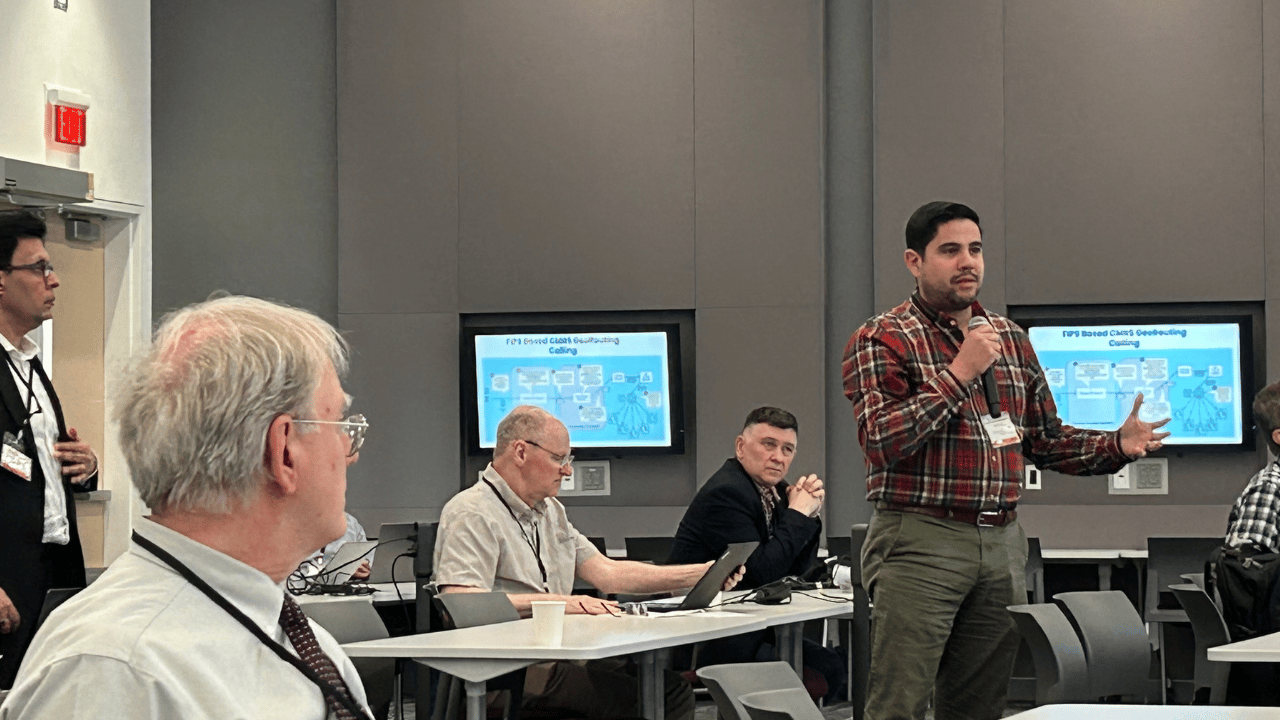
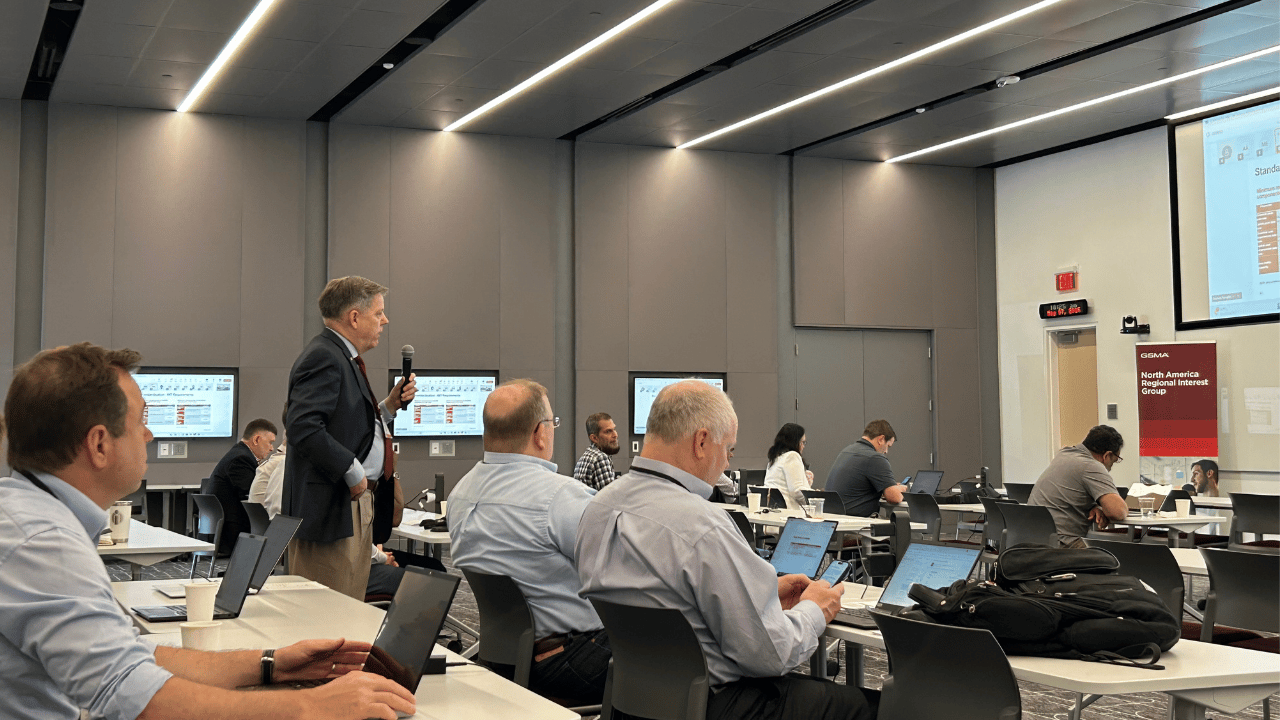
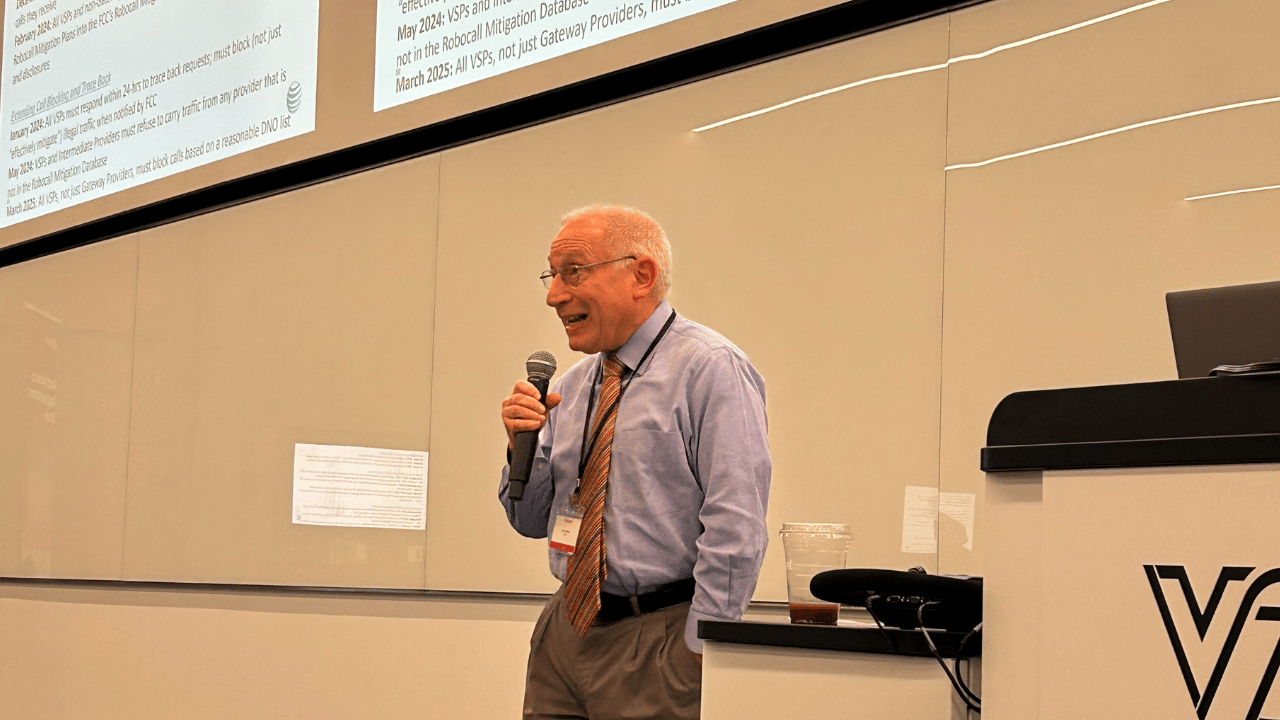


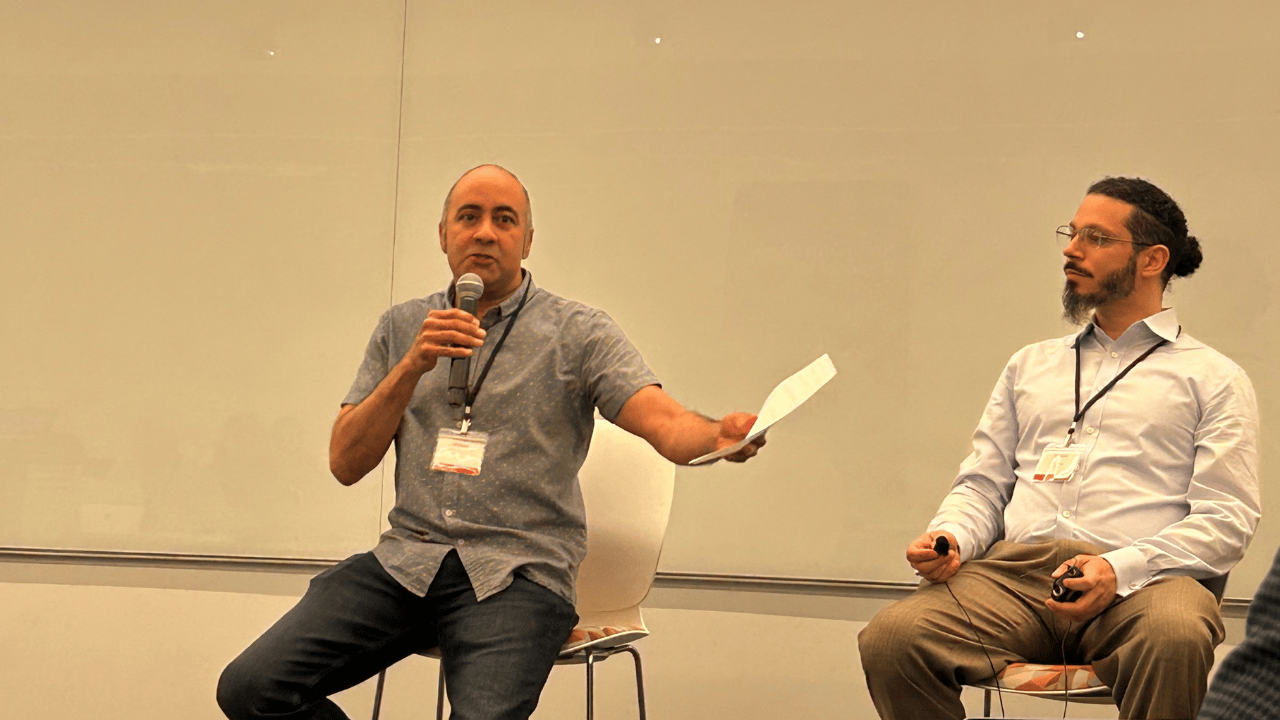
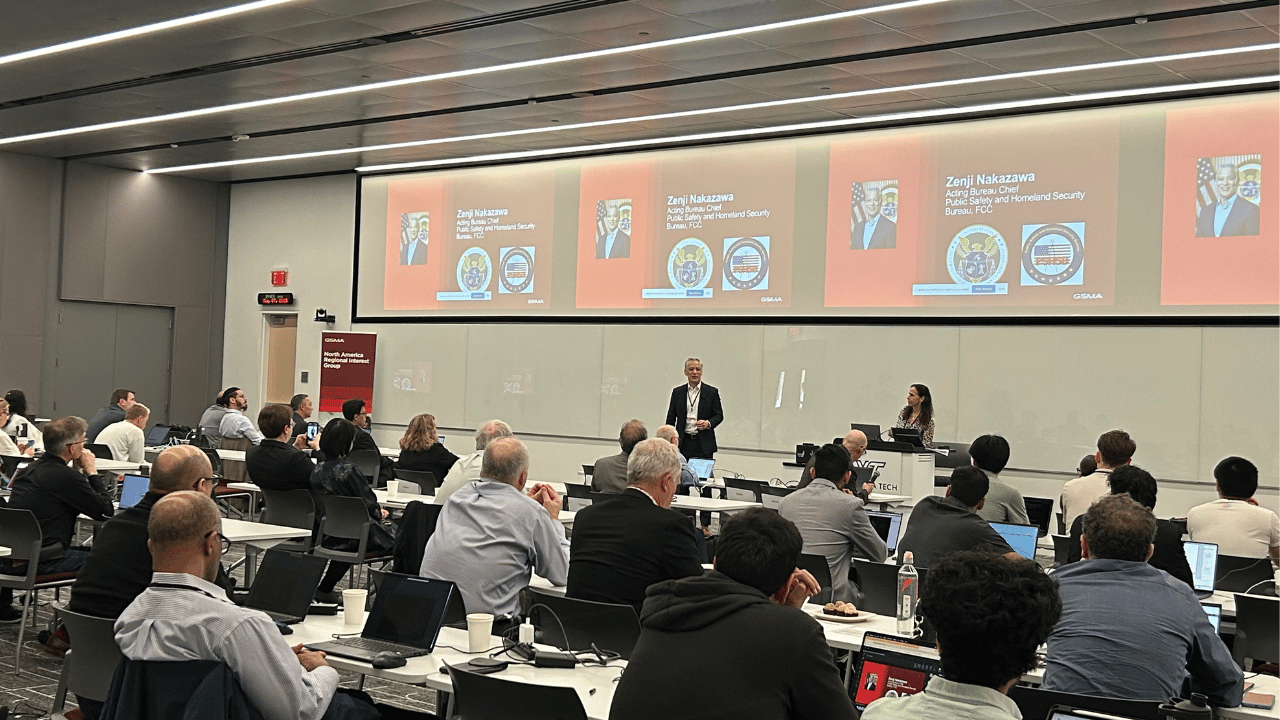
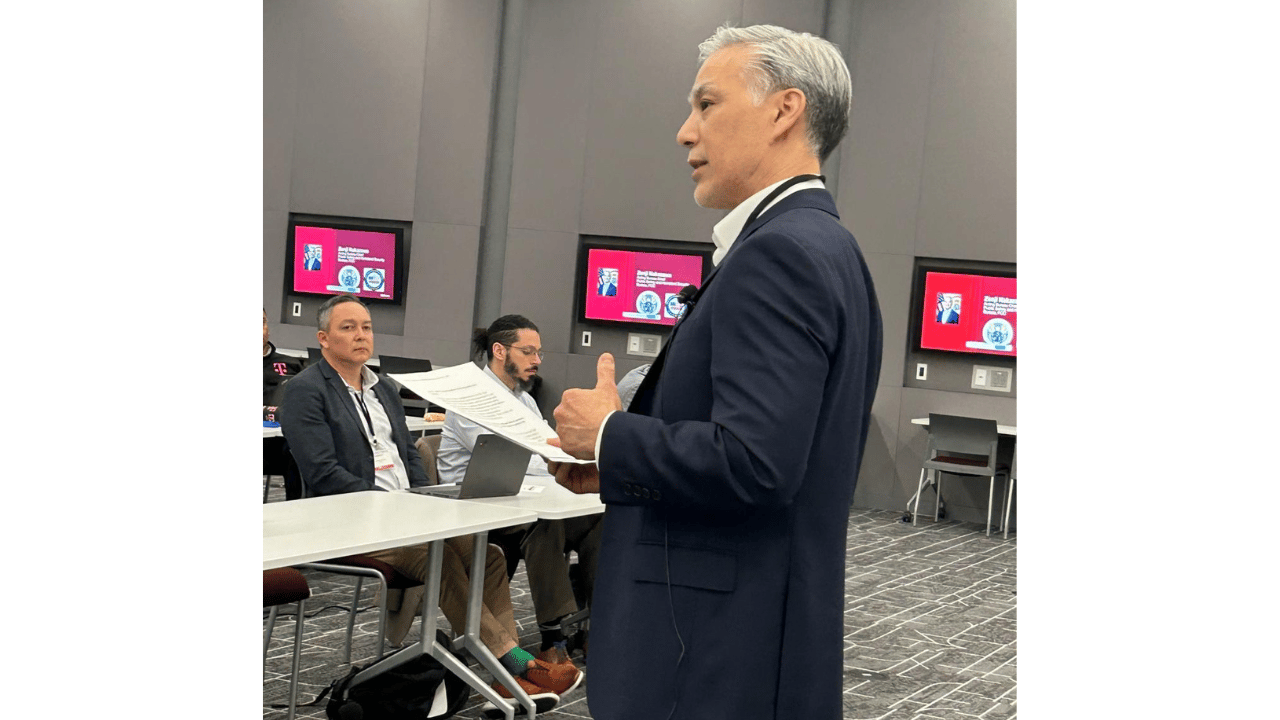
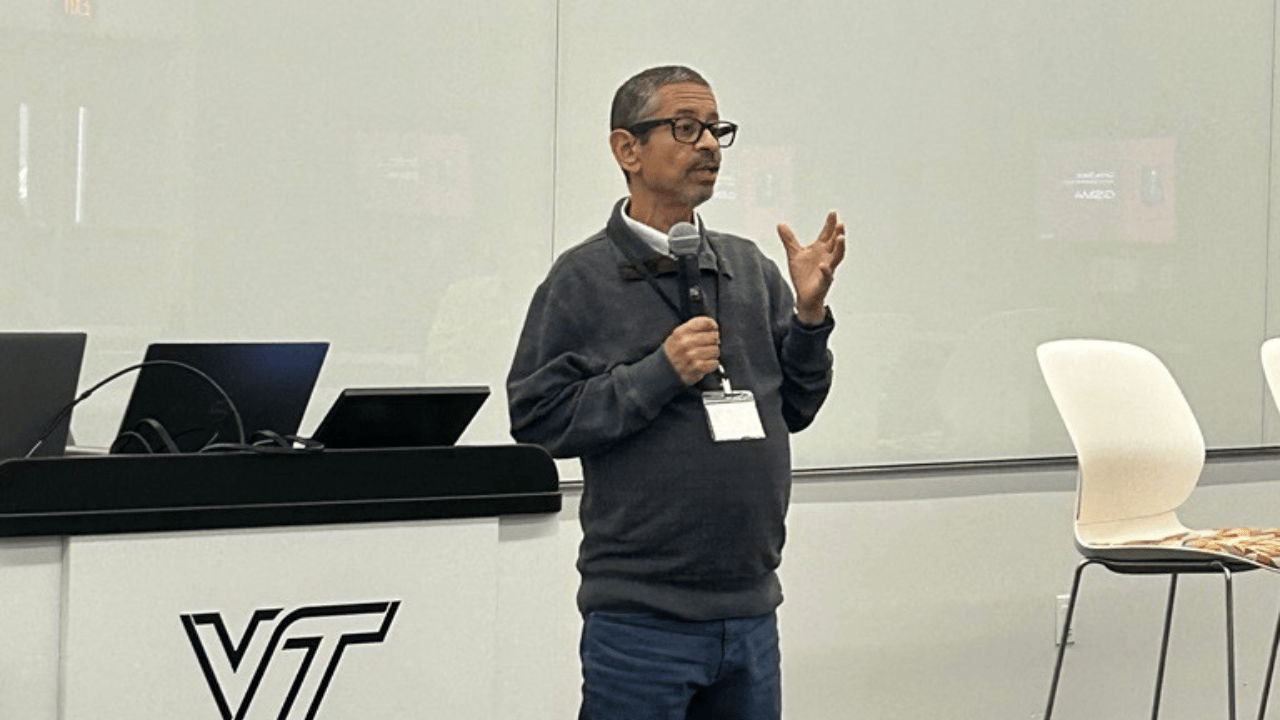
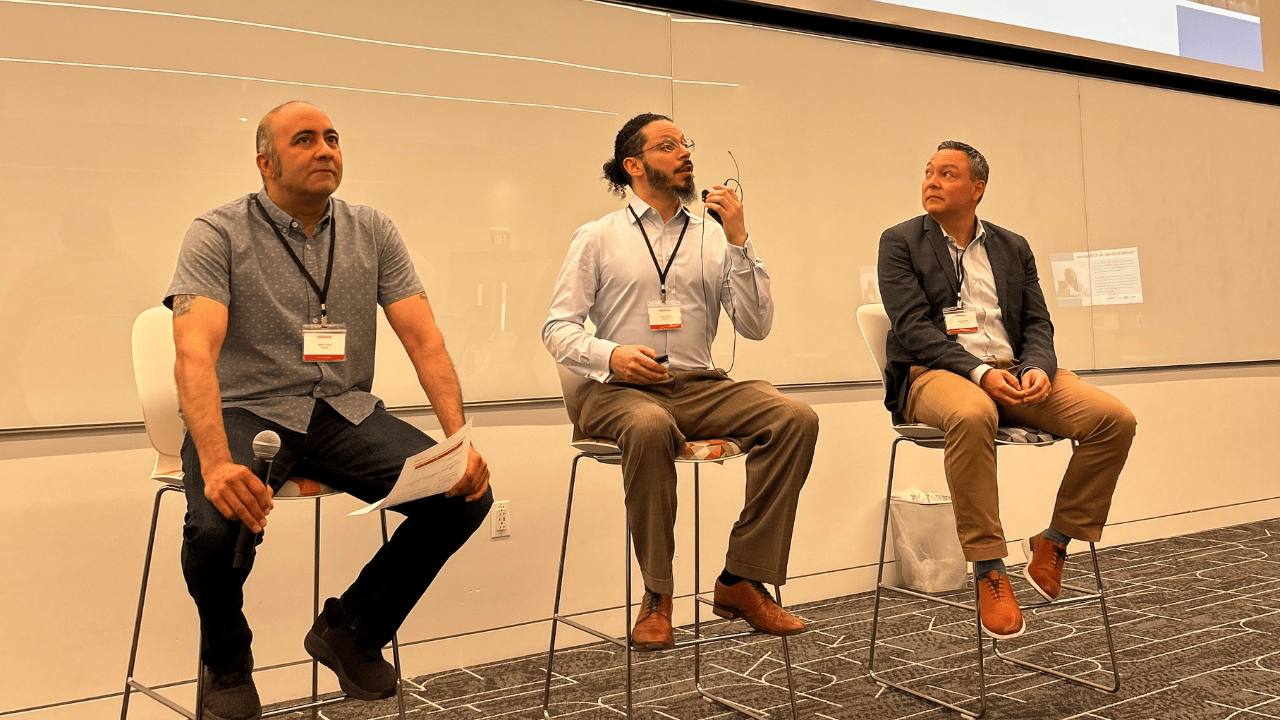
Carlos Bosch, head of GSMA North America, opened the session with brief remarks on the importance of public-private collaboration in navigating regulatory shifts. The conversation was then grounded with keynotes from Virginia Tech and Zenji Nakazawa, Acting Bureau Chief at the Federal Communications Commission (FCC), who shared how the FCC is working with federal partners to protect communications infrastructure while maintaining public trust in emergency systems.
Following the keynote Angela Simpson (CCA), offered a comprehensive overview of the current regulatory landscape. They acknowledged both the urgency and uncertainty that many operators face—particularly smaller carriers who must contend with resource constraints while managing the cumulative burden of new requirements.
NG911 implementation was discussed in detail by Eric Hagerson (T-Mobile), who clarified distinctions between Phase 1 and Phase 2 requirements. Hagerson explained timeframes for compliance vary depending on the size and classification of the originating service provider, and in some cases, alternative arrangements are allowed if agreed upon with local 911 authorities.
Peter Musgrove and Brian Daly of AT&T led a focused discussion on Wireless Emergency Alerts (WEA). Enhancements to the system include the introduction of silent alerts—designed to avoid alert fatigue and protect users in sensitive situations, such as active shooter events. These improvements also include efforts to improve location accuracy for emergency responders, a critical step in reducing response times and saving lives.
The next segment explored the evolving role of the 988 Suicide and Crisis Lifeline. Gordon Rubin (Vibrant), Jeff Torres (Verizon), and Christiaan Segura (CTIA) emphasized the importance of geo-routing capabilities that allow calls to be directed to the nearest local crisis center based on zip code, ensuring individuals in crisis are connected to local support. They also highlighted the shared responsibility of carriers and government partners in achieving a resilient and accessible mental health response system.
Martin C. Dolly (AT&T) provided a comprehensive look at the tools and strategies being used to fight robocalls and robotexts. From the Robocall Mitigation Database to the continued rollout of STIR/SHAKEN protocols, the industry is using a layered approach to trace, block, and prevent fraudulent communications. Discussions also touched on telephone number provenance, the need for better reporting of number resource utilization, and the importance of traceability in understanding the source of malicious traffic.
Avonne Bell (CTIA) closed the speaker lineup with a forward-looking session on IoT, drones, and connected vehicle regulations. Topics included the reconsideration of remote ID compliance for drones, challenges around beyond visual line of sight operations, and spectrum allocation issues that affect the deployment of connected vehicle technologies.
Throughout the afternoon, speakers acknowledged the broader themes of network security and data privacy. Participants discussed the need for better tools and coordination to define and secure network boundaries, especially in light of the increasing volume of data flowing through increasingly complex systems.
Held within the Virginia Tech Innovation Campus, the RIG #96 Workshop offered a timely forum for leaders across sectors to engage in dialogue, ask difficult questions, and share solutions to some of telecom’s most pressing challenges.
The full agenda and speaker details are available here.
This workshop was part of GSMA North America’s ongoing effort to create space for meaningful policy dialogue and industry coordination—and to ensure our networks remain secure, resilient, and responsive as the future of connectivity unfolds.