Principles for Driving the Digital Inclusion of Persons with Disabilities
About
Around 16% of the world’s population (an estimated 1.3 billion people) are persons with disabilities. In recent years, the GSMA has conducted extensive research into the mobile disability gap, as well as the key drivers and barriers to digital inclusion for persons with disabilities. The findings are clear: mobile access and use remain unequal. Persons with disabilities are significantly less likely to own mobile phones, particularly smartphones, and are less likely to use or even be aware of mobile internet than non-disabled people.
At the same time, mobile connectivity has become a primary way for people around the world to access essential information, services and opportunities. As mobile devices bring together a range of assistive technologies in a single tool, they hold enormous potential to support the inclusion of persons with disabilities.
To achieve the Sustainable Development Goals (SDGs) by 2030, it is vital that we close the mobile disability gap and ensure no one is left behind in our increasingly digital world.
The mobile industry must act now
Creating meaningful digital inclusion for persons with disabilities requires a global, coordinated effort. This transformation must extend across the entire mobile ecosystem, from how products and services are designed, to how innovation is driven with and for persons with disabilities.
To support this shift, the GSMA, in collaboration with mobile operators and experts in disability and accessibility, developed the Principles for Driving the Digital Inclusion of Persons with Disabilities. These Principles offer a clear framework for action for the industry, outlining practical steps mobile operators can take to reduce the gap in mobile access and use.
Three core principles
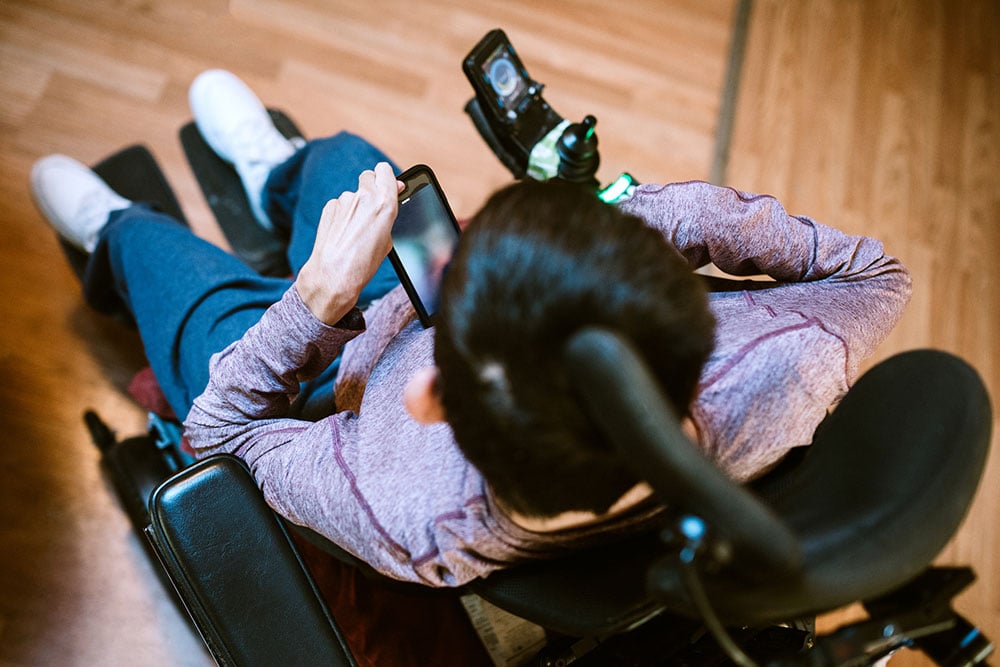
Embrace disability inclusion at every level of the organisation
To drive digital inclusion and reach persons with disabilities with mobile-enabled products and services, it is critical to focus on disability at an organisational level, to ensure disability inclusion is embedded across the organisation, supported by relevant policies and strategies, and spearheaded by senior leadership.

Understand how to reach and better serve persons with disabilities
Actions to drive digital inclusion for persons with disabilities must be informed by an understanding of the local issues and local contexts, and ensuring persons with disabilities’ voices are heard: “nothing about us, without us”.

Deliver inclusive products and services that meet the varied needs of persons with disabilities
Action is required to address the barriers and requirements of persons with disabilities, drive innovation, place persons with disabilities at the heart of the design process and realise the social and commercial opportunity of reaching this underserved segment of the population.
Take action
By endorsing the Principles and committing to meaningful, inclusive action, mobile operators and digital stakeholders demonstrate leadership on disability inclusion. In doing so, they help build a more inclusive digital society and amplify the voices of persons with disabilities.
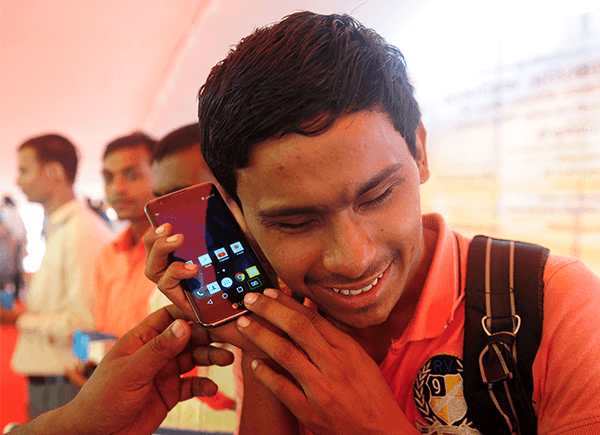
Signatories
2025 and beyond
So far 15 mobile operators across Africa and Asia have made or renewed their commitment beyond 2025 to take action to improve the digital inclusion of persons with disabilities. Click on each logo below to learn about the work of our Signatories:
2020 – 2024
The following mobile operators have previously made commitments to take action to improve the digital inclusion of persons with disabilities:
Endorsements
The following organisations have endorsed this GSMA initiative and support the industry in striving to improve the digital inclusion of persons with disabilities.





Related resources
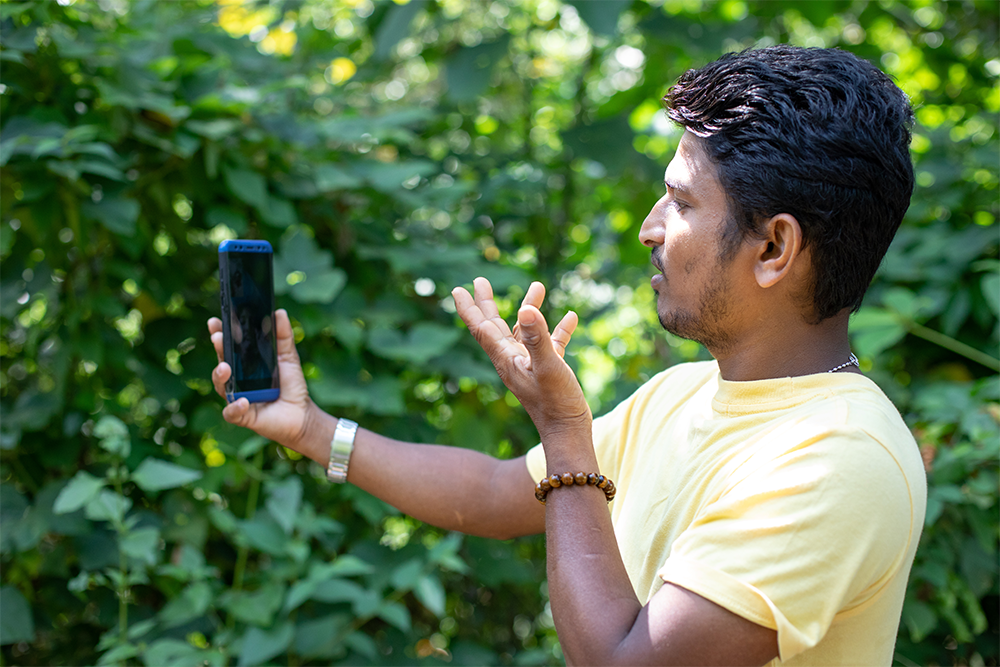
Disability Inclusion as a Business Imperative
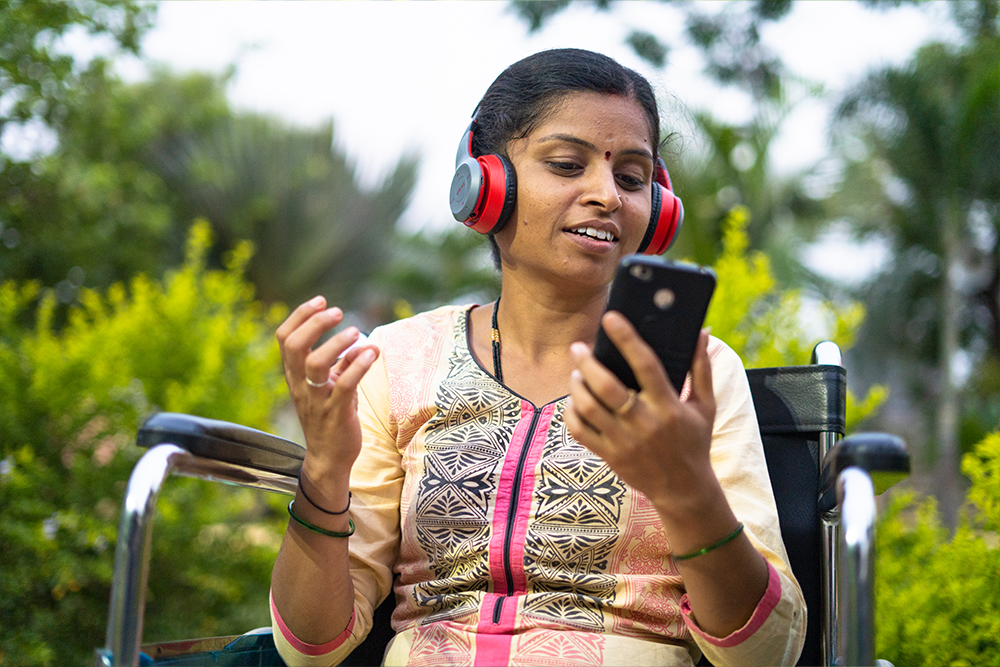
The Mobile Disability Gap Report 2025

A Deaf Student’s Path to Digital Inclusion: Efti’s Story

The Mobile Disability Gap 2020
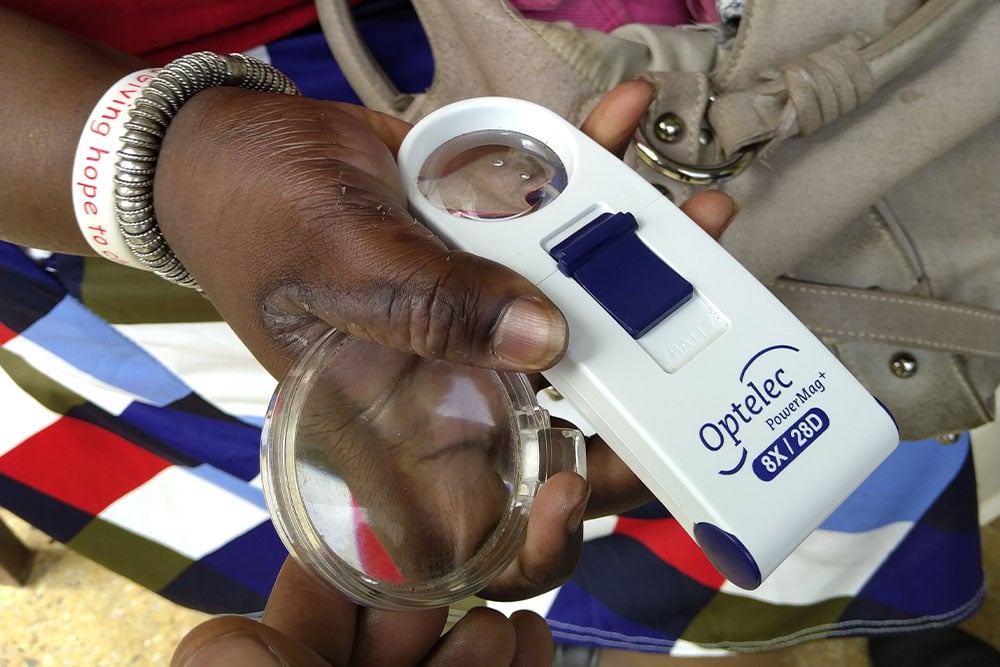
Opportunities for digital assistive technology innovations in Africa and Asia
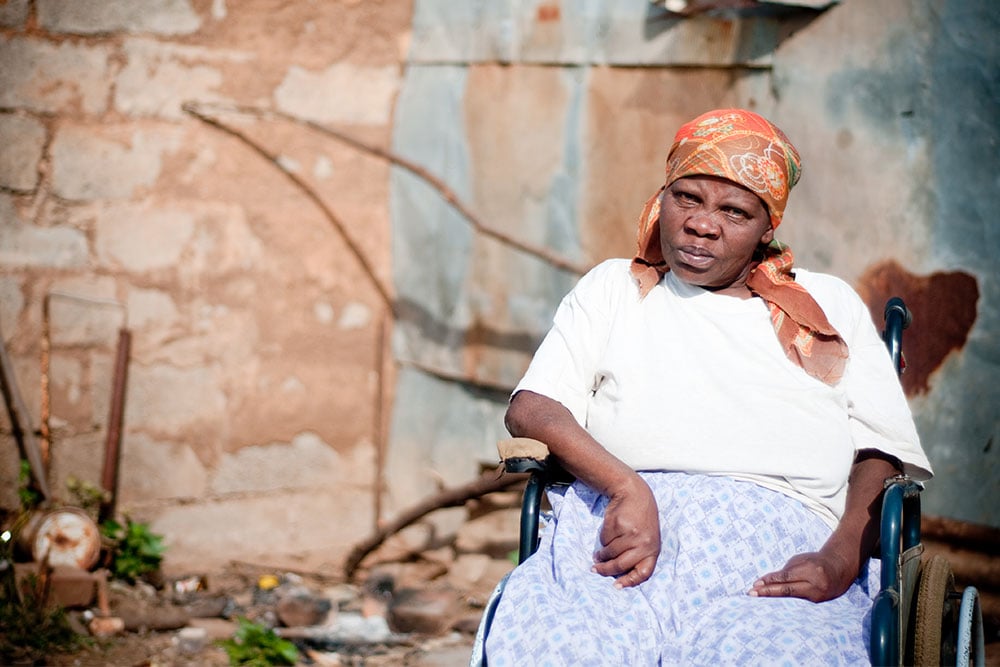
The Digital Exclusion of Women with Disabilities: A Study of Seven Low- and Middle-Income Countries