Mobile network infrastructure and other critical infrastructures must become more climate resilient to continue operating and supporting our societies in a changing climate.
The mobile industry and all other sectors must reduce emissions rapidly to net zero by 2050 to avoid the worst impacts of climate change. But as all countries are experiencing, the impacts of climate change are already here, and getting worse. This means that we must reduce emissions while also preparing and adapting to a changing climate. Mobile network infrastructure and other critical infrastructures must become more climate resilient to continue operating and supporting our societies.
Many operators have already undertaken short- or long-term climate change risk and opportunity analysis. Based on data provided by the operators to the CDP, around 60% of operators by connections and revenue have started or are planning their climate change risk and opportunity analysis
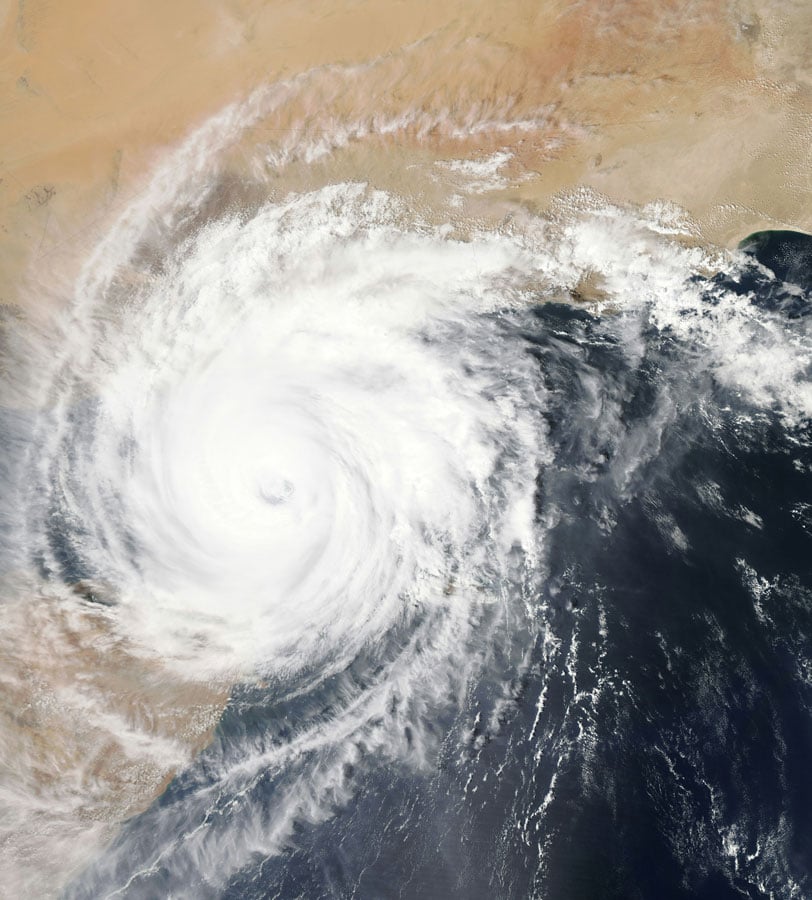
Mobile and digital technologies hold enormous potential to help people and businesses become more climate resilient – helping us better anticipate and prepare for natural disasters, limit damage during disasters, and accelerate response and recovery.
For example, satellite data and geographic information systems (GIS) can aid in hazard mapping as well as assessing damage after disasters have occurred. In the event of a disaster, mobile text alerts can help communicate emergency information to populations quickly and effectively. Virtual and mixed reality can also play an important role in visualising climate impacts and promoting adaptation strategies.
AI and IoT can improve our ability to predict disasters and provide early warnings to populations. In 2022, the United Nations Secretary-General announced an ambition for everyone in the world to be protected by an early warning system by 2027. The GSMA is supporting work across all four of the initiative’s pillars of action and sits on the high-level Advisory Board.


