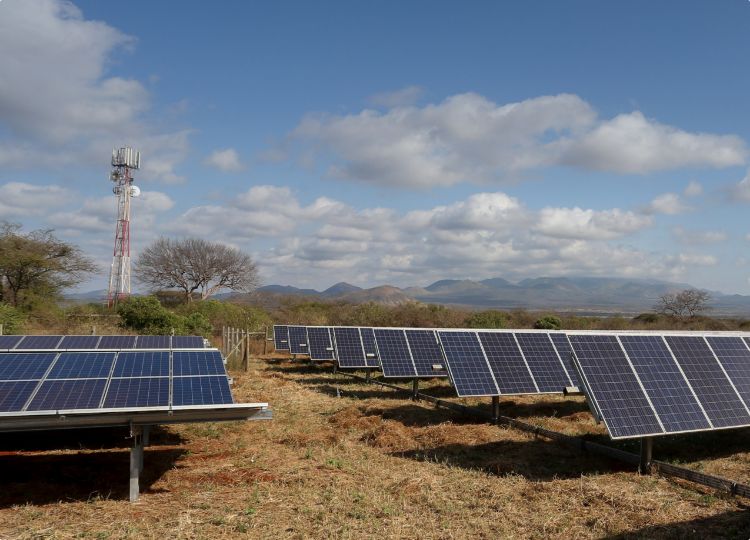
Operational emissions in most regions fell between 2019 and 2022, led by a 50% reduction in Europe. Achieving the industry’s near-term targets requires faster progress on energy efficiency and renewables, especially in Greater China and Asia Pacific.
In Asia Pacific, operational emissions per connection rose by around 6% between 2019 and 2022. The share of purchased renewables remains relatively low at around 10%, due to the lack of options for companies to purchase renewables in many countries in the region.
More ambitious climate and energy policies and changes to electricity markets and regulations to increase investment in clean energy can help operators access renewables and reduce emissions. Given the region’s importance in supply chains, decarbonising electricity can also help to reduce Scope 3 emissions for operators around the world.
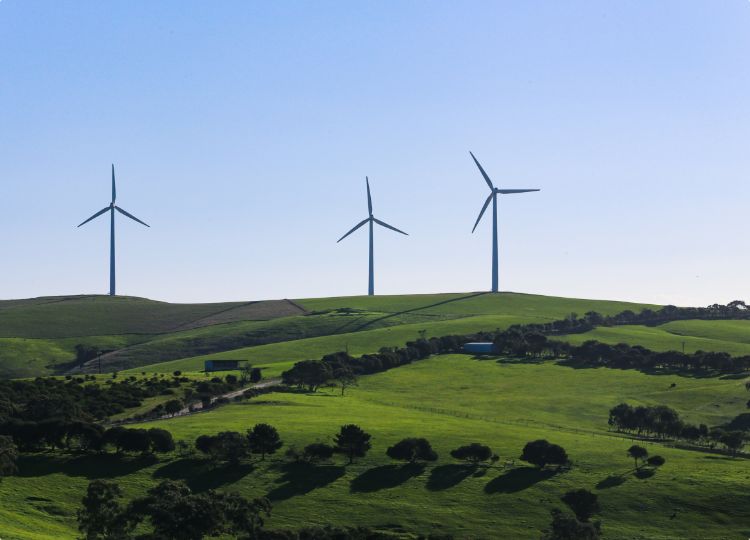
Operators in Europe are leading the way on climate action. Between 2019 and 2022, operational emissions per connection fell by more than half. Operators disclosing to CDP purchased a record 22 TWh of renewable electricity, accounting for 40% of the global total.
Given the strong policy environment for renewables in Europe, operators are encouraged to adopt purchasing approaches that maximise the real-world impact of their renewable energy purchases.
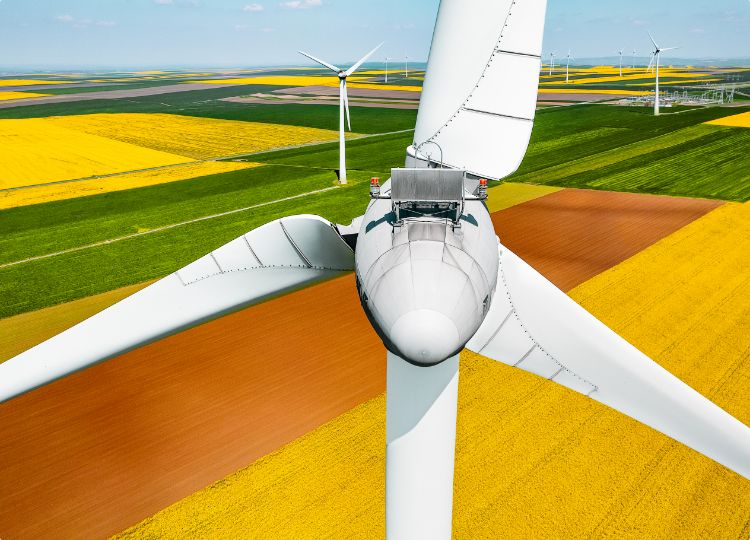
Energy use was up almost 30% between 2019 and 2022. Strong reductions in Scope 1 emissions and renewable energy purchases helped to moderate growth in operational emissions.
More action and progress on energy efficiency and renewable energy are needed to reduce emissions from operators in the region. Given the region’s importance in supply chains, decarbonising electricity can also help to reduce Scope 3 emissions for operators around the world.
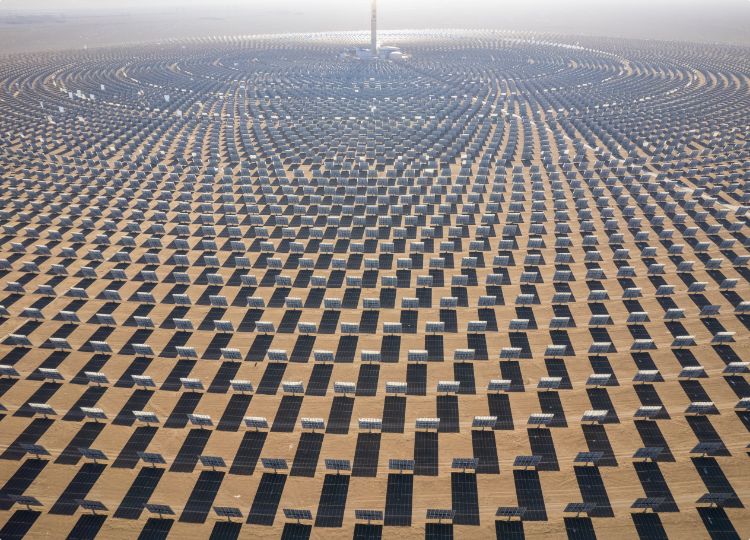
Operators in Latin America have made major strides in reducing emissions over the past few years, reducing operational emissions per connection by nearly 30%. With the relatively high share of renewables on the grid, operational emissions per connection in Latin America are among the lowest in the world.
Further policy support is needed to increase access to renewable energy across all countries in the region.
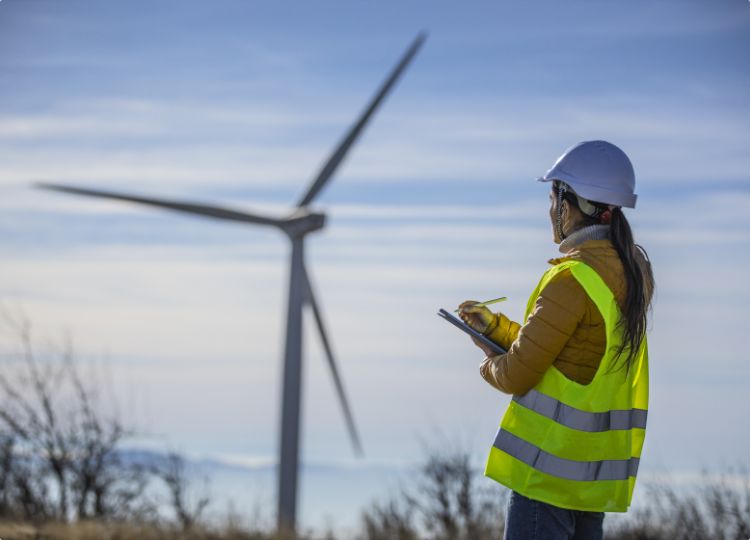
This report provides an in-depth look at the industry’s progress on climate action in the Latin America region.
View hereIn MENA, operational emissions and electricity use fell between 2019 and 2022. Renewable energy purchases increased strongly, rising from less than 1% of electricity use to 18% for operators disclosing to CDP.
Scope 1 emissions account for a relatively high share (22%) of operational emissions compared with most other regions, partly as a result of a reliance on on-site diesel generators. With excellent solar resources across the region, operators are encouraged to install on-site solar and batteries to reduce Scope 1 emissions.
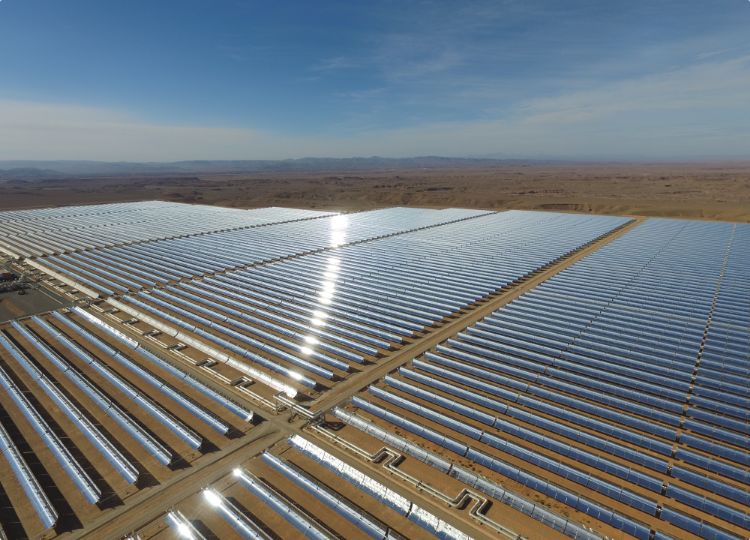
North American operators are leaders on climate action, with operational emissions per connection falling by over 35% between 2019 and 2022. Operators purchased nearly 15 TWh of renewable electricity in 2022, or around 40% of their total electricity use.
Vehicle fleets account for a higher share of operational emissions compared with other regions, highlighting the potential emission and fuel savings of electrification. Government policies and incentives for fleet electrification can help operators accelerate this transition.
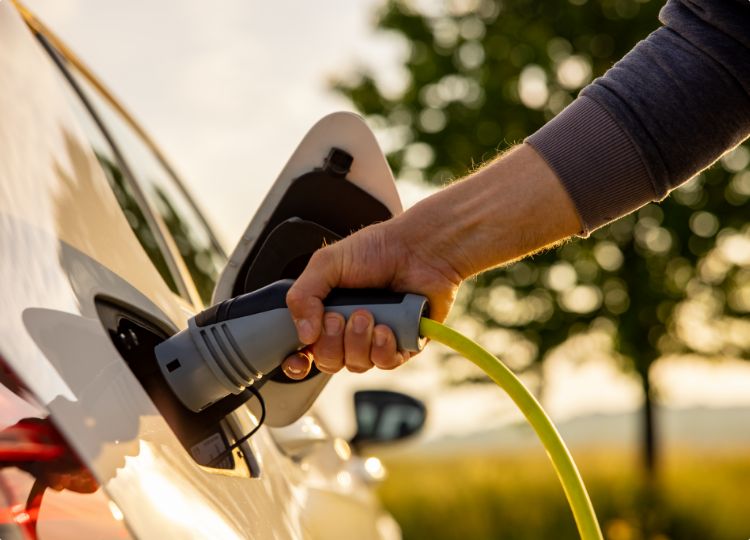
Operators in Sub-Saharan Africa have made strong strides in climate disclosure, target-setting, and emission reductions over the past few years. Operational emissions and energy use per connection both fell by nearly 30% between 2019 and 2022.
One of the biggest challenges in the region is access to clean and reliable electricity, resulting in a heavy reliance on costly and emissions-intensive diesel generators. Policymakers in the region should implement policies and regulations that encourage private sector investment in renewable energy and grid infrastructure.