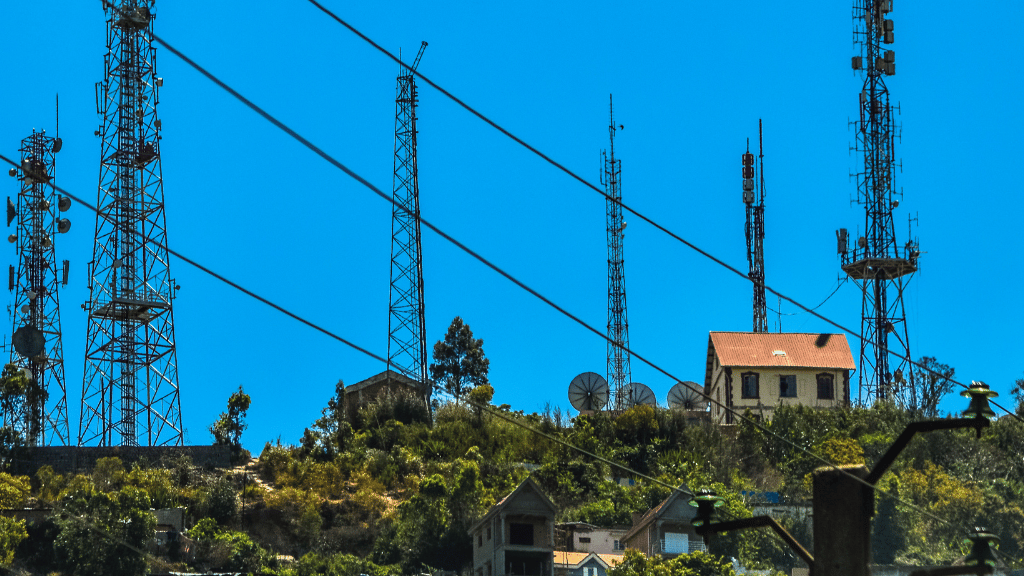
Madagascar is one of the world’s most exposed countries to climate extremes, making timely, actionable and accessible early warning communications critical to saving lives and reducing economic loses. Mobile-based SMS alerts are a key part of Madagascar’s multi-hazard early warning system (EWS), alongside radio, community relay mechanisms, and institutional communication channels. While cell broadcast (CB) is a highly effective technology for early warning alerting, adopted for an increasing number of national systems, SMS remains an important operational solution, including for countries like Madagascar who are in the process of transitioning toward a CB based system.
New research from GSMA’s Mobile for Humanitarian programme (M4H) assesses the performance of SMS alerts in Madagascar, to support the strengthening of the country’s EWS and inform similar approaches in other contexts. The assessment examines the delivery performance of SMS alerts across mobile network operators (MNOs), as well as the behavioural responses of communities receiving warnings.
The EWS landscape in Madagascar
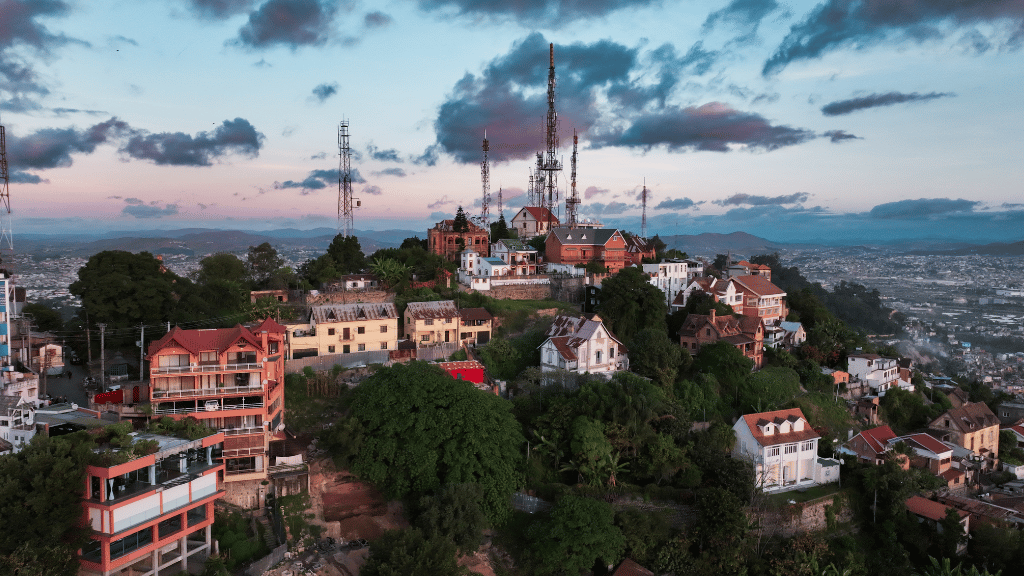
Tropical cyclones affect Madagascar every year, particularly the coastal regions, with three to four major storms typically making landfall each season. In early 2026 alone, cyclones Fytia and Gezani impacted 681,000 people and damaged or destroyed 122,000 homes. Within this context, since 2013 the scale of SMS alerting with Madagascar’s multichannel EWS has grown progressively. Over 11 million SMS alerts were disseminated nationwide during the 2022 cyclone season alone.
Delivering timely and effective SMS alerts to at-risk communities in the Malagasy context depends on close coordination across multiple institutions. The General Directorate of Meteorology (DGM) monitors cyclones and provides forecasts and updates on their expected path, intensity and impacts. Using this information, the National Office for Risk and Disaster Management (BNGRC) decides when to issue public alerts in coordination with government partners. Alerts are then passed through regional, district, commune and fokontany (village) authorities before being shared with communities by local rescue teams (ELS) and Malagasy Red Cross (CRM) volunteers through door-to-door visits and local radio broadcasts.
Madagascar’s SMS alert system performance
To understand how this system performs, the assessment combined a live SMS demonstration test – coordinated with the BNGRC and all three MNOs – with qualitative fieldwork engaging affected communities across three cyclone-prone regions.
Test alerts were sent to real recipients in order to assess SMS delivery rates and observe MNO dissemination practices under current operational arrangements in Madagascar. The results found that while the infrastructure exists for SMS alerts to reach large numbers of people, successful delivery in practice depends on factors such as the extent of network coverage and whether recipients have their phones switched on. These findings suggest that strengthening connectivity remains an important part of enabling mobile-based emergency alerts.
Conversations with community members during the second phase of the research showed that successful delivery is only one element of an effective emergency alert. Whether alerts lead to action by at-risk communities depends on a number of factors. Messages clearly identified as having been sent by BNGRC were generally trusted, but people often verified them through local authorities, radio or neighbours before acting. Participants also preferred plain-language to technical alerts, while factors such as network coverage, phone sharing, literacy and language shaped whether someone received the SMS alert directly and acted on it or relied on others to receive and pass the information before acting. Together, these findings underscore the need for emergency alert systems that prioritise not only technical performance, but also trust, accessibility and clear, actionable communication.
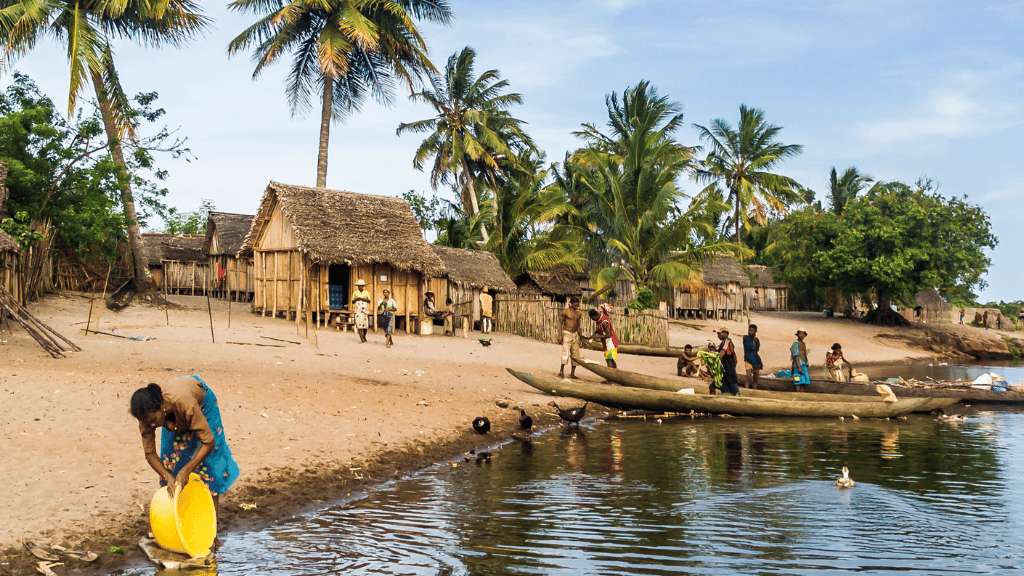
“The SMS alerts help me anticipate bad weather. They allow me to adapt my fishing activities and take action to protect my home and my family. These messages are very important to me.”
SAVA Region (Antalaha), male fisherman, Focus Group Discussion participant
Drawing on these findings, the research presents six recommendations to strengthen SMS-based alerting, among other insights explored in the full report. These recommendations are also relevant for countries working towards or enhancing CB mobile-enabled EWS:
- 1. Design EWS to support multi-channel alert dissemination, treating SMS or other mobile-based alerts as an important element within a wider alert chain, rather than the end point.
- 2. A clearly identified sender strengthens public trust, helping to legitimise messages.
- 3. Message clarity influences preparedness behaviour, with clear hazard identification, timing and potential impact enabling action.
- 4. Operational coordination affects the consistency of alert dissemination, with clear and documented protocols improving reliability and consistency.
- 5. Harmonised reporting is essential to monitor system performance, as variations can undermine efforts to strengthen a national EWS.
- 6. Selective use of mobile alerts is essential to maintaining trust, as over-alerting can cause alert fatigue and reduce responsiveness.
Madagascar’s experience demonstrates that mobile-enabled EWS requires more than successful message delivery. Institutional coordination, trusted communication and clear, accessible alert design all shape whether warnings reach at-risk communities and prompt action.
To learn more, read the full report here.
This initiative is funded by the UK government’s Foreign, Commonwealth & Development Office (FCDO) through its Global Research and Technology Development portfolio and the Swedish International Development Cooperation Agency (Sida) and is supported by the GSMA and its members.