
Early warning systems (EWS) are central to disaster risk reduction, enabling timely, actionable alerts that can save lives and reduce economic losses. As climate change intensifies, both in the frequency and severity of disasters, deploying and strengthening these systems has become increasingly important. Low- and middle-income countries (LMICs) often face the greatest risks, yet they have more limited resources for adaption and preparedness and face particular challenges in building effective national early warning systems.

Reaching at-risk communities: the role of mobile networks
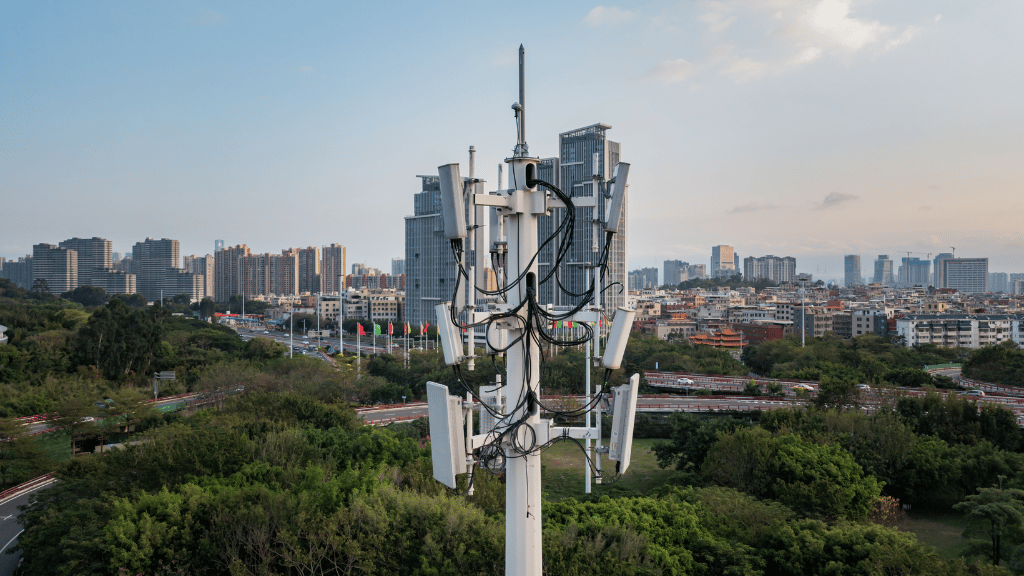
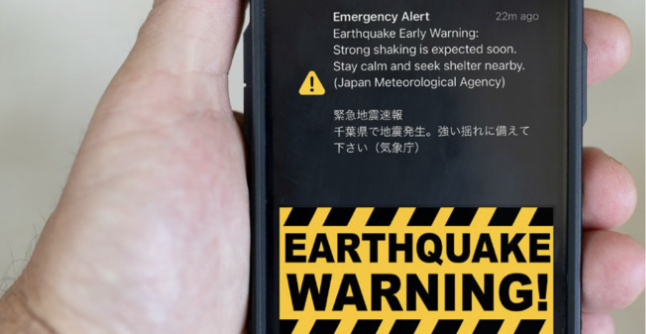
With 96% of the world’s population covered by a mobile network and 5.8 billion unique mobile subscribers globally, mobile technology plays a critical role in delivering timely and actionable emergency alerts to at-risk communities. Mature country systems such as in Chile, France, Japan and India demonstrate what context-specific, multi-channel mobile-enabled EWS can achieve: near universal population coverage, accurate alerting and high levels of public trust. However, translating these models to LMICs is far from straightforward. Differences in institutional capacity, financial resources, connectivity and regulatory environments can shape what implementation looks like on the ground.
A new report from the Mobile for Humanitarian Innovation programme (M4H) explores how lessons from countries with established EWS can strengthen efforts to build national EWS in LMICs. By synthesising evidence from country case studies with M4H’s on-the-ground experience in emerging EWS environments, this research identifies 11 lessons for stakeholders designing, implementing and scaling effective EWS. Rather than proposing a single approach, it highlights the conditions that underpin effective EWS implementation, while recognising that the pathway to achieving this will differ depending on the country context.
11 lessons for implementation
- 1. Multi-channel EWS are essential for reaching everyone. Multi-channel EWS helps to maximise reach by ensuring that people receive emergency alerts through the communication channel that are most accessible to them.
- 2. Partnership-based stakeholder engagement and clear coordination mechanisms strengthen EWS. Clearly defined institutional roles and responsibilities, supported by partnership-focused coordination mechanisms across technical, operational and regulatory domains, can strengthen implementation and support long-term sustainability.
- 3. Robust legal and regulatory frameworks are foundational enablers for MNO engagement. Regulatory stability ensures that there is clarity about what is required of MNOs and other EWS stakeholders, giving organisations the confidence to engage and commit to long-term participation in a national EWS.
- 4. Leadership and institutional ownership drive implementation. Political will is essential, but it should evolve into sustained institutional commitment to ensure that a national EWS remains funded, prioritised and operationally effective over time.
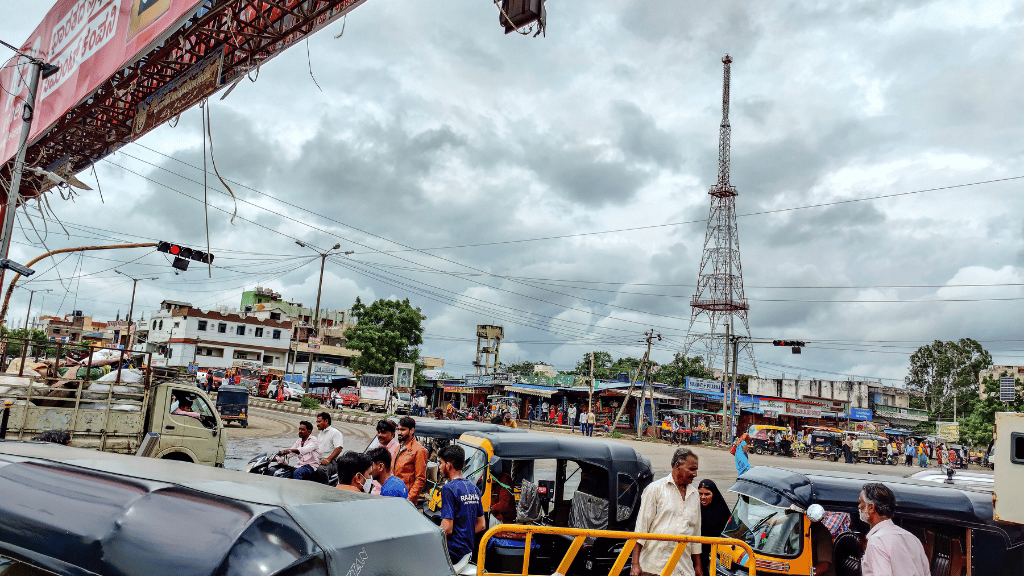
- 5. Infrastructure and device compatibility constraints require pragmatic design choices. EWS design should reflect the real device and network constraints within a country. Technology choices should be matched to the actual device ecosystem with complementary channels built in from the outset.
- 6. Public engagement and evaluation measures are fundamental to fostering trust in alerting. Public trust is a long-term asset that requires deliberate and sustained investment to embed system trust into public culture so that alerts are understood and acted upon.
- 7. Implementing the Common Alerting Protocol (CAP) standard enables message continuity, interoperability and multi-channel reach. CAP allows a single alert to cascade simultaneously across multiple channels, ensuring that messages remain consistent while reducing integration complexity as systems expand across channels.
- 8. Early integration of accessibility features increases inclusion. Where possible inclusive features, such as multilingual messages, should be integrated into the system early, with a clear pathway towards expanding accessibility over time.
- 9. Sustainable financing models support long-term implementation. Funding can be a persistent barrier to full EWS implementation. Clear, context-specific divisions of financial responsibility between EWS stakeholders, agreed before implementation, and supported by mechanisms beyond one-off grants, can help to address this.
- 10. Capacity building and systematic testing support system strengthening. Distributed human capacity, clear standard operating procedures and defined roles are essential for maintaining system functionality across varying circumstances. Regular and systematic testing can surface and resolve operational issues before they become system failures.
- 11. Data governance issues are emerging, and increasingly important, design considerations that should be considered from the outset where possible. Systems may need to balance national sovereignty with individual privacy considerations to reduce potential implementation barriers.
The study also highlights that many of the barriers facing LMICs are not unique to those evolving EWS. Countries with established EWS also experience coverage gaps in remote areas, necessitate ongoing efforts to sustain public trust and have emerging questions around data privacy and governance, illustrating that EWS require continuous strengthening regardless of its maturity.
Conclusion
Implementing a national EWS is not purely a technical undertaking, it requires multi-stakeholder coordination, institutional, regulatory and financial foundations to support deployment and sustain systems over time.
The countries examined in this report vary widely in resources, connectivity and institutional capacity, so no single model can be directly replicated. However, principles for EWS stakeholders and partners working to expand the reach and effectiveness of mobile-enabled EWS include clear governance, sustainable financing, meaningful MNO engagement and a focus on public trust and inclusion.
By grounding implementation in these principles while adapting to national contexts, countries can work to build mobile-enabled EWS that are resilient, inclusive and capable of protecting lives.
The lessons explored in this blog form part of a broader body of research examining how governments, mobile operators and partners can strengthen national early warning systems in LMICs. These findings are brought together in our latest report, Designing Mobile-Enabled Early Warning Systems for LMICs: Lessons from Global Experience.
To learn more, read the full report here.
This initiative is funded by the UK government’s Foreign, Commonwealth & Development Office (FCDO) through its Global Research and Technology Development portfolio and the Swedish International Development Cooperation Agency (Sida) and is supported by the GSMA and its members.