


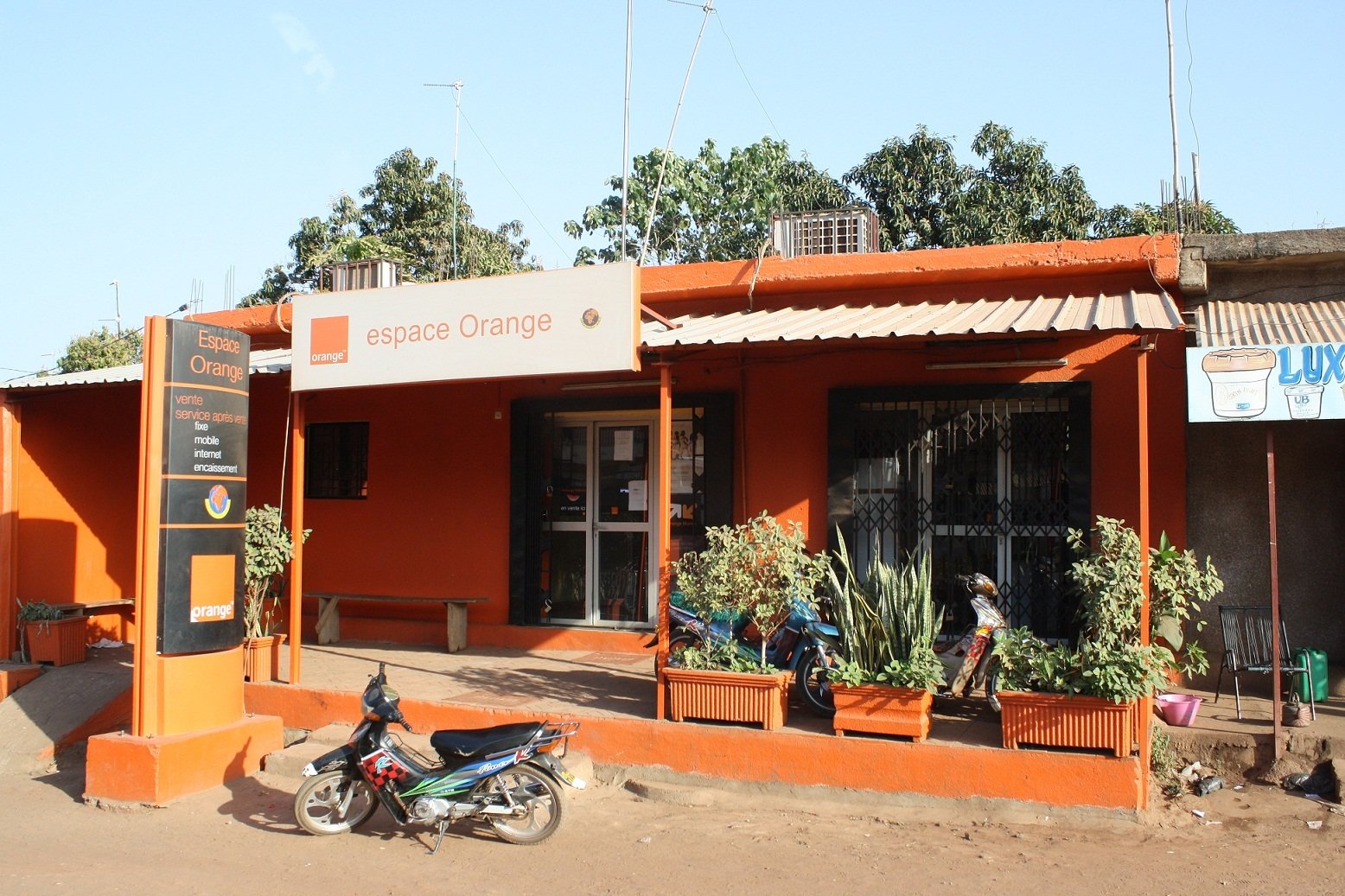
 First launched in Côte d’Ivoire in December 2008, Orange Money is also available in Senegal, Madagascar, Mali, Niger and Kenya, as well as in Botswana and Cameroon. It will soon be launched in Mauritius. Today, we publish the second and final part of our interview with Frederic Blehaut, Group Business Manager at Orange Money in which he discusses the importance of partnerships and the complexities and opportunities of the WAEMU region.
MMU: Establishing partnerships is key to the successful deployment of MFS. Across various markets Orange has adopted different strategies when it comes to bank-partners. In your opinion what are the lessons that have emerged from these partnerships and what can regulators learn from these?
FB: There are currently two types of partnerships. The one we currently have with Equity Bank in Kenya and all the rest. Our group vision is to partner with banks as a way to adhere to compliance regulation and for e-money issuance. Like in any business, time has taught us that partnerships are not stagnant entities but that they can and should evolve. This can happen in a variety of ways, like making the bank partnership (or with several banks) evolve towards more business activities, like their participation in distribution and liquidity management, and partnerships for the creation of second generation mobile financial products such as insurance, savings and credit.
MMU: What opportunity does Orange see in regional remittances corridors as drivers for adoption given the West African Economic and Monetary Union’s (WAEMU) integration?
FB: Regional and international money transfers are an attractive opportunity. It is tempting to use these regional flows as drivers to mobile money adoption in countries such as Mali and Senegal. However, there are still regulatory issues which need to be addressed before this becomes a reality, such as the kind of KYC required for the receiver. For Orange, there are many services which can be provided over the mobile platform but at the moment we need to prioritize the ones our target market demands and needs. Once we have a very large active base, we‘ll move towards regional remittances and other services. We are taking a gradual approach to building the payments ecosystem.
MMU: The mobile market in Africa and MENA is very different compared to other regions. Customers are generally younger and often less well off. As the industry moves towards more sophisticated products focused on financial inclusion, experts agree than the cost of p2p transfers for micropayments is still too high. (e.g. microloan repayments, m-insurance premiums, etc.). How does Orange plan to tackle this issue?
FB: I think we needed to start, first by considering what customers and potential customers were paying to perform some of these operations by looking at current alternatives for money transfer and the pain points involved in terms of time spent travelling to the service points.
As the industry evolves, we are starting to see that the business model for this second generation of products is different and we are working on it.
MMU: Can you tell us about the reasons behind the success of Madagascar?
FB: The success of Madagascar rests upon a clear and simple strategy. It starts with good communications with our customers. There is a great team on the ground helping guide customers through their journey from awareness to habitual use. Customers have really understood what the service is about and this has been complimented by a well-oiled distribution network. In addition, customer support has also been a key contributor to the success of this deployment. We have trained Orange staff, which calls back customers in case there are any issues ensuring they are able to take that first yet essential step in the customer journey. Orange Madagascar has also been creative and pragmatic and launched a remuneration (around 5% of deposits) for all Orange Money accounts – which is a “world première”.
But the main key success factor is probably the commitment of the management team and of all people within Orange Madagascar.