Connectivity is critical infrastructure in crises
Humanitarian crises can escalate quickly, calling for fast and life-saving responses. Connectivity is essential when physical infrastructure is damaged or disrupted by disasters. Reliable access during a crisis enables communication and information critical for coordination between the affected communities and the emergency response teams, supporting the delivery of food, water, shelter, healthcare, or humanitarian case assistance.
This is the core of the GSMA’s Humanitarian Connectivity Charter (HCC) principles, which include enhancing coordination and strengthening partnerships between the mobile industry, governments and the humanitarian sector for collective life-saving response to disasters.
Since its launch in 2015, the HCC has strengthened collaboration and strategic partnerships between mobile network operators (MNOs), governments, and humanitarian agencies to ensure that connectivity remains available before, during and after crises. The recent floods in Mozambique provide a compelling demonstration on why these strategic partnerships matter.
Restoring connections during Mozambique’s floods
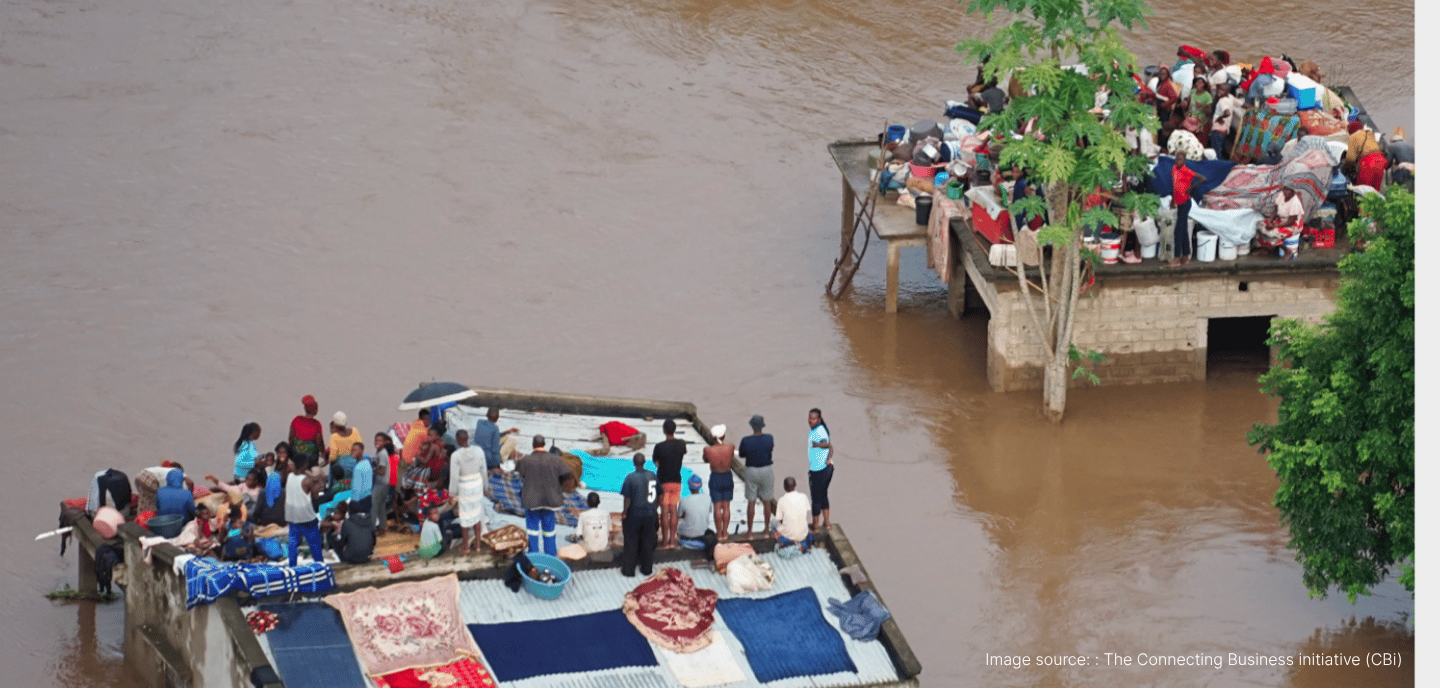
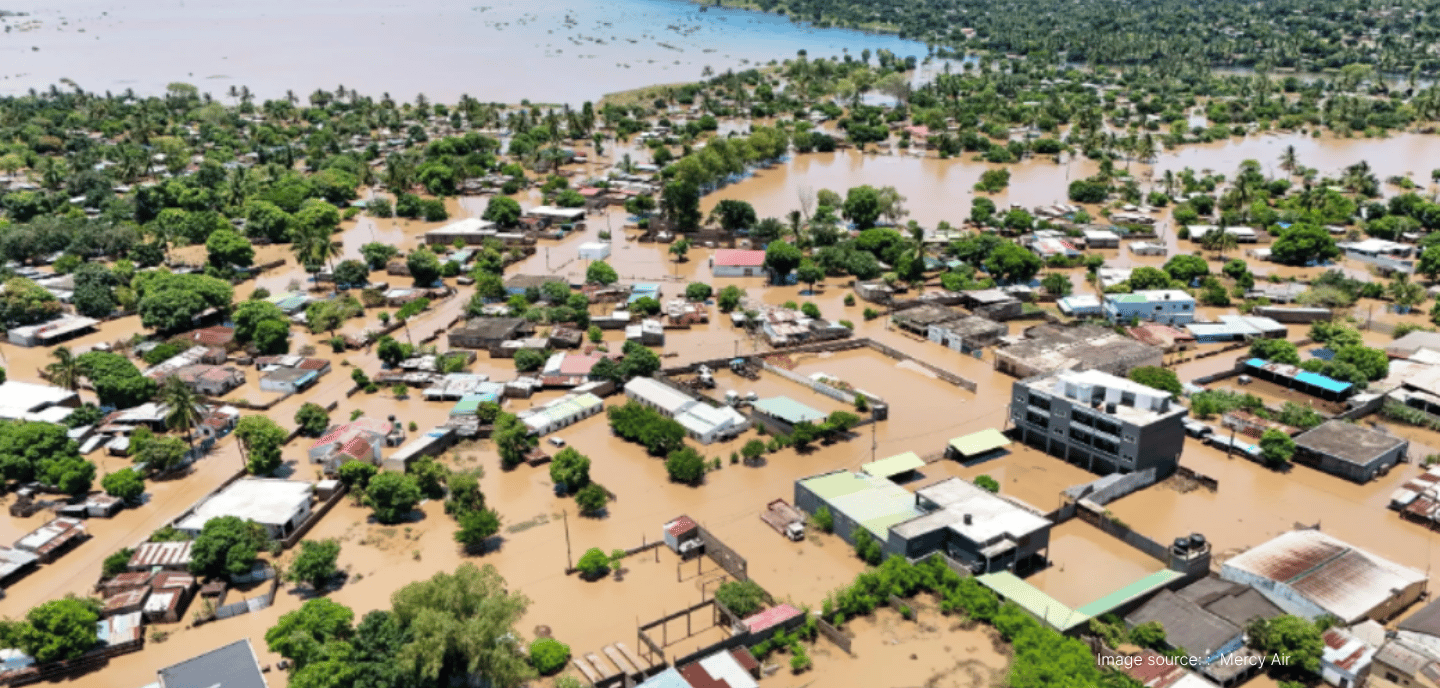
Between December 2025 and January 2026, severe rains and flooding affected more than 600,000 people across Mozambique, damaging infrastructure, disrupting communication networks and displacing communities., In response, the GSMA leveraged its relationships with mobile operators and humanitarian agencies to facilitate rapid collaboration and support the restoration of connectivity in affected areas. Working alongside partners including the Vodacom Moçambique Foundation, Vodafone Foundation’s Instant Network Emergency Response (INER) team, and the United Nations Disaster Assessment and Coordination (UNDAC) to restore connectivity in affected areas.
Through the rapid deployment of temporary network infrastructure, INER restored essential communication channels which supported search and rescue operations, humanitarian coordination, and contact with affected communities. This response was reinforced through free SOS packages provided by Vodacom that included airtime and mobile data to the affected populations. At the temporary accommodation centres in Manhiça District, UNOCHA and the Connecting Business Initiative (CBI) deployed charging stations and Wi-Fi kits enabling displaced families to reconnect with relatives and access critical information.
These activities reflected the core principles of the Humanitarian Connectivity Charter in ensuring that affected populations and responders could maintain access to communication and information throughout the emergency.
Connectivity underpins humanitarian solutions
The response in Mozambique highlighted that connectivity is far more than just a technical service for network coverage. When connectivity is available, humanitarian organisations can coordinate more effectively, communities can access timely information and families separated by crisis can reconnect.
It also creates the foundation for digital humanitarian services that are becoming increasingly important across emergency responses. These include mobile-enabled cash and voucher assistance programmes, which allow support to reach households more quickly and efficiently, while giving recipients greater flexibility and dignity in determining how best to meet their needs.
Connectivity also enables SMS-based early warning systems that provide communities with critical alerts before floods and other disasters to escalate, helping people prepare and protect livelihoods.
As climate-related emergencies become more frequent and severe, these digital services are becoming an increasingly important component of humanitarian resilience.
Bridging the humanitarian digital divide
By early 2025, Mozambique had approximately 17.7 million mobile connections, alongside nearly 7 million internet users. Mobile money services have also grown significantly, reaching more than 6 million mobile money users. This growing digital adoption presents significant opportunities to strengthen humanitarian response through digital channels such as mobile-enabled cash assistance and digital communication platforms for information sharing and disaster preparedness.
While the digital uptake progress is encouraging, the benefits of digital humanitarian response are not yet reaching all communities equally. Despite mobile penetration exceeding 80%, significant gaps remain in rural and underserved areas. Persistent connectivity challenges, affordability barriers and low levels of digital literacy continue to limit access, especially among women, youth and displaced populations.
These challenges highlight why humanitarian connectivity cannot be viewed solely as an emergency response issue. Building resilience requires sustained investment in inclusive digital ecosystems that ensure vulnerable communities are not left behind.
Looking ahead: from emergency response to resilience
The floods in Mozambique demonstrated that connectivity is no longer an optional component of humanitarian response. It is a critical infrastructure that enables coordination, supports recovery, and strengthens resilience. Whether through restored mobile networks, mobile money transfers or life-saving early warning alerts, digital connectivity is increasingly shaping how communities prepare for, experience and recover from crises. As climate-related emergencies continue to intensify globally, the Humanitarian Connectivity Charter offers a practical model for bringing together the mobile ecosystem, humanitarian actors and governments to deliver meaningful impact. Through continued collaboration and investment, connectivity can become not only a tool for response, but a foundation for more resilient communities across Mozambique and beyond.
This initiative is funded by the UK government’s Foreign, Commonwealth & Development Office (FCDO) through its Global Research and Technology Development portfolio and is supported by the GSMA and its members.