



Following the launch of the State of the Industry Report on Mobile Money 2025, the GSMA Mobile Money programme will publish a series of blogs on innovation for inclusion between June and October 2025. These articles will highlight how innovative thinking and design are improving financial access to a broad range of products and services. This is the first blog in the series.
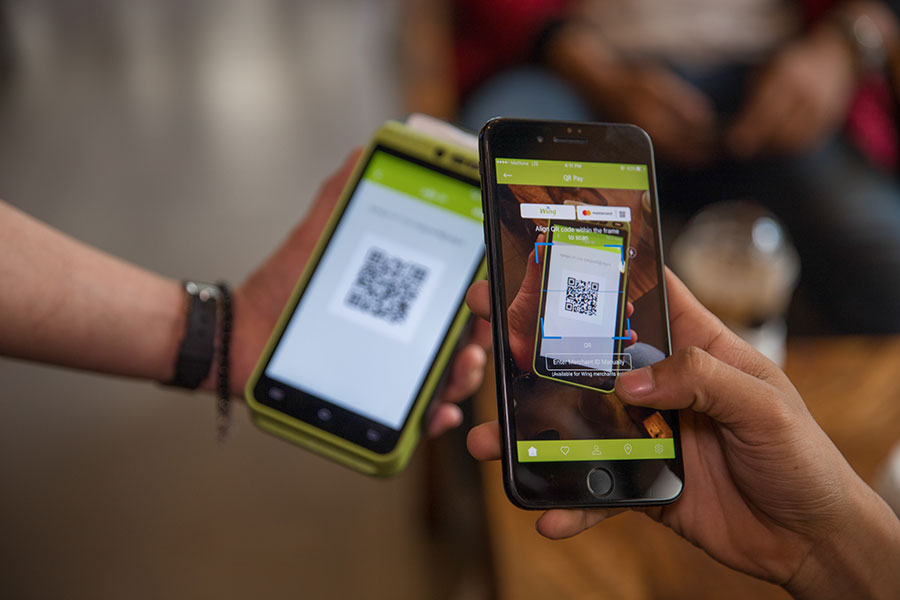
Among countries where mobile money or e-wallets have thrived, Cambodia is a great example of how digital payments can improve access to finance. By 2021, over 33% of the adult population had a financial account – up from around 22% in 2014. Reaching this point was not straightforward: in 1975, Cambodia became the first and only modern nation-state to abolish its currency, banking system (including its central bank), and private property. Barter trade was the primary mode of exchange, but became risky as the Khmer Rouge regime cracked down on the practice. Since then, the progress made in becoming a leader in digital financial services is impressive.
Launched in 2008, Wing Bank, the country’s leading mobile money provider (MMP), is seen as a model fintech that has transitioned to offer fully fledged banking services. With over 10 million registered customers (out of a population of 17 million), Wing Bank is accessible to nearly every adult in the country. Its success is based on having a recognisable and reliable brand, an assisted digital commerce approach with over 12,000 agents nationwide, and use cases designed for a broad range of customer segments.
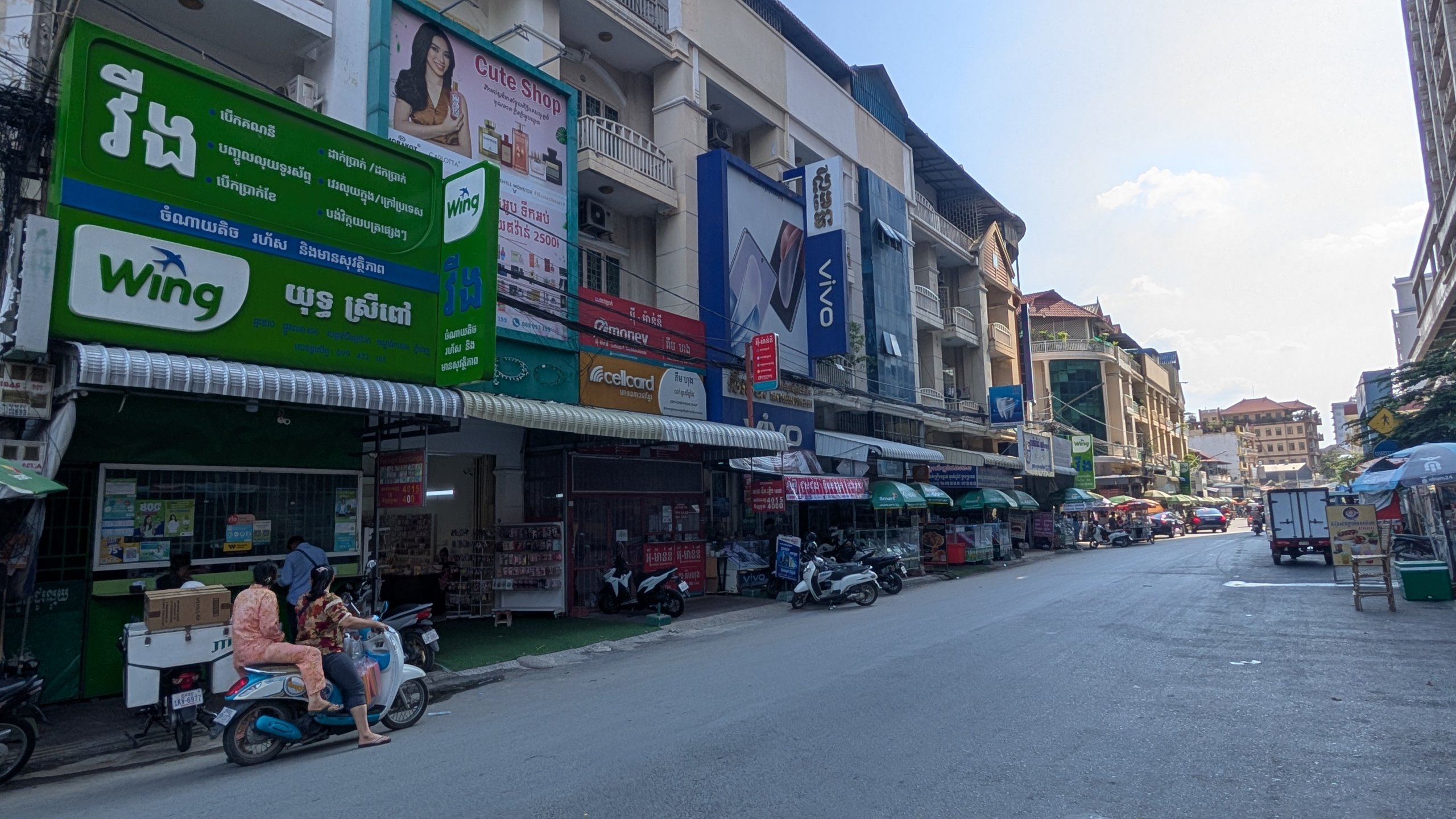
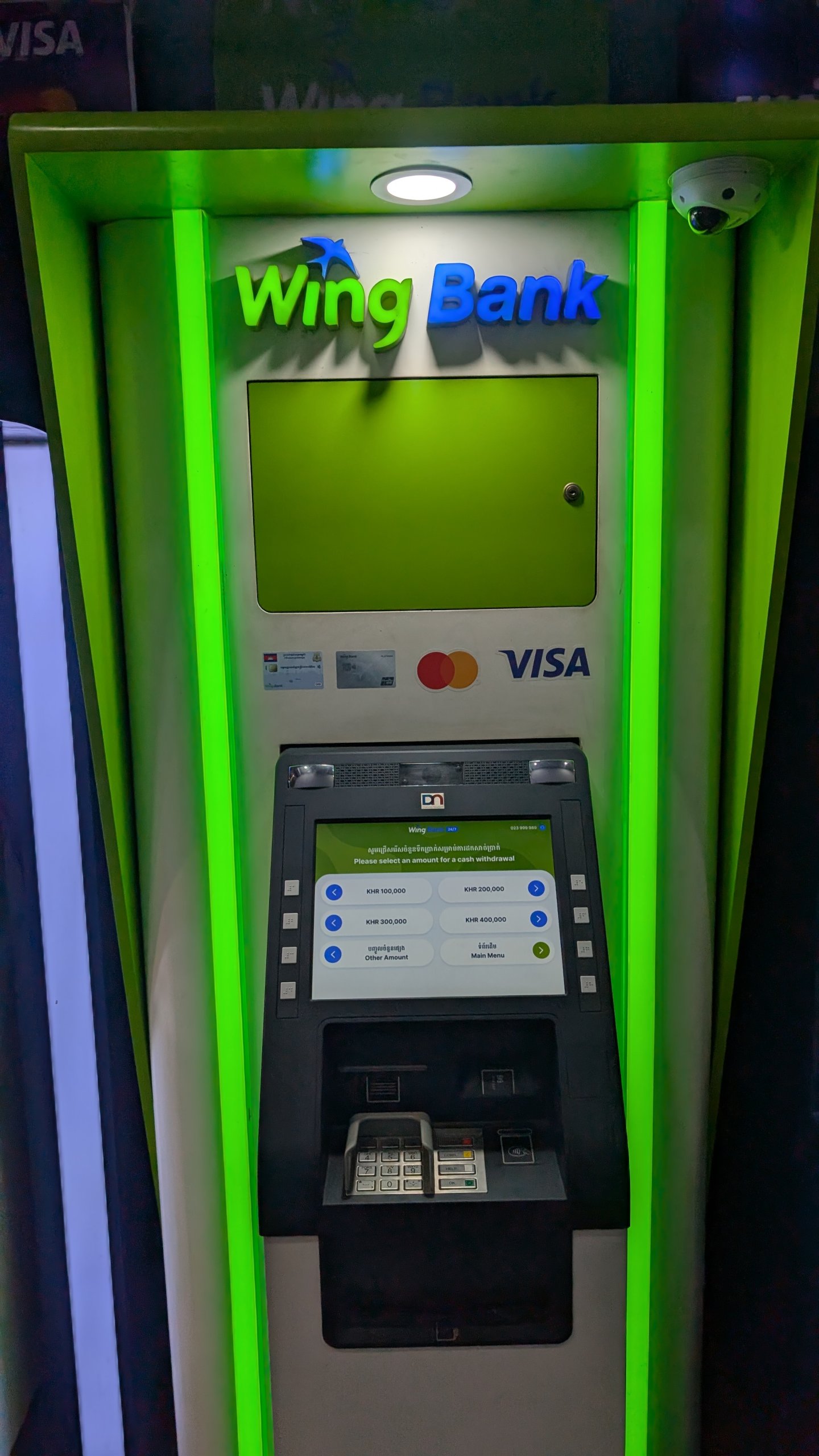
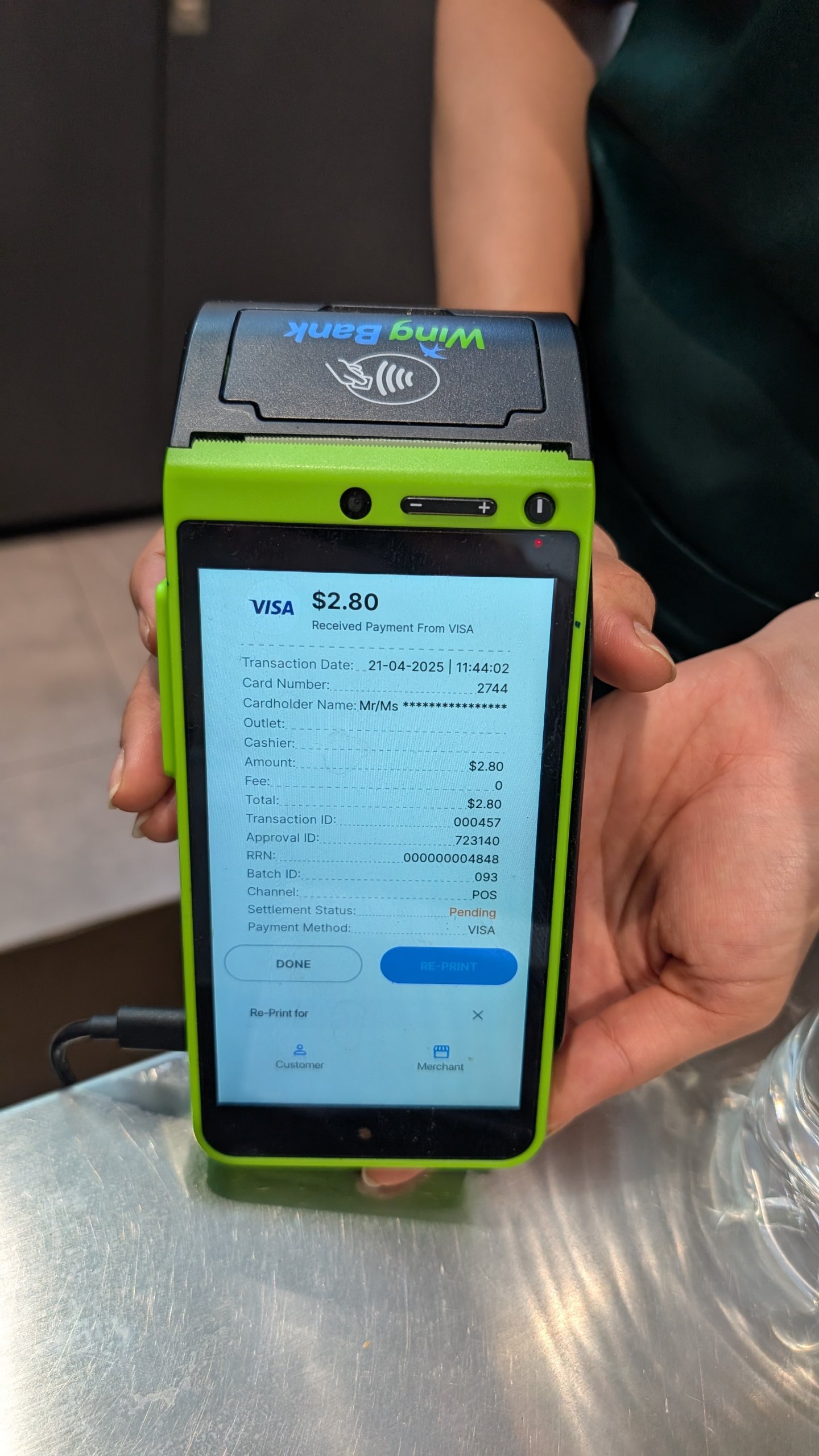
Its presence in Cambodia is as ubiquitous as M-Pesa in Kenya. But Wing Bank is perhaps one step further. At Phnom Penh’s airport, it is possible to withdraw Cambodian riel from a Wing Bank ATM. For customers with an account or tourists enrolled to use the Bakong app, Wing Bank QR codes are found even among micro and small enterprises – alongside the national, unified KHQR code. In addition, Wing Bank is planning to roll out a point-of-sale machine that will accept credit and debit cards, as well as QR-based payments. However, alongside some of these traditional banking approaches, several advanced use cases are emerging.
Why Wing Bank is a mobile money AI pioneer
Wing Bank’s actual strength lies in its ability to adopt and apply technology to improve its service, as it has with machine learning techniques and artificial intelligence (AI). Several MMPs are exploring how AI can improve internal processes and enhance customer outcomes. Examples include transaction monitoring to detect fraud, chatbots for customer service and credit scoring through transaction risk assessment. As these become standard industry practice, some providers are demonstrating innovative ways of applying AI – such as Wing Bank.
Beyond these uses, Wing Bank’s AI application goes further and includes:
- Real-time cybersecurity monitoring,
- Customer profile building,
- Hyper-personalised products offered directly to customers,
- An in-app voice bot linked to a large language model in Khmer, and
- Loan determination.
Hyper-personalised loans and facial recognition may soon be the norm
Among these use cases, Wing Bank’s loan determination outcomes are among its most notable uses of technology. Out of its 10 million registered customers, around two million – or 20% of all customers – are pre-approved for a loan. To achieve this, Wing Bank have developed an internal analytical process. Customer data is blended with rules and predictive analytics, and analysed to instantly pre-approve or process loan applications.
This process relies on a real-time decision engine that uses alternative data, including mobile use data, and incorporates several underwriting scorecards developed over time. The decision engine is linked to the Credit Bureau of Cambodia, as well as multiple in-house databases (some of which include alternative data). Loans can be approved in seconds, allowing customers to borrow money in a hassle-free manner. Using data from multiple sources is part of Wing Bank’s aim to offer loans to a wide customer base, particularly those previously unable to access traditional bank accounts.
AI is also combined with facial recognition to determine if an individual is a Wing Bank customer, as well as their pre-approved loan status. The purpose is to allow merchants to assess which customers who walk into their stores are eligible for buy now, pay later (BNPL) loans or other credit products. Customers who do not yet bank with Wing are identified by the system, offering Wing Bank an opportunity to target new users. Currently, this system is undergoing testing and has not yet been launched for commercial use.
Building a large language model for a verbal society is not straightforward
These projects are a result of Wing Bank’s bold innovation strategy, which has also driven the creation of the world’s first large language model in Khmer. Mobile phone users in Cambodia are accustomed to sending voice notes rather than typing out messages in Khmer. Part of this is due to many young people preferring to write Khmer in the Latin alphabet, which itself is not universally understood in the country.
Recognising this trend, over the last two-and-a-half years, Wing Bank has trained a model in Khmer, which is being used to develop an app-based chatbot. Users can send a voice note in either English or Khmer via Telegram or Link and will receive a voice note and text message in return in the same language. This chatbot will enable Wing Bank to respond to customer queries around the clock, as well as learn about customer behaviour and choices from their queries. The chatbot is expected to be launched towards the end of 2025.
| “At Wing, our vision is to use digital solutions that are relevant and convenient to improve the lives of Cambodians. It is with this vision that we have built platforms like Wingmall, Wingagri, Wingmarket and Wingpoints that ensures that we provide easier and more convenient access to finance, technology and markets for millions of our customers – individuals, corporates and SMEs alike – using these digital ecosystems that we have built for them.” Manu Rajan Division CEO – Wing Division, Cambodia |
Wing Bank’s use of AI offers a glimpse of how technology is being used to provide services for the future in the mobile money space. Its ability to do so is aided by an enabling regulatory environment, where the central bank is actively pushing digitalisation. Widespread smartphone penetration means that customers will have a richer experience through Wing Bank’s super app. Wing Bank’s digital-first approach shows how fintech innovation can be used to lead to improved financial access. Above all, this and other examples mark a significant turnaround for a country where the central bank was destroyed, money was eliminated, and technology was ignored.
The GSMA’s State of the Industry Report on Mobile Money 2025 includes a special feature on financial inclusion growth in Cambodia. Click here to read further.