


ASEAN’s digital economy is projected to reach $2 trillion by 2030. Achieving that ambition will require more than expanding connectivity. The region must build trusted, resilient and intelligent digital economies — while creating the policy conditions for sustained investment and inclusive growth. This was the key message from M360 ASEAN 2026 in Kuala Lumpur.
Across two days, policymakers, regulators, operators and technology leaders explored the forces shaping ASEAN’s digital future. Here are the key themes that stood out from a policy perspective.
The connectivity challenge is shifting from access to participation
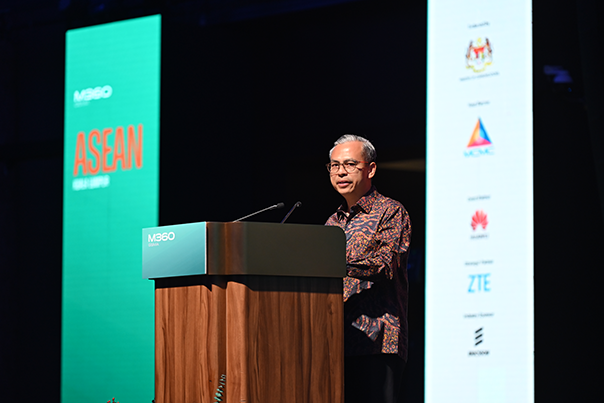
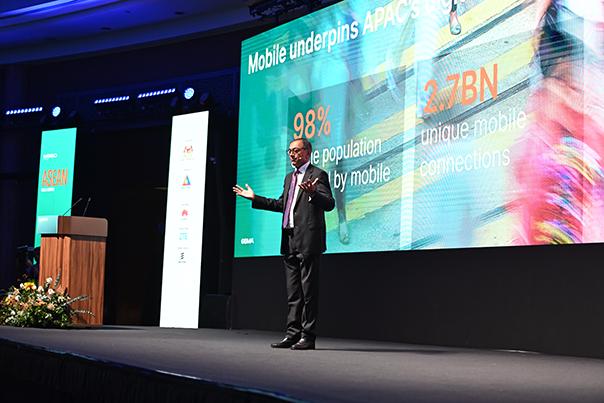
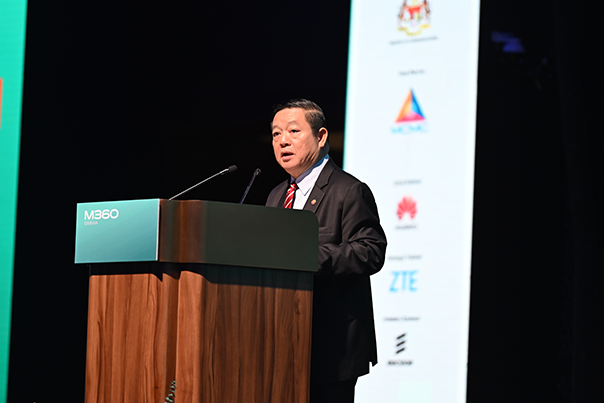
ASEAN has made remarkable progress in extending digital infrastructure, with 98% of the population now covered by mobile internet. Malaysia, for example, has reached 99.75% internet coverage in populated areas, with 5G coverage approaching 90%.
Yet many people remain offline or do not make meaningful use of the services available to them. GSMA Intelligence estimates that more than 700 million adults across Asia Pacific remain offline despite mobile broadband coverage. Affordability, digital skills and relevant local-language content are therefore becoming just as important as network coverage.
For policymakers, closing the usage gap will also help bring the informal economy to the formal one.
Digital trust has become an economic imperative
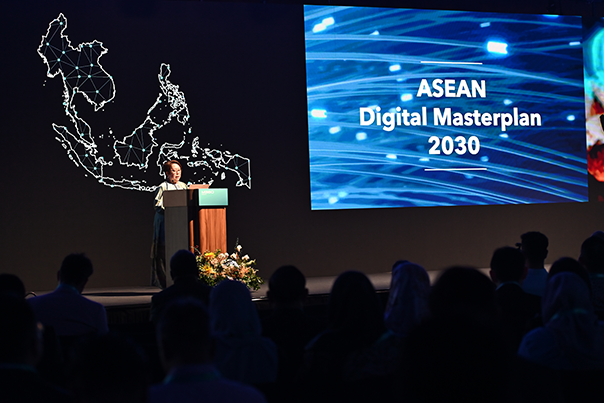
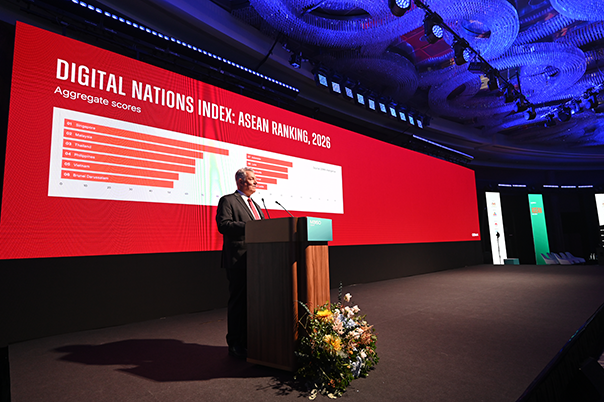

As ASEAN accelerates digital transformation, trust is becoming a prerequisite for people and businesses to participate confidently in the digital economy.
The GSMA’s Digital Nations ASEAN 2026 report highlights this transition: the key question has moved from whether people can access digital services to whether they can rely on them to be secure, reliable, transparent and accountable.
The challenge is significant. The ASEAN Consumer Scam Report 2026 found that scams and fraud are increasingly undermining confidence in digital services across Southeast Asia, with nearly half of reported scam incidents going unresolved.
No single sector can respond alone. Governments, regulators, telecom operators, financial institutions and digital platforms will need to share intelligence and build stronger mechanisms for identity verification, authentication and fraud prevention.
AI is creating a new opportunity — and a new policy challenge
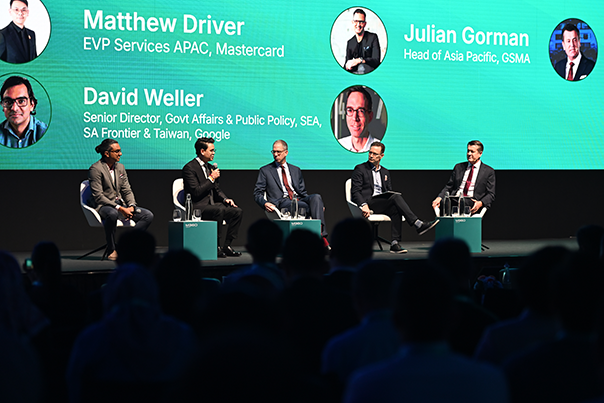

Telcos are becoming a foundational layer of the AI stack. Mobile networks provide the connectivity, edge infrastructure, data and increasingly the cloud and compute capabilities that AI-enabled services will depend on. Operators are also exploring industry-specific AI solutions and sovereign AI capabilities.
The opportunity is substantial. GSMA research forecasts that mobile technologies and services will contribute US$1.4 trillion to the Asia Pacific economy by 2030, with AI, 5G and IoT expected to drive significant productivity gains, particularly across manufacturing and services.
But the region also faces a potential AI divide. Access to compute, energy, skills and high-quality data will not be evenly distributed. Governments will therefore need to balance ambitions for AI leadership with questions around sovereignty, security, affordability and sustainability.
For ASEAN, the goal should not simply be to consume AI. It is to build the infrastructure, capabilities and ecosystems that allow businesses — including MSMEs — to create value from it.
Resilience needs to become an ecosystem capability
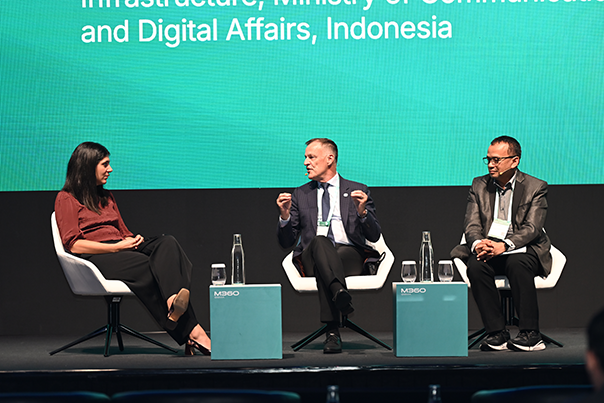

Digital resilience cannot be built one sector at a time. As economies become increasingly dependent on digital infrastructure, disruptions to communications can quickly disrupt financial services, healthcare, transport, energy, and public services.
The Digital Trust Summit explored what it means to build resilient digital nations — from climate-smart infrastructure and multi-hazard planning to AI-enabled early warning systems, alternative connectivity and stronger public-private coordination.
A recurring message was the need to design for failure. That means thinking about what happens when networks, power supplies or individual infrastructure components fail — and ensuring that alternative systems, protocols and routes are available.
It also means preparing before a crisis. Clear roles, shared protocols, asset inventories, and trusted relationships between government and industry can make the difference between a contained disruption and one that cascades across the economy.
From connectivity to a trusted digital economy
Taken together, the discussions at M360 ASEAN point to a new phase in the region’s digital journey. The first chapter was about connecting people. The next is about making those connections meaningful, trusted, resilient and productive. ASEAN’s $2 trillion digital economy ambition is within reach — but the foundations matter. The region will need to build digital infrastructure that can scale, policies that can encourage investment, AI ecosystems that can create value, and trust frameworks that give citizens and businesses the confidence to participate.