


The next era of digital transformation will require visionary policies, sustainable investment environments, and smart spectrum strategies to unlock the full potential of AI and next-generation connectivity. This was the key message from the inaugural Ministerial Programme at MWC Doha.
Below are the key takeaways from the programme’s sessions, and what they reveal about the trajectory of digital economies worldwide.
Digital governance must be visionary, cohesive, and investment-ready
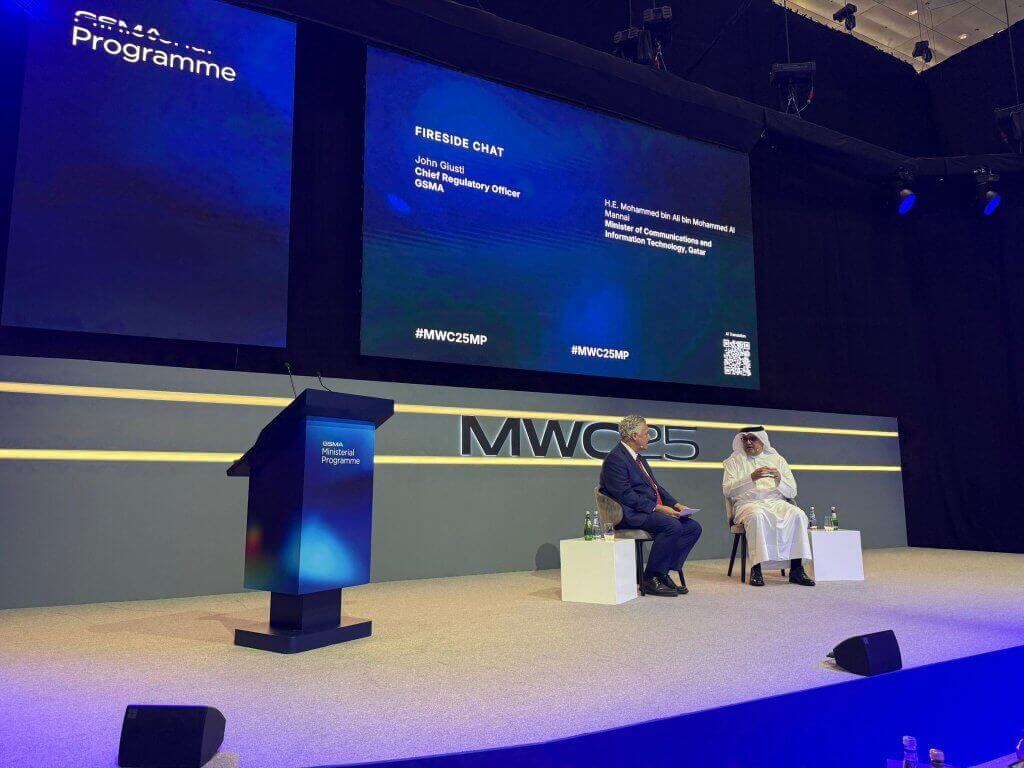
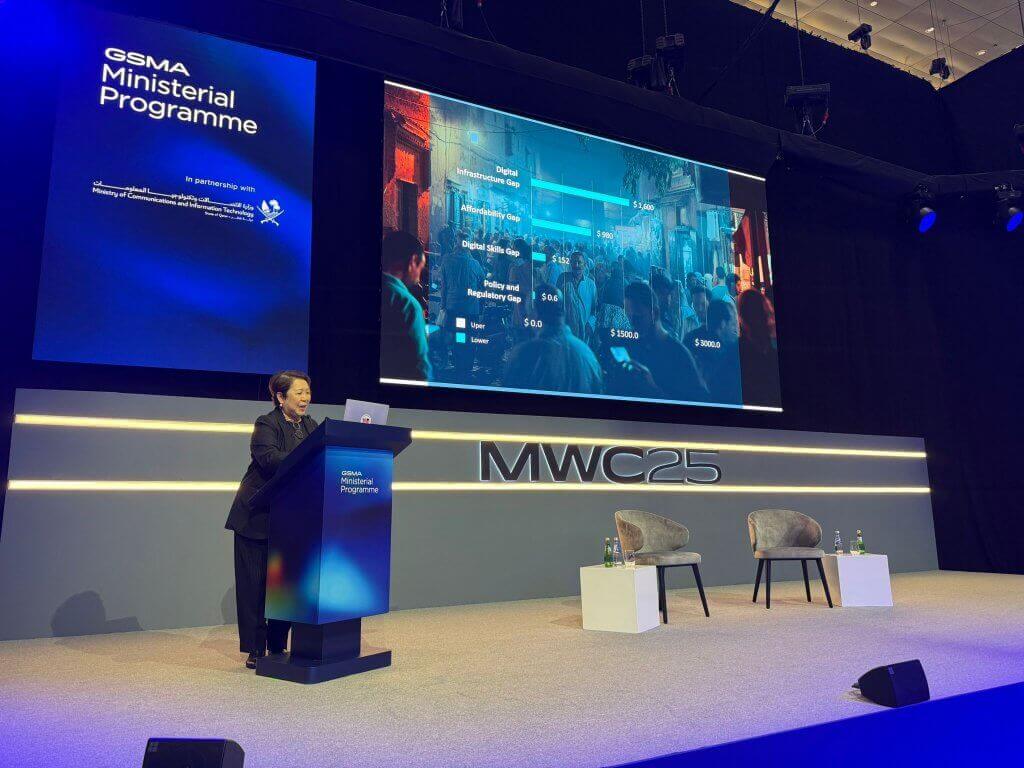
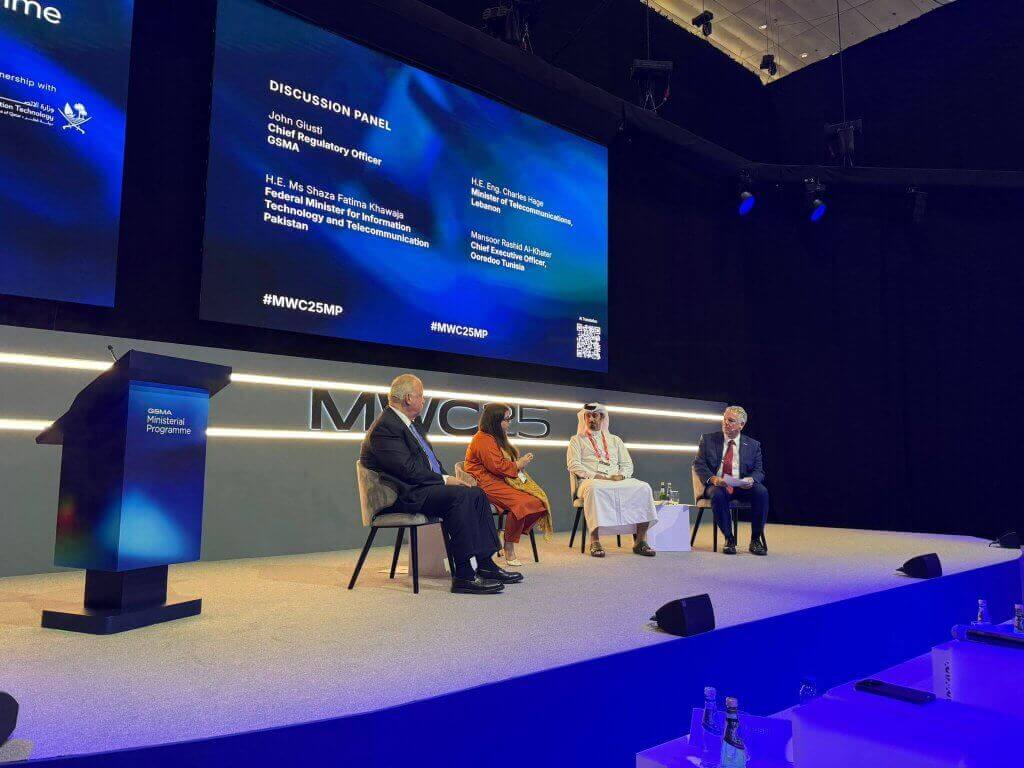
The opening session, “Digital Governance: Visionary Policies for a Digital Future,” underscored the importance of aligning national digital visions with practical, long-term policy frameworks.
Countries pursuing ambitious digital goals increasingly recognise that a favourable, sustainable investment climate is foundational. GSMA research identifies four pillars to achieving this: fiscal policy that avoids distortionary or sector-specific levies; regulatory fairness that ensures predictability and encourages competition; operational flexibility to reduce deployment barriers and complexity; and government facilitation to attract investment and accelerate innovation and digital inclusion.
Qatar was highlighted as a strong regional example, shifting to an economy-wide digital impact across nine UN sectors. Policies such as regulatory sandboxing, attracting foreign direct investment, and targeted digital skills programmes, including the Qatar Digital Academy, demonstrate how a holistic national approach can drive inclusion and innovation. China’s scale was also noted, with a $7.65 trillion digitaleconomy, which shows what coordinated policy and investment can unlock.
Insights from Lebanon and Pakistan illustrated how frontier markets are accelerating their digital transitions through infrastructure investment, digital literacy, modernised regulation, and public-private partnerships.
However, the pace of digital development differs significantly across countries. The ITU estimates $2.6 to $2.8 trillion is needed to achieve universal connectivity by 2030. Digital governance must be both visionary and actionable, creating environments where investment, innovation, and inclusion reinforce one another.
Rethinking regulation is essential to unlock mobile investment

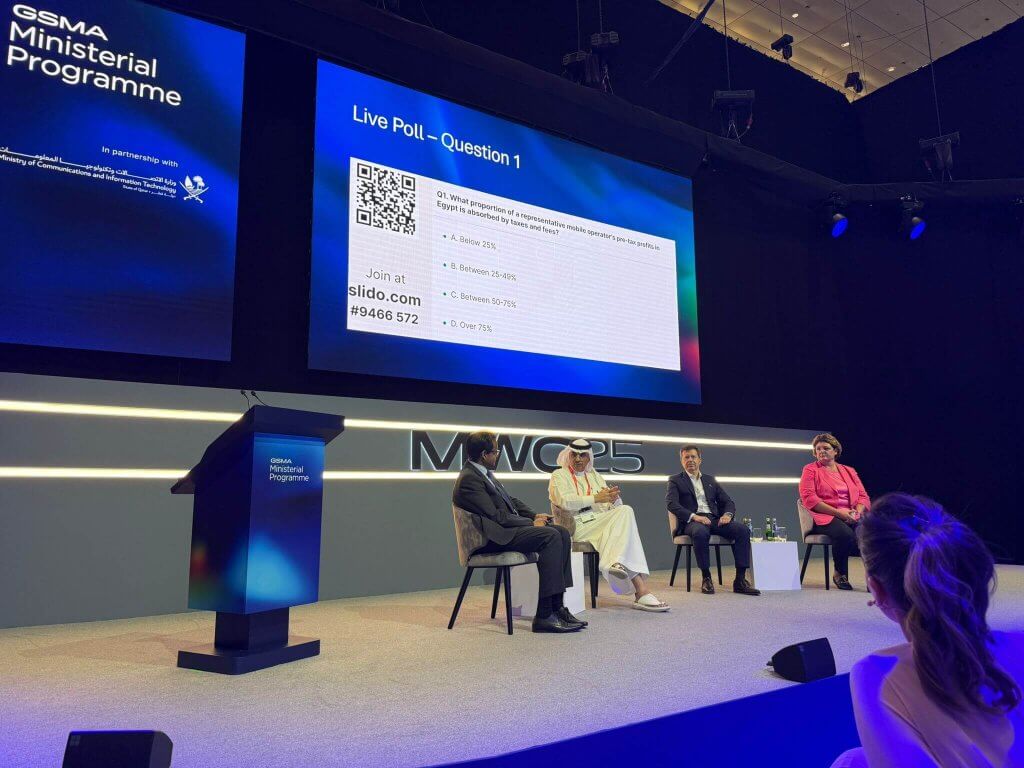
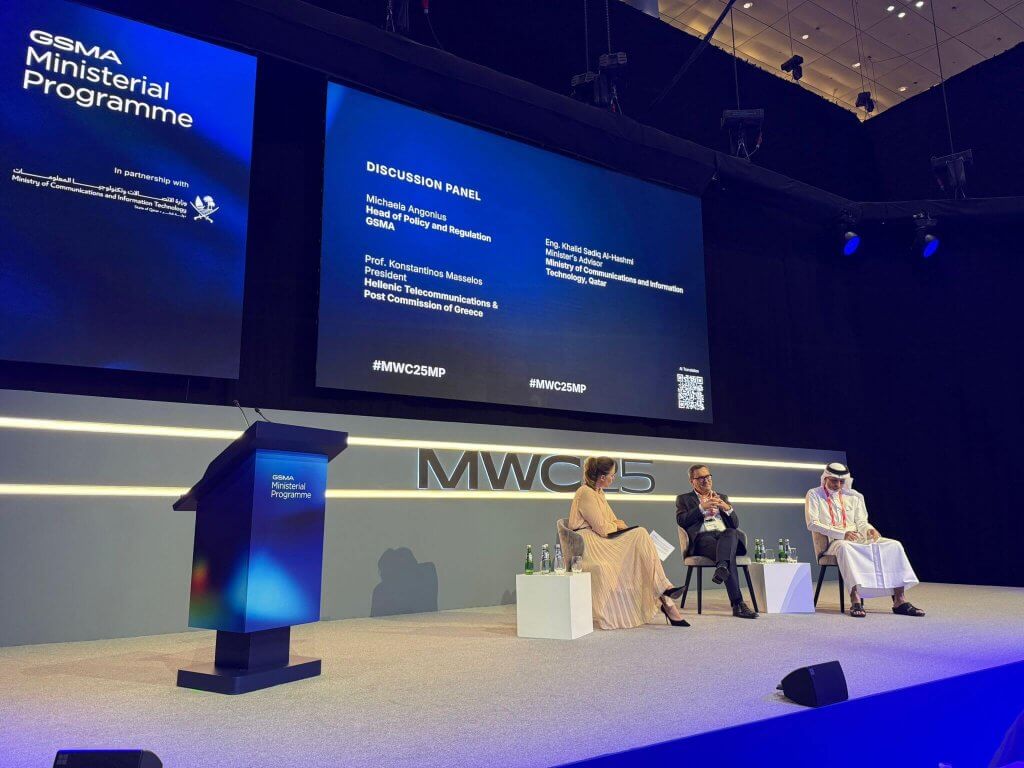
The “Unlocking Mobile Investment” session dug into one of the industry’s most urgent challenges: how to sustain massive investment needs amid flat operator revenues and rising traffic demand.
Mobile operators continue to account for 85% of global investment in mobile internet connectivity infrastructure, playing the ‘keystone’ role in funding the networks that underpin modern digital economies worldwide. Yet, they face growing fiscal and regulatory pressure. Investment-friendly policies must begin with infrastructure readiness, driven by three critical enablers:
- Taxation: Avoid sector-specific levies and duties on operators and consumers to prevent double taxation that weakens investment.
- Network deployment: Simplify fibre deployment rules to accelerate rollout.
- Quality of service (QoS): Avoid overly rigid obligations, as they don’t provide a benefit compared to the cost of compliance.
Panellists from across Central Asia and the Middle East highlighted how over-regulation and high tax burdens constrain the rollout of 5G and future networks. Stable policies, healthy competition, and predictable rules, as seen in Kazakhstan and Uzbekistan, are vital to attracting the long-term capital required.
Inconsistent and burdensome cybersecurity regulations emerged as another barrier to investment, as excessive compliance costs stifle innovation and divert resources from protecting networks and end users. A new GSMA report outlines six principles for effective, innovation-friendly cybersecurity regulation: harmonisation, consistency, risk-based outcomes, collaboration, security-by-design, and institutional capacity.
Spectrum policy will shape the impact of AI and 6G
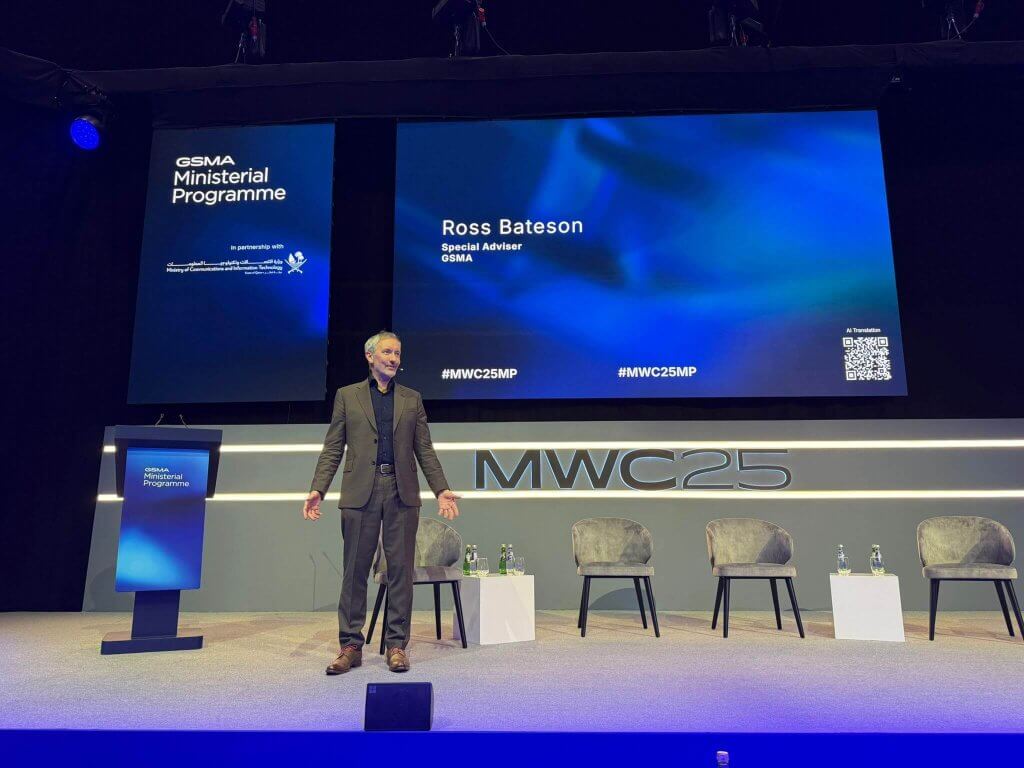
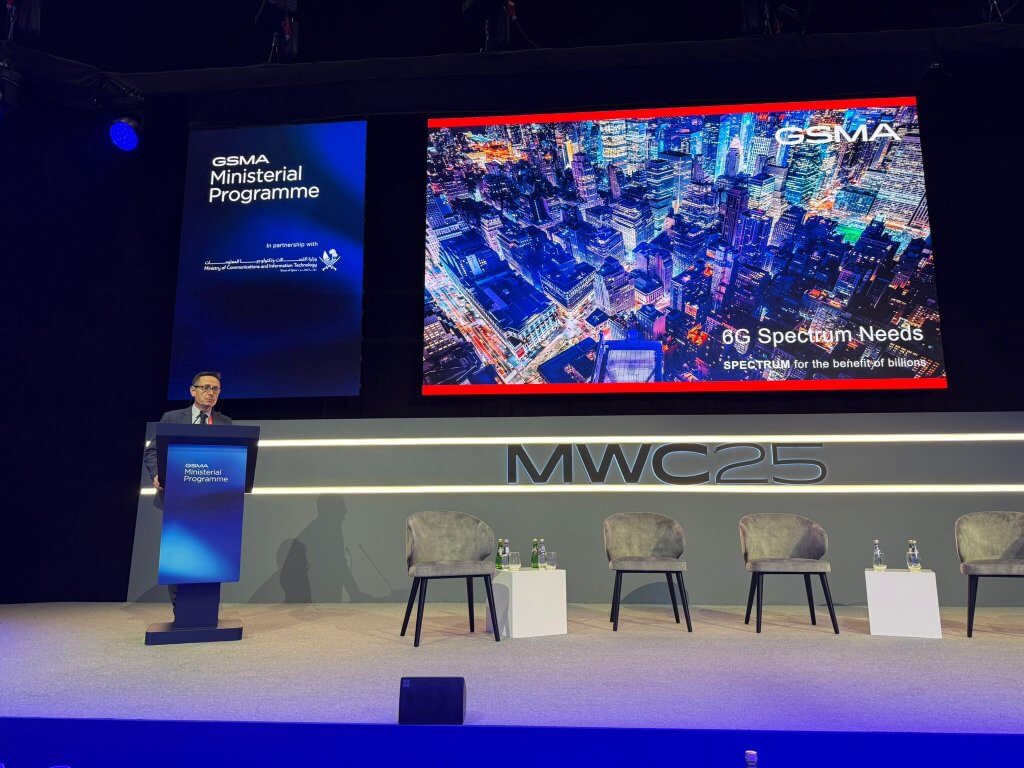
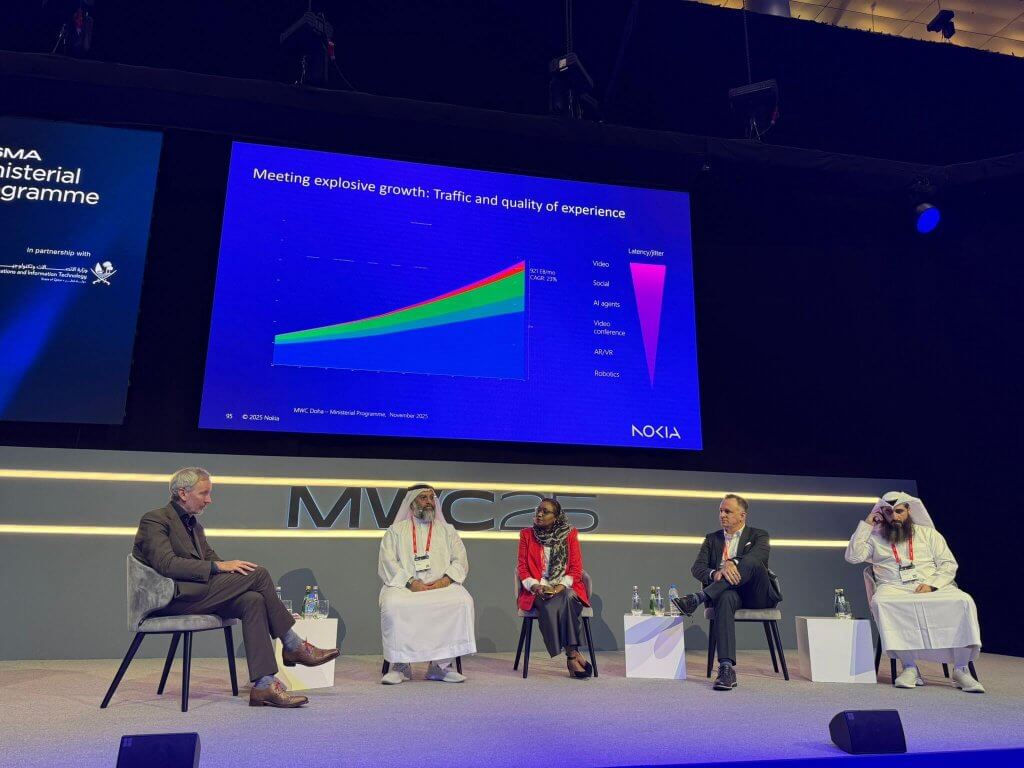
The final session of the programme looked ahead to how next-generation spectrum strategy will underpin 6G networks and AI-driven digital economies.
The GSMA’s Vision 2040 study provides a clear roadmap. Dense urban areas will need 2–3 GHz of mid-band spectrum by the 6G era, increasing to 2.5–4 GHz for high-demand countries. Key candidate bands include 3.8–4.2 GHz, 4.4–4.99 GHz, upper 6 GHz, and 7.125–8.4 GHz.
The UAE’s leadership in 5G, with assignments in the 600 MHz and 6 GHz bands, demonstrates how early, strategic spectrum decisions create long-term advantages. Its proactive work on 6G roadmaps and R&D partnerships was presented as a model for others. Spectrum is becoming a strategic asset for national AI readiness, and countries that plan early will be best positioned to lead.
Panellists also emphasised how AI will be deeply integrated across future networks, improving optimisation and real-time responsiveness. AI-driven applications that require better uplink performance and zero latency will reshape how spectrum is used and how networks are designed.
The way forward
The discussions at MWC Doha revealed a cohesive global narrative. Visionary digital governance sets the direction. Balanced regulation and modern fiscal policy unlock investment. Smart spectrum planning enables the next wave of AI-powered innovation. Countries that align these three pillars will be best positioned to build resilient, inclusive digital economies capable of competing in an AI-driven future.