


MWC Barcelona 2026
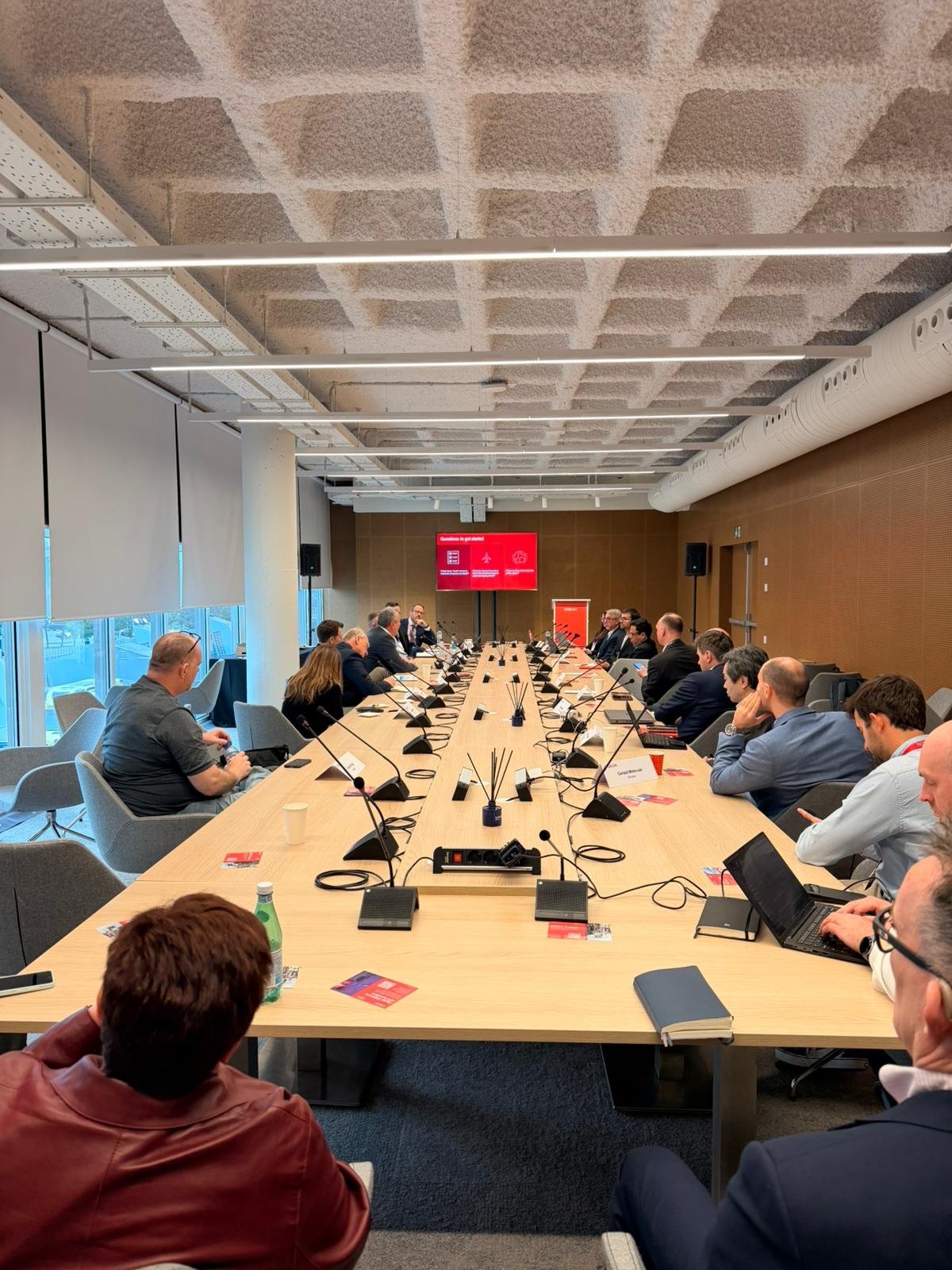
At MWC Barcelona 2026, GSMA convened a Channel Partner Roundtable bringing together channel partners, CPaaS providers, hyperscalers, system integrators, developers and ecosystem stakeholders to discuss how the industry can accelerate demand, adoption and monetisation of Open Gateway and CAMARA Network APIs.
Key Themes and Outcomes
The discussion highlighted a clear industry inflection point. While progress has been made in exposing network APIs, the primary barriers to scale are no longer technical. Instead, participants identified commercial readiness, developer awareness and operational execution as the critical challenges facing the ecosystem.
A recurring message throughout the roundtable was that network APIs must be positioned as solutions to enterprise problems, not as standalone technical capabilities. Participants noted a significant “commercial gap”, with industry conversations heavily weighted towards technical enablement rather than demand generation and sales.
Industry leaders reinforced the view that “APIs do not sell themselves”. Achieving global scale will require a shift towards solution‑led, outcome‑based models delivered through channel partners and solution providers. Priorities for 2026 include formalising service levels, simplifying onboarding through automation and agentic AI, and developing alternative business models where value is tied to successful business transactions rather than API consumption.
Scaling Enterprise Demand
Enterprise demand for network APIs remains concentrated in a limited number of sectors, particularly fintech. Participants believe that demand exists, but adoption is constrained by unclear mapping between enterprise use cases and network capabilities, as well as limited commercial deployment by operators in some markets.
To scale demand, participants proposed that the ecosystem must:
- Translate enterprise problems into clear, reusable API‑enabled solutions
- Simplify integration and reduce onboarding friction
- Enable solution reuse across industries and geographies
Automation and AI were highlighted as important enablers to reduce complexity and improve time‑to‑market.
Partner‑Led Go‑to‑Market Models
Channel partners, system integrators and solution providers were identified as central to commercial success. Participants emphasised that enterprise adoption depends on broad market coverage, strong collaboration with industry bodies and improved onboarding tools.
The discussion reinforced that commercial traction requires partner‑led go‑to‑market models, with solutions packaged around business outcomes rather than technical features. Regulatory alignment and managing CAMARA API versioning complexity were also highlighted as important considerations for partners operating at scale.
From APIs to Business Outcomes
A core conclusion of the roundtable was that enterprises are not buying APIs, they want to buy outcomes such as fraud prevention, identity verification and improved customer experience.
High‑priority APIs identified by participants included:
- Number Verification
- SIM Swap
- Number Recycle
These APIs underpin digital identity and fraud prevention use cases that are currently among the strongest drivers of enterprise interest. Participants also highlighted the need for a single access point for discovering and consuming network APIs, alongside outcome‑based pricing models aligned to enterprise value.
Shaping the Industry Narrative
Participants agreed that the industry narrative must evolve. Marketing and messaging should focus on business value, such as trust, security and fraud reduction, rather than technical implementation. Different industries will require tailored messaging, and there remains a significant education gap among experienced developers.
Developer engagement initiatives such as hackathons, developer conferences and dedicated developer events were identified as effective mechanisms to build awareness and stimulate innovation.
Supporting Startups and Ecosystem Growth
Startups and solution partners were recognised as critical enablers of the Open Gateway ecosystem. However, participants highlighted challenges including limited early‑stage investment, difficulty articulating telco opportunities to traditional investors, and constrained go‑to‑market support.
Regulatory and Commercial Readiness
Regulatory and operator commercialisation barriers continue to limit progress in some regions. Participants noted that without consistent supply availability and clear commercial models from operators, enterprise demand cannot fully materialise. Sharing best practices across markets, within competition law boundaries, was identified as a potential way to accelerate progress.
Key Takeaways
- Enterprise demand must be driven through solutions and outcomes, not APIs alone
- Developer onboarding, experience and awareness remain major adoption barriers
- Channel partners and solution developers are essential ecosystem drivers
- Operator commercial readiness and regulatory alignment must improve
- Marketing should focus on trust, security and measurable business value
Role of GSMA
The roundtable reinforced the critical role of GSMA in coordinating ecosystem education, shaping industry narrative, improving developer engagement and supporting essential stakeholder alignment across the value chain through initiatives such as GSMA Open Gateway and GSMA Fusion.


Join our next roundtables
If you would like priority access to our upcoming roundtables and events please sign up to our mailing list to be notified first and receive our monthly newsletter with all the latest GSMA Fusion and GSMA Open Gateway news here: