


Tuesday 1 September, 2026
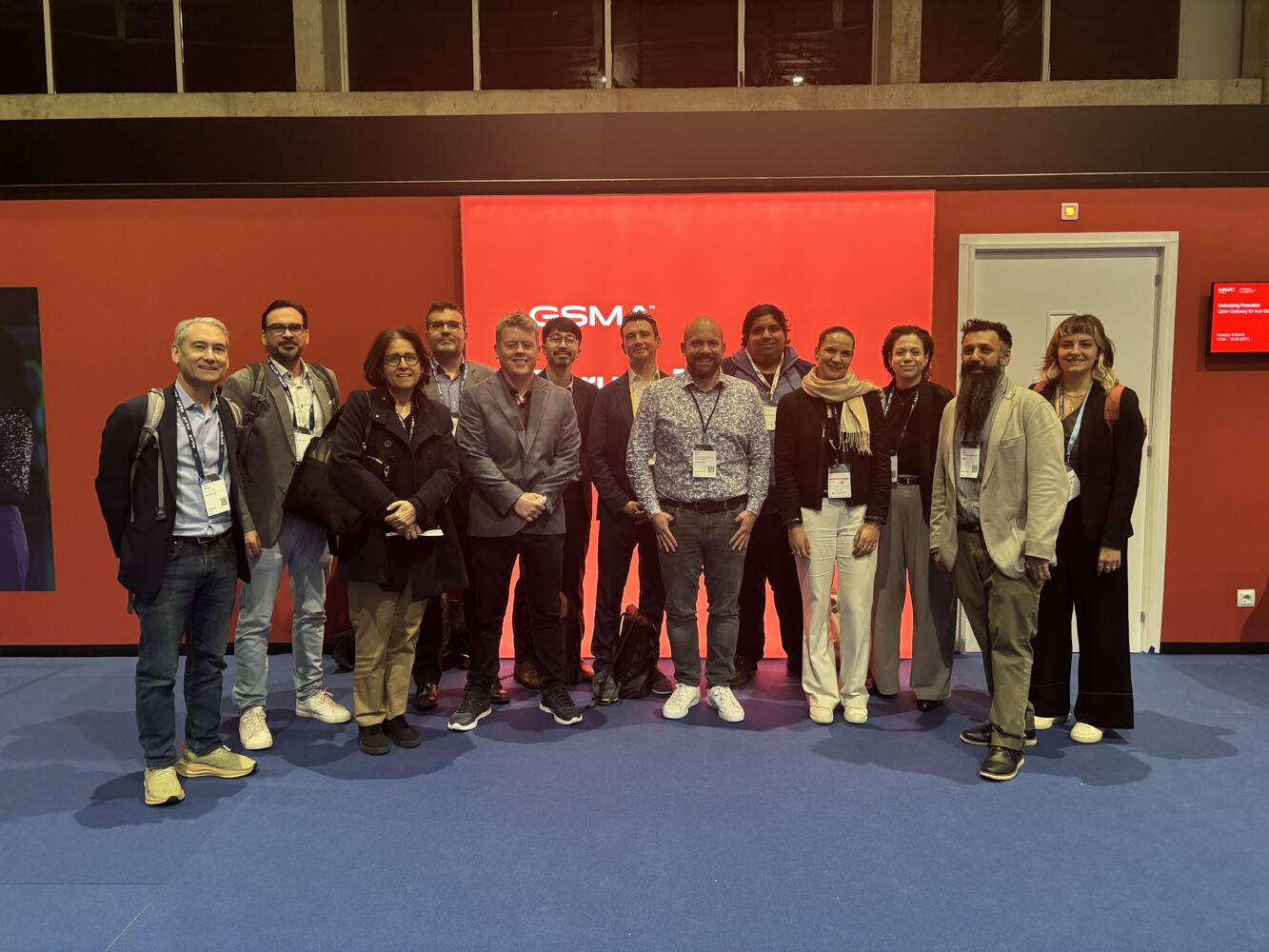
The GSMA Connected Manufacturing and Production team hosted a roundtable at MWC25 Barcelona focusing on Machine Issued Data Assurance Roundtable (MIDAs). The roundtable provided a platform for the telco and manufacturing (stakeholders|) community to discuss key themes; supply chain challenges, technical solutions, and collaboration. Key topics included Scope 3 reporting complexities, ICT sector emissions, and innovative cooling solutions. During the session, participants highlighted the importance of legal entity identification (LEI) for ESG reporting and blockchain for data verification. Participants also shared insights on identity solutions for ESG reporting, GSMA Foundry’s role in innovation, and product design impact on sustainability. Siemens’ carbon tracking initiatives and the PACT initiative for harmonising product carbon footprint methodologies were also discussed.
Read more in the full article below written by Vijay Tailor, Technical Manager – Connected Manufacturing and Production at GSMA:
I had the pleasure of hosting a dynamic roundtable discussion on MIDAs at MWC with Sophia Hasnain from Linked Things , where we delved into some critical topics surrounding supply chain challenges, technical solutions, and potential collaboration scenarios. Here’s a glimpse of our insightful discussions:
- Scope 3 Reporting Challenges: Laura Tedeschi from The Carbon Trust highlighted the complexities in data collection for Scope 3 reporting, emphasising the need for primary data from suppliers and the role of industry associations in improving data accuracy.
- Scope 3 Emissions in ICT Sector: George Kamiya from GSMA discussed the significance of Scope 3 emissions, which constitute about 75% of the ICT sector’s emissions. He stressed the importance of developing an industry-wide database for better data consistency and accuracy.
- Innovative Cooling Solutions: Karim Abed Abbas from Data Green presented their direct chip liquid cooling solution, which recaptures heat dissipated by chips for heating or cooling, highlighting the importance of measuring KPIs and maximising efficiency.
- Blockchain for Data Verification: Gareth Williams from GSMA explored the potential of blockchain technology in providing immutable, auditable, and verifiable data, while addressing the challenges of decentralisation and the need for transparency.
- Legal Entity Identification: Ivan Marin from Global Legal Entity Identifier Foundation (GLEIF) explained the importance of legal entity identification (LEI) for ensuring trust and data accuracy in ESG reporting, and the role of verifiable credentials in authenticating data sources.
- Provenant’s Use of vLEI: Randy Warshaw from Provenant Inc discussed the use of verifiable legal entity identifiers (vLEI) in the telecommunications sector to ensure trust and security in business communications.
- Identity Solutions for ESG Reporting: Robert Heinze from Giesecke+Devrient highlighted the need for accurate data collection and trust in the system, discussing the challenges of integrating various identities for corporate carbon footprints.
- GSMA Foundry’s Role: Faisal Zia from GSMA Foundry emphasized the importance of building projects, pilots, and strategic partnerships to foster collaboration and innovation.
- Engineering Solutions for Sustainability: Anissa Marouard Bellini from Dassault Systèmes described the impact of product design choices on sustainability, highlighting the role of virtual representations and digital twins in tracking product information.
- Siemens’ Sustainability Efforts: Daniel Mai from Siemens shared their initiatives to track carbon footprints and provide transparency in their supply chain using EPDs, QR codes, and the Siemens Ecotech label. Including insights on the SiGreen reporting platform.
- Carbon Transparency Partnership: Naama Avni Kadosh from WBCSD – World Business Council for Sustainable Development explained the PACT (Partnership for Carbon Transparency) initiative, which aims to harmonise product carbon footprint methodologies and enable data exchange.
We concluded the meeting by emphasising the need for a public call to ensure data interoperability and trustworthiness. I encouraged all participants to collaborate on creating a global standard for machine-assured data that can be used across various industries and applications.
If you think you can help to support this initiative into the next phase of POC and Pilots, Please reach out to discuss further by contacting directly – vtailor@gsma.com.
Ends


